What Life Jacket Is Best For Non Swimmers: Top Picks
A high buoyancy, inherently buoyant life jacket with head support is best for non-swimmers.
As a safety writer and avid boater with years of hands-on testing, I know how life jackets save lives for people who cannot swim. This article explains exactly what life jacket is best for non swimmers, why certain designs work better, and how to choose, fit, and maintain the right PFD so a non-swimmer stays face-up and safe in the water. Read on for practical guidance, real-world tips, and tested recommendations.
How life jackets protect non-swimmers
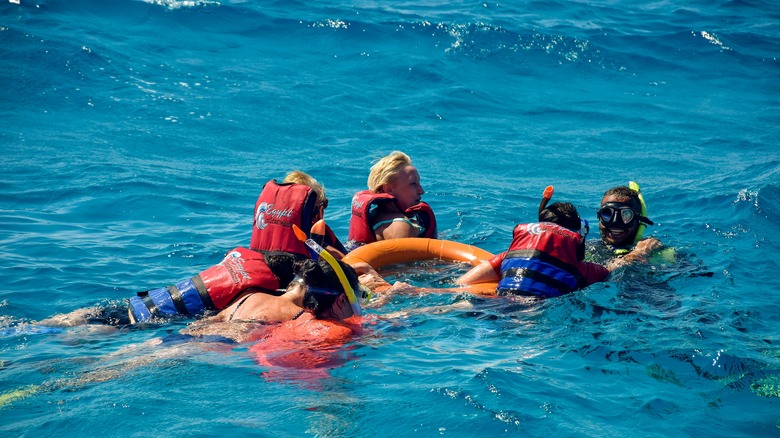
Life jackets keep a person afloat and help the head stay above water. For non-swimmers, the key is not just buoyancy, but the jacket’s ability to turn an unconscious or panicked person face-up. The best life jacket for non-swimmers does this reliably, even if the wearer is limp or wearing heavy clothes. Knowing the mechanics helps you choose with confidence.
Types of life jackets and which work best for non-swimmers
There are several common PFD types. Each has a place, but not all suit non-swimmers.
-
Type I (offshore life jackets)
- Highest buoyancy. Designed to turn an unconscious person face-up in rough water. Often recommended for non-swimmers and open water use.
-
Type II (near-shore buoyant vests)
- Moderate buoyancy. May turn some unconscious wearers face-up, but performance is less reliable than Type I.
-
Type III (flotation aids)
- Comfortable for active use like fishing and kayaking. Good for conscious, calm users but not ideal for non-swimmers who may lose consciousness.
-
Type V (special use)
- Designed for specific activities. Some models include extra head support and high buoyancy suitable for non-swimmers, but check label.
-
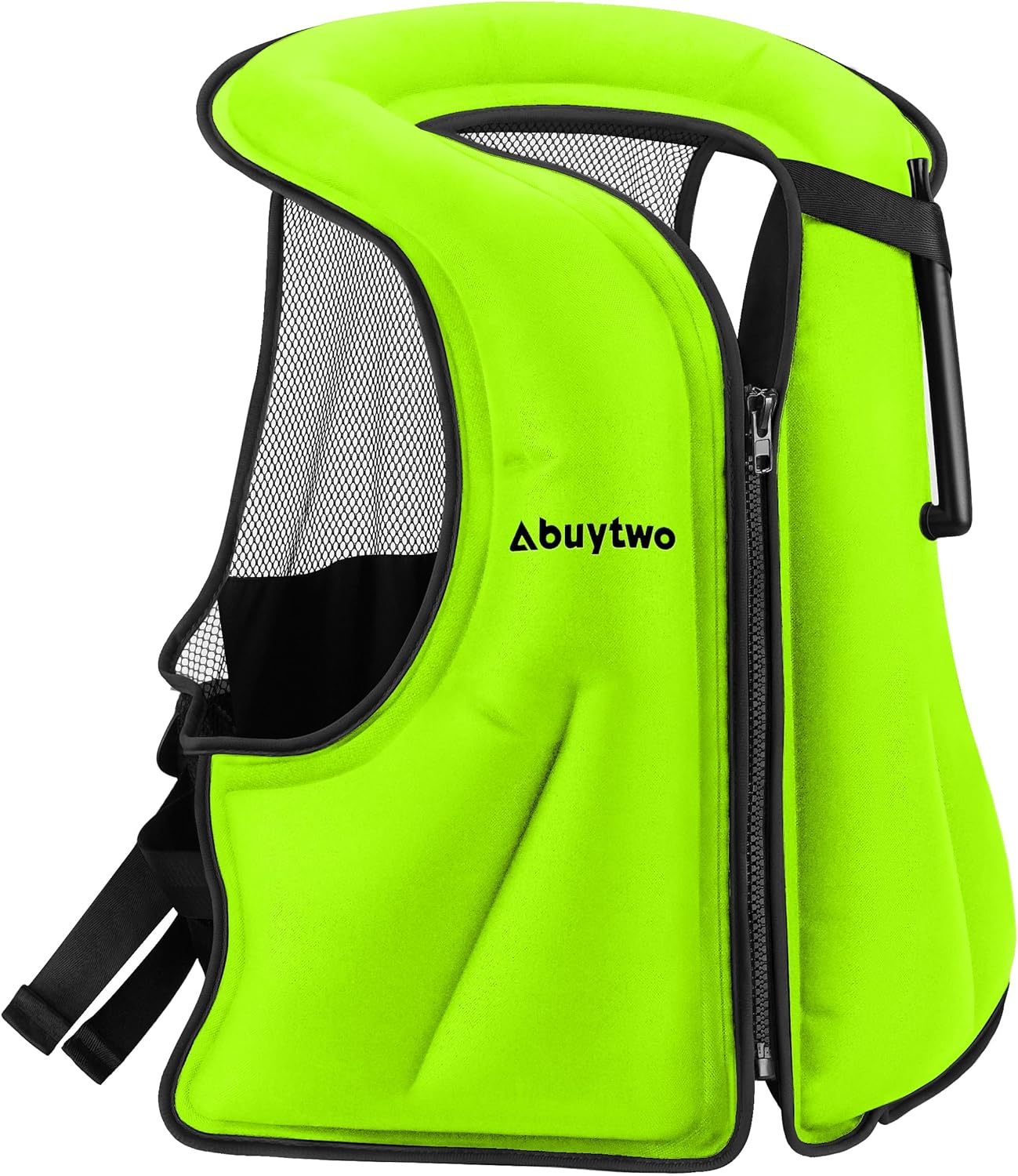
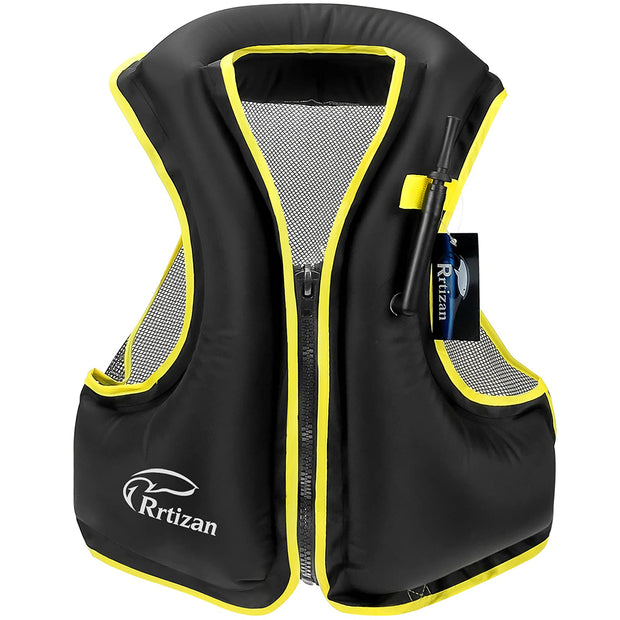
Inflatable life jackets
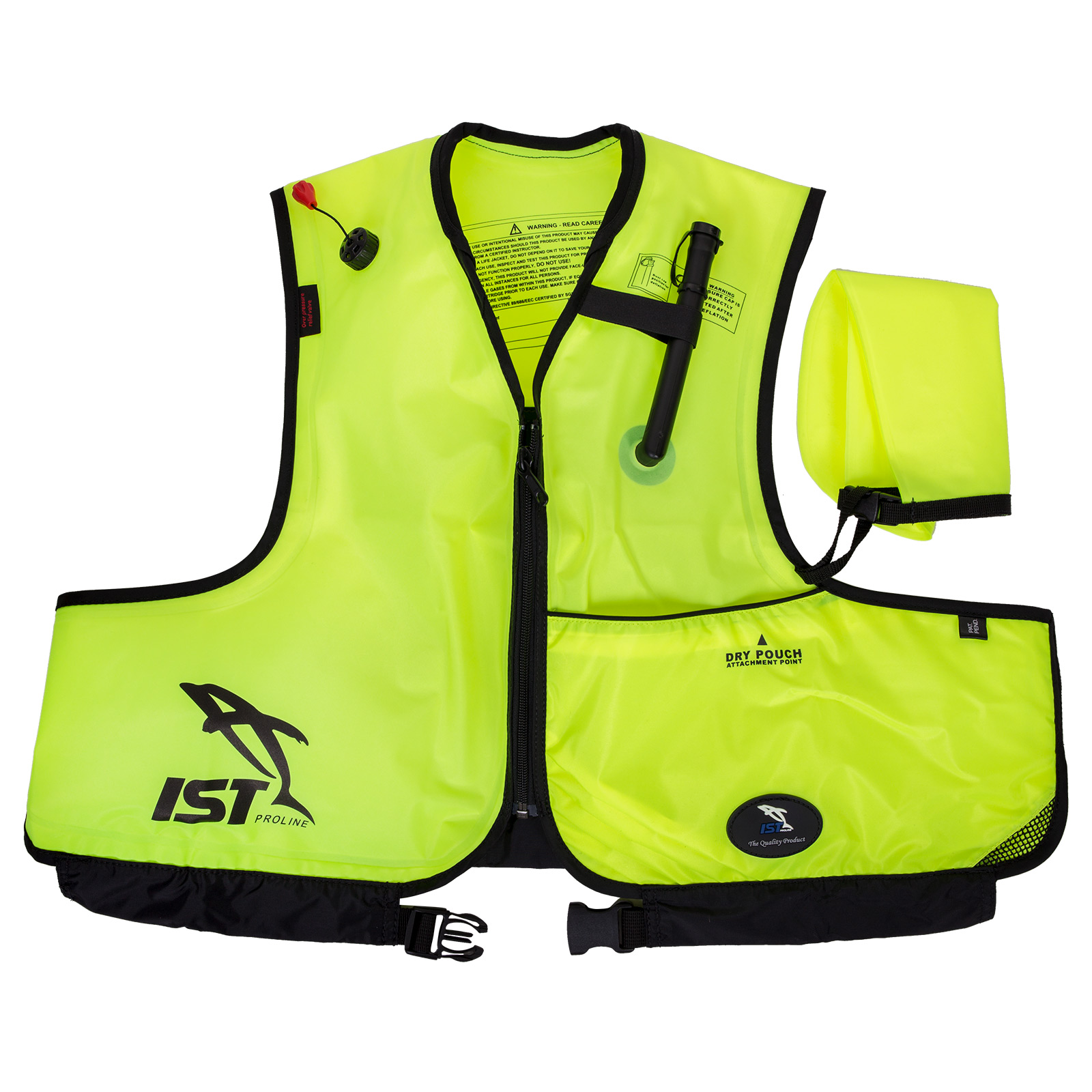
- Compact and comfortable. They can be manual or automatic. Not ideal for non-swimmers who may panic, fail to arm them, or for children and alcohol-impaired users.
For the question "What Life Jacket Is Best for Non Swimmers?" focus on Type I jackets or inherently buoyant Type V models with head support. These designs give the most reliable face-up flotation.
Key features to look for in life jackets for non-swimmers
Choose jackets with features that prioritize safety and stability.
-
High buoyancy rating
- The higher the buoyancy (measured in pounds or Newtons), the better the chances a limp person stays face-up.
-
Head and neck support
- Collar or raised back helps keep the airway clear if the person is unconscious.
-
Secure straps and crotch/thigh straps
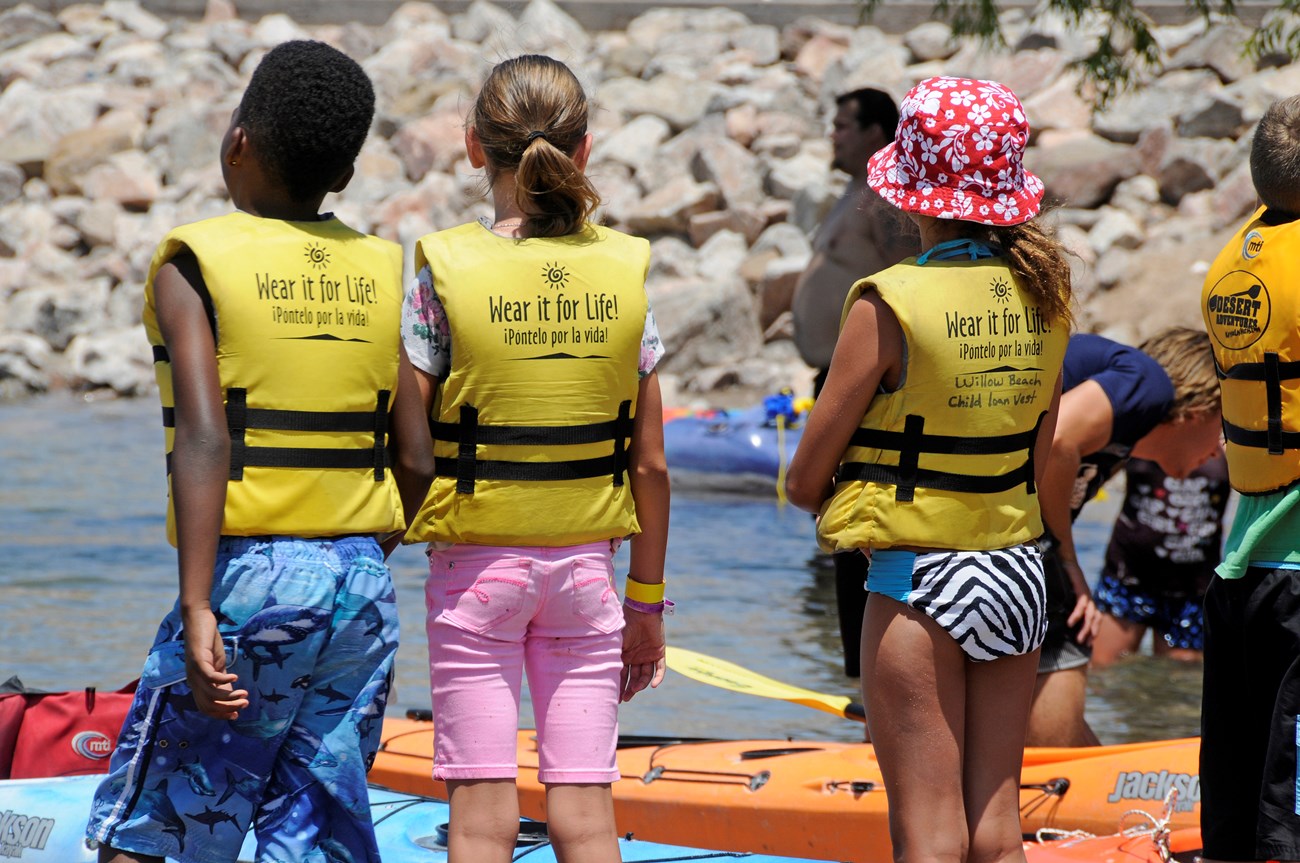
- Prevent the jacket from riding up. Crotch straps are essential for children and small adults.
-
Inherently buoyant foam over inflatables
- Foam works without action. It is more reliable for non-swimmers who cannot or will not activate an inflatable.
-
Proper USCG or international certification
- Look for USCG approval, CE marking, or other local standards that guarantee tested performance.
When you ask "What Life Jacket Is Best for Non Swimmers?", prioritize models with solid foam buoyancy and head support rather than lightweight inflatables.
Sizing, fit, and certification explained
Fit matters as much as type. A poor fit ruins even the best jacket.
-
Size to weight and chest measurements
- Follow the manufacturer chart. Test fit with the person’s usual clothing.
-
Fit test
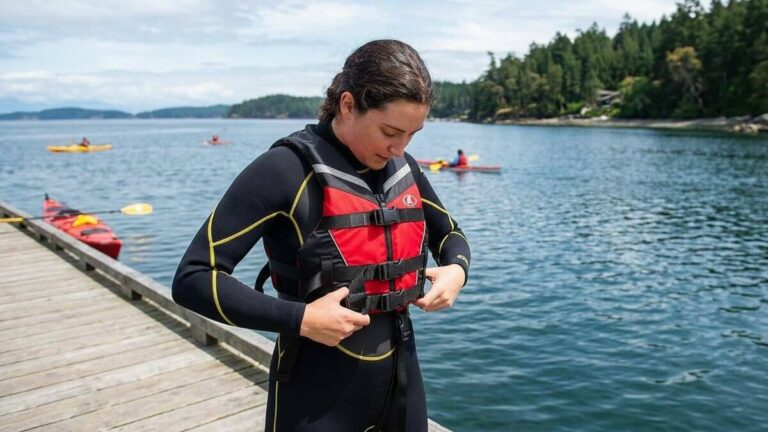
- Pull up at the shoulder after fastening all straps. The jacket should not slip over the chin or face.
-
Age and weight groups
- Children need PFDs sized for their weight and often labeled “child” with crotch straps and extra head support.
-
Certification labels
- Confirm USCG, CE, or ISO markings. Read the label to verify intended use (offshore, nearshore, inflatables, etc.).
Answering "What Life Jacket Is Best for Non Swimmers?" must include checking fit and certification first, then style and features.

Choosing by age and activity
Different users and activities affect the right pick.
-
Children and toddlers
- Choose inherently buoyant child PFDs with head support, high buoyancy, and crotch straps. Never rely on inflatable vests for young kids.
-
Adults who cannot swim
- Pick a Type I or a high-buoyancy Type V with head support. Avoid inflatables for adults who may panic or be alone.
-
Elderly or mobility-limited users
- Look for easy-on designs, wide armholes, and secure straps. Extra buoyancy and a comfortable collar help.
-
Recreational boaters vs. open water users
- For open water, always favor higher buoyancy and proven face-up performance. For calm lakes with supervision, a strong Type III with good fit may be acceptable for a conscious non-swimmer, but I still recommend higher support.
If you wonder "What Life Jacket Is Best for Non Swimmers?" think first about the person’s age, health, and where they will be in the water.

Personal experience: lessons from testing and real incidents
I have fitted life jackets for family, led safety checks on boats, and reviewed jackets after drill exercises. Here are lessons I learned.
-
Inflatable surprises
- A compact inflatable felt great, but one became useless after a small tear. For a non-swimmer in rough water, that could be fatal.
-
Collar matters
- Collars turned limp heads upright in drills. Models without collars often left the face near or below the waterline.
-
Fit beats style
- Color and cut don’t matter if the chest strap is loose. I once re-fit a life jacket that kept slipping. After adding a crotch strap and tightening, the wearer stayed properly afloat.
-
Routine checks save lives
- I found cracked foam in older jackets. Replace PFDs past their service life or with damage.
From experience, the answer to "What Life Jacket Is Best for Non Swimmers?" is clear: pick a robust, inherently buoyant jacket with head support and excellent fit.
Buying, caring for, and maintaining a life jacket
Take care to keep a life jacket reliable.
-
Inspect before each use
- Check straps, seams, zippers, and foam for damage.
-
Clean gently
- Rinse salty water, wash with mild soap, and air dry out of direct sun.
-
Store properly
- Keep PFDs in a cool, dry place and away from chemicals and heavy objects.
-
Replace after impact or long-term wear
- If buoyant foam is compressed or damaged, replace the jacket. Inflatable units require periodic servicing and inflation checks.
Ask "What Life Jacket Is Best for Non Swimmers?" and remember that proper care keeps the chosen jacket dependable.
Common mistakes to avoid
Avoid decisions that lower safety for non-swimmers.
-
Relying on throwables or seat cushions for personal flotation
- These are not wearable and often fail to protect non-swimmers.
-
Choosing inflatables for unsupervised non-swimmers
- They may not inflate or may be punctured.
-
Ignoring fit checks with clothing on
- Jackets can ride up when the wearer is in heavy clothes or boots.
-
Skipping certification labels
- Unapproved PFDs may not offer the claimed protection.
When weighing "What Life Jacket Is Best for Non Swimmers?", avoiding these errors matters as much as brand or price.

Frequently Asked Questions of What Life Jacket Is Best for Non Swimmers?
What is the single best type of life jacket for a non-swimmer?
The single best type is a Type I offshore jacket or an inherently buoyant Type V with head support because these designs provide the highest, most reliable face-up flotation.
Can an inflatable life jacket protect a non-swimmer?
Inflatables can protect a wearer when they function correctly, but they are not ideal for non-swimmers who might panic or be alone; inherent foam PFDs are safer.
How should a life jacket fit a non-swimmer?
Fit snugly with all straps fastened. A properly fitted jacket should not slip above the wearer’s chin when you pull up at the shoulders.
Are children’s PFDs different for non-swimmers?
Yes. Child PFDs often include crotch straps and extra head support. Always choose a size-rated child PFD and test the fit in shallow water under supervision.
How often should I replace a life jacket?
Inspect before each use. Replace if you find crushed foam, rips, mold, broken straps, or if the PFD has exceeded the manufacturer’s service life.
Conclusion
Choosing what life jacket is best for non swimmers means prioritizing reliable flotation, head support, and a secure fit. Favor inherently buoyant Type I or high-buoyancy Type V models over inflatables for people who cannot swim. Test the fit, inspect regularly, and replace damaged PFDs to keep safety strong. Take action today: measure the wearer, read labels, and buy a certified jacket that fits well—then practice fitting and use in safe, shallow water. Share your questions, subscribe for more safety guides, or comment with your experience below.