
How To Store Life Jackets Properly: Ultimate Storage Tips
Store life jackets clean, dry, out of sunlight, and hung or shelved with airflow.
As a boater and safety gear manager with years of hands-on experience, I’ll guide you through exactly how to store life jackets properly so they stay safe, functional, and ready for rescue. This article explains step-by-step preparation, the best storage methods, what to avoid, and simple maintenance checks you can do. You’ll learn practical tips I’ve used on docks and in storage rooms, plus expert-backed reasons why each step matters, so your life jackets last longer and perform when needed.
Why proper storage matters
Keeping life jackets in good condition is not just about longevity. It is about safety. A damaged or degraded life jacket may fail in an emergency. Proper storage keeps buoyant material dry, prevents UV and mildew damage, and preserves buckles and straps.
Key reasons to learn how to store life jackets properly:
- Safety: Maintains buoyancy and fit so jackets work when needed.
- Compliance: Keeps US Coast Guard–approved gear in usable condition.
- Cost savings: Extends service life and delays replacement.
- Readiness: Ensures easy access for quick use.
From my experience, even small lapses—like leaving jackets balled up in a wet locker—lead to mildew and collapsed foam. Learn the right steps, and your jackets will remain reliable.
Choosing where to store life jackets
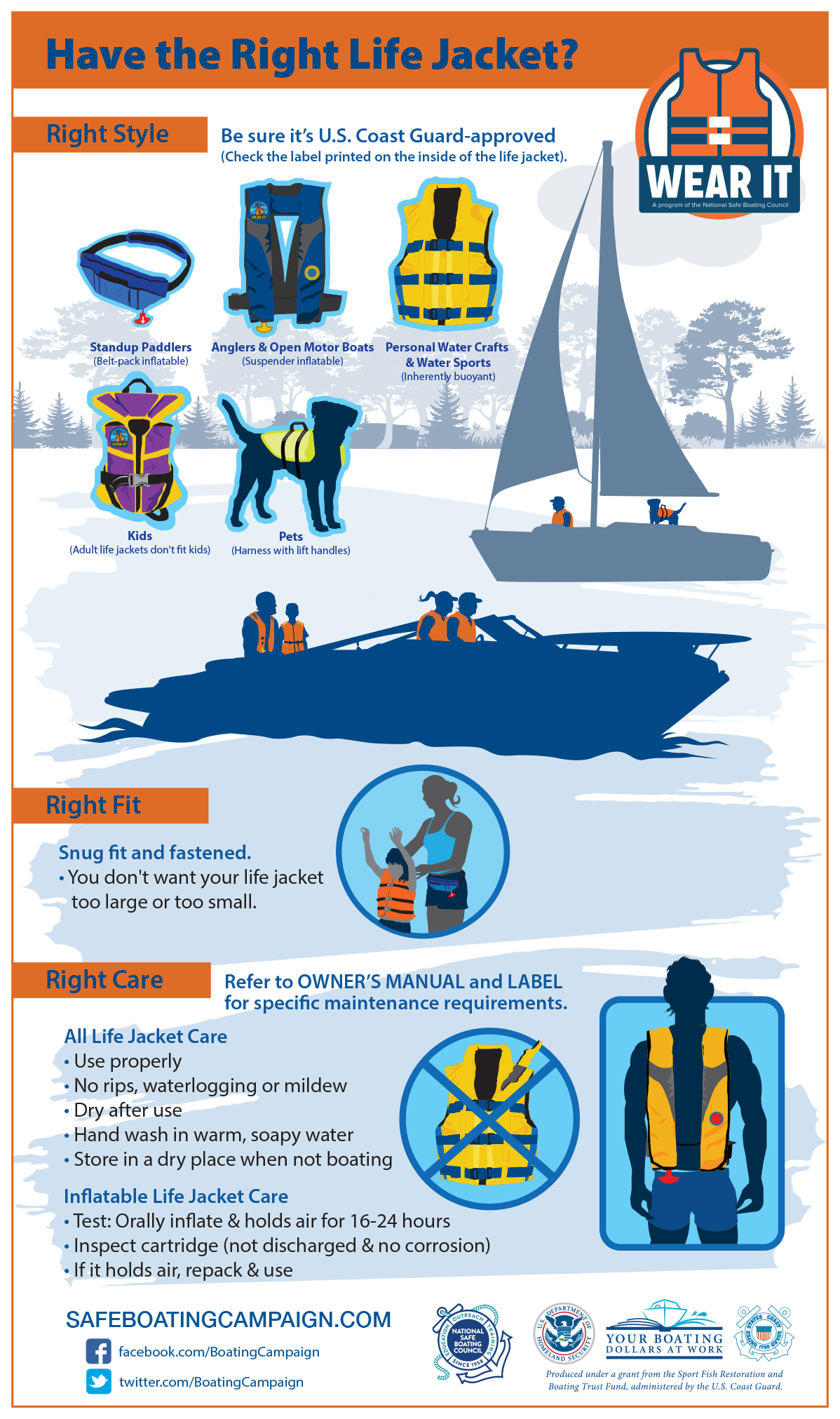
Location matters. Choose a spot that is cool, dry, and shaded. Avoid direct sunlight, hot attics, and damp bilges. Indoor closets, a ventilated garage shelf, or a covered boat locker with good airflow work best.
Factors to consider when choosing storage:
- Temperature: Keep jackets away from heat sources and extreme swings.
- Humidity: High humidity encourages mold; aim for low to moderate humidity.
- Light: UV breaks down fabric and foam. Store out of direct sun.
- Accessibility: Store jackets where everyone can reach them quickly.
- Separation: Keep life jackets away from fuels, solvents, and chemicals.
I store spare life jackets on open wire shelving in a shaded shed. That setup gave me years of trouble-free use.
Preparing life jackets for storage
Prep is crucial. Clean and inspect jackets before stowing them. This prevents stains, salt damage, and trapped moisture from degrading the foam and fabric.
Step-by-step preparation:
- Rinse saltwater off with fresh water. Salt is corrosive and breaks down fabric.
- Use mild soap and a soft brush for grime. Avoid harsh detergents and bleach.
- Rinse thoroughly to remove soap residue.
- Dry completely in the shade. Hang or lay flat until all moisture is gone.
- Inspect seams, straps, buckles, and flotation material for tears or compression.
- Repair or retire jackets that fail inspection or show crushed foam.
A tip from field work: after cleaning, place jackets on a folding drying rack in a breezy, shaded spot for 24 hours. That removes hidden dampness that causes slow breakdown.

Best storage methods
There are several safe ways to store life jackets. Choose the method that fits your space while keeping jackets aired, uncompressed, and out of light.
Hanging
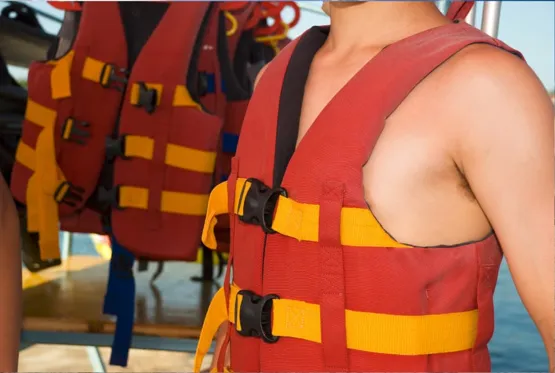
- Use wide, padded hangers or dedicated life jacket hooks.
- Hang by the shoulders or by the label loop.
- Keep some space between jackets for airflow.
Shelving
- Use open wire or slatted shelves to promote ventilation.
- Lay jackets flat or folded gently; avoid tight rolls.
- Do not stack heavy items on top.
Storage bins and lockers
- Use rigid bins with ventilation holes if space is limited.
- For boat lockers, install small vents or leave the locker open periodically.
- Avoid airtight plastic totes long-term; they trap moisture.
Wall racks and pegboards
- Wall racks keep jackets organized and easy to grab.
- Label racks by size for quick access during an emergency.
Seasonal and travel storage
- For long off-season storage, choose climate-controlled indoor space.
- For trailers or vehicles, use a dedicated storage bag that allows airflow.
From my experience on charters, hanging jackets by size reduced retrieval time during drills and kept gear in much better shape than piling them.
Long-term storage and maintenance
Long-term care keeps life jackets reliable year after year. Create a routine for inspections and small maintenance tasks.
Routine checks every 3–6 months:
- Visual inspection for fabric wear, tears, or sun damage.
- Test buckles and zippers for function.
- Squeeze foam to check for compression or waterlogging.
- Smell-test for mildew; wash and dry if odor appears.
Annual maintenance:
- Replace straps or buckles that show wear.
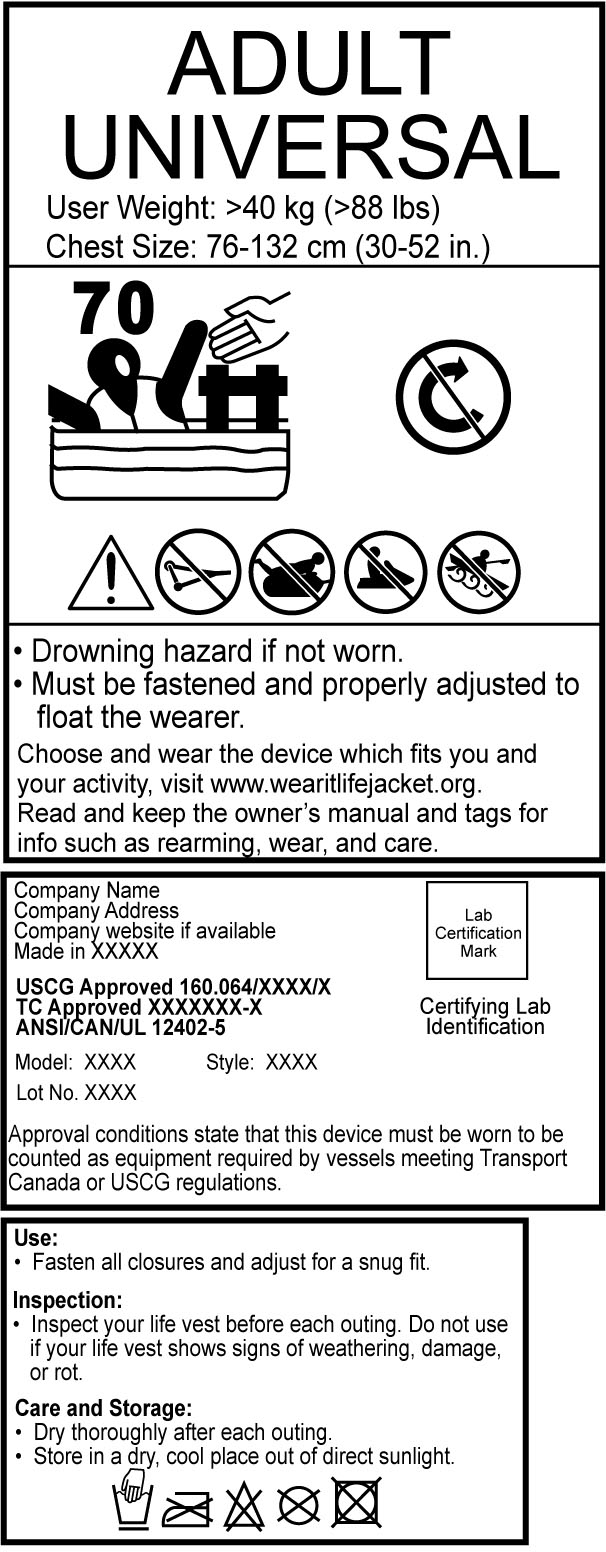
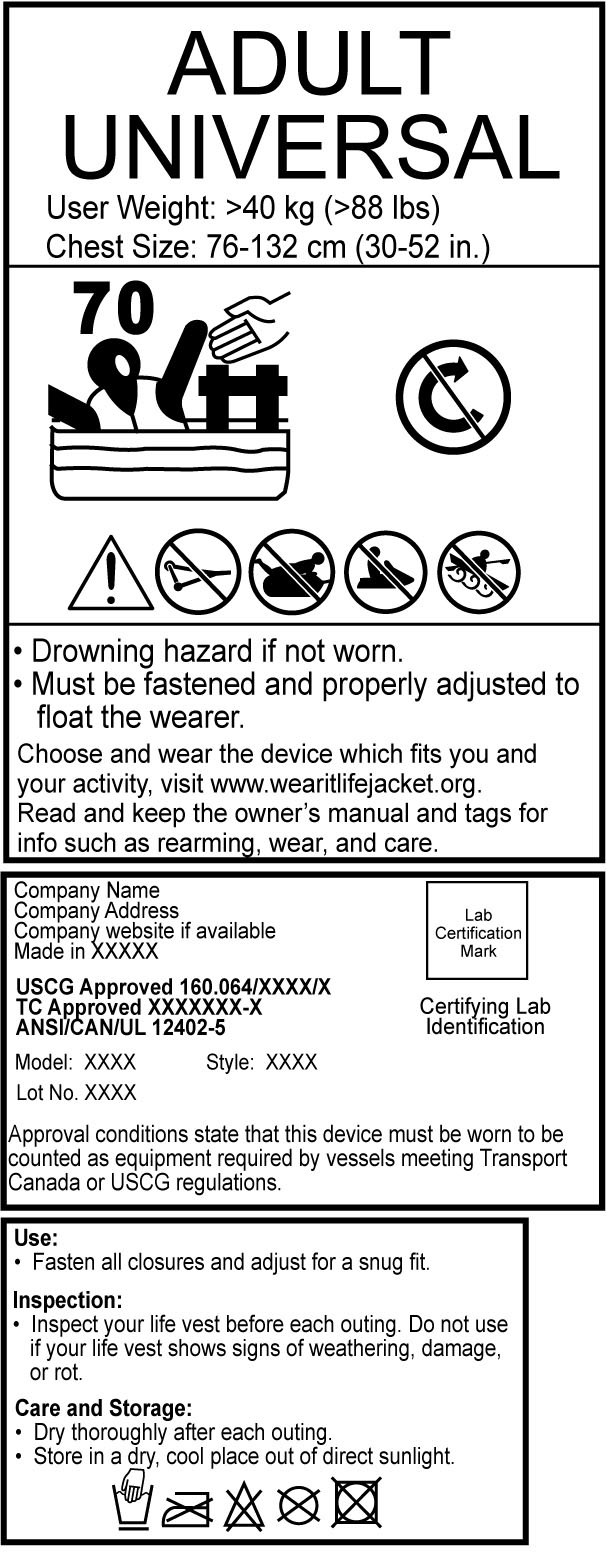
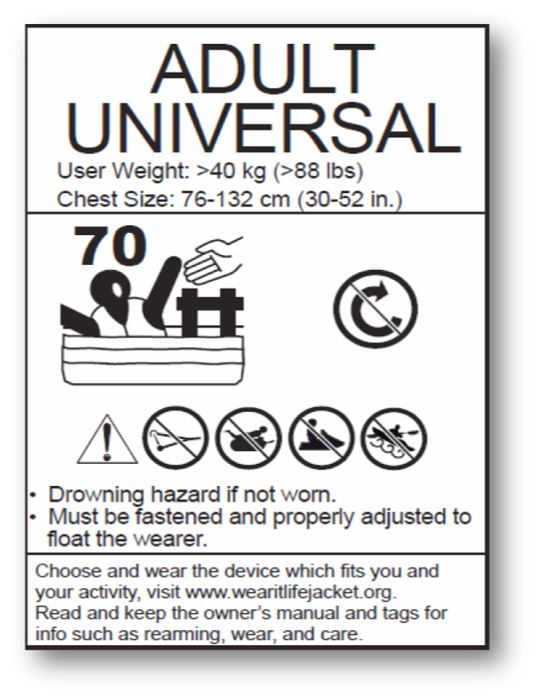
- Check US Coast Guard approval labels and retire jackets past recommended service life or after damage.
- Store jackets with desiccant packs in humid climates—ensure air can still circulate.
Record keeping
- Keep a simple log with purchase date, inspection dates, and repairs.
- This helps decide when to replace gear.
Note limitations: Some inflatable life jackets require special servicing. Follow the manufacturer’s inspection schedule for inflatables and have them serviced by certified technicians when required.

Common mistakes to avoid
Avoid these frequent errors when thinking about how to store life jackets properly. They shorten gear life and reduce safety.
Common mistakes:
- Storing wet jackets in closed containers. This causes mildew and foam breakdown.
- Folding or rolling jackets tightly. Compression damages foam over time.
- Leaving jackets in direct sun. UV breaks down fabric and stitching.
- Storing near chemicals, fuels, or sharp tools. These can contaminate or tear fabric.
- Ignoring inflatable jacket service intervals. Inflation systems need checks.
I once stored jackets in a covered locker without ventilation. Within months, several developed mildew and had to be discarded. That experience taught me to prioritize airflow above neat stacking.

People also ask
How long can you store life jackets?
Stored properly, foam life jackets can last many years, often 5–10 years or longer. Inspect them regularly and replace if foam is crushed, waterlogged, or fabric is compromised.
Can life jackets get mold in storage?
Yes. Mold grows when jackets are stored damp in poor airflow. Clean and fully dry jackets before storage and use ventilated storage to prevent mold.
Are inflatable life jackets harder to store?
Inflatable jackets need extra care. Deflate only if recommended, store dry, and follow manufacturer service schedules for cylinders and mechanisms.
How should I store life jackets on a boat?
Keep them in a shaded locker with vents or on a hanging rack inside the cabin. Avoid the bilge or places where water accumulates.
Does temperature affect life jackets?
Extreme heat can accelerate degradation of fabrics and foam. Store jackets in cool, stable temperatures away from heaters and hot engine rooms.
Frequently Asked Questions of How to Store Life Jackets Properly?
How often should I inspect stored life jackets?
Inspect stored life jackets every 3 to 6 months and after heavy use or exposure to saltwater.
Can I use plastic bins for life jacket storage?
Plastic bins are OK short-term if jackets are dry and bins have ventilation holes; avoid sealed airtight bins for long-term storage.
Should I wash my life jacket before storing it for winter?
Yes. Rinse salt and dirt, wash with mild soap if needed, and dry fully before winter storage.
How do I store inflatable life jackets long-term?
Follow manufacturer guidance, store dry and partly inflated if recommended, and have inflation systems inspected by a certified technician.
When should I replace a life jacket in storage?
Replace any jacket with crushed foam, broken straps, irreparable tears, or failure to meet current safety standards.
Conclusion
Proper storage makes life jackets safer and longer lasting. Clean and dry jackets, store them cool and shaded, hang or shelve with airflow, and inspect regularly. Avoid tight folding, direct sun, and damp lockers. Implementing these steps will keep your gear ready for emergencies and save you time and money down the road. Take one action today: check your stored jackets for moisture and function, and make any needed repairs or replacements. Share your storage tips or ask a question below to help others stay safe on the water.