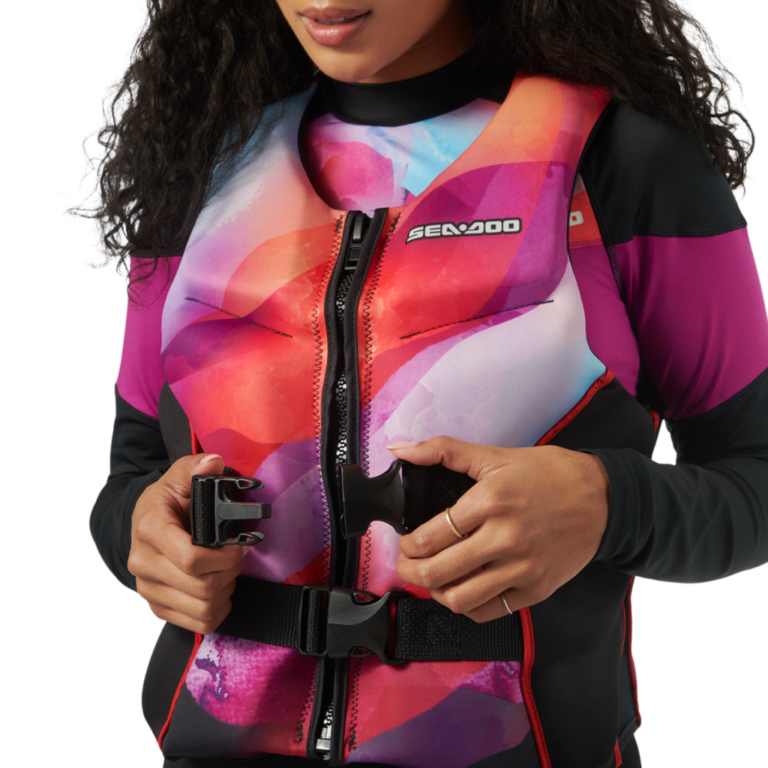
How To Measure For A Kayak Life Jacket: Fit Guide
Measure chest, torso, and weight; choose a snug, non-restrictive fit and test lift and mobility.
As a paddler and guide with years on rivers and open water, I know that knowing how to measure for a kayak life jacket keeps you safe and comfortable. This guide walks you through every measurement, explains fit tests, and shares tips from real trips to help you pick the right life jacket for your kayak adventures.
Why proper measurement matters
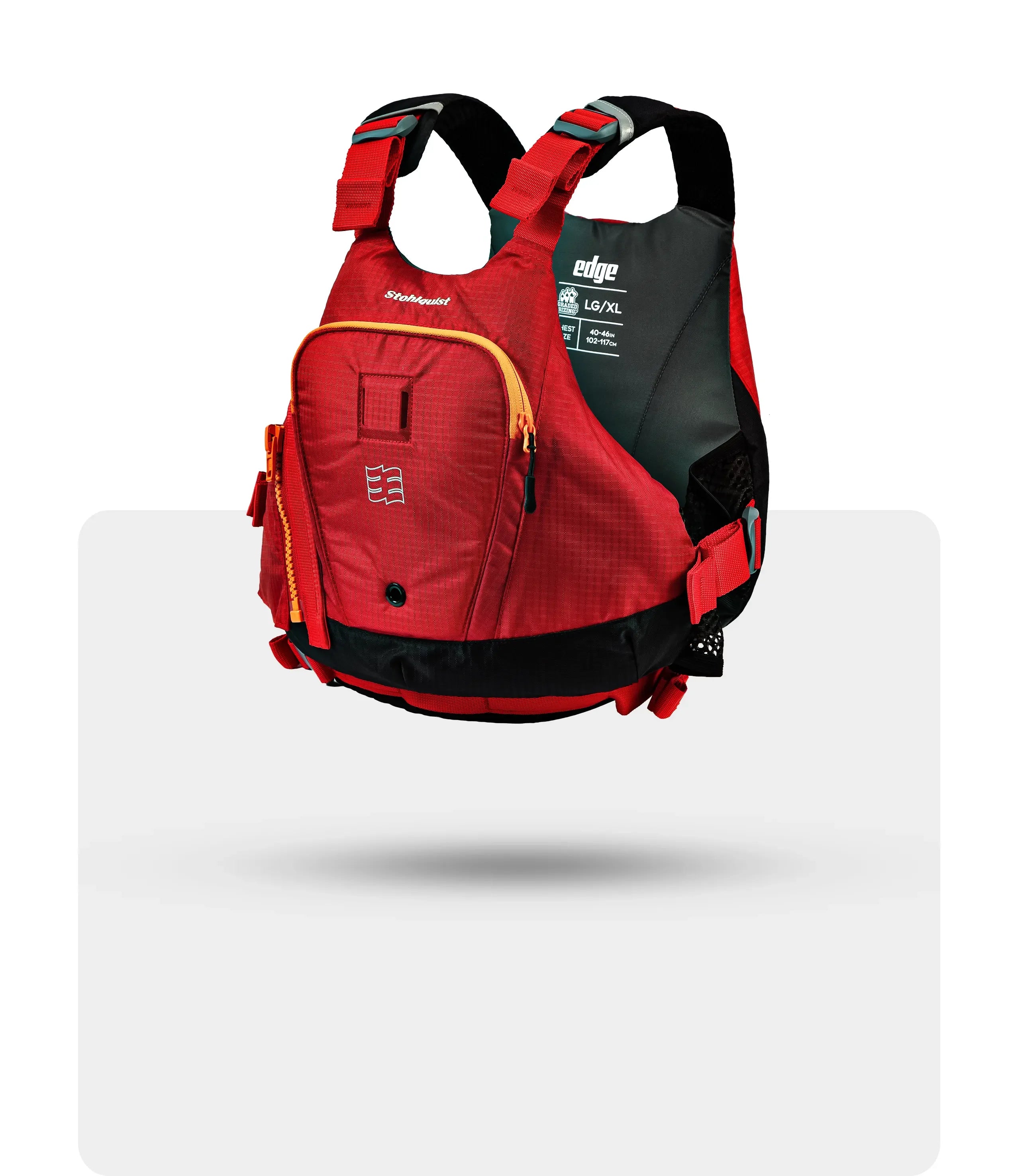
A life jacket must keep you afloat and let you move freely. If it is too loose, it can slip off. If it is too tight, it can limit breathing and paddling.
Knowing how to measure for a kayak life jacket cuts risk and improves comfort. A correctly sized PFD keeps your airway clear and helps rescuers turn you face-up when needed.
Tools you need to measure
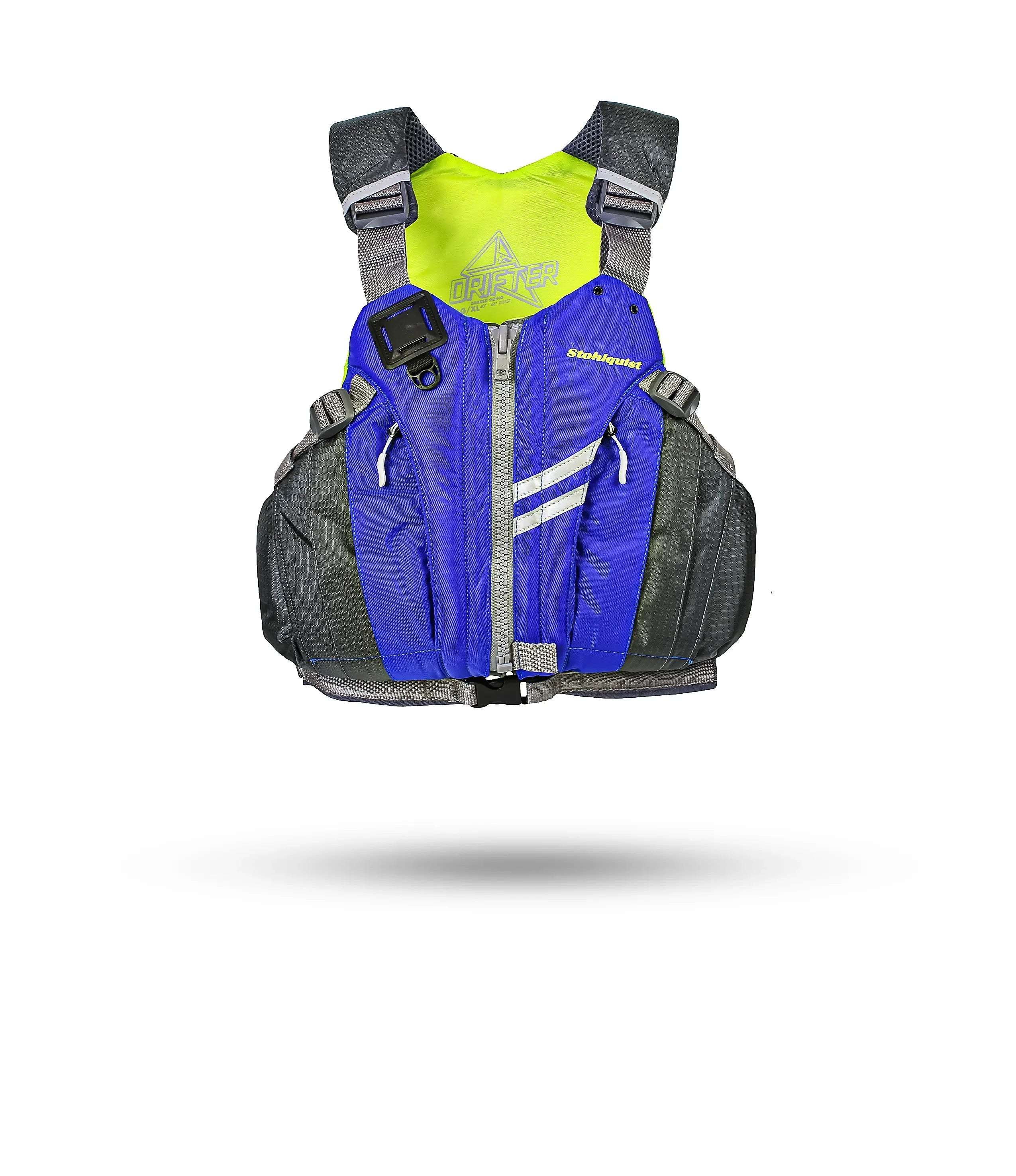
Use simple tools. You need a soft tape measure, a scale, and a mirror or helper. Wear thin clothing or the layer you plan to paddle in.
Keep pen and paper or your phone to record numbers. These basics make how to measure for a kayak life jacket fast and accurate.
Step-by-step: How to measure for a kayak life jacket
-
Measure chest (bust)
Sit or stand relaxed. Wrap the tape around the widest part of your chest. Breathe normally and read the number in inches or centimeters. -
Measure torso (back length)
Bend forward slightly. Have a helper find the base of your neck (C7 vertebra). Measure down the spine to the top of your hip bone. This is your torso length. -
Weigh yourself
Use a reliable scale. Record weight in pounds or kilograms. Many PFD size charts use weight as a key factor. -
Measure waist and hips (if relevant)
Wrap tape at the natural waist and the widest part of hips. This helps with jackets that have adjustable belts or longer cut designs. -
Check shoulder to crotch distance (for certain rescue suits)
Some designs require the distance from shoulder to crotch. Measure from shoulder seam down through legs to top of the leg crease. -
Record and compare to the brand size chart
Every maker has different cut and fit. Use your measurements to pick the exact size on their chart.
How to measure for a kayak life jacket is mostly about accuracy and honesty. If you are between sizes, try both sizes on and perform fit checks.
Quick fit checklist after measuring
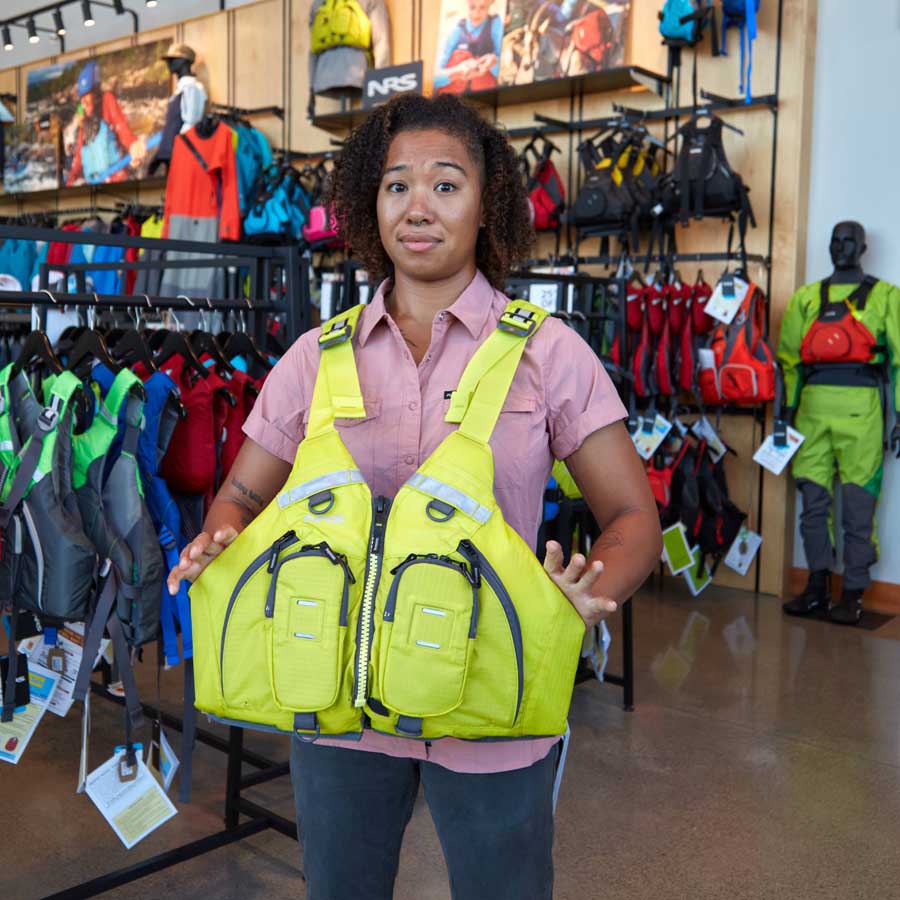
- Lift test: With jacket on, have a helper lift your arms under the armholes. The jacket should not ride above your chin or ears.
- Mobility test: Paddle or mimic paddling motions. Check reach and shoulder rotation.
- Comfort test: Fasten all straps. You should be snug but able to take deep breaths.
Sizing charts and types of PFDs
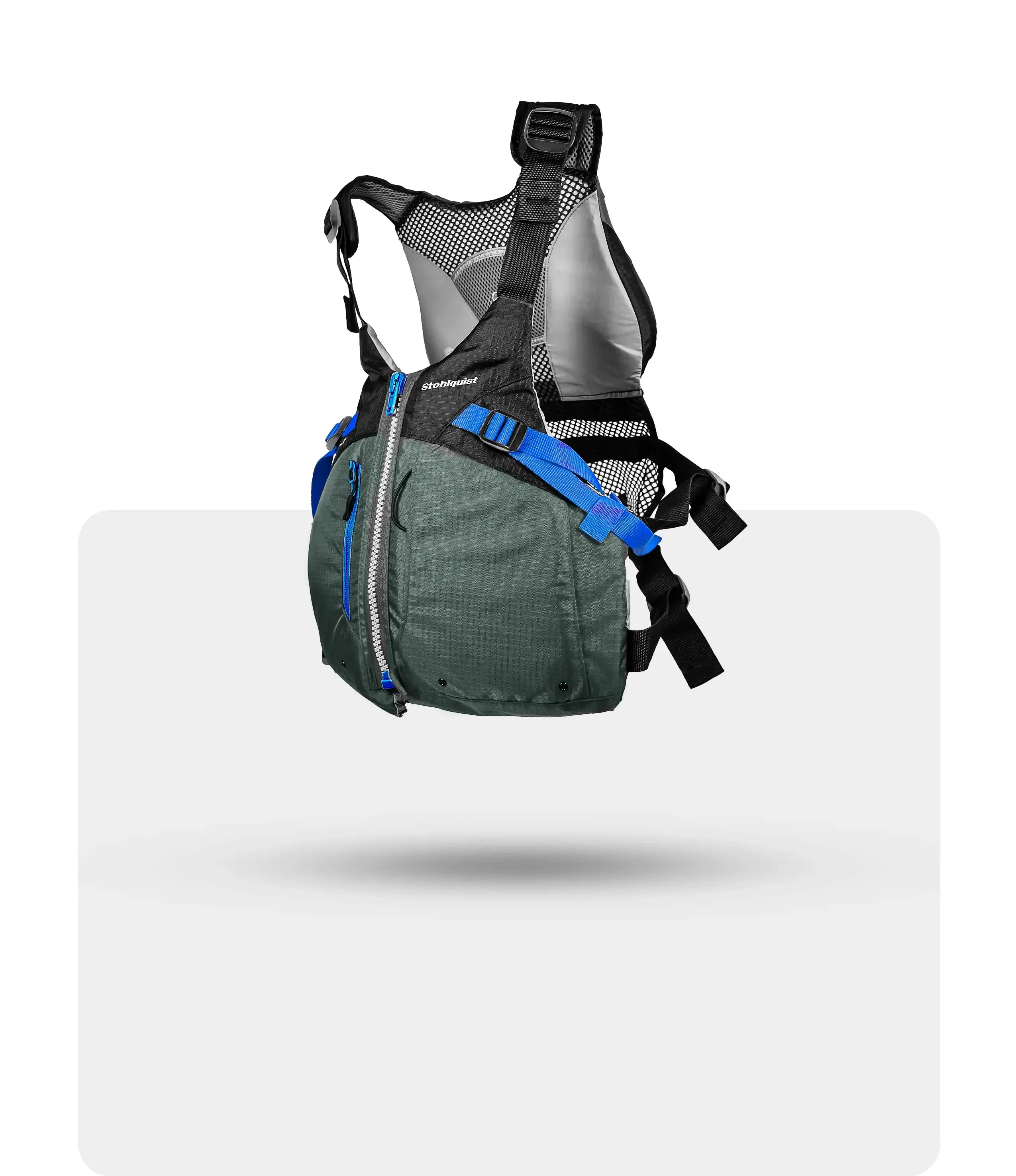
There are common PFD types for kayaking:
- Type II: Near-shore buoyant vest for calm water.
- Type III: Common kayaking PFD with freedom to move.
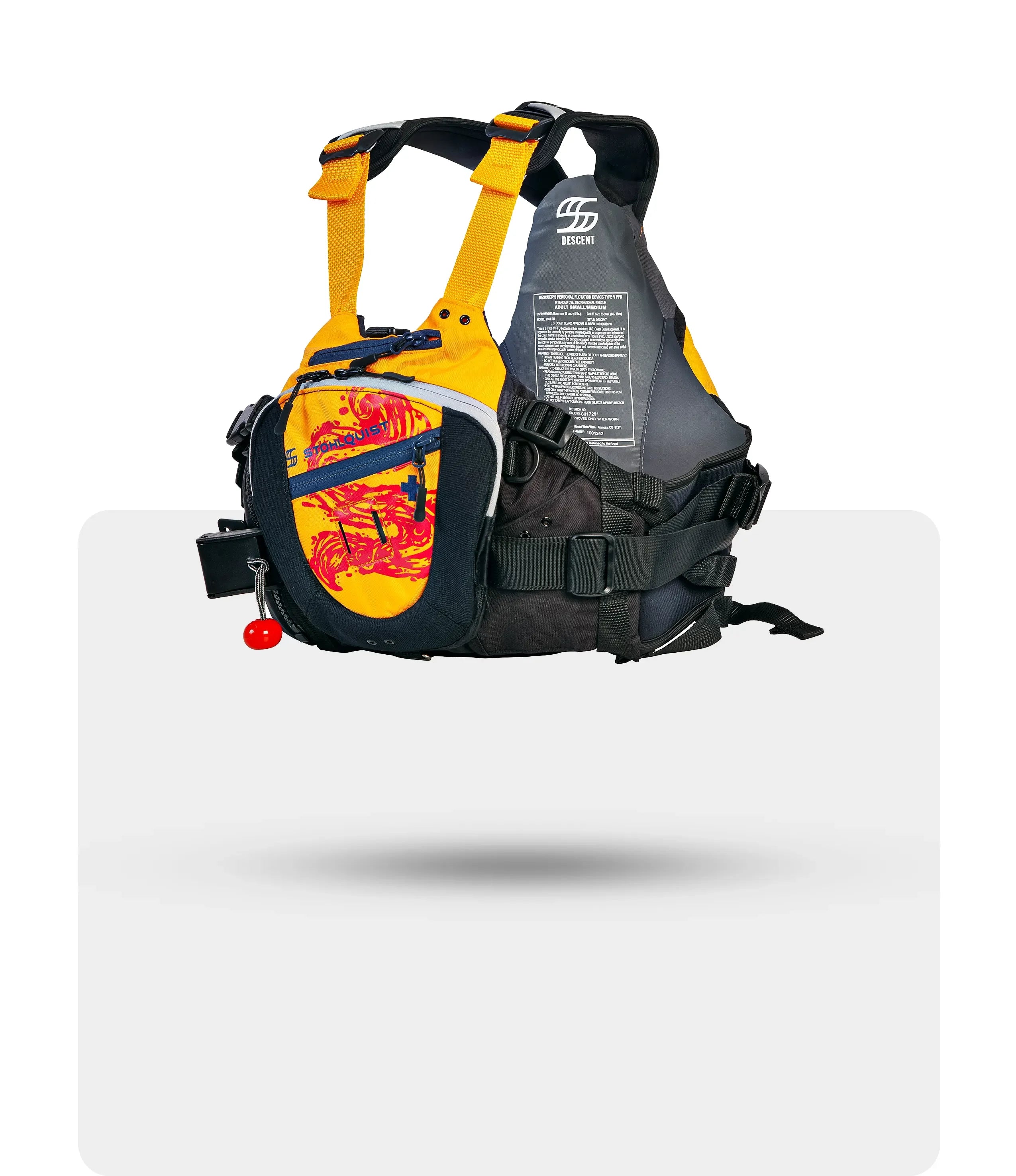
- Type V: Specialty vests for whitewater or offshore use.
Check weight and chest ranges in a size chart. How to measure for a kayak life jacket ties directly to these two numbers. Manufacturers list chest, weight, and sometimes torso. Match all three when possible.

Fit tests and practical checks on water
Do a static and dynamic fit test. Static test is on land with a partner doing the lift test. Dynamic test means wearing the jacket while getting in and out of the kayak and while paddling.
If you can, test the jacket in shallow, calm water. Practice re-entry or wet-exit drills. These tests show whether the jacket helps or hinders real movement. How to measure for a kayak life jacket still matters after buy — real testing seals the deal.
People also ask
Will a life jacket fit over a drysuit?
Yes. Measure over the layers you will wear. Choose a size that fits with all layers on.
How tight should the straps be?
Straps should be snug but not painful. You should be able to take a deep breath.
Can I alter a PFD for a better fit?
Minor strap adjustments are fine. Major alterations change buoyancy and are not recommended.
Common mistakes and how to avoid them
Choosing by label only
Relying only on "small" or "medium" can lead to poor fit. Always measure chest, torso, and weight.
Ignoring torso length
A jacket that is too short can ride up. Measure torso to avoid flip hazards.
Buying for future weight loss or gain
Buy for current, typical weight and regular clothing. If you plan a large weight change, plan to re-measure.
Neglecting movement checks
A PFD that fits on a hanger can still restrict paddling. Try real motions before you buy.
How to measure for a kayak life jacket helps prevent these mistakes.
Personal tips and lessons from experience
From guiding groups, I learned three things fast. First, test PFDs in water when possible. Second, prefer adjustable models for families and rentals. Third, track measurements for each paddler in a small log.
I once paddled with a jacket that passed the chest size but failed the torso test. It rode up during a capsize and made re-entry hard. Since then, I check torso length first.
How to measure for a kayak life jacket saved a friend from a dangerous slip. Take measurements seriously. A small time investment pays in safety.
When to replace or upgrade your life jacket
Replace if:
- Fabric is torn or foam is compressed.
- Straps, buckles, or zippers fail.
- The jacket no longer meets your activity needs.
Upgrade when moving to a different paddling style. Whitewater, sea kayaking, and fishing have different PFD needs. How to measure for a kayak life jacket applies each time you upgrade. Re-measure after weight change, pregnancy, or large clothing changes.
Frequently Asked Questions of How to Measure for a Kayak Life Jacket?
How tight should my kayak life jacket be?
The life jacket should be snug. You should not be able to pull it up over your chin when fastened. You must be able to breathe and move your arms freely.
Can kids use adult life jackets if they fit?
No. Child PFDs are designed for a child's body and floatation needs. Always use a properly sized youth PFD for kids and infants.
Do I measure over clothes or bare skin?
Measure over the clothes you will usually wear while paddling. Thin layers are best for accurate fit. Bulky layers can give false readings.
How often should I re-measure my PFD size?
Re-measure after major weight change, pregnancy, or when you change paddling layers. Also re-check yearly if you paddle often. Fit can shift with wear.
Is a labeled size reliable across brands?
Not always. Sizes vary by brand and model. Always compare your chest, torso, and weight to the maker’s chart before choosing.
Can a life jacket be too buoyant for kayaking?
Too much buoyancy can push you into a rigid position and make paddling awkward. Choose a PFD designed for kayaking with balanced buoyancy.
Conclusion
Measuring right is simple but crucial. Measure chest, torso, weight, and test on land and water. Use charts and real movement checks to pick a PFD that keeps you safe and lets you paddle well.
Take action now: measure yourself or your paddlers, compare to size charts, and test a few models. Share your measurements or questions below, or subscribe for more practical paddling tips and gear guides.