How To Wear A Life Jacket Correctly?: Essential Fit Tips
Put it on snugly, zip or buckle every fastener, tighten straps, and test in shallow water.
I’ve taught boaters, guided families, and tested gear on the water for years. This guide explains exactly how to wear a life jacket correctly, with step-by-step practice, safety checks, and real-world tips you can trust. Read on to learn simple actions that keep you safe and confident while boating, fishing, or enjoying water sports.
Why wearing a life jacket correctly saves lives
A life jacket only works when fitted and worn the right way. Getting the fit, fastenings, and posture correct lets the jacket keep your airway clear and your head above water. Small adjustments make a big difference in a sudden fall-overboard or rough water.
Types of life jackets and when to use them
Different jackets suit different activities and bodies.
- Type I: Offshore, high buoyancy, best for rough seas and long rescue times.
- Type II: Near-shore, good for calm waters and quick rescue.
- Type III: Recreational, comfortable for sports, requires conscious wearers.
- Throwable: For boats, not for wearing; used to assist a person in the water.
Choose the right type before focusing on how to wear a life jacket correctly? The right jacket for the activity and your weight improves effectiveness.
Step-by-step: How to Wear a Life Jacket Correctly?
Follow these steps every time you put a life jacket on. Practice them on land and re-check on the water.
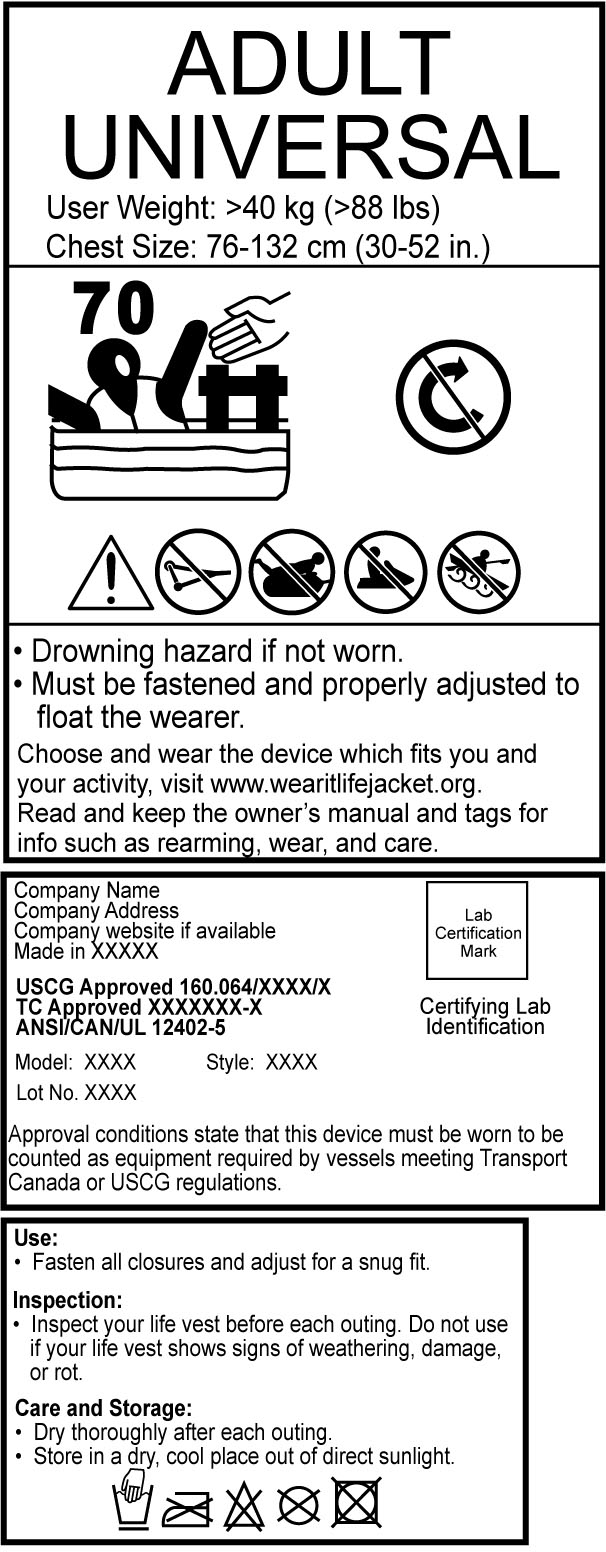
- Choose the right size and type. Match the jacket to your weight, chest size, and activity.
- Inspect the jacket. Look for rips, foam delamination, broken buckles, or missing straps.
- Put it on like a vest. Slide your arms through the armholes and center the jacket on your torso.
- Zip or close the main fastener. Secure the zipper first, then any buckles or velcro.
- Tighten straps snugly. Pull straps so the jacket fits close to the body without cutting circulation.
- Secure any crotch or crotch-like strap for youth and offshore jackets. This prevents the jacket from riding up.
- Perform the tug test. Have a partner grab the shoulders and pull; the jacket should not lift above your chin.
- Check mobility. Make sure you can move your arms for paddling or grabbing while the jacket stays secure.
- Test in shallow water if possible. Confirm the jacket turns you face-up and keeps your airway clear.
- Re-check every 30–60 minutes on long trips. Straps can loosen with movement or heavy clothing.
Repeat these steps to master how to wear a life jacket correctly? Practice is the key to fast and correct donning in an emergency.
Common mistakes and how to avoid them
Avoid these typical errors to make your life jacket effective.
- Wearing the wrong size. A jacket too large will ride up; too small won’t float you properly.
- Leaving zippers or buckles undone. An unfastened jacket can come off in the water.
- Wearing it under bulky clothing. Outer fit matters; don’t hide the jacket under heavy coats.
- Skipping the crotch strap for children. That strap prevents head submersion in waves.
- Assuming inflatable jackets are always active. Manual inflatables must be armed and checked before use.
Knowing these pitfalls improves your ability to wear a life jacket correctly? Fixing one small habit can save a life.
Inspection, care, and maintenance
Routine checks keep a jacket reliable.
- Inspect before each season and after heavy use. Check seams, zippers, foam, and buckles.
- Clean with fresh water and mild soap. Rinse salt, sunscreen, and grime to prevent material breakdown.
- Dry completely before storage. Store in a cool, dry place away from direct sunlight.
- Replace or service inflatables per manufacturer rules. Expired canisters or damaged bladders reduce buoyancy.
- Retire jackets with crushed foam or severe wear. Don’t patch critical buoyancy seams.
Maintaining your gear supports long-term confidence about how to wear a life jacket correctly? A well-cared jacket performs when you need it most.
Personal experience and practical tips
I once watched a group boarding a small skiff where three people had loose jackets. I stopped them. Tightening the straps and testing in shallow water took two minutes and gave everyone peace of mind. From that day I insist on a quick tug test before casting off.
Lessons I learned working with families and guides:
- Teach kids by practice, not just rules. Let them feel the tug test.
- Mark your vest with your initials. It reduces confusion on busy boats.
- Keep a spare jacket in case one gets waterlogged or damaged.
These real-life steps show how to wear a life jacket correctly? Practice, check, and repeat until it’s second nature.
Quick questions people ask (PAA-style)
How tight should a life jacket be?
A life jacket should be snug but not choking. Tighten straps so the vest stays low on your torso and does not ride up when pulled.
Can I wear a life jacket over a heavy coat?
Wearing a jacket over thick clothing reduces effectiveness. Either choose a jacket sized to fit over the coat or remove bulky outerwear for a proper fit.
How do I know if an inflatable will work?
Check the arming status, inflation canister, and service date. Test manual deployment only in a safe, controlled way per manufacturer instructions.
Frequently Asked Questions of How to Wear a Life Jacket Correctly?
How do I pick the right size?
Select a jacket rated for your weight and chest size. Many jackets have size charts; follow them and try the jacket on before use.
Are inflatable life jackets safe for kids?
Inflatable jackets are not always the best for kids. Choose inherently buoyant jackets with crotch straps for young children and non-swimmers.
What is the tug test and why does it matter?
The tug test involves a partner pulling up on your shoulders. If the jacket lifts above your chin, it is too loose and won’t keep your airway clear.
Can I alter a life jacket for a better fit?
Do not cut or alter buoyant material or stitching. Adjust straps as designed; for significant fit issues, replace the jacket with the correct size.
How often should I replace my life jacket?
Replace a jacket if foam is damaged, fabric is torn, or inflatable components are past service dates. Regular inspection determines when replacement is needed.
Conclusion
Wearing a life jacket correctly saves time, worry, and lives. Choose the right type and size, follow the step-by-step fit routine, inspect gear often, and practice the tug test until it becomes automatic. Commit to these simple actions on every trip. Try these steps on your next outing, share your experience, and subscribe or comment below to learn more safety tips.