How To Tighten A Life Jacket Properly: Quick Fit Tips
Tighten a life jacket properly by snugging it around your torso, securing all straps, and testing movement.
I’ve taught and tested life jacket fit for years on boats and by the shore. This guide explains exactly how to tighten a life jacket properly, why it matters, and how to check fit and function so you stay safe and comfortable on the water. Read on for clear steps, practical tips, and real-life lessons from experience.
Why proper fit matters
A life jacket that is loose or poorly adjusted can slip off or ride up in the water. Tightening a life jacket properly keeps it in place, positions flotation where it’s needed, and helps keep your airway clear if you’re in the water.
A good fit also improves mobility and reduces the chance of hypothermia by keeping your head and chest in the right alignment. Safety organizations and manufacturers stress fit as the single most important factor for life jacket effectiveness.
Step-by-step: How to tighten a life jacket properly
Follow these clear steps every time you wear a life jacket. These steps explain how to tighten a life jacket properly for adults and children.
- Inspect the jacket
- Check for tears, missing buckles, and worn straps.
- Make sure all adjustment points are present and functional.
- Put the jacket on correctly
- Slide your arms through the armholes.
- Close any front zippers and fasten buckles first.
- Locate adjustment points
- Find side straps, shoulder straps, and crotch or waist straps. Different jackets use different systems.
- Tighten torso straps first
- Pull each side strap evenly until the jacket hugs your chest.
- Aim for snug but not so tight that breathing is restricted.
- Adjust shoulder straps if present
- Shorten shoulder straps so the jacket sits high enough to support your chin if you’re unconscious.
- Avoid over-tightening; you should still move your shoulders easily.
- Fasten and adjust crotch or waist straps
- Use the crotch strap on children’s jackets and some adult vests to prevent the jacket from riding up.
- Tighten until secure and comfortable.
- Check buckles and knots
- Make sure buckles click and stay locked.
- Tuck excess webbing away so nothing snags.
- Perform a fit test
- Have a partner lift your jacket by the shoulders. If it slides over your chin or head, tighten more.
- Move your arms and bend over to ensure freedom of movement while keeping the jacket secure.
- Final buoyancy check (shallow water or pool)
- With supervision, float or try a gentle lean-back to ensure the jacket keeps your airway clear.
- Re-adjust as needed.
Practicing these steps repeatedly helps you tighten a life jacket properly faster and with confidence.
Different types of life jackets and where to tighten them
Knowing your jacket type helps you tighten a life jacket properly.
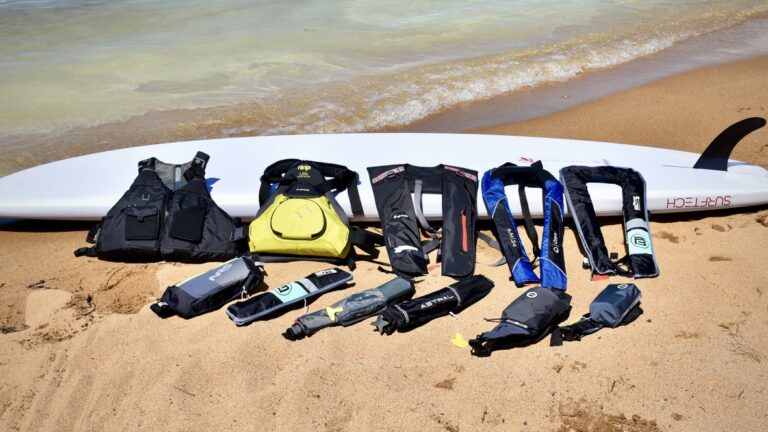
- Foam (inherently buoyant) life jackets
- Usually have side and shoulder straps. Tighten side straps first and then shoulder straps.
- Inflatable life jackets
- Often use waist belts and back panels. Tighten the waist belt snugly and ensure the inflation mechanism is accessible.
- Hybrid jackets
- Combine foam and inflatable parts. Adjust foam fit like a foam vest and secure inflatable components per instructions.
- Children’s and infant jackets
- Use crotch straps and smaller shoulder adjustments. Tighten more than you think is necessary to prevent riding up.
Adjust each type according to the manufacturer’s instructions while keeping the core rule: tighten a life jacket properly so it sits high on the chest and cannot be pulled over the head.
Common mistakes and how to avoid them
Avoiding simple errors helps you tighten a life jacket properly every time.
- Mistake: Leaving straps loose
- Fix: Pull every strap until snug and perform the lift test.
- Mistake: Over-tightening and restricting breathing
- Fix: Tighten enough to secure but leave room for deep breaths.
- Mistake: Wrong jacket size
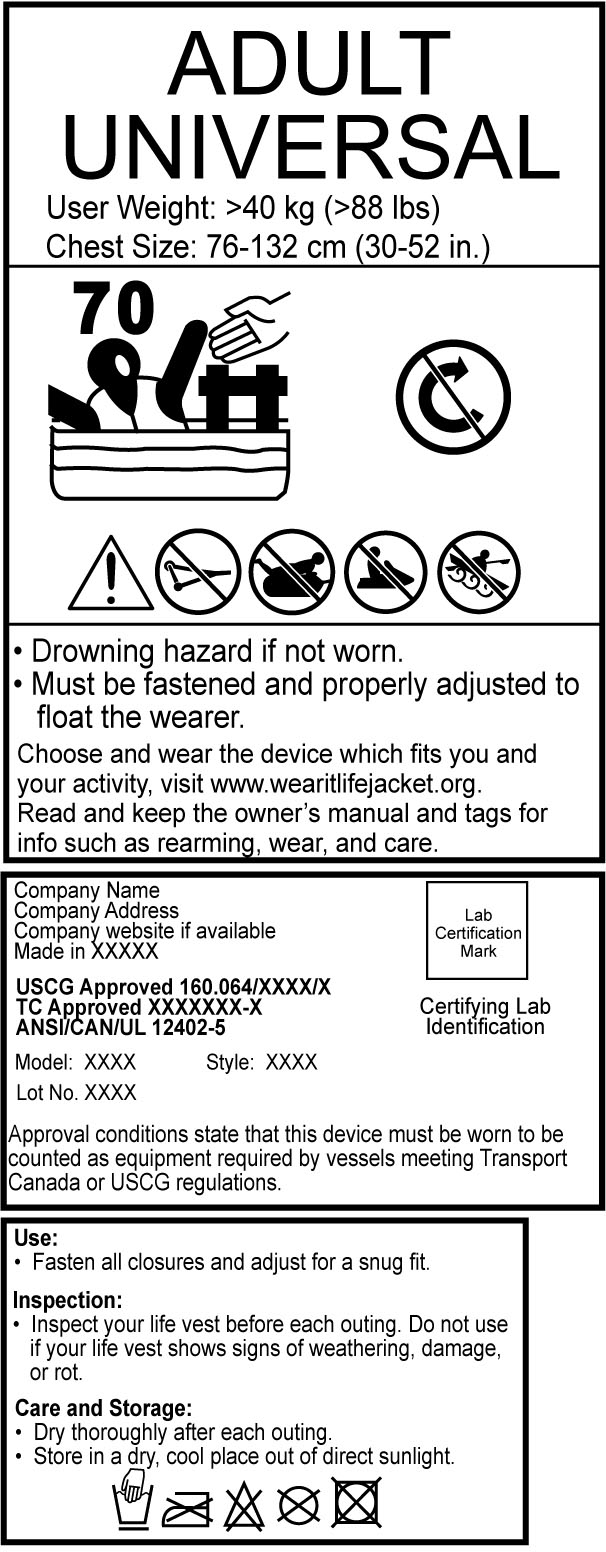
- Fix: Always choose a size rated for your weight and chest size.
- Mistake: Ignoring crotch straps on small children
- Fix: Use crotch straps and adjust them firmly to stop the jacket from riding up.
- Mistake: Not checking inflation mechanisms on inflatables
- Fix: Inspect inflators and CO2 cartridges regularly.
From my experience, the most common user error is assuming the jacket is fine without testing it under real movement. Always test motion and do the lift check.
Testing fit and safety checks before getting on the water
Do quick checks every time you tighten a life jacket properly.
- Lift test
- Have someone lift the jacket by the shoulders. If it slips over your chin, tighten more.
- Movement test
- Walk, raise arms, and bend over to confirm freedom of movement and security.
- Buoyancy test
- In a controlled shallow area, test floating posture to ensure the jacket keeps your head above water.
- Visual inspection
- Look for frayed webbing, cracked buckles, and expired inflator cartridges.
- Balance with other gear
- Make sure the jacket fits with a wetsuit, clothing, or harness you plan to wear.
These checks reduce surprises and make sure you tighten a life jacket properly for the conditions.
Maintenance tips to keep adjustment systems working
A well-maintained jacket is easier to tighten a life jacket properly when you need it.
- Rinse after saltwater use to prevent corrosion.
- Dry thoroughly before storage to avoid mold and degraded webbing.
- Lubricate moving buckles if they stick (use recommended product).
- Replace damaged straps and broken buckles immediately.
- Service inflatable jackets annually or per the manufacturer’s schedule.
Storing jackets flat and away from sunlight helps preserve webbing and labels that guide proper tightening.
Quick questions people also ask
How tight should a life jacket feel?
A life jacket should feel snug around your torso but not so tight that you can’t breathe. You should be able to move your arms freely while the jacket stays in place.
Can I tighten a life jacket too much?
Yes. Over-tightening can restrict breathing and circulation. Tighten enough for security, then test breathing and movement.
Do inflatable jackets need different tightening?
Inflatable jackets often use waist belts and require a snug belt fit. Follow the jacket instructions and ensure the inflation mechanism is accessible.
Frequently Asked Questions of How to Tighten a Life Jacket Properly?
What is the simplest way to test if the jacket is tight enough?
Have a partner lift the jacket by the shoulders; if it doesn’t slide over your chin or head, it’s tight enough.
Should children’s life jackets be extra tight?
Yes. Children’s jackets should be snug and use crotch straps to prevent the jacket from slipping up in the water.
How often should I inspect straps and buckles?
Inspect straps and buckles before each use, and perform a thorough check monthly if you use the jacket often.
Can I tighten a life jacket while wearing other gear like a harness?
Yes, but check that the jacket still fits correctly with the additional gear on and that straps don’t interfere with harness attachments.
Is there a weight-based rule for tightening?
Follow the size and weight recommendations on the jacket label, then tighten until the lift and movement tests pass.
Conclusion
Tightening a life jacket properly is simple but critical. Inspect the jacket, close zippers and buckles, snug torso and shoulder straps, use crotch straps when needed, and always perform the lift and movement tests. From my own time on boats and testing gear, the habit of checking fit before every outing has prevented uncomfortable rides and kept people safer.
Take action now: practice these tightening steps on land, test your jacket in controlled conditions, and make proper fit a routine. If you found this helpful, try the steps next time you prepare for the water and share your experience or ask a question below.