How To Select A Life Jacket For Jet Skiing?: Best Fit Tips
Choose a USCG-approved, snug, and activity-specific PFD sized for your weight and comfort.
I have taught riders and tested gear across lakes and oceans. I will walk you through How to Select a Life Jacket for Jet Skiing? with clear steps, real checks, and tips you can use today. Read on to pick a jacket that keeps you safe and lets you enjoy the ride.
How to Select a Life Jacket for Jet Skiing? — Why the right choice matters
Choosing the correct PFD cuts risk fast. A life jacket must keep you afloat, protect your spine in falls, and stay on in waves. US Coast Guard approval is a key safety baseline. Knowing how to select a life jacket for jet skiing? helps you match safety to speed and conditions.
How to Select a Life Jacket for Jet Skiing? — Understand PFD types
Learn the common types so you can choose right.
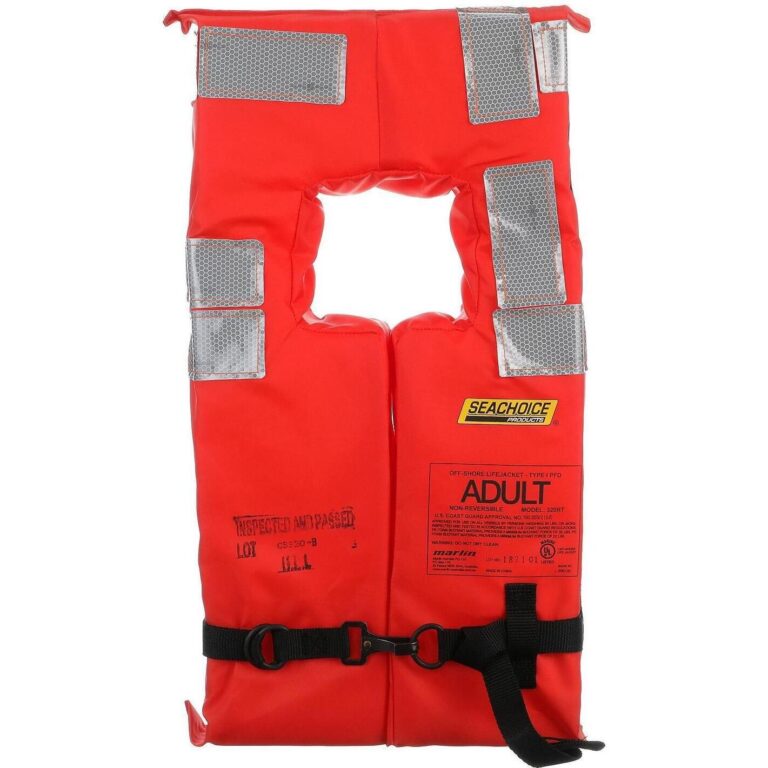
- Type I: Offshore, high buoyancy, for rough water and unconscious victims.
- Type II: Near-shore, less buoyancy, best for calm waters.
- Type III: Designed for active sports like jet skiing. Comfortable and allows movement.
- Type V: Special-use devices, often inflatable or harness-style for specific activities.
For jet skiing you will most often choose a Type III or a Type V made for water sports. Knowing how to select a life jacket for jet skiing? means starting with the right PFD category.
Key features to look for when choosing a jet ski life jacket
Focus on fit, safety features, and durability.
- USCG approval: Ensures tested buoyancy and performance.
- Proper buoyancy rating: Enough to keep you afloat based on weight and clothing.
- Secure closures: Strong zippers plus buckles that won’t pop open on impact.
- High cut at the hips: Lets you sit comfortably on a jet ski seat.
- Collar or neck support: Useful if you want more head support; may limit neck motion.
- Bright color and reflective tape: Improves visibility in day and night rescues.
How to select a life jacket for jet skiing? Prioritize a jacket with these features to match the demands of speed and splash.
Fit and sizing guide — getting the jacket to stay on and work
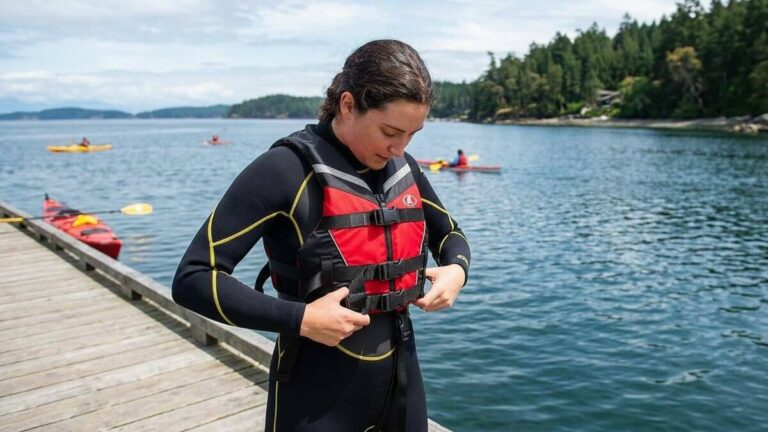
Fit matters more than style. A loose jacket can slip off after a fall. A tight jacket can restrict breathing.
- Measure chest: Wrap a tape around the fullest part of the chest. Use that number for sizing.
- Try it on with gear: Wear the jacket with a wet suit or base layers you commonly use.
- Lift test: Have someone lift your arms while they pull up the jacket at the shoulders. It should not ride up over your chin or face.
- Movement test: Sit, twist, and mimic mounting a ski. You must have freedom to move.
Repeat the lift and movement tests every time you try a new model to be sure. If you still ask how to select a life jacket for jet skiing? follow these fit checks before buying.
Materials, inflation types, and maintenance
There are two main construction approaches.
- Foam PFDs: Solid foam, lower maintenance, always buoyant, ideal for active use.
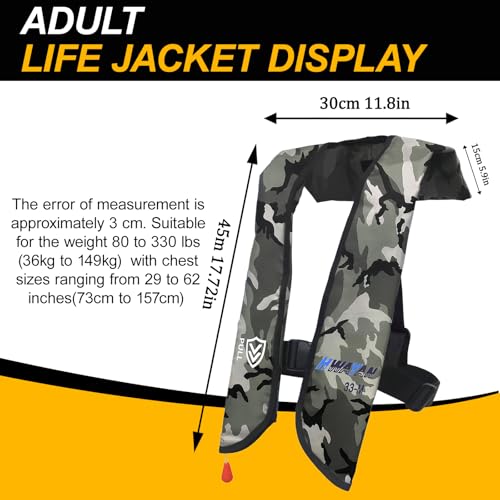
- Inflatable PFDs: Lighter and less bulky, but need regular inspection and may not be allowed in all areas for primary flotation.
Materials and care tips: - Nylon shell: Tough and dries fast.
- Neoprene panels: Add comfort and reduce chafe.
- Inspect inflators, CO2 cartridges, and seams yearly.
- Rinse with fresh water and dry in shade to extend life.
Choosing between foam and inflatable is part of learning how to select a life jacket for jet skiing? based on comfort, rules, and personal preference.
How to test a life jacket before riding
Do simple checks to avoid surprises on the water.
- Visual inspection: Look for tears, cracked seams, and corroded snaps.
- Fit checks: Use the lift test and ensure the jacket fits snugly.
- Float test (pool): Put the jacket on in shallow water. Practice leaning back and floating. Ensure the jacket keeps your head clear of water.
- Functional checks: Test zippers and buckles, and for inflatables verify the locking mechanism.
These steps answer practical parts of how to select a life jacket for jet skiing? by validating real-world performance.
Buying tips, certifications, and budget considerations
Spend on safety, but stay practical.
- Prioritize USCG approval and sport design over brand name.
- Consider jackets made specifically for PWC riders with high-cut backs and extra hip mobility.
- Replace jackets older than manufacturer recommendations or with failed inspections.
- Budget: A quality foam PFD is affordable. Inflatable models cost more and need upkeep.
If you want a quick rule for how to select a life jacket for jet skiing? buy USCG-approved gear tailored for sports use and try it on before purchase.
Personal experience: lessons learned and common mistakes to avoid
I once rode with a jacket that fit when dry but rode up after a heavy fall. It worried me until I switched to a sport cut. Lessons I learned:
- Always test a jacket in water before trusting it on open water.
- Don’t choose a jacket just for looks. Bright color and reflectors matter.
- Replace a jacket after a hard impact or visible damage.
These examples show practical sides of how to select a life jacket for jet skiing? from someone who has tested gear in rough conditions.
Extra checks for groups, kids, and rental gear
Riding with others raises new needs.
- Kids need child-specific PFDs sized to weight and chest size.
- Renters: Inspect the rental jackets carefully. Do not accept missing inspections or torn straps.
- Group rides: Ask everyone to wear the correct PFD and carry a whistle or signaling device.
These measures complete the picture of how to select a life jacket for jet skiing? for every rider group.
Frequently Asked Questions of How to Select a Life Jacket for Jet Skiing?
What type of PFD is best for jet skiing?
A Type III PFD made for sports is usually best. It balances flotation and mobility for active riders.
Is USCG approval required for jet ski life jackets?
Yes, USCG approval is the standard indicator that the PFD meets safety tests. Check the label before buying.
Can I use an inflatable PFD for jet skiing?
You can, but only if it is rated for primary flotation and approved for your activity. Inflatable PFDs need more upkeep.
How should a jet ski life jacket fit?
It should fit snugly around your chest without riding up when lifted. Test fit with the clothes you will wear on the water.
When should I replace my life jacket?
Replace after visible damage, failed inspections, or when the manufacturer’s lifespan expires. Also replace if it no longer passes fit or float tests.
Conclusion
Choosing the right PFD is about safety, fit, and common sense. Use USCG-approved, sport-specific jackets. Test fit on land and in water. Maintain and replace gear when needed. Act now: try on a few models, perform the lift test, and pick a jacket that helps you ride with confidence. Share your questions or experiences below and sign up for updates on safety tips.