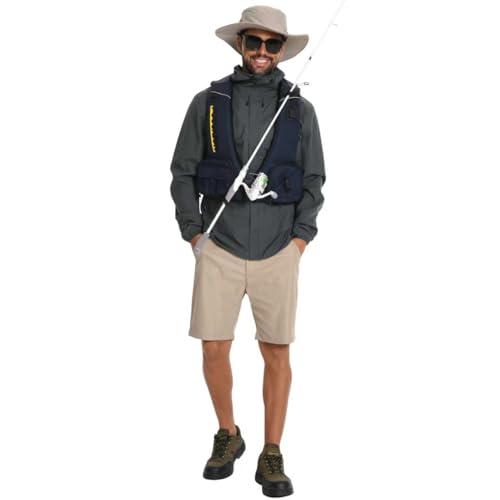
How To Prevent Life Jacket From Riding Up: 7 Simple Fixes
Adjust straps snugly, use the crotch strap, choose the right size, and secure all fasteners.
I have fitted hundreds of life jackets and helped people stay safer on the water. This article explains exactly how to prevent life jacket from riding up? in clear, easy steps. You will learn why jackets ride up, how to fit and adjust one for different activities, simple fixes and safe modifications, plus real-world tips I’ve used on boating trips. Read on to make your life jacket stay put and keep you comfortable and secure.
Why life jackets ride up and what that means
Life jackets ride up when buoyant material lifts toward the chin and neck. This reduces face-up floatation and can interfere with breathing. Understanding the mechanics helps you stop the problem before it starts.
Why this happens:
- Buoyancy placement pulls the jacket upward when a body is vertical.
- Loose belts, broken straps, or wrong size let the jacket shift.
- Movement in waves, when swimming, or falling forward can allow upward migration.
The key to solving how to prevent life jacket from riding up? is to control fit, secure points, and movement so buoyancy stays where it belongs.
Choose the right life jacket: type and size matter
Picking the correct type is step one in preventing riding up. Different jackets fit and perform differently.
How to pick:
- Pick a life jacket rated for your activity, such as Type III for watersports or Type V for specialized use.
- Choose the correct size by weight and chest measurements, not by clothing size.
- Try the jacket on standing and with a partner gently lifting at the shoulders to test for upward movement.
How to prevent life jacket from riding up? starts with choosing a jacket designed to fit snugly for your body and intended activity.
Proper fit and adjustment steps
A good fit is the most reliable way to stop a life jacket from riding up. Follow these steps every time you wear it.
Step-by-step fit check:
- Put the jacket on and zip or fasten all closures.
- Tighten the waist and side straps until snug but not restrictive.
- Fasten and adjust the crotch strap when available; this prevents upward migration during vertical pulls.
- Tighten shoulder straps so the collar rests close to your neck without pushing your chin up.
- Have a partner lift the jacket at the shoulders; if it moves past your ears, tighten straps or try a smaller size.
Repeat a quick fit test each time you wear the jacket. Learning how to prevent life jacket from riding up? means practicing these adjustments until they feel natural.
Activity-specific tips: boating, kayaking, fishing, and swimming
Different water activities place different stresses on a life jacket. Tailor your setup to match the activity.
Boating and fishing:
- Use a snug-fitting Type III or V with a low-profile fit.
- Keep straps tucked and secured to avoid snagging or loosening.
Kayaking and paddle sports:
- Choose a cut that allows torso rotation while holding tight side and shoulder straps.
- Use a crotch strap for play or whitewater to prevent the jacket from lifting.
Swimming and waterskiing:
- Use a performance vest sized tightly; bulky jackets can ride up when you swim.
- Consider a tow harness or a jacket with a waistband for tow sports.
How to prevent life jacket from riding up? becomes easier when you match jacket features to the motion and forces of your sport.
Modifications, add-ons, and safety-approved fixes
Sometimes small fixes make a big difference. Use approved modifications only, and never alter buoyant foam in a way that voids approvals.
Safe options:
- Add or adjust crotch straps if the jacket has attachment points.
- Use a safety belt or webbing sewn by a certified rigger for heavy-use jackets.
- Install keepers or Velcro tabs to hold loose straps in place.
- Replace damaged buckles, straps, or zippers with manufacturer-approved parts.
Avoid cutting foam or sewing through buoyant panels. These changes can reduce flotation and certification. Understanding how to prevent life jacket from riding up? includes knowing which fixes are safe and which are not.
Maintenance, inspection, and storage to keep fit consistent
A well-maintained jacket fits better and lasts longer. Regular checks prevent problems that can cause riding up.
Routine checks:
- Inspect straps, buckles, seams, and zippers for wear and damage.
- Test buoyancy annually if you use the jacket often.
- Rinse with fresh water after salt or chlorine exposure and dry in shade.
- Store in a cool, dry place away from direct sun to prevent material breakdown.
Good maintenance reduces surprises on the water and helps prevent life jacket from riding up? by preserving fit and function.
Common mistakes to avoid
Many riders unknowingly make the same errors that cause jackets to ride up. Avoid these to stay safe.
Mistakes to avoid:
- Wearing an oversized jacket loosely and relying on it to hold position.
- Ignoring the crotch strap or failing to even try it.
- Over-tightening to the point of restricted breathing.
- Modifying the foam or straps in ways that void certification.
- Not testing upward lift with a partner before entering the water.
Avoiding these errors makes how to prevent life jacket from riding up? clear and practical.
Personal experience: lessons from the water
I once helped a family whose child’s jacket rode up during a capsized canoe. We swapped to a smaller, youth-specific life jacket, added the crotch strap, and practiced fits before heading out again. The child stayed calm and comfortable after that.
What I learned:
- Always test a jacket in a controlled setting before going offshore.
- Small adjustments often solve big problems.
- Teach kids and new boaters how to check fit each time they put on a jacket.
These simple steps show that how to prevent life jacket from riding up? is as much about habit as it is about gear.
Quick questions people also ask
What to check first if my life jacket keeps riding up?
- Check sizing and strap tightness. Tighten shoulder and waist straps and use a crotch strap when possible.
Can I add a crotch strap to any life jacket?
- Only add a crotch strap if there are approved attachment points or have it installed by a certified professional to avoid voiding flotation certification.
Does the jacket type affect riding up?
- Yes. Different jacket types and cuts distribute buoyancy differently. Choose a style suited to your activity.
How often should I inspect my jacket?
- Inspect before each use and perform a detailed check every few months if used often. Replace worn parts promptly.
Are inflatable life jackets more likely to ride up?
- Inflatable jackets can ride up if not sized properly, but many designs include better low-profile fit. Proper adjustment is still crucial.
Frequently Asked Questions of How to Prevent Life Jacket From Riding Up?
Why does my life jacket still ride up even though it fits?
A jacket that fits standing up can still ride up during motion if straps are loose or there’s no crotch strap. Re-check closures and test with a partner lifting at the shoulders.
Is a crotch strap necessary for everyone?
A crotch strap is not mandatory for every jacket, but it is highly recommended for children, whitewater, or situations where vertical lift is likely. It offers the best prevention against upward migration.
How tight should shoulder straps be?
Shoulder straps should be snug enough to stop upward movement without pushing your chin toward your chest. Tighten gradually and test with a partner.
Can I fix a riding-up problem by layering clothing under the jacket?
Bulky clothing can change fit but is not a reliable solution. Proper sizing and strap adjustment are better fixes than depending on layers to hold the jacket down.
What if a life jacket is uncomfortable after tightening?
If tightening makes breathing or movement hard, try a different size or model. Comfort and safety must both be present to prevent riders from loosening straps.
Conclusion
Preventing a life jacket from riding up comes down to three key habits: choosing the right jacket, fitting it correctly, and maintaining secure straps. Practice fit checks, use a crotch strap when possible, and make small, safe fixes rather than risky alterations. Start each outing with a quick lift test and adjust as needed. Try these steps on your next trip, share what worked for you, and consider subscribing or commenting with questions so you can stay safer and more confident on the water.