How To Pick A Life Jacket For Summer Heat: Stay Cool
Choose a breathable, USCG‑approved life jacket with a secure fit and strong ventilation.
I’ve spent years testing gear on lakes and coasts. This guide shows how to pick a life jacket for summer heat with clear steps, safety checks, and comfort tips. You will learn what matters most when the sun is high and the water is warm. Read on to make smart, safe choices for hot-weather boating, paddling, or watersports.
Why the right life jacket for summer heat matters
Hot days change how people use water gear. A life jacket for summer heat must keep you safe and cool. Heat and humidity can make a jacket feel heavy, trap sweat, or cause chafing. Choosing the right jacket reduces fatigue and keeps you focused on staying safe.
- Safety remains the top priority. A cool jacket that floats well keeps you on the surface.
- Comfort boosts compliance. People wear jackets more when they feel light and airy.
- Activity matters. A life jacket for summer heat needs to match your sport and motion.
Key factors to consider when choosing a life jacket for summer heat
Pick a jacket by weighing these core factors. Each point affects both safety and comfort in hot weather.
- Type and approval
- Choose a USCG-approved personal flotation device (PFD) for your activity. Approval ensures tested buoyancy and performance.
- Material and breathability
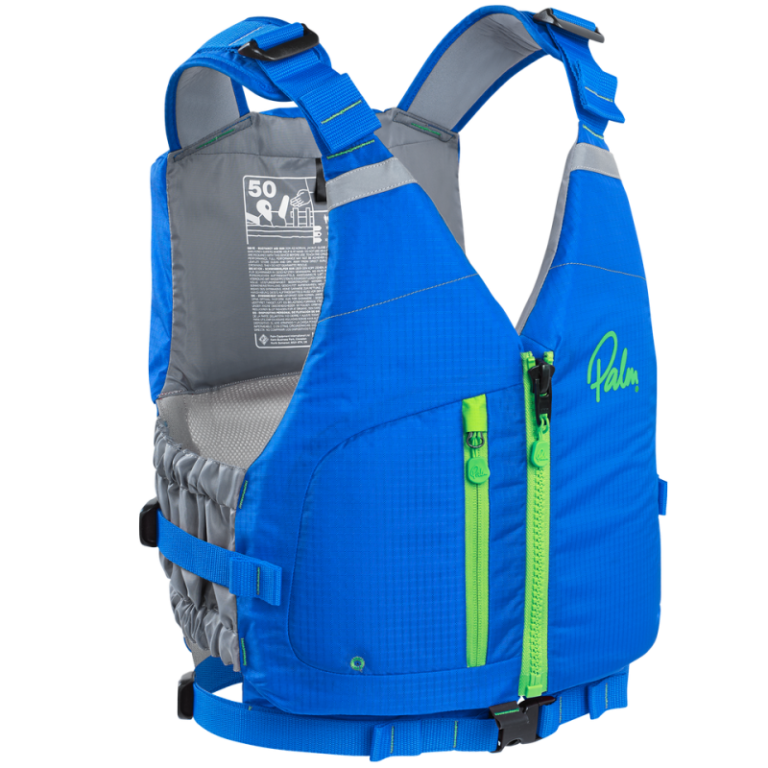
- Look for mesh panels, quick-dry fabrics, and low-bulk foam. These features let air flow and reduce sweat.
- Fit and adjustability
- A snug, secure fit prevents riding up. Adjustable straps allow airflow and a custom fit for light layers.
- Weight and profile
- Low-profile or inflatable designs feel lighter. Foam jackets are reliable but can be warmer.
- Mobility and range of motion
- Ensure the jacket lets you paddle, cast, or swim freely. Armpit cut and flexible panels matter.
- Visibility and safety extras
- Bright colors, reflective tape, and attachment points for whistles or lights add safety in low light.
A good life jacket for summer heat blends these features. Prioritize comfort without sacrificing certified buoyancy.
Types of life jackets and best summer options
Not all PFDs are equal for hot weather. Know the main types and how they behave in heat.
- Foam inherently buoyant jackets (Type II, III)
- Pros: Always buoyant, low maintenance. Cons: Can feel warm and bulky.
- Inflatable PFDs (automatic or manual)
- Pros: Minimal bulk while deflated, very breathable. Cons: Require maintenance and must be used properly.
- Hybrid jackets
- Pros: Combine low-profile foam with inflatable chambers. Cons: More complex care.
- Vest-style and sport cut
- Pros: Designed for mobility and breathability. Great for paddling and wake sports.
For many hot-weather users, an inflatable or low-profile sport jacket works best. If your activity is rough or far from help, choose a jacket with reliable foam buoyancy or a hybrid.
Fit guide and sizing tips for hot weather
Fit keeps you safe and makes the jacket wearable in heat. Follow these steps.
- Try before you buy
- Put the jacket on over a swimsuit or thin shirt. Zip and fasten all straps.
- Check movement
- Raise arms and mimic your activity. The jacket should not ride up over your chin.
- Use the chest and side straps
- Tighten so the jacket stays close to the body but does not pinch.
- Consider layering
- In summer, avoid thick underlayers. Size for the light clothing you will wear.
- Kids and small adults
- Choose the correct child size. Many youth jackets are designed with extra ventilation.
A properly fitted life jacket for summer heat feels like part of your routine, not a burden.
Comfort features and cooling technologies to look for
Modern jackets use clever design to keep you cooler. Watch for these features.
- Mesh-lined back and side panels for airflow
- Perforated foam to allow heat escape
- Quick-dry fabrics and water-shedding outer layers
- Low-profile cuts that reduce contact area
- Ventilated collars and underarm gussets for less sweat buildup
These small details turn a bulky jacket into a comfortable one for a day of sun and activity. Choose features that match your climate and sport.
Maintenance and care to keep jackets cool and safe
Care keeps a jacket reliable and comfortable through seasons. Do simple checks and routine care.
- Rinse freshwater after saltwater use and let the jacket air dry in shade.
- Inspect straps, buckles, and sewing for wear before each season.
- For inflatables, check the CO2 cartridge, bladder, and auto-inflate mechanism per the maker’s schedule.
- Store hanging in a cool, dry place to preserve foam and fabric.
- Replace a jacket if buoyancy is compromised, foam cracks, or fabric is brittle.
Good maintenance makes your life jacket for summer heat last longer and perform better when you need it.
My personal experience and practical tips
I test jackets on rivers and lakes every summer. I learned that small choices matter.
- Mistake I made: buying a bulky foam vest for paddling. It was safe but unbearable in high humidity.
- What worked: a low-profile inflatable with mesh panels for long, hot days on a kayak.
- Tip: always try a jacket with the exact clothing you will wear. That saved me from an ill-fitting buy.
- Tip: keep a small towel and sun shirt nearby. They reduce chafe without adding bulk.
These real lessons shaped my rule: match safety level to environment, then optimize for cooling and movement.
Quick answers to common search questions
What to watch for when shopping quickly.
How soon should I replace a life jacket?
Replace if foam is misshapen, fabric is degraded, or inflatables fail inspection. Regularly check condition and follow manufacturer timelines.
Can I use an inflatable PFD in warm water?
Yes, inflatables are great for warm weather but require maintenance and correct use. They are light and breathable when working properly.
Is a mesh jacket safe enough?
Mesh refers to panels only; safety depends on the jacket’s overall design and certification. Always choose a USCG‑approved model for your activity.
Frequently Asked Questions of How to Pick a Life Jacket for Summer Heat?
What is the best material for a life jacket in hot weather?
Look for lightweight foam combined with mesh panels and quick-dry fabric. These materials balance flotation with breathability.
Are inflatables safe for swimming in hot weather?
Yes, inflatables are safe when properly maintained and used according to instructions. They provide good comfort in heat but need checks on cartridges and bladders.
How should a life jacket fit on a hot day?
It should fit snugly without compressing your chest or restricting breathing. Fasten all straps and confirm it does not ride up when you lift your arms.
Can I modify a life jacket to make it cooler?
Do not alter safety components. You can add approved cooling shirts or choose jackets with built-in vents instead. Modifying flotation risks safety.
How do I care for a life jacket after a long day in the sun?
Rinse in fresh water, dry in shade, and store in a cool, ventilated spot. Inspect for UV damage and replace any weakened parts.
Conclusion
Choose a life jacket for summer heat that balances certification, fit, and breathability. Prioritize safety first, then pick features that reduce sweat, chafe, and bulk. Try jackets on, follow maintenance steps, and match your PFD to the activity. Take action today by testing a few options, checking approvals, and picking the one you will actually wear. Share your experience below or subscribe for more gear guides and safety tips.