
How To Choose The Right Life Jacket Size?: Sizing Guide
Pick a size that matches weight, chest, and a snug fit—try it on and perform a flotation test.
I’ve helped friends and family pick life jackets for kayaking, boating, and fishing for years, so I know what works and what doesn’t. This guide walks you through how to choose the right life jacket size, step by step, with clear measurements, fit tests, and real-world tips so you leave the dock safe and confident.

Why choosing the right life jacket size matters
A properly sized life jacket keeps you afloat, positions your airway safely, and stays on in rough water. The right fit reduces shock, prevents slipping out, and improves mobility for paddling or swimming. Getting the sizing wrong can be dangerous—too big and it rides up; too small and it won’t support you.
From personal experience, I once bought a jacket rated for adults that looked roomy on the mannequin. On the water it rode up and made moving my arms awkward. After switching to a better-fitting jacket with correct chest sizing, I felt stable and safer. Knowing how to choose the right life jacket size matters for comfort and survival.
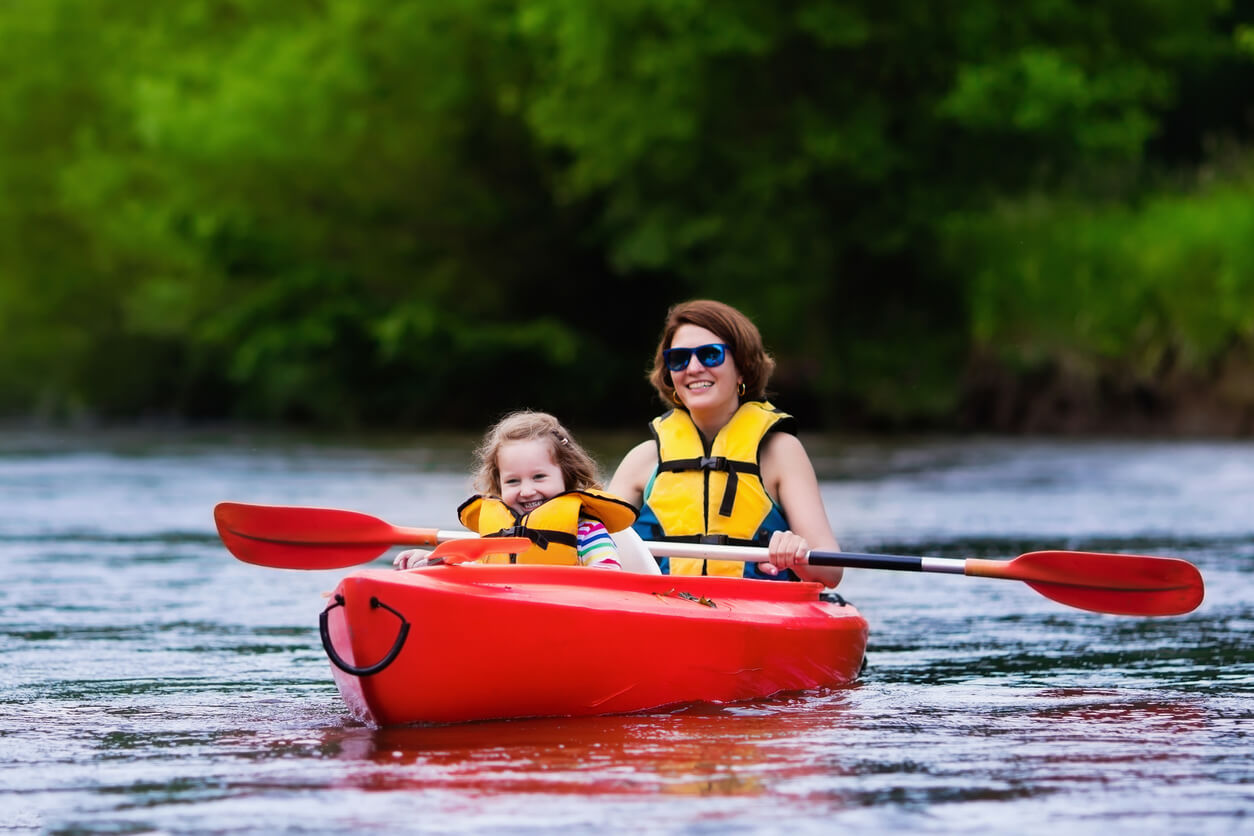
How life jackets are sized and labeled
Life jackets use weight ranges, chest measurements, and sometimes age categories to indicate fit. You’ll also see classifications by buoyancy and type.
- Common sizing labels
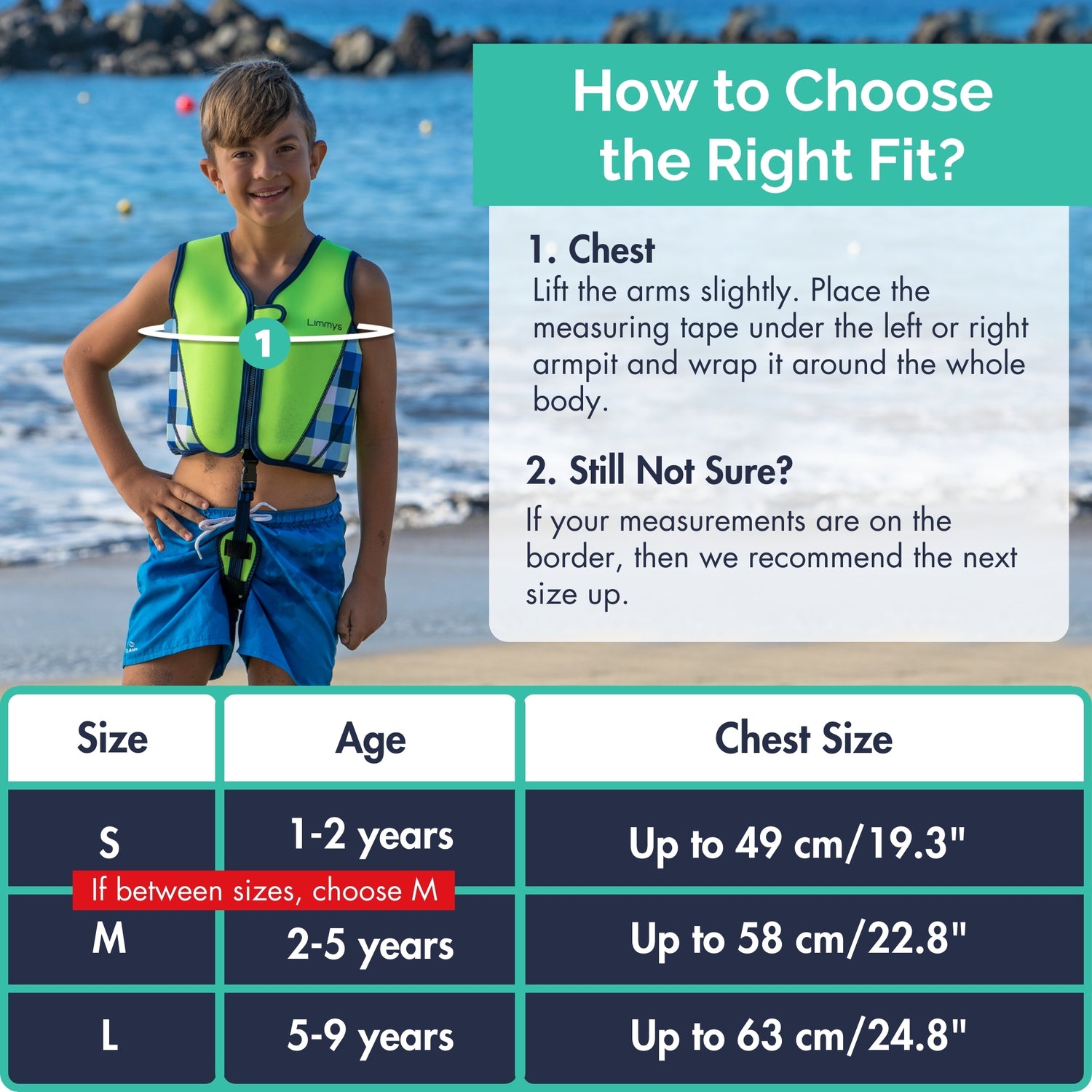
- Infant and toddler: usually 0–30 pounds
- Child: roughly 30–50 pounds
- Youth/Junior: 50–90 pounds
- Adult: 90+ pounds, with some jackets split by chest size
- Buoyancy and approval
- Buoyancy ratings tell you how much upward force the jacket provides. Different countries use different units, but U.S. jackets follow coast guard approval standards.
- Look for an approved label that indicates the jacket meets safety standards for the intended use.
Understanding these labels is a core part of how to choose the right life jacket size. Always match weight and chest measurement to the jacket’s tag.

Step-by-step: How to choose the right life jacket size
Follow these steps to get a secure fit every time.
- Measure weight and chest
- Use a scale for weight.
- Measure chest at the widest part with a soft tape measure. Record both numbers.
- Check the size chart
- Compare your numbers to the manufacturer's sizing chart.
- If you fall between sizes, choose the smaller size for a snug fit, unless you need room for bulky clothing.
- Try it on standing and in water
- Zip and fasten all closures. Tighten straps until snug.
- Raise your arms and have a friend pull up on the shoulders—if the jacket slides above your chin, it’s too big.
- Perform a fit and flotation test
- In shallow water or with supervision, check that the jacket keeps your head above water without your hands.
- Ensure you can breathe easily and turn your head.
- Confirm mobility and comfort
- Practice paddling, reaching, and swimming motions.
- Adjust straps so the jacket is secure but allows free movement.
These practical steps make how to choose the right life jacket size clear and repeatable.

Special considerations: children, body shape, and activities
Children need special attention. A child’s life jacket should include a grab handle, a crotch strap, and a secure fit that prevents slipping. For infants, use life jackets designed for small heads and chins to keep the airway open.
Adults with unique body shapes, pregnant people, and larger or smaller-than-average chests should focus on chest measurements, not just weight. For high-activity sports like whitewater kayaking, choose a snug, low-profile life jacket made for movement.
How to choose the right life jacket size changes with activity. Choose jackets meant for your specific sport—fishing jackets have pockets, while kayaking PFDs prioritize freedom of motion.

Common mistakes and how to avoid them
Many people make predictable errors when choosing a jacket. Avoid these.
- Buying by clothes size
- Clothes size can be misleading; always use chest measurement and weight.
- Choosing a jacket that’s too loose “for comfort”
- A loose jacket can slip and fail in the water.
- Ignoring the crotch strap on child jackets
- Crotch straps stop jackets from riding up and are essential for young children.
- Not testing the jacket in water
- Dry fits are useful, but water tests reveal how a jacket performs under real conditions.
These tips came from years of testing jackets with paddling groups and family outings. Learning from mistakes will save frustration and increase safety.

Care, maintenance, and replacement
A well-kept life jacket lasts longer and performs better. Follow these care tips.
- Rinse with fresh water after saltwater use and hang to dry out of direct sun.
- Store loosely in a cool, dry place; avoid compressing foam for long periods.
- Check straps, buckles, and stitching regularly for wear.
- Replace a jacket if foam is cracked, compressed, or if the jacket fails a water test.
- Replace after prolonged sun exposure or if the manufacturer recommends an end-of-life date.
Knowing how to choose the right life jacket size includes choosing a jacket you’ll maintain properly.
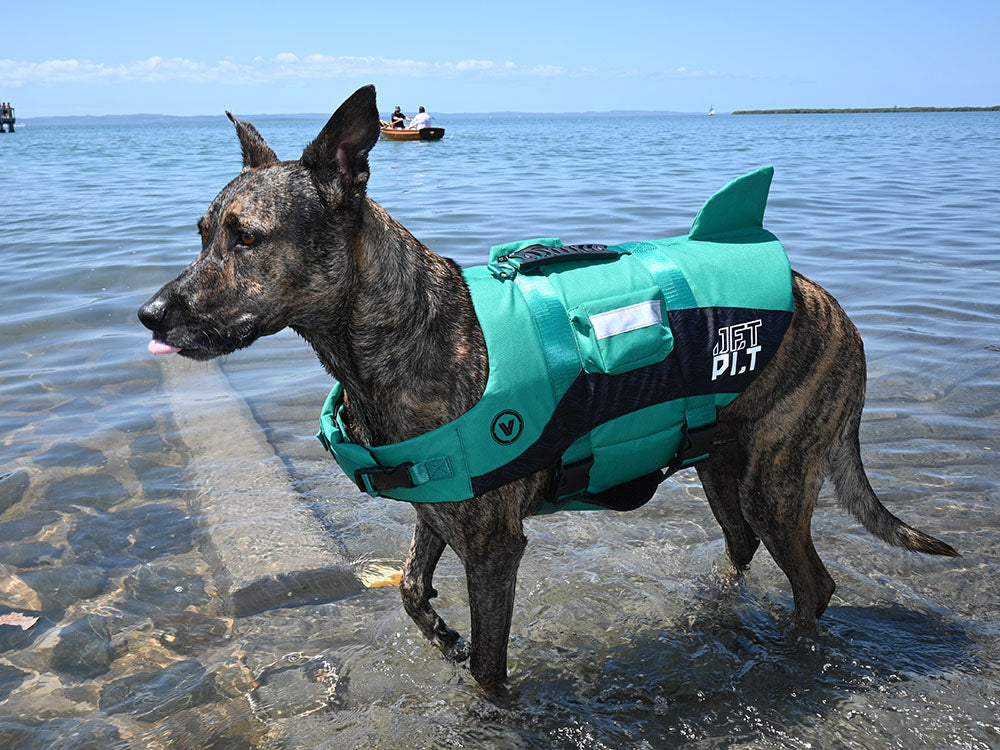
Personal lessons and real-life tips
I learned to always try a jacket in the water after a near-miss with an oversized PFD while teaching a beginner kayaking lesson. Key lessons I share with friends:
- Never assume size by appearance—measure and test.
- For children, pick a jacket with a rescue handle and crotch strap.
- For cold weather boating, try jackets over base layers—account for the extra bulk when sizing.
- Keep a checklist before leaving shore: measurements, fit test, straps checked, tags verified.
These practical tips help you apply how to choose the right life jacket size in real situations.

PAA-style quick questions
How tight should a life jacket fit?
A life jacket should be snug but comfortable, allowing full arm motion. If it pulls up over your chin when someone lifts the shoulders, it’s too loose.
Can adults wear child life jackets?
No. Child life jackets are sized and buoyant for smaller bodies and won’t support an adult safely. Always match the jacket to the wearer’s weight and size.
Is weight or chest measurement more important?
Both matter. Weight helps initial sizing, but chest measurement ensures the jacket sits correctly and doesn’t ride up.
Frequently Asked Questions of How to Choose the Right Life Jacket Size?
What if my measurements fall between two sizes?
Choose the smaller size for a snug fit, unless you need room for bulky clothing. Always test in water to confirm.
How often should I replace a life jacket?
Replace when foam or fabric shows damage, after prolonged sun exposure, or if it fails a water test. Many manufacturers also give an expected lifespan.
Are inflatable life jackets sized differently?
Inflatable jackets often rely on chest fit and weight; check the manufacturer’s sizing and ensure proper inflation tests before use.
Can a life jacket be too warm for summer?
Some jackets retain heat. For hot climates, choose a ventilated or low-profile PFD designed for warm-weather use.
Do all life jackets float the same way?
No. Different jackets have different buoyancy ratings and designs. Choose one intended for your activity and body type.
Conclusion
Choosing the right life jacket size means measuring weight and chest, consulting the manufacturer chart, testing the fit in water, and rechecking for mobility and comfort. A well-fitted jacket improves safety and confidence on the water. Start by measuring yourself or your child today, try on recommended sizes, and perform a simple flotation test before you head out. Share your experiences, subscribe for more safety tips, or leave a comment about the jacket that worked best for you.