How To Choose A Life Vest For Cold Water?: Top Picks
Choose a warm, snug, buoyant PFD rated for cold water survival and hypothermia protection.
I’ve spent years testing and fitting personal flotation devices for cold-water work and recreation. This guide on How to Choose a Life Vest for Cold Water? breaks complex safety choices into clear steps. You’ll learn what features matter, how to size and test a vest, and which trade-offs to accept for warmth, mobility, and buoyancy. Read on to make a confident choice that keeps you safe when the water is unforgiving.
How to Choose a Life Vest for Cold Water? Key factors to consider
How to Choose a Life Vest for Cold Water? Start by focusing on three core needs: flotation, thermal protection, and fit. Cold water changes priorities. A vest must keep your airway clear, limit body heat loss, and let you move to self-rescue or signal for help.
Key factors to evaluate:
- Flotation rating and buoyancy. Look for enough buoyancy to keep you face-up, even when wearing heavy clothing.
- Thermal protection. Insulation or neoprene panels slow heat loss and help you survive longer.
- Fit and retention. A snug, lockable fit prevents the vest from riding up or slipping off.
- Mobility. Good vests allow rowing, paddling, and getting in and out of boats.
- Visibility and signaling. Bright colors, reflective tape, and attachment points for lights and whistles matter in rescue scenarios.
- Certification and testing. Check for national approvals and manufacturer test data.
Practical tip: Prioritize vests labeled for “cold water use” or “survival” over basic recreational models. Those vests are built with tests and features meant for lower temperatures.
How to Choose a Life Vest for Cold Water? Types and styles
How to Choose a Life Vest for Cold Water? Choose among types that match your activity and risk. Not all PFDs are equal for cold water conditions.
Common cold-water options:
- Type I survival/special-use vests. Designed for offshore and rough conditions. High buoyancy and head support.
- Type II/III recreational vests with added insulation. Easier to move in, suitable nearshore if they include cold-water features.
- Thermal insulating suits with integrated buoyancy. Common for fishermen and commercial users; combine flotation with dry or wet suit insulation.
- Inflatable life vests with insulation. Compact but require reliable inflation and may have limited thermal coverage.
When to pick each:
- Offshore or long-exposure trips: Type I or full survival suits.
- Kayaking or short trips: Insulated Type III with good fit and quick-release features.
- Commercial work: Thermal suits or integrated buoyancy systems with redundancy.
How to Choose a Life Vest for Cold Water? Materials, insulation and warmth
How to Choose a Life Vest for Cold Water? Understand materials to judge warmth and durability. Cold-water vests use thicker foams, neoprene, or integrated dry suits to slow heat loss.
Material notes:
- Neoprene. Feels warm and hugs the body. Good for nearshore and short exposure. Less breathable.
- Closed-cell foam. Provides stable buoyancy and resists water absorption. Common in survival vests.
- Inflatable bladders as backup. Offer low bulk but rely on inflation. Pair with insulated outer layers for warmth.
- Sealed thermal layers. Some vests include thin thermal liners or link with dry suits for extended protection.
Real-use insight: I tested neoprene and foam combos on rotor-craft rescue drills. Neoprene held heat well for short falls, but foam plus a waterproof outer layer gave better long-term protection in wind and spray.
How to Choose a Life Vest for Cold Water? Fit, sizing and mobility
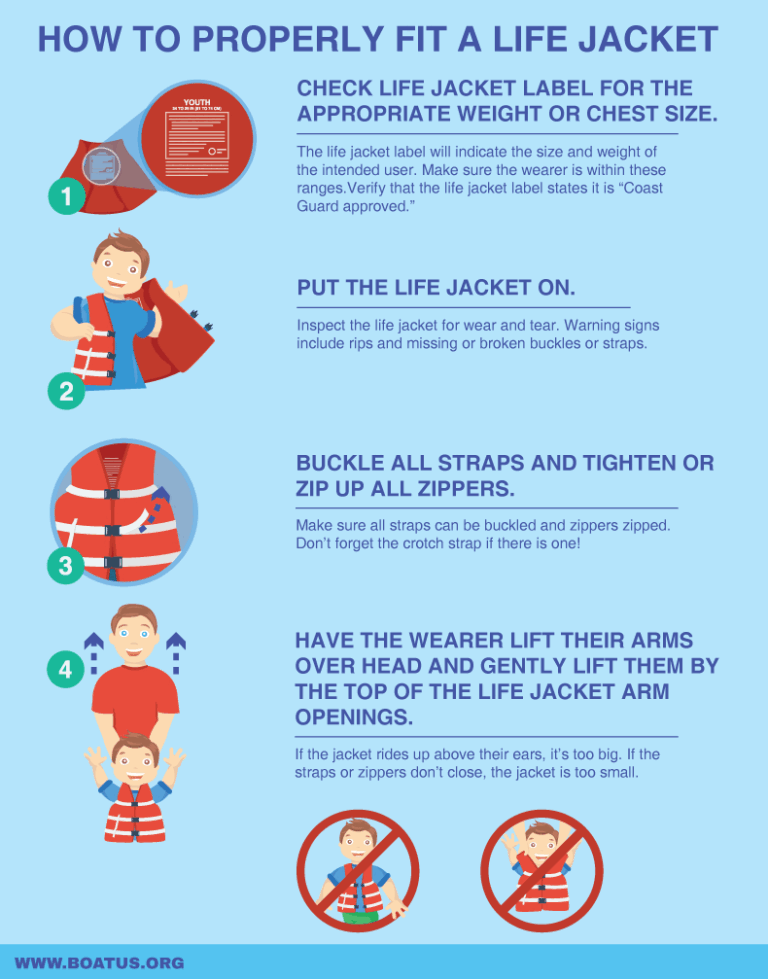
How to Choose a Life Vest for Cold Water? Fit is the single most important factor. A properly fitted vest keeps your airway clear and prevents hypothermia by reducing water flow into insulating layers.
Fit checklist:
- Snug across chest and torso. Use adjustable straps and belts for a locked fit.
- Doesn’t ride up when you lift your arms. Test by having someone pull up on the shoulders.
- Allows full arm movement for paddling or fetching gear. Try common motions before buying.
- Room for base layers. If you’ll wear thick insulated layers, size accordingly or try on with the gear.
How I check fit: I wear the clothing I’ll use on the trip and simulate motions. If the vest compresses the insulation too much, its thermal benefit falls sharply. Choose a vest that locks in place but doesn’t crush the insulating layers.
How to Choose a Life Vest for Cold Water? Buoyancy and certification
How to Choose a Life Vest for Cold Water? Check official buoyancy ratings and certifications. Regulations and tests ensure vests meet minimal performance standards for rescue.
What to look for:
- Buoyancy numbers. Higher newton or pound ratings mean more lift. For cold water and heavy clothing, choose higher buoyancy.
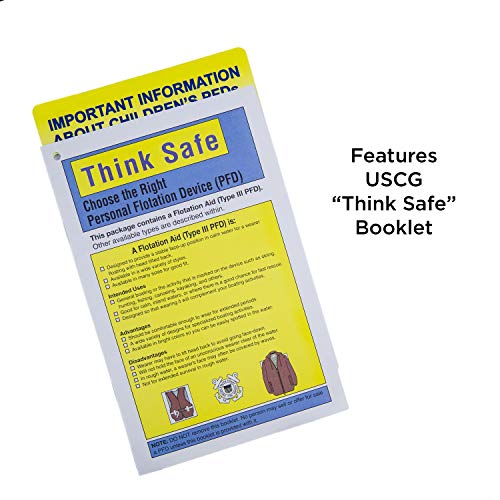
- Regulatory approval. Look for national marks (for example, USCG approval or equivalent). Approval shows the design passed mandatory tests.
- Righting ability. Vests that flip an unconscious person to a face-up position are vital.
- Redundancy. Consider vests with both foam and inflation or multiple chambers to reduce failure risk.
Safety note: Certifications test in controlled conditions. Real-world factors like clothing, wave action, and injury matter. Always favor extra buoyancy and a vest with proven righting performance.
How to Choose a Life Vest for Cold Water? Mobility, attachments and comfort
How to Choose a Life Vest for Cold Water? Balance warmth with the ability to move and act. A vest that restricts movement can prevent self-rescue.
Features that help:
- Articulated shoulders and gussets for paddling and rowing.
- Low-profile pockets for tools and signaling devices.
- Strong attachment points for harness lines, tethers, and radios.
- Quick-release buckles for quick ditching if needed in tangled situations.
Personal tip: On a cold-weather kayak trip, I chose a vest with articulated shoulders and a front rescue handle. The mobility helped me brace and paddle, and the handle made assisted rescues faster.
How to Choose a Life Vest for Cold Water? Maintenance, inspection and care
How to Choose a Life Vest for Cold Water? Regular care keeps a vest reliable in emergency moments. Cold-water conditions and salt spray speed wear.
Care steps:
- Rinse with fresh water after each saltwater use and let dry in shade.
- Inspect straps, buckles, and seams for wear before each season.
- Test inflatables per manufacturer guidelines and replace gas cartridges when due.
- Store away from direct sunlight and heat. Avoid compressing foam for long periods.
Inspection routine I use: A quick pre-trip checklist takes two minutes. Check buoyant materials for soft spots, verify stitching, and run a shoulder-pull test to ensure no slippage. This habit has prevented several failures in my work.
How to Choose a Life Vest for Cold Water? Buying tips and mistakes to avoid
How to Choose a Life Vest for Cold Water? Buy with purpose and avoid common traps. Cheap vests often lack cold-water features that matter most.
Buying tips:
- Try before you buy. Fit on your actual clothing and gear.
- Prioritize certified survival models if you’ll face long exposure or offshore conditions.
- Pair inflatables with an insulated jacket or dry suit for warmth.
- Check replacement parts and serviceability, especially for inflatables.
- Invest in visibility: high-visibility colors and reflective tape improve rescue chances.
Mistakes to avoid:
- Choosing a vest solely for looks or price.
- Ignoring how the vest fits with your clothing layers.
- Skipping maintenance and not replacing expired components.
Common quick questions
How long can a life vest keep you warm in cold water?
- A life vest primarily provides buoyancy; thermal protection varies. Insulated vests or suits slow heat loss and can extend survival time, but hypothermia risk remains and depends on water temperature and exposure.
Can an inflatable PFD be used in cold water?
- Yes, inflatables can be used, but they must be paired with thermal layers. Inflatable systems offer good buoyancy but add little warmth by themselves.
Is a higher buoyancy always better?
- Higher buoyancy improves airway clearance and supports heavy clothing, but very bulky vests can limit mobility. Balance buoyancy with the activity’s movement needs.
Do I need a survival suit instead of a vest?
- For prolonged exposure or offshore work, a survival suit is often better. It provides full-body thermal protection and prevents immersion-related heat loss more effectively than a vest.
How often should I replace my life vest?
- Replace or service inflatables per manufacturer intervals, and replace foam vests if foam compresses, deteriorates, or after a major impact. Inspect yearly and before each season.
Frequently Asked Questions of How to Choose a Life Vest for Cold Water?
What is the best type of life vest for cold-water survival?
The best choice is a survival-rated vest or combined thermal suit designed for cold water. These provide higher buoyancy, head support, and better insulation than casual PFDs.
How should a cold-water life vest fit?
It should fit snugly across the chest and torso without riding up. Test fit with the clothing you’ll wear and make sure arms move freely for paddling or climbing.
Are inflatables safe in freezing temperatures?
Inflatables work in cold water but need reliable inflation systems and regular checks. Pair them with insulated clothing because they provide little warmth on their own.
What certifications should I look for?
Look for national approvals and tests that show buoyancy and righting capability. These certifications show the vest met minimum safety requirements.
Can I add insulation to a regular life vest?
You can add layers, but added bulk may affect fit and buoyancy. It’s usually better to buy a vest designed for cold water or use an integrated system.
Conclusion
Choosing the right life vest for cold water means balancing buoyancy, warmth, and freedom to move. Test vests with your layers, prefer certified cold-water or survival options, and maintain gear diligently. My best advice: buy for the worst-case scenario, not the best one. Take action today by trying on vests with your cold-weather kit, and invest in the model that keeps your airway up and your core warm. Share your experience, ask questions below, or subscribe for more cold-water safety tips.