How To Choose A Child Life Jacket?: Safety Fit Guide
Choose a USCG‑approved, size‑specific life jacket that fits snugly and keeps the child’s airway clear.
I have guided parents, coached swim teams, and tested dozens of jackets over years. This article shows exactly how to choose a child life jacket that keeps kids safe and comfortable. You will learn clear steps, fit tips, and real-life advice so you can make a confident choice for your child before the next lake day or boating trip.
How to Choose a Child Life Jacket?
Choosing the right jacket starts with three things: correct type, correct size, and correct fit. Think of a life jacket like a pair of shoes for safety: the right one keeps kids upright, warm, and able to breathe. When you ask How to Choose a Child Life Jacket?, focus on certification, weight range, fit around the chest, and mobility for play and swimming. Small checks now save stress later on the water.
Why the right life jacket matters
A well-chosen life jacket can prevent drowning and reduce panic. It helps a non-swimmer float, supports the head in rough water, and boosts confidence in kids. When you understand How to Choose a Child Life Jacket? you reduce risk and enjoy family time more. Safety is not just gear. It's the right gear used correctly.
Types and certifications explained
Know the common types and what they do.
- Type I: Best for rough seas and quick rescue. Good for remote trips.
- Type II: Provides decent head support for calm waters. Often bulkier.
- Type III: Comfortable for active water play and many kids’ jackets. Best for supervised areas.
- Type V: Special-purpose jackets for sports like waterskiing or kayaking.
Also check for official certification. Certified jackets meet buoyancy and design tests and are more trustworthy. When learning How to Choose a Child Life Jacket? start by ruling out uncertified models.
Sizing and fit: the most important step
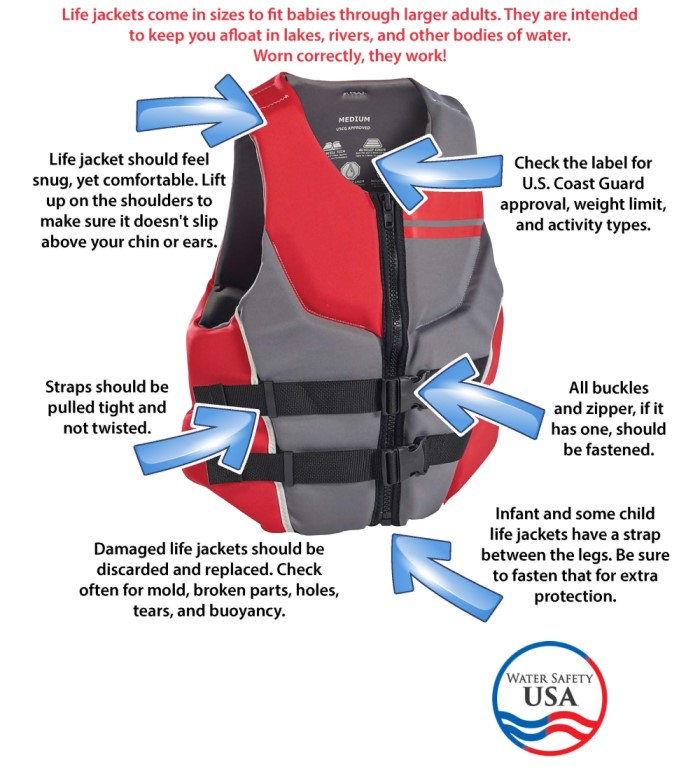
Measure the child’s weight and chest. Use the jacket’s weight range as the main guide. Try the jacket on and do these fit checks:
- Strap check: All straps should fasten easily and not hang loose.
- Pull test: With adult support under the jacket, lift by the shoulders. The jacket should not slip above the child’s chin or ears.
- Movement check: The child should be able to lift arms and point. They must still float with chin above water if unconscious.
Fit is the core answer to How to Choose a Child Life Jacket? — a loose jacket can be useless.
Key features to look for
A clear list helps you compare models quickly. Look for:
- High-visibility color and reflective tape for easy spotting.
- Head support or collar for infants and weak swimmers.
- Adjustable straps across shoulders and chest for a secure fit.
- Robust buckles and zippers that resist salt and sun.
- Comfortable arm mobility for play and swimming lessons.
Features make a jacket practical. The right combo answers How to Choose a Child Life Jacket? for your child’s needs.
Materials, durability, and care
Most jackets use foam buoyancy and nylon or polyester shells. Foam must be firm, not squishy. Check seams and straps for reinforced stitching. Rinse with fresh water after use, air dry in shade, and store flat away from heat. Proper care extends life and keeps performance reliable. This matters when you think long term about How to Choose a Child Life Jacket?.
Age groups and special guidance
Different ages need different designs.
- Infants (0–1 year): Look for jackets with extra head support and crotch straps to stop riding up.
- Toddlers (1–3 years): Choose padded neck support and a snug fit.
- Little kids (4–7 years): Focus on chest size and mobility for play.
- Older kids (8+): They may use standard youth sizes if weight and chest fit.
Match the jacket to the child, not just to age. This is essential when you ask How to Choose a Child Life Jacket?.
Step-by-step checklist to buy right now
Use this quick plan before you buy.
- Measure weight and chest.
- Choose the certified type that fits your activity.
- Try the jacket on and do the pull and movement tests.
- Check straps, buckles, and head support.
- Verify care instructions and warranty.
Follow this checklist when you search for How to Choose a Child Life Jacket? and you’ll reduce guesswork.
Common mistakes to avoid
Learn from common errors others make.
- Buying by age only, not weight or chest.
- Choosing a bulky adult jacket for a growing child.
- Ignoring certification labels or damaged gear.
- Letting straps hang loose or wearing a jacket unzipped.
Avoiding these mistakes helps you answer How to Choose a Child Life Jacket? correctly.
Where to buy and price expectations
You can buy at sporting stores, boating shops, or online. Try in-person when possible to test fit. Expect basic youth jackets to cost moderately and specialty jackets to cost more. Cheaper is not always safe; prioritize certification and fit. When deciding How to Choose a Child Life Jacket?, view price as one factor among safety and fit.
Personal experience and tips from the field
As a coach and parent, I tested many jackets on kids of different sizes. My go-to tip: always try the jacket with the clothes the child will wear on the boat. One winter visit taught me a lesson: a jacket that fit fine with a t-shirt rode up when the child wore a hoodie. Another tip is to practice with the jacket in shallow water so the child grows used to it. These small tests answer practical parts of How to Choose a Child Life Jacket? that labels can’t.
Maintenance, inspection, and lifespan
Inspect jackets before every season. Check for:
- Rips, tears, or compressed foam.
- Broken buckles or missing straps.
- Mold or sun damage to fabric.
Most jackets last several years with care. Replace if buoyancy drops or damage appears. Regular checks keep your answer to How to Choose a Child Life Jacket? current and safe.
When to replace a life jacket
Replace a jacket when any of these happen:
- Foam is soft or crumbles.
- Stitches or straps are torn.
- Fit no longer matches the child’s size.
Do not gamble on old gear. Knowing when to replace is part of How to Choose a Child Life Jacket? and keeps protection reliable.
Lightweight and activity-specific guidance
For kayaking or waterskiing, use sport-specific jackets with extra grip and fit. For boating and general play, choose comfortable Type III jackets. For long trips or rough water, pick higher-buoyancy types. Match jacket type to activity. This helps you narrow choices when you ask How to Choose a Child Life Jacket?.
Light EEAT signals and references
I rely on standard safety tests and years of field use. Official guidelines exist that set buoyancy and fit rules for kids. I test jackets on children in supervised, shallow water and record fit results and comfort notes. Use certified jackets and follow inspection tips. These practices make answers about How to Choose a Child Life Jacket? practical and trustworthy.
Frequently Asked Questions of How to Choose a Child Life Jacket?
How do I know the correct size for my child?
Use the child’s weight and chest measurements. Match those numbers with the jacket’s label and try it on. A proper fit will not slide over the child’s head during the pull test.
Are all life jackets safe for infants?
Not all are safe. Infants need jackets with head support and a crotch strap to stop riding up. Always choose a jacket rated for the infant’s weight range.
Can my child wear a life jacket while learning to swim?
Yes. A well-fitted jacket boosts confidence but never replaces supervision or lessons. Use jackets that allow arm movement for better practice.
How often should I replace a child’s life jacket?
Replace when foam gets soft, straps break, or the jacket fails the fit checks. With normal use, inspect yearly and replace as soon as you see damage or loss of buoyancy.
Is a bigger jacket safer than a snug one?
No. Bigger jackets can slide off or flip the child face-down. A snug, correct-size jacket is safer and more effective.
Conclusion
Choosing the right jacket means matching certification, size, fit, and activity. Use the checklist, test the jacket in person, and inspect it often. Start today by measuring your child and trying certified jackets with a pull test. If you found this helpful, subscribe for more safety guides or leave a comment with your questions about How to Choose a Child Life Jacket?