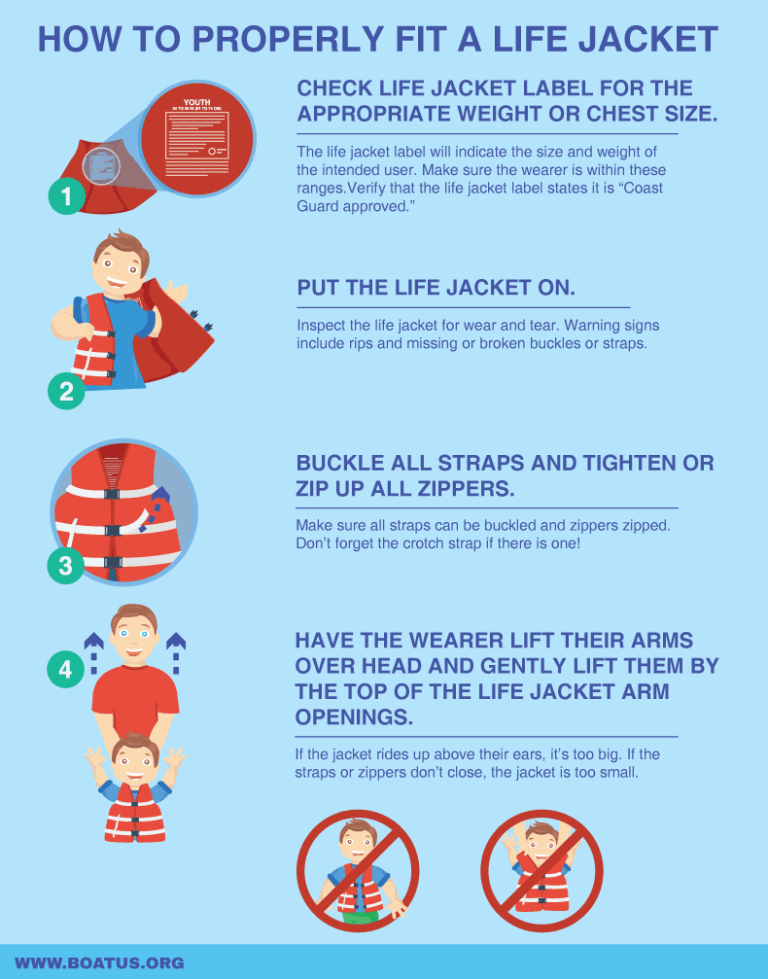
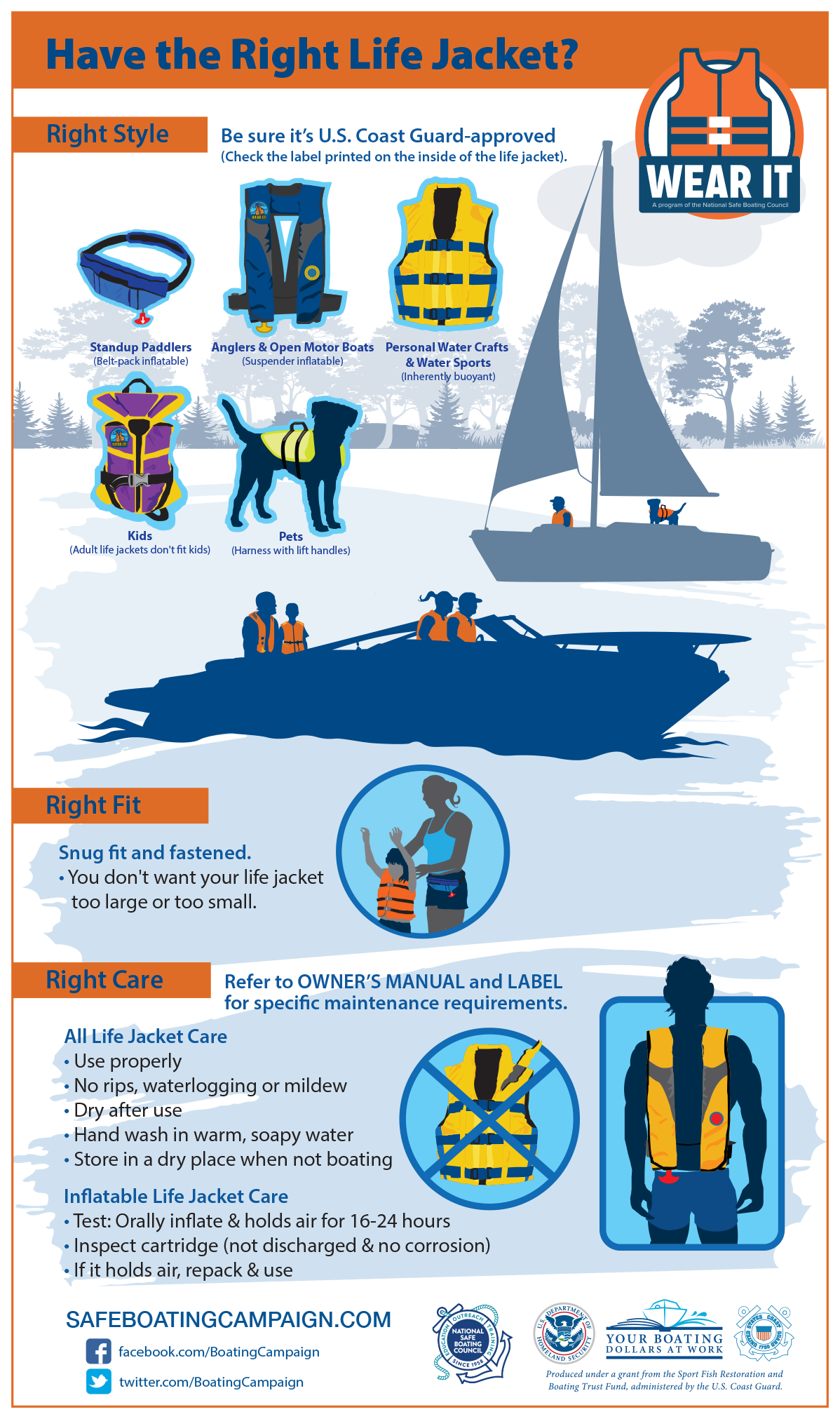
How To Check If A Life Jacket Is Approved: Quick Guide
Check the label for U.S. Coast Guard approval, flotation type, and manufacturer info.
I’ve inspected dozens of life jackets as a boating safety instructor and writer. This guide shows you exactly how to check if a life jacket is approved, what each label means, common red flags, and simple tests you can do at home. Read on to learn clear steps you can trust before you get on the water.
Why approval matters
Knowing How to Check if a Life Jacket Is Approved? keeps you safe on the water. An approved life jacket meets tested flotation, buoyancy, and design rules. Without approval, a jacket may fail in cold water, move under the wearer, or not turn an unconscious person face-up. Approval matters more than style or price.
How to read the approval label
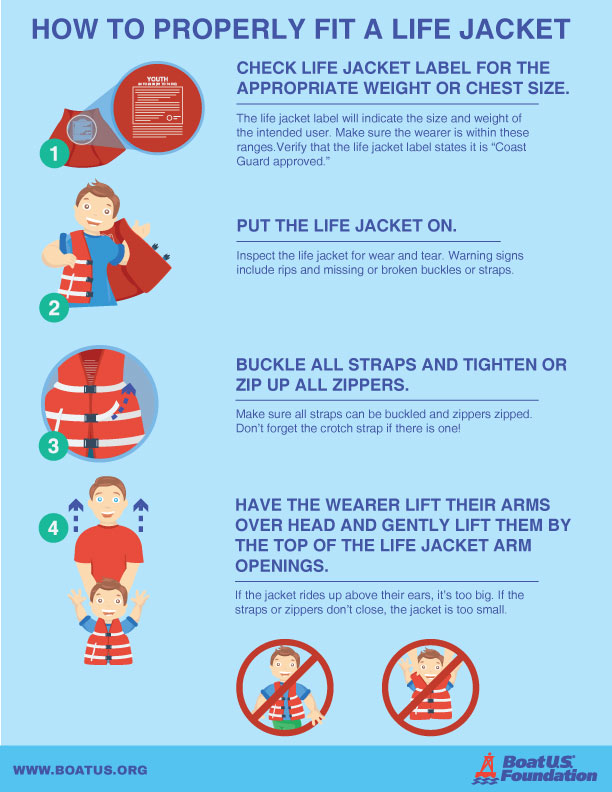
How to Check if a Life Jacket Is Approved? starts with the label. Look for these items on the label:
- Approval authority and mark. Usually U.S. Coast Guard, Transport Canada, or a similar agency.
- Approval number or code. This shows it passed tests and meets a standard.
- Type or level of flotation. Examples include Type I, II, III, or PFD Level 50, 100.
- Size and weight range. Matches wearer weight for proper flotation.
- Care instructions and manufacture date. Tells you how old the jacket is and how to care for it.
If the label is missing, faded, or altered, assume the jacket is not approved. Replace or verify with the maker.
Types of approvals and standards
How to Check if a Life Jacket Is Approved? requires knowing common standards. Standards vary by country but serve the same goal: keep you afloat and face-up. Typical categories include:
- U.S. Coast Guard approval. Common in the United States. Classes include Type I, II, III, V, and special use.
- ISO and CE standards. Common internationally and in Europe.
- Transport Canada standards. Used in Canada with its own labelling.
Each standard lists buoyancy requirements, testing conditions, and intended use. Match the jacket’s label to the water and activity you plan to do.
Step-by-step checklist: How to Check if a Life Jacket Is Approved?
How to Check if a Life Jacket Is Approved? follow this short checklist before you buy or wear one.
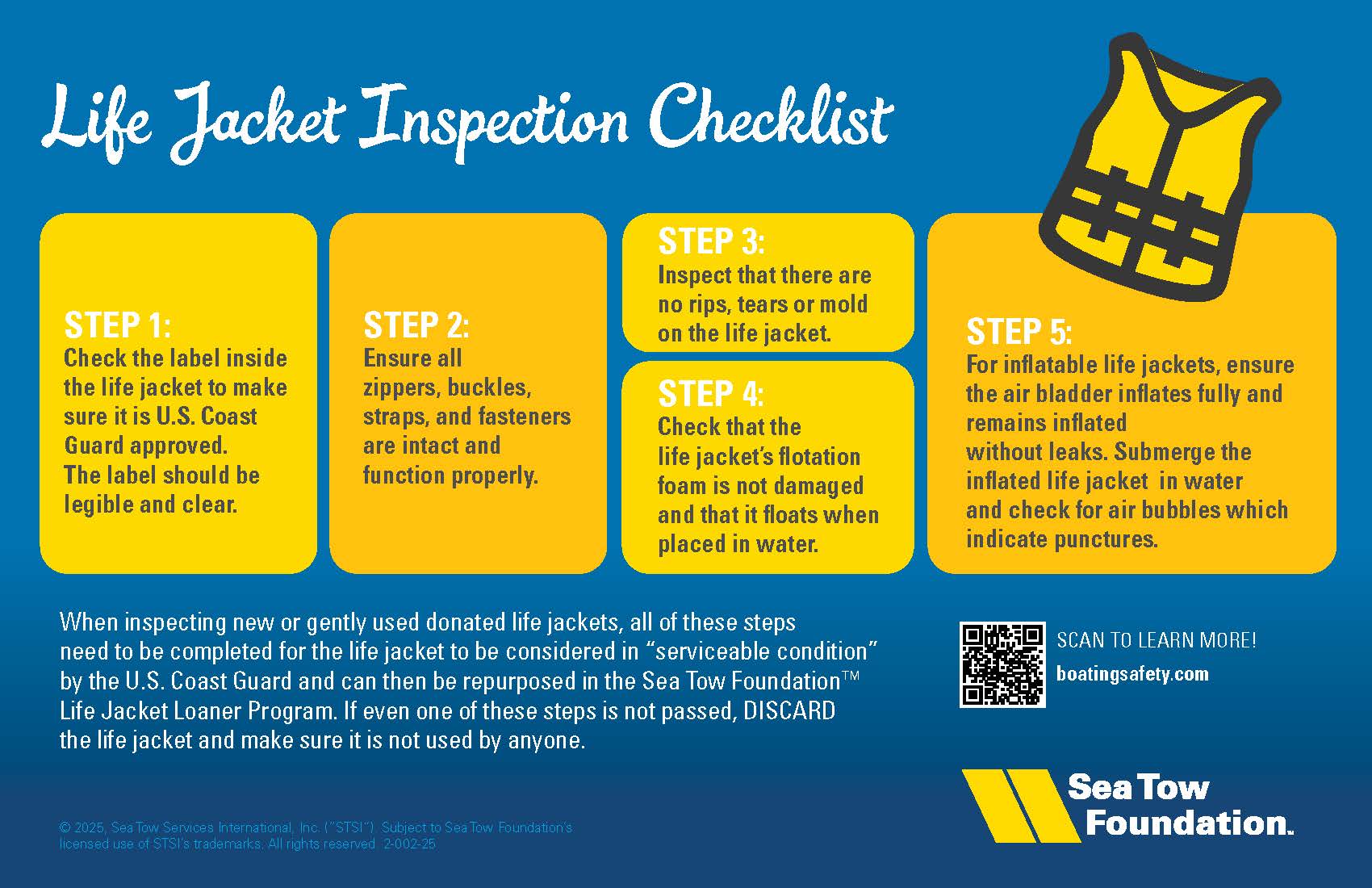
- Inspect the label for an approval mark and number.
- Confirm size and weight range match the wearer.
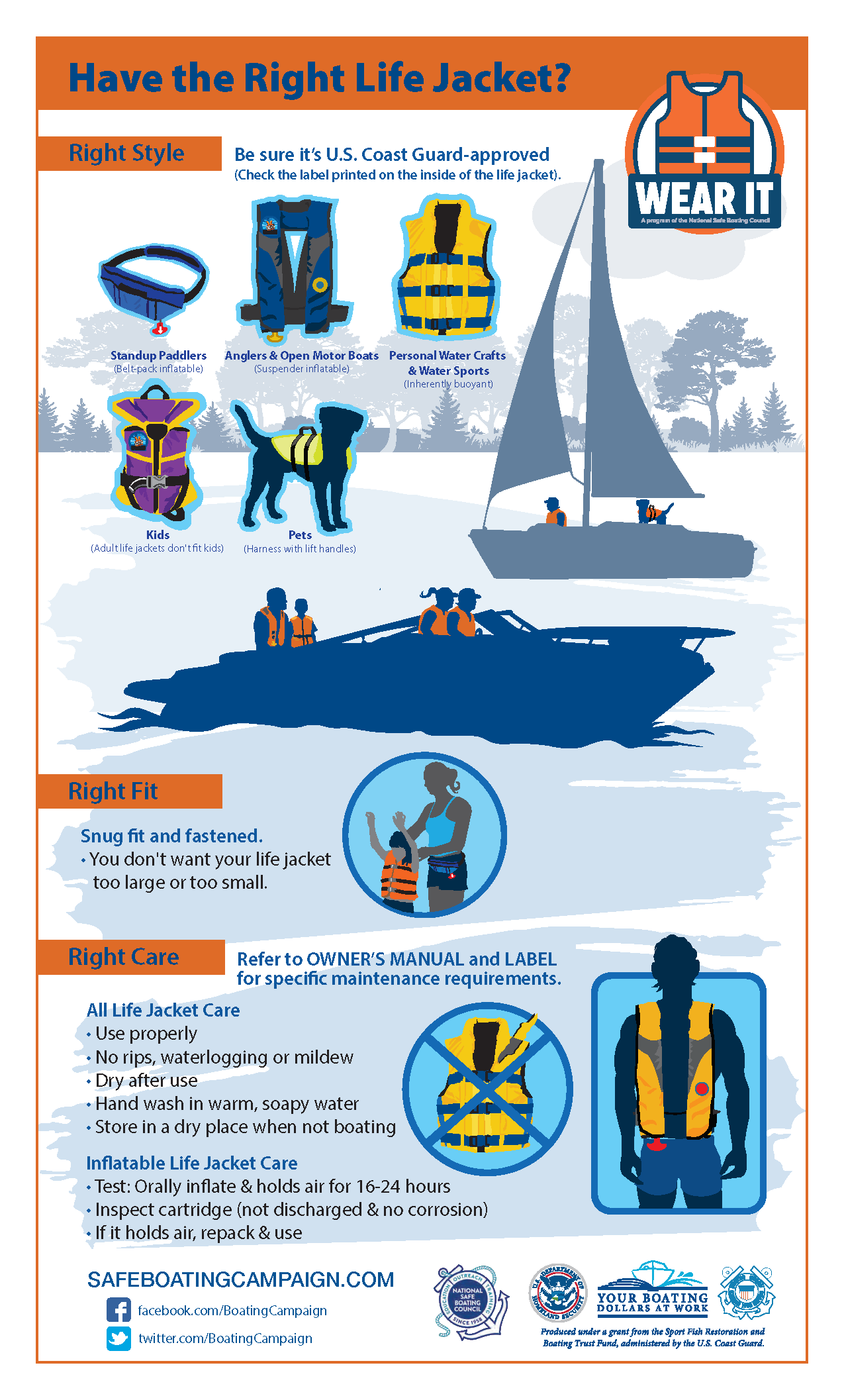
- Check the flotation type for your activity (offshore, near-shore, paddling).
- Look for manufacturing date and condition. Replace jackets older than manufacturer guidance or with signs of decay.
- Verify straps, zippers, and seams. They must work and show no heavy wear.
- Test buoyancy in shallow water if allowed. Wear it, lean back, and see if it supports the head.
- When in doubt, contact the manufacturer or retailer for paperwork. Never assume an old or homemade jacket is approved.

Common mistakes and red flags
How to Check if a Life Jacket Is Approved? watch for these mistakes and signs:
- Buying jackets based only on color or price. Approval beats looks.
- Assuming a life jacket is approved because it has foam inside. Foam does not guarantee tested buoyancy.
- Using a jacket that fits too loosely or too tightly. Poor fit reduces effectiveness.
- Ignoring expired or missing labels. An unreadable label often means no approval.
- Altering a jacket by cutting straps or sewing parts. Alterations can void approval.

Maintenance, storage, and legal notes
How to Check if a Life Jacket Is Approved? also means keeping it approved.
- Inspect yearly and after heavy use. Check for tears, broken hardware, and crushed foam.
- Clean with fresh water and mild soap. Avoid harsh solvents that weaken materials.
- Store in a cool, dry place away from sunlight and chemicals. UV breaks down fabric and foam.
- Follow local laws. Many areas require approved PFDs on board and wear rules for certain ages.
Proper care keeps the jacket within its approved performance range and helps you stay compliant.
My real-life checks and lessons
How to Check if a Life Jacket Is Approved? I learned the hard way early in my boating career. I once trusted a flashy jacket on sale and found its label nearly unreadable. After testing, it had poor buoyancy and an old expiration stamp. I replaced the whole set and now always do a quick label and fit check before departure. Tip: teach family and guests to do the same. A simple routine avoids bad surprises.
PAA-style quick questions
How to Check if a Life Jacket Is Approved? these short answers help fast.
- Does the approval label expire? Many approvals don’t expire, but manufacturer guidance and visible wear can make a jacket unsafe.
- Can a child wear an adult approved jacket? No. Size and buoyancy must match the child’s weight and chest size.
- Is a life jacket ok if it is slightly damaged? No. Even small damage can compromise flotation and should be repaired by the maker or replaced.
Frequently Asked Questions of How to Check if a Life Jacket Is Approved?
What label should I look for to know a life jacket is approved?
Look for an official approval mark from your country’s authority, such as the U.S. Coast Guard, a CE mark, or Transport Canada. The label should include an approval number or standard code.
Can I use a life jacket without an approval label?
It is not recommended. A jacket without a clear approval label may not meet tested buoyancy or design standards and could fail in an emergency.
How often should I replace an approved life jacket?
Replace if the jacket shows heavy wear, crushed foam, broken straps, or unreadable labels. If unsure, replace every 5 to 10 years depending on use and manufacturer guidance.
Are inflatable life jackets approved differently?
Yes. Inflatable jackets often require maintenance like cylinder checks and armoring. They have separate approval tests and may be limited to conscious users.
How do I test buoyancy safely at home?
Test in shallow calm water with someone to spot you. Wear the jacket, lean back, and relax to see if it supports your head and keeps your airway clear.
Will a jacket approved for one activity work for another?
Not always. Offshore jackets provide more buoyancy than those designed for paddling. Match the approval type to your intended activity.
Conclusion
Reviewing labels, checking fit, and validating approval marks are the simplest ways to stay safe. Use the checklist here to quickly confirm How to Check if a Life Jacket Is Approved? before every outing. Take action today: inspect your jackets, teach your crew the steps, and replace any uncertain PFDs. Share your experiences below or subscribe for more safety tips.