Can Life Jackets Protect From Hypothermia?: How They Help
Life jackets cut drowning risk and can slow heat loss, but they do not fully prevent hypothermia.
I have decades on the water as a boater and safety instructor. I’ve tested gear, taught cold-water rescue, and reviewed research on survival in cold water. This article explains whether Can Life Jackets Protect From Hypothermia?, how much protection they offer, their limits, and practical steps you can take to stay safe in cold water.
How life jackets work
A life jacket keeps your airway clear and helps you float. It keeps you on your back so your face stays above water. Buoyancy reduces the energy you use to stay afloat.
Life jackets also add a small layer between your skin and cold water. That layer changes heat loss a little, but it is not a full barrier against cold.
Life jacket design, fit, and insulation matter for how much they slow cooling.
Understanding hypothermia
Hypothermia happens when your body loses heat faster than it makes it. Core temperature drops below safe levels and body systems slow. Mild hypothermia brings shivering and confusion. Severe hypothermia can stop breathing and the heart.
Water pulls heat from the body far faster than air. Even warm water can cause hypothermia over time. Knowing this helps set realistic expectations for Can Life Jackets Protect From Hypothermia?.
Can Life Jackets Protect From Hypothermia? A detailed look
Life jackets primarily prevent drowning. They can slow cooling slightly by keeping part of your torso out of direct water flow and by reducing movement. This helps conserve energy and may delay the onset of hypothermia.
However, a standard foam life jacket is not the same as a thermal suit. Life jackets do not seal out water. They do not provide the same insulation as dry suits or wetsuits. So while they help, they do not fully protect against hypothermia.
Practical outcomes to expect:
- Short-term extension of survival time. A life jacket can add valuable minutes to hours in cold water.
- Better position in the water. Being upright or on your back reduces heat loss from arms and chest.
- Reduced panic and movement. Calm lowers heat expenditure and delays cooling.
I have seen cases where a life jacket bought more time for rescue. I have also seen people wearing life jackets go into shock after prolonged exposure. That contrast shows limits to how well Can Life Jackets Protect From Hypothermia?.
Types of life jackets and their role in cold water
There are several common types:
- Foam vest type. Widely used. Good buoyancy but little insulation.
- Inflatable PFDs. Packaged inflation provides buoyancy when needed. They add minimal insulation.
- Insulated survival suits. These are both buoyant and insulated for cold-water survival.
When you ask Can Life Jackets Protect From Hypothermia?, the answer depends on type. An insulated survival suit plus buoyant design offers real hypothermia protection. A basic foam vest helps but is not enough for long cold exposure.
Limitations, risks, and misconceptions
Never assume a life jacket will keep you warm indefinitely. Common misunderstandings include:
- Thinking buoyancy equals insulation. They are different functions.
- Believing any life jacket prevents hypothermia. Duration and water temp matter.
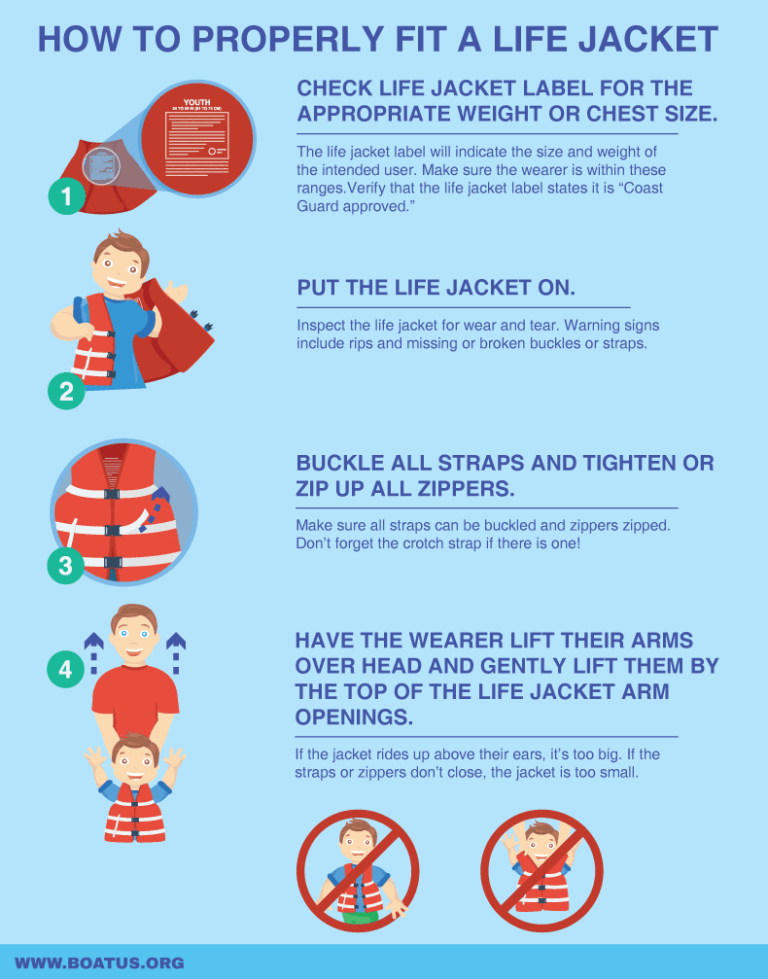
- Ignoring fit and placement. A poorly fitted jacket can shift and expose airways or reduce insulation effects.
Hypothermia risk also depends on clothing, water temperature, waves, and rescue time. Emergency response time is often the biggest factor in survival. Answering Can Life Jackets Protect From Hypothermia? means weighing all these points.
Practical tips to reduce hypothermia risk on the water
Prepare before you go. Small moves make a big difference.
- Wear appropriate clothing. Use layers and synthetic fabrics that retain heat when wet.
- Use an insulated or thermal life jacket for cold water. They help more than standard vests.
- Practice floating and the Heat Escape Lessening Position (HELP). This conserves heat.
- Carry signaling tools and a reliable way to call for help. Faster rescue reduces hypothermia risk.
- Limit alcohol and overexertion. Both increase heat loss and risk.
From my experience, combining a buoyant PFD with proper clothing and a plan gave the best survival outcomes. I once helped rescue a kayaker who used a thermal PFD and a dry bag with a spare layer; he stayed coherent until help arrived.
People also ask
Can a life jacket keep you warm in cold water?
A life jacket adds slight warmth by reducing movement and keeping some body parts out of direct flow. It is not a substitute for proper thermal gear.
How long can you survive in cold water with a life jacket?
Survival time varies by water temperature, clothing, and individual factors. A life jacket often extends survival by minutes to hours, but it does not guarantee long-term protection.
Are inflatable life jackets good for cold-water protection?
Inflatables provide buoyancy but little insulation. They are fine for flotation but not for preventing hypothermia by themselves.
Frequently Asked Questions of Can Life Jackets Protect From Hypothermia?
What is the difference between a life jacket and a survival suit?
A life jacket focuses on buoyancy. A survival suit adds insulation and water sealing to protect core body heat.
Will a life jacket keep my head above water if I am unconscious?
Most properly fitted life jackets will keep an unconscious person’s airway clear by turning them face-up. Fit and type matter.
Should I wear a life jacket while swimming in cold water?
Yes. A life jacket helps reduce drowning risk and may slow cooling compared with no flotation.
Can wearing extra clothes under a life jacket help?
Yes. Dry, layered clothing helps retain heat. Avoid cotton; use synthetic or wool layers that insulate when wet.
What should I do immediately after falling into cold water?
Keep calm. Inflate your PFD if needed. Assume the HELP position, minimize movement, and signal for help.
Conclusion
Life jackets are vital safety gear. They reduce drowning risk and can slow heat loss but do not fully prevent hypothermia on their own. Combine a well-fitted life jacket with proper clothing, insulated PFDs or survival suits in cold conditions, and a clear rescue plan to maximize safety.
Take action today: check your PFD type and fit, add thermal layers for cold trips, and practice cold-water survival drills. Share your experiences or questions below to help others stay safe on the water.