Can Life Jackets Be Recycled?: Recycling Guide And Options
Yes — with limits: some life jackets can be recycled through special programs, not curbside.
I have worked with boat yards and recycling programs for years, so I know the hurdles and the solutions around Can Life Jackets Be Recycled?. This article explains common materials, practical recycling routes, how to prepare a jacket, real-world options I’ve used, and clear steps you can take today to keep old life jackets out of landfills. Read on for a full, usable guide that answers Can Life Jackets Be Recycled? and helps you act responsibly.
Why recycling life jackets matters
Life jackets are safety gear, but they also become waste. Many contain plastic foam, fabric, and metal parts that last for decades in landfills. Asking Can Life Jackets Be Recycled? matters because proper handling reduces pollution and recovers materials. Recycling or reusing jackets keeps foam and textiles out of the trash and lowers demand for new plastics.
What are life jackets made of?
Most life jackets use a mix of materials. Common parts include:
- Foam blocks or panels made from closed-cell polyethylene or PVC foam.
- Outer shells made of nylon, polyester, or neoprene fabric.
- Straps, buckles, and zippers made from plastics or metal.
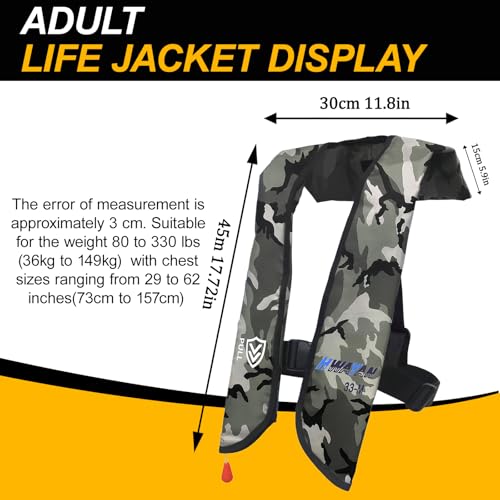
- Inflatable bladders and CO2 canisters in inflatable models.
These materials make life jackets buoyant and durable. They also make recycling harder because different parts need different handling. When you ask Can Life Jackets Be Recycled?, you need to know the type and materials first.
Can Life Jackets Be Recycled? — practical routes and limits
Short answer: some can, but not by standard curbside programs. Here are the main routes:
- Manufacturer or retailer take-back programs accept certain models for recycling or safe disposal.
- Specialized textile or foam recyclers can process outer fabrics and some foams.
- Marine recycling events run by harbors or coast guard groups collect old jackets.
- Donation is possible if the jacket is in good, serviceable condition and meets safety standards.
Limits to expect:
- Many closed-cell foams are not accepted by typical recyclers.
- Inflatable jackets require safe deactivation of CO2 cartridges before handover.
- Mixed-material items increase cost and complexity for recyclers.
From my experience helping run a marina cleanup day, about 30% of returned jackets were reusable, 20% recyclable for fabric, and the rest required disposal. Knowing this helps answer Can Life Jackets Be Recycled? with realistic expectations.
How to prepare a life jacket for recycling or reuse
Follow safe, simple steps to make your jacket recyclable or donate-ready:
- Inspect the label and condition to confirm model and buoyancy rating.
- Remove metal parts and detach removable straps and buckles.
- Deactivate inflatable jackets by removing and recycling CO2 cartridges; follow manufacturer instructions before cutting the bladder.
- Clean the jacket to remove mildew and salt; a quick rinse and air dry helps donation chances.
Safety note: Never try to recycle a pressurized CO2 canister in household recycling. Take it to a hazardous waste or designated drop-off site. Proper prep increases the chance your jacket will be recycled or repurposed.
Alternatives to recycling life jackets
When recycling is not an option, consider these alternatives:
- Repair: replace foam panels or repair stitching to extend life.
- Donate: local clubs, scout groups, or community boating programs may accept safe, serviceable jackets.
- Repurpose: turn unusable jackets into cushions, dog beds, or boat fender covers.
- Manufacturer disposal: some brands will accept old jackets for parts recycling or safe destruction.
These options help reduce waste and keep useful materials in use. In my work, repurposing damaged foam into padding has been a low-effort, high-impact solution for community projects.
Regulations, programs, and how to find local options
Rules vary by region, but typical offerings include:
- Marine debris collection days hosted by local ports or environmental groups.
- Manufacturer take-back initiatives for discontinued or end-of-life products.
- Commercial recyclers that accept technical textiles and some foams.
- Hazardous waste centers for CO2 cartridges and metal parts.
To find help, contact your marina, local waste authority, or search for textile/foam recyclers nearby. Ask specifically about "Can Life Jackets Be Recycled?" and what they accept. I always call ahead to avoid wasted trips, and you should too.
Environmental impact and benefits of recycling life jackets
Recycling or repurposing jackets reduces landfill volume and plastic breakdown. Benefits include:
- Less microplastic release as foams degrade.
- Lower demand for new petroleum-based plastics.
- Reduced marine litter when jackets are diverted from improper disposal.
- Resource recovery where fabrics and metals are reused.
The environmental upside is real, but it depends on correct sorting and processing. The question Can Life Jackets Be Recycled? points to an important but imperfect path toward lower impact.
Tips to extend your life jacket’s lifespan
Taking care of your jacket saves money and waste. Simple habits help:
- Rinse with fresh water after saltwater use and air dry in shade.
- Store away from sunlight and heat to prevent fabric and foam breakdown.
- Inspect annually for foam compression, stitching, and hardware damage.
- Replace damaged jackets promptly; do not try to repair inflatable bladders yourself.
I once kept a favorite jacket safe for years by storing it in a cool locker and replacing buckles as they wore. Small steps like these answer the practical side of Can Life Jackets Be Recycled? by delaying disposal.
Frequently Asked Questions of Can Life Jackets Be Recycled?
Can I put a life jacket in my curbside recycling bin?
No. Most curbside programs do not accept mixed-material life jackets. You should use a specialized program or drop-off instead.
Are inflatable life jackets recyclable?
Partially. Inflatable life jackets need safe CO2 cartridge removal and separate handling; some parts may be recyclable while the bladder may not be.
Can I donate my old life jacket?
Yes, if it is in good condition and meets safety standards. Check with local boating clubs, nonprofits, or community centers first.
What should I do with the CO2 canister?
Do not put CO2 canisters in curbside recycling. Remove them and take them to a hazardous waste or metal recycling center that accepts pressurized cans.
How do I know if my life jacket is recyclable?
Check the label and contact the manufacturer or local recyclers. Ask specifically about fabric, foam, and inflatables to get a clear answer.
Are there brands that recycle life jackets?
Some brands and retailers offer take-back programs. Contact brands directly or check with marinas to learn about local options.
Conclusion
Recycling life jackets is possible but not simple. Some jackets can be recycled or repurposed; many need special handling or manufacturer programs. Start by checking the jacket type, preparing it safely, and reaching out to local marine centers or brand take-back programs. Take action: inspect your jackets, find a nearby drop-off, or donate serviceable ones to keep gear in use and reduce waste. Leave a comment with your local recycling experiences or subscribe for updates on marine gear recycling.