

You’ve had a perfect day on the water. The sun was shining, the fish were biting, and the breeze was cool. But when you take off your life jacket, you feel it: that painful, raw sting under your arms. Life jacket chafing can turn a great memory into a painful one.
The good news is that this problem is 100% preventable. You don’t have to suffer in silence.
Quick Answer: How to Stop Life Jacket Chafing
To prevent life jacket chafing under your arms, focus on three things: fit, fabric, and a barrier. First, ensure your life jacket fits snugly without being too tight. Second, wear a form-fitting, long-sleeved shirt made from a synthetic material like polyester or nylon. Third, apply an anti-chafe balm or petroleum jelly to your underarms before putting on your jacket.
Why Does My Life Jacket Chafe My Armpits?
Chafing is not mysterious. It’s simple friction. When your skin rubs against something else over and over, it gets irritated. On a boat, several factors make this worse:
- Moisture: Sweat, splashes, or rain make your skin softer and more vulnerable to rubbing.
- Movement: Paddling, casting a fishing rod, or just moving around on a boat causes your arms to move constantly.
- The Material: The nylon or neoprene edges of a life jacket, combined with the rough seams, are perfect for creating friction against your skin.
Your underarms are a hotspot because they are a joint. The skin folds and stretches with every movement, creating constant rubbing against the life jacket’s armholes.
The #1 Rule: Get the Right Fit
An ill-fitting life jacket is the number one cause of chafing. If your jacket doesn’t fit right, nothing else you do will fully solve the problem.
- Too Loose: If your life jacket is too big, it will shift and slide around your body. Every movement causes the fabric to rub against a new spot on your skin, creating widespread irritation.
- Too Tight: If your jacket is too small, the armholes will dig into your armpits. This creates intense, focused friction that can become painful very quickly.
How to Check Your Fit:
- Put on the life jacket and fasten all the straps. It should feel snug, like a firm hug.
- Raise your arms over your head. The jacket should not ride up so high that it hits your chin.
- Move your arms in circles. You should have a full range of motion without the armholes digging into your sides or armpits.
- Have someone gently pull up on the shoulder straps. There should be very little room between your shoulders and the jacket.
If your jacket fails any of these tests, it’s the wrong size. A properly fitted PFD is not only safer but also much more comfortable.
What to Wear Under Your Life Jacket
What you wear under your life jacket makes a huge difference. It acts as a protective layer between your skin and the jacket.
Choose the Right Fabric
Never wear cotton. Cotton is comfortable when it’s dry, but it is terrible for water activities. It absorbs sweat and water, holding the moisture against your skin. This wet fabric then rubs, creating the perfect conditions for chafing.
Instead, choose synthetic or natural fibers that wick moisture away from your skin:
- Polyester or Nylon: These are the best choices. They are lightweight, dry quickly, and pull sweat away from your body.
- Merino Wool: This is an excellent, though more expensive, option. It is naturally soft, breathable, and odor-resistant, even when wet.
Opt for Long Sleeves
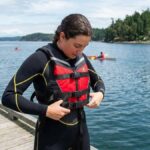
One of the best ways to prevent chafing is to create a barrier. A form-fitting, long-sleeve rash guard or athletic shirt is perfect. The smooth fabric of the shirt will slide against the life jacket, protecting your skin from the rougher jacket material.
Ensure a Smooth Fit
Make sure the shirt you wear is snug and has no rough tags or seams on the underarms. A seamless shirt is the best option for maximum comfort.
Create a Protective Barrier: Anti-Chafe Products
Sometimes, even with the right fit and clothing, you need a little extra help. This is where lubricants come in. They create a slick surface on your skin, so the jacket can slide without causing friction.
Best Anti-Chafe Products
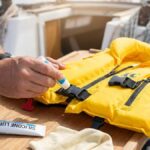
- Anti-Chafe Balms: Products like Body Glide or RunGuard are specifically designed for this. They look like a stick of deodorant and go on clean. They are not greasy and last for hours.
- Petroleum Jelly: A simple, cheap option. It works very well but can be greasy and may stain your clothes. It’s a great backup if you have nothing else.
- Aquaphor or Zinc Oxide Cream: These are thicker ointments that create a very strong barrier. They are excellent for sensitive skin.
How to Apply It:
Before you put on your life jacket, rub a generous amount of the balm or jelly all over your underarms and on the sides of your chest. You can even apply a thin layer directly to the inside of the life jacket’s armholes for extra protection.
Choose a Chafe-Resistant Life Jacket
If you are buying a new life jacket, you can choose one designed for comfort. Look for these features that help prevent chafing:
- Soft, Rolled Edges: Many higher-end life jackets have soft neoprene or rolled fabric edges around the armholes and neck. This prevents the jacket from having a hard, rough edge that can dig in.
- Breathable Mesh Liners: Some PFDs have a soft mesh lining on the inside. This layer sits between the main jacket and your skin, reducing friction and improving airflow.
- Wide, Padded Armholes: Jackets with larger armholes give your arms more room to move without rubbing.
- Good Side Adjustments: Life jackets with multiple adjustment points on the sides allow you to get a truly custom fit. This prevents the jacket from twisting or shifting, which is a major cause of rubbing.
What to Do If You’re Already Chafed
Sometimes, you don’t realize you’re chafing until it’s too late. If you’re already dealing with a rash, here’s how to treat it:
- Clean the Area: Gently rinse the chafed skin with cool, clean water. Avoid using soap, which can cause more stinging.
- Apply a Soothing Ointment: Apply a thick layer of a barrier ointment like petroleum jelly, Aquaphor, or even a diaper rash cream. This protects the skin and helps it heal.
- Let It Breathe: When you can, let the area air out. Wear loose clothing to avoid further irritation.
- Cover Up Next Time: The next time you go out, make sure to cover the chafed area with a bandage or extra clothing to prevent it from getting worse.
Conclusion: Your Comfort Is Part of Your Safety
A life jacket is the most important piece of safety gear you can wear. But if it’s so uncomfortable that you don’t want to wear it correctly, it can’t do its job. Preventing chafing isn’t just about comfort—it’s about ensuring you’ll actually wear your PFD.
Remember the three simple rules:
- Fit: Make sure your life jacket is the right size.
- Fabric: Wear a snug, long-sleeved shirt made from a moisture-wicking material.
- Barrier: Use an anti-chafe balm for extra protection.
By following these easy steps, you can say goodbye to painful rashes and hello to full, comfortable days on the water. Stay safe, and enjoy your adventure.