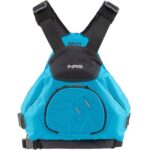

Pack your life jacket clean, deflated if inflatable, and stowed according to airline rules.
I’ve spent years boating, flying to coastal trips, and advising friends on gear. I know how to pack a life jacket for travel so it stays safe, legal, and ready to use. This guide walks you through choices, airline rules, step-by-step packing methods, and real tips from hands-on experience to make travel easy and worry-free.
Why proper packing matters for safety and travel ease
Packing matters because a life jacket must stay functional and accessible. A damaged or wet jacket can fail when you need it most. When you learn how to pack a life jacket for travel, you protect the device, meet airline and transport rules, and reduce stress on arrival.
Follow simple steps and checks. Good packing saves time at checkpoints. It also prevents surprises like broken inflators or moldy foam.
Choose the right life jacket for travel
Pick a jacket that fits your activity and travel plan. For many travelers, a compact inflatable PFD or a soft foam travel vest is best. Check for USCG approval or equivalent certification.
Consider weight and bulk when thinking about how to pack a life jacket for travel. Inflatable PFDs pack small but may need careful handling of CO2 cylinders. Foam PFDs are bulkier but simple and low maintenance.
Preparing your life jacket for packing
Inspect the jacket first. Look for tears, worn straps, cracked buckles, and expired inflators or gas cylinders. Clean and dry the jacket fully to prevent mildew.
If the life jacket is inflatable, follow manufacturer steps to deflate or secure the cylinder. Remove batteries from any electronic lights. These small prep steps make how to pack a life jacket for travel straightforward and safe.
How to pack a life jacket for travel — step-by-step
- Check rules
- Confirm airline policies and TSA or transport rules before packing. Some airlines want inflators declared or cylinders removed.
- Clean and dry
- Wipe off salt, sand, or dirt. Air dry to avoid mildew.
- Secure loose parts
- Fasten buckles and straps. Stow or cover reflective tape and lights.
- Prepare inflatable units
- If allowed, leave inflator intact but protect the cylinder. For some flights, remove CO2 cylinders and carry them as checked or declared items following airline guidance.
- Choose packing location
- Carry-on is best if you need the life jacket quickly on arrival. For checked bags, place the jacket on top in a soft bag to avoid compression damage.
- Use protective layers
- Wrap the jacket in a breathable cloth or place in a mesh bag. Avoid tight compression that can damage foam.
- Label and document
- Put a small tag with your contact info and a note if the inflator is packed separately. Keep manuals or maintenance notes with the jacket.
When you follow these steps for how to pack a life jacket for travel, the jacket stays sound. You also reduce hassle at security and arrival.
PAA-style quick questions
How long can an inflatable PFD remain unused before service?
- Inspect annually and after any inflation. Follow the manufacturer’s service schedule for canister and inflator checks.
Can I pack a life jacket in my carry-on bag?
- Often yes, but check airline policy. Lightweight or soft vests are easiest to carry on.
Transporting inflatable life jackets, CO2 cylinders, and batteries
Inflatable PFDs need special care. CO2 cartridges are small pressured vessels. Airlines and regulators may treat them as hazardous items.
Always check with your airline before travel. Remove or secure cylinders and carry batteries or electronic lights separately if required. If in doubt, declare the items at check-in. This reduces the risk of confiscation or fines and helps you understand how to pack a life jacket for travel legally.
Real-life tips, mistakes, and lessons learned
From my trips, here are practical lessons:
- Don’t pack a wet jacket. I once had mildew ruin a foam PFD after a week in a suitcase.
- Label inflators and cylinders. A friend had to prove ownership at an airport and labeling helped.
- Test fit after unpacking. I learned to check straps right away to avoid fitting issues on the water.
Common mistakes include over-compressing foam vests and forgetting to remove batteries. These are easy to avoid when you know how to pack a life jacket for travel.
Maintenance and repacking after travel
After travel, unpack and air the jacket. Salt and moisture shorten life. Rinse with fresh water, dry thoroughly, and inspect for damage.
Replace expired cylinders or service the inflator as recommended. Keep a simple log of inspections. Proper maintenance closes the loop on how to pack a life jacket for travel and keeps the device ready.
Frequently Asked Questions of How to Pack a Life Jacket for Travel?
Can I take an inflatable life jacket on a plane?
Yes. Many inflatable life jackets are allowed, but rules vary by airline. Check airline policy and declare CO2 cylinders or batteries if required.
Should I pack my life jacket in carry-on or checked luggage?
Carry-on is best for quick access and to avoid rough handling. If you must check it, use a soft bag on top and avoid tight compression.
How do I handle CO2 cylinders and inflator cartridges?
Review airline rules first. Some require removal or special declaration. Always store cartridges secured and labeled.
How do I keep a foam life jacket from getting damaged in luggage?
Wrap it in a breathable cloth and avoid heavy compression. Place it near the top of the suitcase to reduce crushing.
Do I need to service my inflatable PFD before travel?
Check the manufacturer’s service intervals and perform a visual inspection. Replace expired cylinders and test electronic lights and inflators.
Can a life jacket be folded?
Soft or inflatable jackets can be folded gently. Foam jackets should not be tightly compressed, as that can harm buoyant foam.
Conclusion
Learning how to pack a life jacket for travel protects your gear and keeps you ready for safe adventures. Inspect, clean, and secure your jacket, follow airline rules, and choose carry-on when possible. Small steps like labeling cylinders and removing batteries save time and stress.
Put these tips into practice before your next trip. If this guide helped, try packing your jacket now and share your experience or questions below.