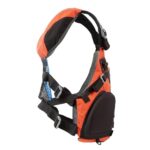

Inflatable life jackets can be safe for non-swimmers when chosen, worn, and maintained correctly.
As a boating safety instructor with hands-on rescue experience and years of testing personal flotation devices, I will walk you through whether Are Inflatable Life Jackets Safe for Non Swimmers? You will get clear facts, practical tips, and real examples to help non-swimmers choose and use inflatable life jackets safely.
How inflatable life jackets work and why it matters for non-swimmers
Inflatable life jackets use air to provide buoyancy. Many models are compact until a pull tab or automatic sensor inflates a bladder. The inflation lifts the wearer, keeps the head above water, and improves survival time. For non-swimmers, the main goal is a device that reliably turns an unconscious or panicked person face-up.
Key points to know:
- Inflatable jackets are either manual, automatic, or hybrid. Manual needs a pull; automatic inflates when wet.
- Most inflatables are rated for specific weights and activity types.
- Unlike foam vests, inflatables depend on proper deployment to work.
Are Inflatable Life Jackets Safe for Non Swimmers? They can be, but only if you match the device to the person, the activity, and the conditions. Misuse or improper fit removes that safety benefit.
Types, labels, and certifications to look for
Not all inflatables are the same. Choosing certified gear matters for non-swimmers.
Common label and certification details:
- Coast Guard or equivalent approval for use in certain waters.
- ISO or international buoyancy standards on some models.
- Weight and buoyancy ratings shown on the label.
- Type codes that state intended use: offshore, near-shore, or recreational.
How to pick:
- Choose an approved model rated for the wearer’s weight.
- For children or non-swimmers, pick models with head support and higher buoyancy.
- Prefer hybrid models or foam-administered backups for added reliability.
Are Inflatable Life Jackets Safe for Non Swimmers? Certification and correct sizing make inflatables far safer for non-swimmers than unapproved or misfitted devices.
Pros and cons of inflatable life jackets for non-swimmers
Understanding pros and cons helps decide if an inflatable fits your needs.
Pros:
- Compact and comfortable so wearers keep them on.
- High buoyancy when inflated, good for keeping the airway clear.
- Automatic inflation options reduce reliance on the wearer.
Cons:
- They must inflate to work; punctures or failed inflators are risks.
- Manual models require the wearer to pull the tab, which non-swimmers may not do.
- Not ideal for rough water without a backup foam option.
When asking Are Inflatable Life Jackets Safe for Non Swimmers?, weigh comfort and compliance against risks of failure and the environment. For passive protection, automatic models or hybrid jackets with foam are stronger choices.
Safety considerations and real-world evidence
Safety depends on environment, person, and maintenance. Here are top considerations.
Wear and fit
- The jacket should fit snugly and not ride up.
- Chin and head support matter for unconscious wearers.
Environment and activity
- Cold water, waves, and debris increase risk and demand higher reliability.
- For open water or offshore trips, choose higher-rated devices.
Reliability and failure modes
- Inflators can fail due to corrosion, missed maintenance, or improper storage.
- Training and drills reduce panic and misuse.
Real-world patterns show inflatables perform well when maintained and used in recommended settings. However, there are documented cases where inflatables did not inflate or were not worn, causing injury. That dual reality answers Are Inflatable Life Jackets Safe for Non Swimmers? — yes, if you respect the limits and maintain the device.
PAA-style questions
- Will an inflatable turn you face up? Most modern inflatables for adults provide face-up support, but fit and weight distribution affect performance.
- Are automatic inflatables better for non-swimmers? Automatic models reduce the need for user action, which can be crucial for non-swimmers.
- Can inflatables fail in cold water? Low temperatures can affect mechanisms; strict maintenance helps reduce that risk.
Best practices for non-swimmers using inflatable life jackets
Follow simple rules to boost safety.
Before going on the water
- Try the jacket in a shallow pool to see how it fits and feels.
- Check the expiration date and condition of cartridges and fabric.
- Choose automatic inflation if the wearer cannot reliably pull a tab.
On the water
- Always wear the jacket; strapped properly and zipped or buckled.
- Stay in groups and within sight of help.
- Avoid rough conditions if using a manual-only inflatable.
Training and practice
- Teach non-swimmers how the device works and how to call for help.
- Run simple drills: donning, inflating (in safe settings), and righting.
Are Inflatable Life Jackets Safe for Non Swimmers? They are safer when paired with training, correct choice, and consistent wear.
Maintenance, inspection, and known limitations
A life jacket is only as good as its upkeep. Regular checks matter.
Inspection checklist
- Look for tears, broken seams, or UV damage.
- Replace CO2 canisters or service inflators as recommended.
- Test automatic mechanisms according to the manufacturer.
Limitations to accept
- Inflatable jackets can be punctured by sharp objects.
- They may not perform as well for users with special medical needs or in extreme conditions.
- Backups like foam vests or harnesses are worth considering for added safety.
If you ask Are Inflatable Life Jackets Safe for Non Swimmers?, know that maintenance is the line between a safe device and a failed one.
Personal experience: lessons from training and rescues
I have taught new boaters and helped in several recoveries. Here are real lessons.
What I’ve learned
- Comfort equals wear time. People wear inflatables more than bulky foam vests.
- Automatic inflators have saved lives when a user was unconscious or panicked.
- I’ve seen failures where inflators corroded from saltwater because owners did not replace cartridges.
Mistakes to avoid
- Don’t assume all inflatables are the same; read the label.
- Don’t rely solely on a manual pull tab for non-swimmers.
- Don’t store inflatables rolled up wet or near chemicals.
Practical tip
- For non-swimmers on boats, choose an automatic hybrid jacket, inspect it often, and practice in shallow water before heading out.
Are Inflatable Life Jackets Safe for Non Swimmers? From my experience, yes, when you follow best practices and respect device limits.
Frequently Asked Questions of Are Inflatable Life Jackets Safe for Non Swimmers?
Are inflatables better than foam life jackets for non-swimmers?
Inflatables can be better for comfort and higher buoyancy, but foam vests are more reliable because they do not depend on inflation. For non-swimmers, a hybrid or foam-backed inflatable is often safest.
Can a child use an inflatable life jacket?
Children should use jackets specifically sized for their weight and age. Many inflatables are not approved for children, so choose certified child models with head support.
Do automatic inflatables always work when wet?
Automatic inflatables are designed to inflate when wet, but sensors and cartridges can fail without maintenance. Regular checks reduce the chance of malfunction.
What should I do if an inflatable fails to inflate?
Stay calm, grab a flotation backup if available, and call for help. Practice keeping the airway clear and using any spare foam floatation on board.
How often should inflatables be serviced?
Service intervals vary, but inspect before each trip and follow the manufacturer’s schedule for canister replacement and full service, often annually for regular users.
Conclusion
Inflatable life jackets can protect non-swimmers well when you pick the right model, ensure proper fit, and keep up with maintenance. The key is matching the device to the person and conditions, favoring automatic or hybrid designs for those who cannot reliably act in the water. Act now: check your gear, practice donning and inflation in calm water, and choose certified jackets rated for the wearer. Share your experiences, ask questions, or subscribe to stay informed and keep your loved ones safer on the water.