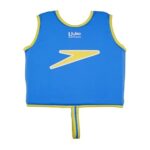

Foam life jackets are usually safer for sudden immersion; inflatables are safer when properly maintained.
I have spent years on lakes and coastal waters testing life jackets and teaching water safety. In this article I compare foam vs inflatable life jacket options with clear, practical advice. You will learn how each type works, when one is safer than the other, and how to choose the right life jacket for your activity and skill level.
How foam and inflatable life jackets work
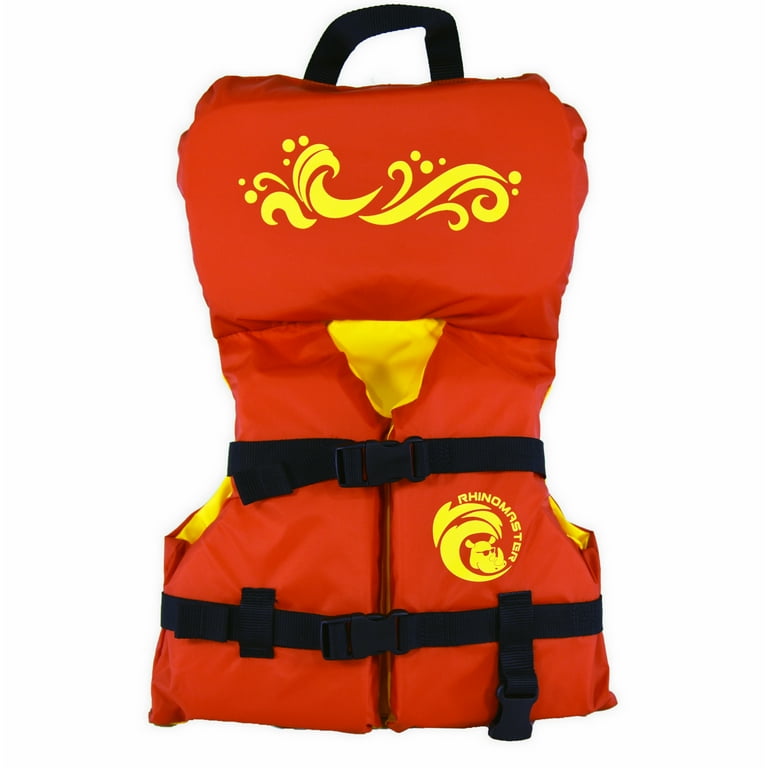
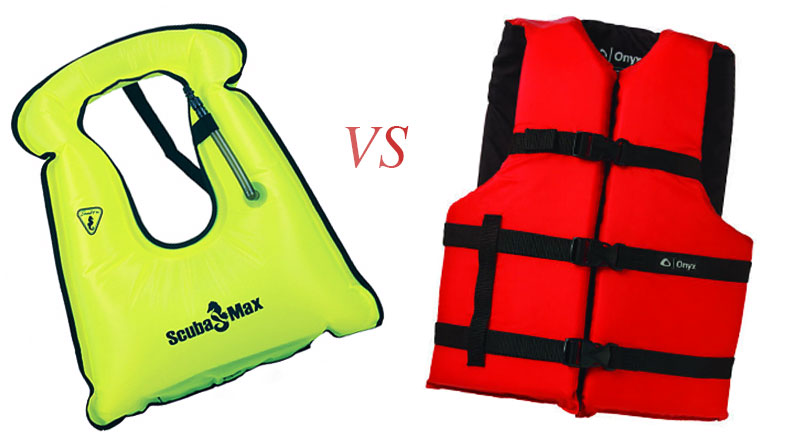
Foam life jackets use buoyant foam panels to keep you afloat. They have no moving parts and provide immediate flotation when worn. Foam vests are always ready and work even if damaged or wet.
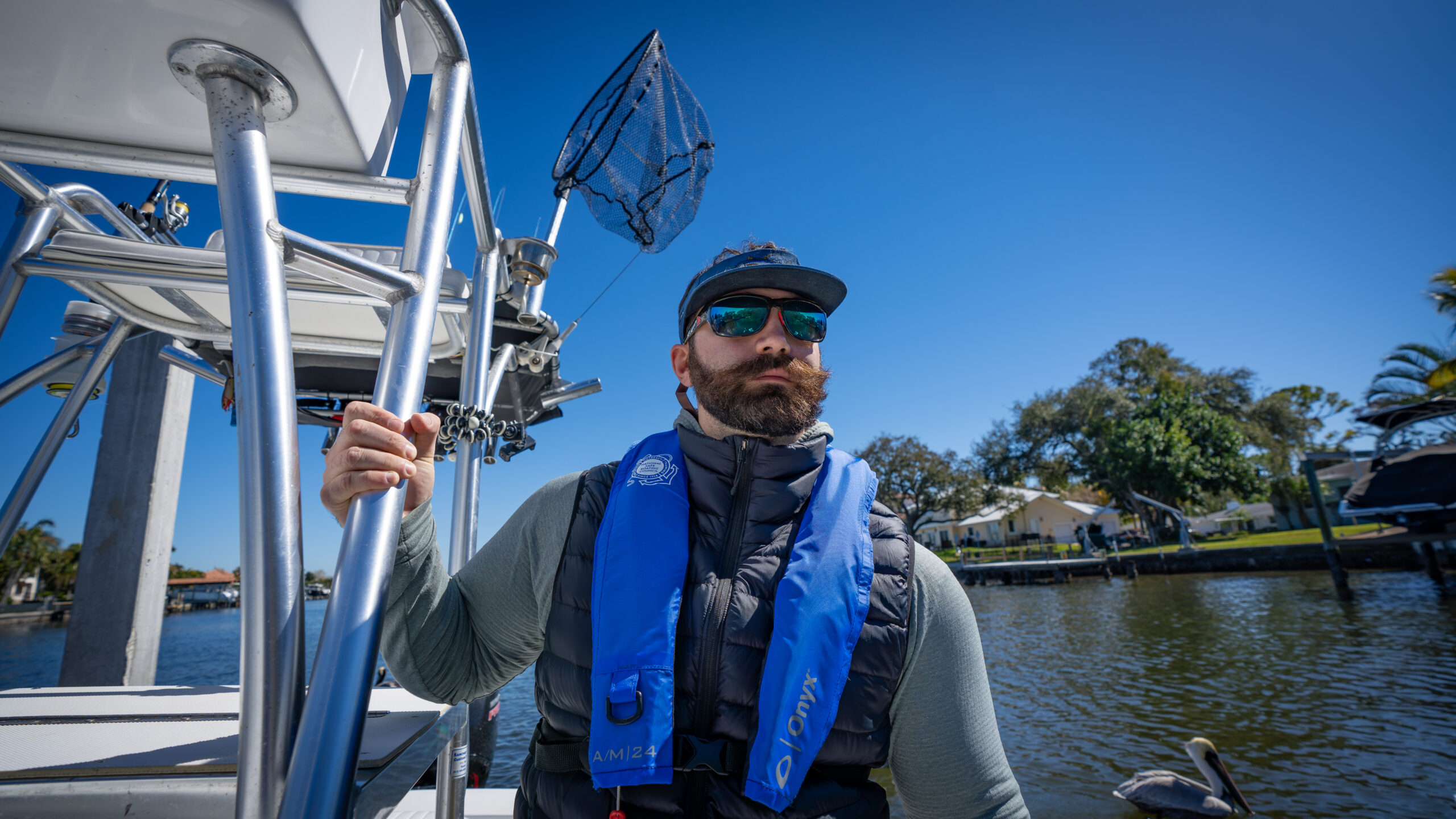
Inflatable life jackets use compressed gas cylinders or oral inflation. They stay compact until activated. Inflation can be automatic on water contact or manual by pulling a cord. Inflatable jackets give high buoyancy with less bulk when deflated.

Safety comparison: buoyancy and reliability
Buoyancy is the primary safety measure. Foam life jackets provide steady buoyancy no matter what. They are less likely to fail because they do not rely on canisters or valves.
Inflatable life jackets offer high buoyancy once inflated. They can turn an unconscious person face-up if properly designed. However, they can fail if the gas cylinder leaks, the inflator clips corrode, or the bladder is punctured.
Key points:
- Foam vests provide consistent buoyancy and redundancy.
- Inflatable jackets provide higher buoyancy-to-weight ratio but need maintenance.
- For quick, unexpected falls, foam is often safer due to immediate flotation.
Performance when unconscious or injured
When a person is unconscious, the jacket must keep the airway clear. Foam life jackets are designed to turn most unconscious adults face-up. Their foam shape does this without activation.
Inflatable life jackets can offer excellent head support after inflation. But if the bladder fails to inflate, an unconscious person may not be protected. Automatic inflators reduce that risk, but they can still malfunction.
Practical takeaway:
- For non-swimmers and children, foam is usually the safer choice.
- For experienced boaters who maintain gear, inflatables can work well.
Durability, maintenance, and failure modes
Foam jackets are rugged. They resist punctures and do not need gas refills. They require only occasional inspection and cleaning.
Inflatable jackets need regular checks:
- Inspect cylinder pressure and replace if low.
- Check the inflator mechanism and oral tubes.
- Examine the bladder for tears and seams for wear.
Common failures with inflatables include accidental deployment, slow leaks, and ruined inflators after saltwater exposure. Foam jackets rarely fail unless heavily damaged.
Comfort, mobility, and wearability
Comfort influences whether people wear their jackets. Foam jackets can feel bulky and restrict movement. Inflatables are slim and allow easier paddling or casting.
If comfort helps you wear a jacket more often, an inflatable may indirectly increase safety. But comfort should not outweigh reliability for high-risk conditions.
Considerations:
- For active sports like kayaking or paddleboarding, an inflatable may feel better.
- For rough waters, offshore trips, or cold water, choose proven foam designs or hybrid models.

Types of activities and recommended choices
Different activities need different features. Here are practical recommendations.
- Casual boating and lakes
- Choose foam life jackets for families and occasional boaters.
- Kayaking and paddle sports
- Choose a PFD with good mobility; consider an inflatable if you check it often.
- Offshore and long voyages
- Prefer foam or hybrid jackets certified for extended wear and SOLAS standards.
- Fishing and hunting
- Inflatable jackets are popular for mobility; bring a backup and check cylinders.
- Children and non-swimmers
- Always use foam or inherently buoyant life jackets with head support.
Regulations, certification, and standards
Understanding standards helps you pick safe gear. In the U.S., life jackets must meet Coast Guard approval for type and use. Approval indicates testing for buoyancy and construction.
Look for:
- Coast Guard approval label for the intended use
- Correct size and weight range
- Instruction and inspection dates
Remember that some regions and activities require specific PFD types by law. Follow local rules and always read the approval label.
Buying guide and maintenance checklist
When buying, check fit, buoyancy, and label info. Try it on with the clothes you will wear on the water. Here is a checklist.
Before purchase:
- Verify Coast Guard approval and intended use
- Confirm size, weight capacity, and fit
- Test buckles and adjustability
For inflatables:
- Check cylinder pressure and expiry
- Inspect inflator and automatic sensor
- Practice manual inflation and oral inflation
For foam:
- Inspect foam for cracks or compression
- Clean with fresh water after salt exposure
Routine maintenance tips:
- Rinse with fresh water after use in salt or dirty water
- Replace cylinders after deployment or expiration
- Store out of direct sunlight and in a dry place
Personal experience and lessons learned
I once capsized on a windy lake while teaching a class. I wore a foam life jacket that kept my head well above water immediately. Two students wore inflatables; one deployed correctly, the other failed due to a corroded inflator. We rescued both, but that event reinforced the real difference between garment types.
Lessons I learned:
- Always inspect inflatables before each season.
- Wear a life jacket at all times on open water.
- Choose foam for kids and weak swimmers.
- Keep a basic repair kit and spare inflator parts when boating.
Pros and cons summary
Foam life jackets:
- Pros: Always ready, robust, reliable, simple to maintain
- Cons: Bulkier, less comfortable for continuous wear
Inflatable life jackets:
- Pros: Less bulk, higher buoyancy-to-weight, more comfortable
- Cons: Require maintenance, potential for mechanical failure
PAA-style questions (short answers)
What makes foam vs inflatable life jacket different?
- Foam life jackets use solid buoyant foam and provide constant flotation. Inflatable jackets use gas bladders that inflate on demand and need regular checks.
Which life jacket is best for children?
- Foam life jackets are usually best for children and non-swimmers because they offer immediate, reliable buoyancy and head support.
Can inflatables fail in cold or wavy water?
- Yes, inflatables can fail if the inflator freezes, corrodes, or the bladder is punctured, making regular maintenance critical.
Do laws require foam or inflatable life jackets?
- Laws require Coast Guard–approved life jackets but often do not mandate foam or inflatable specifically; follow local regulations and activity-specific requirements.
How often should I service an inflatable life jacket?
- Inspect inflators and cylinders annually and after any deployment; replace cylinders per manufacturer guidance or if pressure is low.
Frequently Asked Questions of Foam vs Inflatable Life Jacket: Which Is Safer?
Is a foam or inflatable life jacket better for boating with kids?
Foam life jackets are better for kids because they give immediate, reliable buoyancy and help keep a child’s face up.
Can an inflatable life jacket turn an unconscious person face-up?
Yes, many modern inflatable jackets are designed to turn an unconscious person face-up once fully inflated, but this depends on correct design and proper inflation.
Are foam life jackets less likely to fail?
Yes, foam life jackets are less likely to fail because they do not rely on mechanical parts, cylinders, or bladders.
Should I wear a life jacket even if I know how to swim?
Yes, wearing a life jacket is recommended because sudden conditions, injury, or cold water can quickly overwhelm even strong swimmers.
Are hybrid life jackets a good compromise?
Hybrid life jackets combine foam and inflatable elements and can offer a balance of reliability and comfort when properly certified for use.
Conclusion
Both foam vs inflatable life jacket options have clear strengths. Foam jackets win on reliability and immediate flotation. Inflatable jackets win on comfort and packability. Choose based on your activity, skill level, and willingness to maintain gear. If safety is the top priority for children, non-swimmers, or offshore trips, favor foam. If you boat actively and commit to inspection and servicing, an inflatable can be a safe, comfortable choice.
Take action today: inspect your current life jacket, check labels and service dates, and pick the model that matches your water activities. Share your experiences or questions below, and help others stay safe on the water.