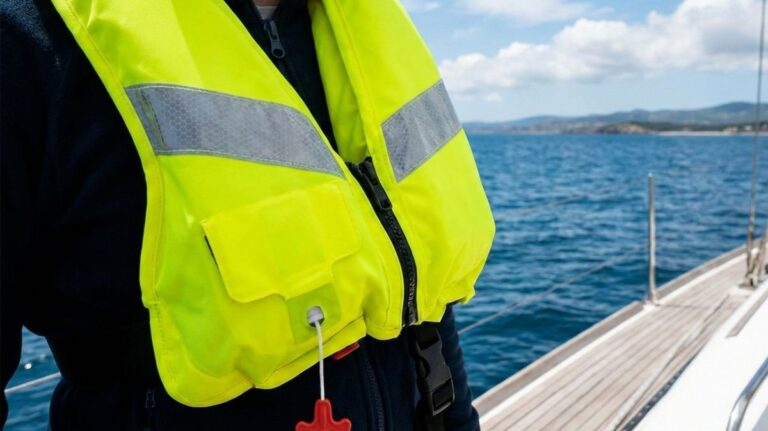
When Should You Replace A Life Jacket?: Replacement Signs
Replace a life jacket when it shows damage, fails an inspection, or after its recommended service life — don’t take chances.
I’ve inspected, serviced, and used dozens of life jackets over many seasons on lakes and coastal waters. This guide breaks down when you should replace a life jacket, how to inspect one step by step, what different materials mean for lifespan, and practical tips to keep your gear safe and reliable. Read on to learn clear signs, timelines, and real-world advice so you and your crew stay protected on the water.

How long does a life jacket last?
There is no single answer to when should you replace a life jacket? Lifespan depends on type, use, storage, and manufacturer guidance. Simple foam vests can last many years with good care. Inflatable jackets have parts that age and usually need replacement or service sooner.
Generally, follow these rules:
- Replace foam vests that show permanent damage or lost buoyancy.
- Replace or service inflatable life jackets according to the manufacturer’s schedule.
- Replace any jacket after significant impact, prolonged UV exposure, or chemical damage.
From personal work on boats, I’ve seen foam PFDs last a decade when stowed properly. Inflatable PFDs often need service or replacement every 3–5 years. Check the label and log your inspections.

Clear signs you must replace a life jacket
Knowing the signs makes the decision easy. Ask yourself: Is the jacket damaged or not performing?
Watch for these red flags:
- Tears or rips in fabric that expose foam or inner layers.
- Crumbling, hard, or compressed foam that won’t spring back.
- Broken buckles, torn straps, or corroded hardware.
- Inflatable jackets that won’t hold pressure, show leakage, or have expired cylinders.
- Missing or unreadable certification labels, or evidence of repairs done poorly.
If you see any of the above, replace the jacket immediately. Your safety depends on it. I once passed a dive boat where a faded vest had cracked straps — I recommended replacement before the next trip.
Materials, types, and how they affect lifespan
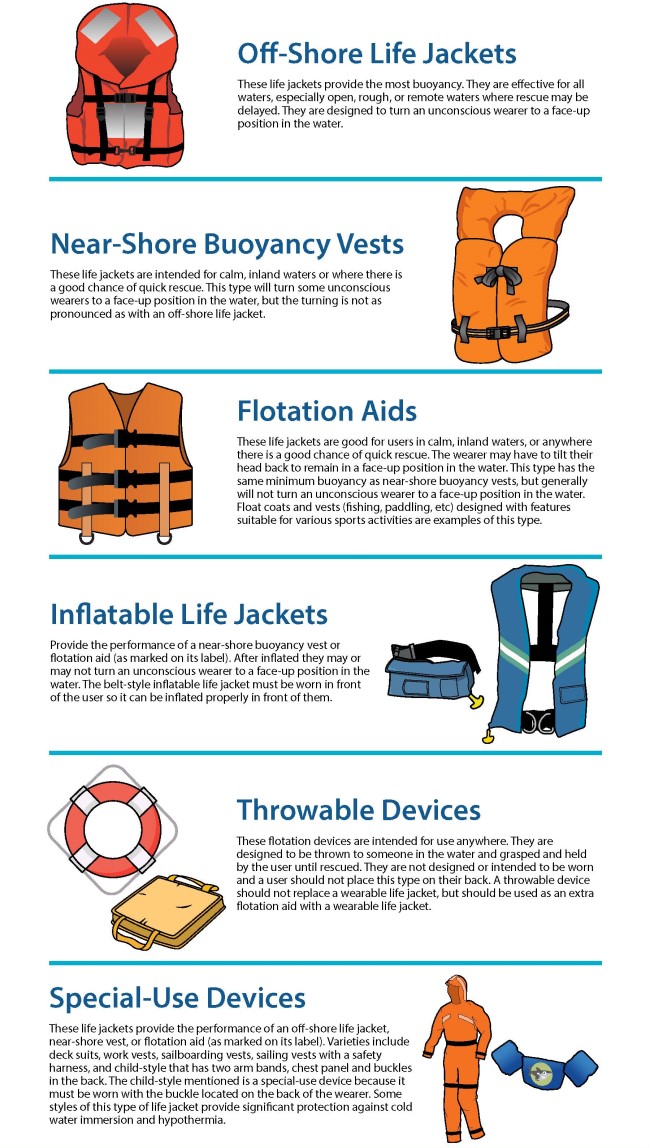
Life jackets come in common types. Each type ages differently and affects when should you replace a life jacket?
Types and lifespan notes:
- Foam (inherently buoyant) jackets
- Durable and low maintenance.
- Foam can break down over many years; replace when foam shows compression or rot.
- Inflatable life jackets (CO2 or replaceable inflation)
- Rely on mechanical parts and gas cylinders.
- Require periodic inspection, and service or replacement per manufacturer.
- Hybrid jackets
- Combine foam and inflatable parts; inspect both systems.
- Throwable cushions and special-use PFDs
- Replace when fabric or buoyant material degrades.
Materials like neoprene and nylon fade under UV light. Salt and chlorine accelerate wear. If you boat year-round, expect faster replacement intervals than casual weekend use.
Step-by-step inspection checklist
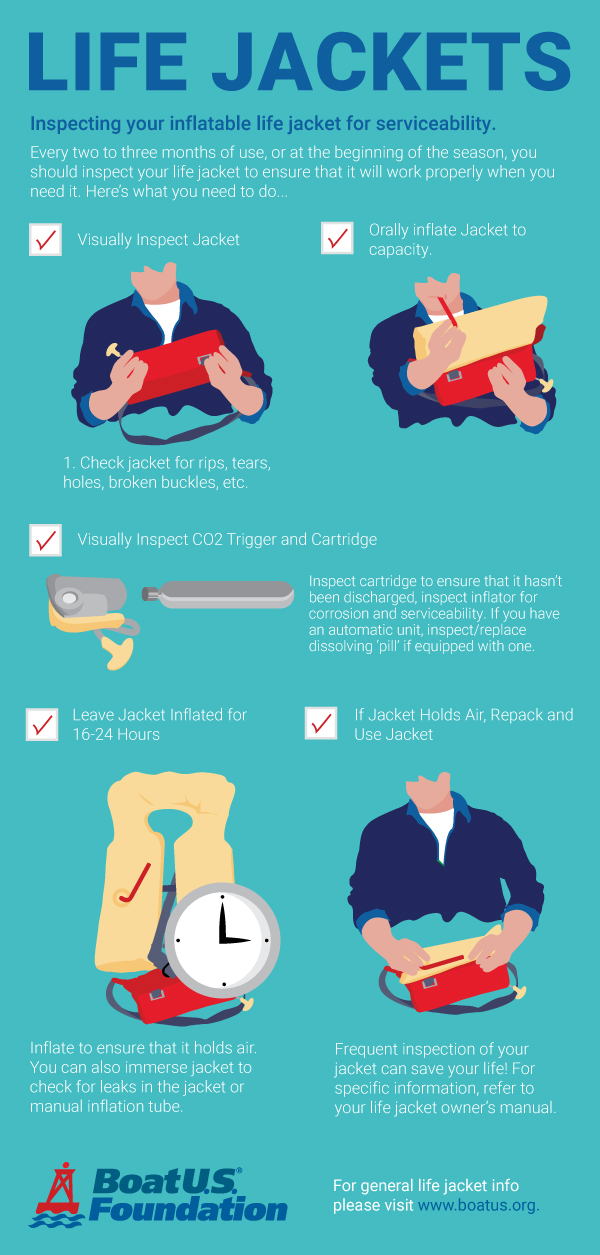
Routine checks help answer when should you replace a life jacket? Inspect before each season and after heavy use.
Follow this simple checklist:
- Visual check
- Look for rips, mildew, broken stitching, and worn straps.
- Foam test
- Press the foam; it should spring back and feel consistent.
- Inflatable system check
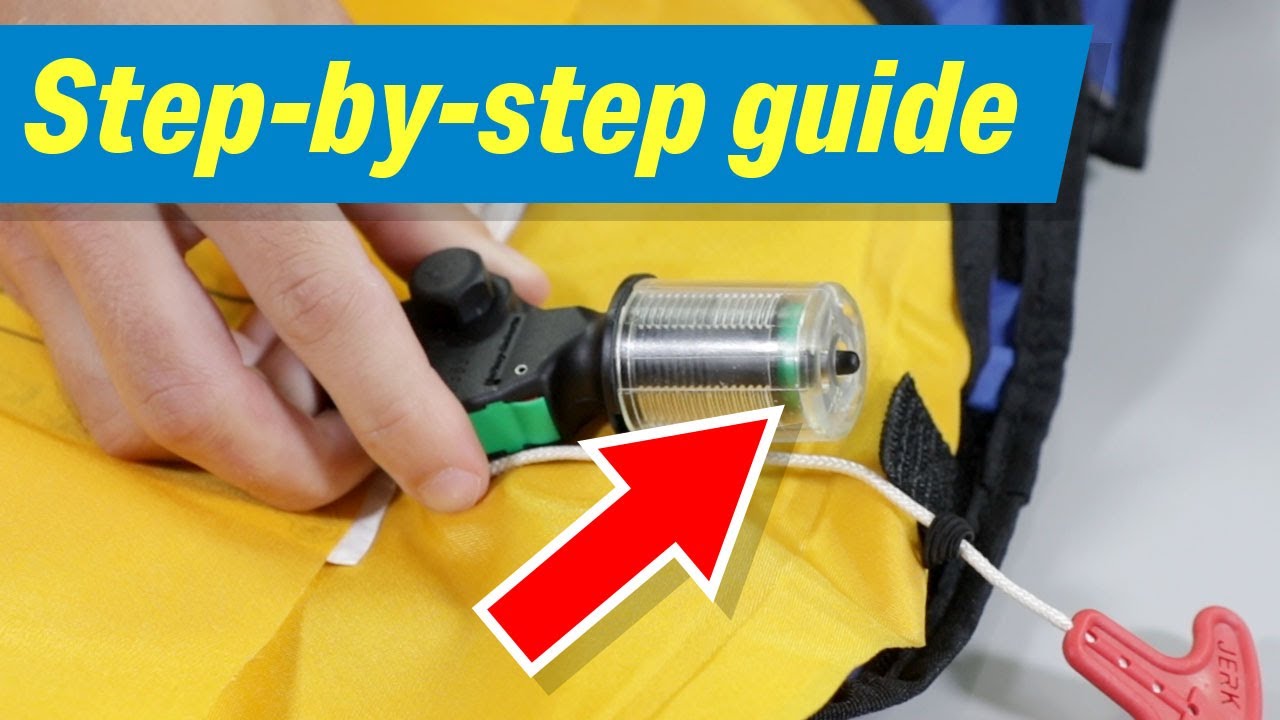
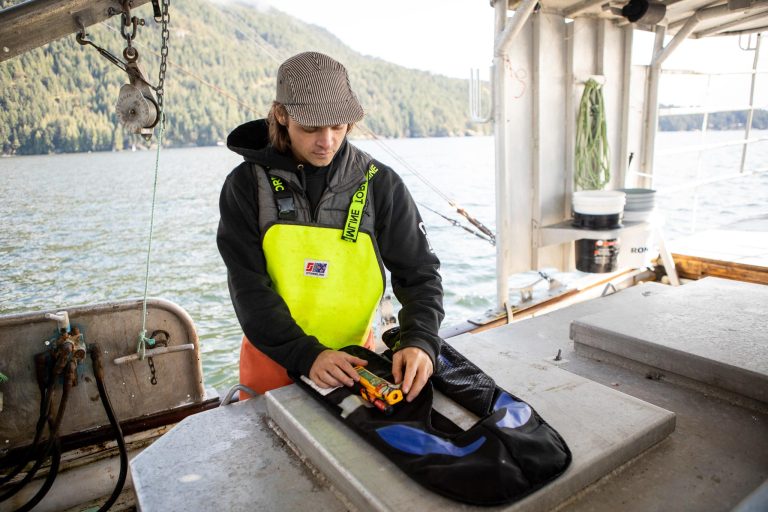
- Verify cylinder weight, indicator status, and that manual inflation cords function.
- Hardware and fit
- Test buckles and zippers. Put the jacket on and have someone pull up at the shoulders to confirm fit.
- Label and certification
- Ensure the USCG approval stamp or local standard is present and readable.
- Float test (recommended by many experts)
- For foam vests, try a simple in-water test in safe, supervised conditions to confirm buoyancy.
PAA-style quick questions:
- How often should inflatable life jackets be serviced? Service typically every 1–3 years or per the manufacturer’s schedule.
- Can a torn life jacket still float? Minor outer rips may not affect buoyancy, but exposed or damaged foam likely reduces floatation and calls for replacement.
- Is a faded jacket unsafe? Fading alone isn’t always unsafe, but UV damage weakens fabric and foam and suggests closer inspection.
I keep a maintenance log for each jacket I use. It helps me track inspections, cylinder swaps, and replacement dates.
Caring, cleaning, and storage to extend service life
Proper care delays when should you replace a life jacket? Yes — good habits add years.
Practical care tips:
- Rinse with fresh water after salt or chlorine exposure.
- Use mild soap and avoid solvents or harsh detergents.
- Air dry out of direct sunlight; don’t use heat sources.
- Store in a cool, dry place. Avoid compressed storage that deforms foam.
- Replace CO2 cylinders after use or if the indicator shows discharge.
- Keep service records and follow manufacturer recertification schedules.
I learned to hang jackets on a wide, padded hook instead of folding them. That small change kept foam from compressing on my family’s vests.

Laws, recalls, and safety standards to watch for
Rules vary, but safety remains key. Knowing legal and recall info helps decide when should you replace a life jacket?
What to check:
- Certification label
- In the United States, a USCG approval or equivalent is a must for regulated waters.
- Manufacturer guidance
- Follow the label and owner manual for service life and inspection intervals.
- Recalls and safety notices
- Stay aware of recalls; a recalled model may need replacement or manufacturer service.
- Local laws
- Some regions require specific PFD types by boat size and activity.
If a jacket failed a recall or lacks a valid approval label, replace it. I track recall lists periodically and advise clients to register products to get automatic notifications.

Buying a replacement and fitting tips
When should you replace a life jacket? When you can no longer trust its condition or performance — and when you buy a replacement, choose wisely.
Buying checklist:
- Match the jacket to the activity
- Kayaking, fishing, and offshore boating need different PFD styles.
- Choose the right size and fit
- Sizes are based on chest size and weight. Try it on with any heavy clothing you’ll wear.
- Check buoyancy rating
- Higher ratings for offshore use. For calm waters, lower-profile options may suffice.
- Prefer replaceable parts
- Models with replaceable cylinders and service centers extend useful life.
- Recycle or responsibly discard old jackets
- Follow local disposal rules. Foam can often be recycled through specialty programs.
A tight fit is safer. I once rescued a child whose oversized vest slipped up over the chin; a snug, properly sized jacket prevented worse outcomes in later trips.
Frequently Asked Questions of When Should You Replace a Life Jacket?
How often should I inspect my life jacket?
Inspect before each season and after hard use; perform a quick visual check before every outing.
Are inflatable life jackets less reliable than foam?
Inflatable jackets can be very reliable but need more maintenance; foam vests are lower maintenance and often more durable.
Can I repair a damaged life jacket myself?
Small fabric tears can be repaired, but repairs to foam or inflatable bladders should be done by professionals or the manufacturer.
Is there a legal expiry date for life jackets?
There is usually no universal expiry date, but manufacturers may give service intervals, and some jurisdictions require compliant, unmodified gear.
What if a life jacket gets wet and smells moldy?
Clean with mild soap and water, dry thoroughly, and replace if mildew has damaged fabric or foam integrity.
Conclusion
Replace a life jacket when it fails inspection, shows material or inflation damage, or when manufacturer guidance calls for service or replacement. Regular checks, simple care, and proper fit help you stretch a jacket’s service life but never compromise on safety. Make a habit of inspecting gear, logging service, and replacing any suspect jacket promptly. Take action today: check your jackets, schedule needed service, and ensure every person on your boat wears a properly fitted, reliable life jacket. Leave a comment or share your inspection tips below.