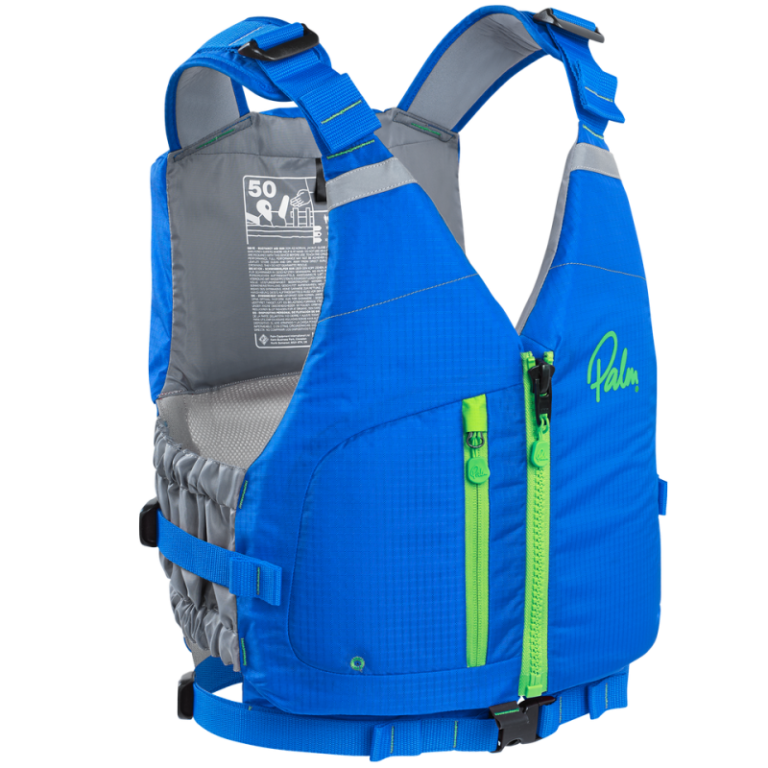
What Life Jacket Is Best For Sailing?: Top Picks & Tips
Best life jacket for sailing is a snug, ISO-approved inflatable PFD with a harness and manual backup.
I’ve sailed for over a decade in coastal and offshore conditions, tested many PFDs, and worked with pro sailors and safety officers. This guide breaks down which life jacket for sailing fits your boat, conditions, and crew. Read on to learn practical tips, real-world tests, fitting steps, and a clear buying checklist so you pick the right life jacket for sailing with confidence.
Why choosing the right life jacket matters
A life jacket for sailing is not just gear. It is a safety system that keeps you alive, visible, and recoverable. Wind, waves, and cold water change the odds fast. A well-chosen life jacket reduces hypothermia risk, helps you stay face-up, and makes rescue easier.
Good choices consider type, buoyancy, fit, and features for sailing tasks. The wrong PFD can ride up, restrict movement, or fail when you need it most. Prioritize proven designs that match your sailing style and environment.
Types of life jackets suitable for sailing
Choosing a life jacket for sailing starts with knowing the main types and their trade-offs.
-
Foam PFDs (Type III)
- Stable, always buoyant, and low maintenance.
- Great for day sailing and dinghies where mobility matters.
-
Inflatable PFDs (Automatic or Manual)
- Low bulk and high comfort. Activate on immersion or by pull.
- Best for experienced sailors and offshore use when combined with a harness.
-
Offshore/Heavy-Duty PFDs (Type I or specialized offshore)
- High buoyancy and head support to turn an unconscious person face-up.
- Preferred for long offshore passages and rough weather.
-
Hybrid and Buoyancy Aids
- Combine foam with inflatable chambers.
- Good for racing and high-mobility needs, if properly rated.
-
PFDs with Safety Harnesses
- Include strong attachment points for tethers or jacklines.
- Essential for short-handed offshore sailing and cold-water work.
When selecting a life jacket for sailing, match the type to the risk level and required mobility. For dinghies, choose mobility-first PFDs. For bluewater, choose buoyancy-first PFDs with harness options.
Key features to look for in a life jacket for sailing
Focus on features that matter in real emergencies.
-
Buoyancy rating
- Look for ratings that support your weight plus gear.
- Offshore sailors often choose higher buoyancy for clothing and gear.
-
Fit and cut
- A life jacket for sailing must fit snugly and allow full arm movement.
- Test reach, rotation, and ability to perform sailing tasks.
-
Harness and attachment points
- A certified harness point is vital for clipping to a tether or jackline.
- Check stitching and webbing strength.
-
Inflation type
- Automatic inflators trigger on immersion; manual gives control.
- Many sailors prefer a combination: auto with manual backup.
-
Materials and durability
- UV, salt, and abrasion resistance extend service life.
- Reinforced panels and good zippers lower failure risk.
-
Rescue and visibility features
- Reflective tape, whistle, crotch straps, and high-visibility colors help rescuers.
- A lifting strap and rescue grab handle speed recovery.
-
Comfort and storage
– Pockets for knives, strobe lights, and radios are useful on deck.- Comfort matters; people are more likely to wear comfortable PFDs.
People also ask
- Which is safer, foam or inflatable for sailing?
- Foam is always buoyant and low maintenance; inflatable offers less bulk but needs servicing.
- Can I use a life jacket for sailing while wearing a harness?
- Yes, choose PFDs with certified harness points or wear a separate harness over the jacket.
When evaluating features, keep your sailing type in mind. The best life jacket for sailing balances visibility, flotation, and mobility.
Choosing a life jacket for different sailing scenarios
Different sailing demands change the ideal life jacket for sailing.
-
Day coastal sailing
- Use a Type III or comfortable inflatable with adequate buoyancy and pockets.
-
Offshore cruising
- Choose an offshore-rated PFD with high buoyancy, head support, harness, and strobe attachment.
-
Racing and dinghy sailing
- Opt for low-profile buoyancy aids or hybrid PFDs that allow quick movement and provide enough floatation.
-
Cold water or heavy weather
- Pick an insulated, high-buoyancy jacket and consider an automatic inflator for quick inflation.
-
Family and kids
- Use ISO-approved child-sized PFDs with crotch straps and secure fit. Bright colors help visibility.
Always match the life jacket for sailing to the crew’s skill level. Novices should choose simpler, more fail-safe designs. Experienced sailors can select lower-profile gear but should accept the maintenance responsibilities that inflatables bring.
Fit, sizing, and how to test a life jacket
Fit is the most critical factor when selecting a life jacket for sailing.
-
How to size
- Use the manufacturer’s weight and chest-size chart.
- Try jackets with typical sailing clothing on.
-
Quick fit test on land
- Zip and tighten; have someone lift the shoulders—jacket should not pull over the chin.
- Raise arms, bend forward; jacket should stay in place.
-
Water testing
- Test in shallow, controlled water with a buddy.
- Check face-up flotation and breathing comfort.
-
Regular re-checks
- Re-test after repairs or when the jacket feels loose.
- Children grow fast—re-check sizing each season.
A correctly fitted life jacket for sailing stays secure without choking and allows you to move. If in doubt, choose a professional fitting at a marine store.
Maintenance, inspection, and legal requirements
A life jacket for sailing only works if it’s serviceable.
-
Routine checks
- Inspect seams, straps, buckles, and inflation canisters monthly.
- Replace worn crotch straps and frayed webbing.
-
Inflatable care
- Check the CO2 cylinder and inflate chambers for leaks periodically.
- Follow service intervals recommended by the manufacturer.
-
Cleaning and storage
- Rinse with fresh water, dry out of direct sun, and store in a cool, ventilated place.
-
Legal and certification notes
- Know local and flagstate PFD requirements for your waters.
- Look for ISO or regional approvals and follow carriage regulations for offshore voyages.
Transparency matters. If a life jacket for sailing shows damage, retire it. Don’t risk a critical failure at sea.
My experience: lessons learned and practical tips
From years on deck I learned what matters in real conditions.
-
Comfort equals compliance
- Crew wore comfortable PFDs consistently. Uncomfortable jackets often ended up stowed.
-
Harness attachment saved a man overboard recovery effort
- Having proper harness points made tethering and recovery smoother.
-
Service your inflatables
- I saw an inflatable fail after years without an inspection. Regular service prevented a second failure.
-
Bright color and a strobe made a huge visual difference during dusk rescues
- Visibility matters more than you think.
Practical tip: buy and test a life jacket for sailing before you need it. Try drills in daylight and dawn conditions to know how gear performs.
Top picks and a simple buying checklist
I won’t list every brand. Instead, use this checklist when you shop for a life jacket for sailing.
Buying checklist
- Certification and buoyancy rating meet your sailing plans.
- Proper fit with typical sailing clothing.
- Harness point or compatibility with a separate harness.
- Inflation type and backup system if using inflatable PFDs.
- Visibility features: color, reflectors, strobe/light mount.
- Pockets and attachment points for safety tools.
- Service history and easy maintenance procedures.
- Comfort for long wear and minimal chafing.
- Positive user reviews from sailors in similar conditions.
Use this checklist at the store or online to compare models quickly. Prioritize safety and fit over looks.
Frequently Asked Questions of What Life Jacket is Best for Sailing?
What type of life jacket is best for offshore sailing?
Offshore sailing calls for high-buoyancy, head-support PFDs or certified offshore jackets with harness points and life-saving features. Choose a jacket designed for rough seas and extended rescue times.
Are inflatable life jackets safe for sailing?
Inflatables are safe when properly maintained and paired with manual backup. They offer mobility and comfort but require regular servicing and awareness of possible failure modes.
Do I need a harness with my life jacket for sailing?
If you sail offshore or short-handed, a harness is strongly recommended to clip onto jacklines. A harness prevents being swept overboard and aids in controlled movement on deck.
How should a child’s life jacket for sailing fit?
A child’s PFD must be snug, have a crotch strap, and include a grab handle. Always test the fit in water and ensure the jacket turns the child face-up.
How often should I service an inflatable life jacket for sailing?
Service intervals depend on manufacturer guidelines, but an annual check is common for active sailors. Inspect canisters, inflation mechanics, and bladder integrity regularly.
Conclusion
Choosing the best life jacket for sailing means matching type, fit, and features to your boat, crew, and conditions. Prioritize certification, correct fit, harness capability, and visibility. Test your PFDs in calm water, keep them serviced, and teach your crew basic recovery drills.
Take action today: measure your crew, review the buying checklist, and replace any worn or unserviceable jackets. Leave a comment with your experiences, subscribe for gear guides, or try a fitting session at a local marine store to find the right life jacket for sailing.