What Life Jacket Is Best For Beginners?: Top Picks
A U.S. Coast Guard–approved Type III or inherently buoyant PFD is the best, easiest choice for beginners.
As a long-time paddler and safety instructor, I’ll walk you through clear, practical guidance on what to look for. This article explains what life jacket is best for beginners, why that option works for most people, and how to pick one that fits your body, activity, and safety needs. Read on to make a confident choice and stay safe on the water.
What Life Jacket is Best for Beginners?
When you ask What Life Jacket is Best for Beginners? pick a comfortable, U.S. Coast Guard–approved Type III or an inherently buoyant PFD. These jackets balance comfort, mobility, and flotation for most recreational uses.
Type III PFDs feel like a vest. They sit close to the body. They let you swim, paddle, and move with ease. They are easier to wear for long sessions and are usually the top pick for new boaters, kayakers, and SUP users. If you plan to go offshore or into rough water, consider a Type I for extra turning power. What Life Jacket is Best for Beginners? is often contextual, but the Type III answer fits most casual outings.
Types of Life Jackets and When to Use Them
There are five main U.S. Coast Guard PFD types. Knowing each helps you pick the right one.
- Type I: Best for offshore and rough seas. It gives the most flotation and is likely to turn an unconscious wearer face-up. Rare for day paddling.
- Type II: Good for calm, near-shore waters. Less bulky than Type I but not ideal for non-swimmers.
- Type III: Best for many beginners. Comfortable, allows movement, and is common for boating and paddling.
- Type IV: Throwable devices. Keep one on board but they do not replace a wearable PFD.
- Type V: Special-use devices. They work for specific activities but follow label rules for where to use them.
What Life Jacket is Best for Beginners? usually means Type III for recreation, with exceptions for offshore trips and non-swimmers. Inflatables can be Type V or hybrid; they are compact but need maintenance and may not be ideal for children or non-swimmers.
Key Features Beginners Should Look For
Know the features that matter. These make the difference between a jacket you will wear and one you will not.
- U.S. Coast Guard approval. Check the label for certification.
- Proper buoyancy. Most adult recreational vests offer roughly 15.5 pounds of flotation. That is enough for most adults.
- Secure fit. Adjustable straps across the chest and waist keep the jacket in place.
- Comfortable cut. Look for a high-cut under the arms for paddling. Avoid bulky coats that block movement.
- Visible color and reflective tape. Bright colors and reflectors improve visibility in rescue situations.
- Safety harness or crotch strap for kids or rough water. These prevent jackets from riding up.
- Manual or automatic inflatables only for experienced users or those comfortable with maintenance.
- Zippers and buckles that are strong and easy to use.
If you keep asking What Life Jacket is Best for Beginners? focus on comfort, approval, and visibility over bells and whistles. Choose something you will wear every time.
How to Choose Based on Activity
Different activities change the best choice. Match the jacket to how you will use it.
-
Kayaking and stand-up paddleboarding
Choose a low-profile Type III with a high arm cut. You need freedom to paddle and good range of motion. -
Boating and fishing
Pick a comfortable Type III with pockets and durable fabric. For offshore boating, upgrade to Type I if you expect rough seas. -
Whitewater rafting
Use a PFD designed for whitewater. These often have thicker foam and extra straps. Avoid inflatables here. -
Sailing
Consider a PFD with a quick-release harness option. Offshore sailing may require Type I or specialized safety gear. -
Children and infants
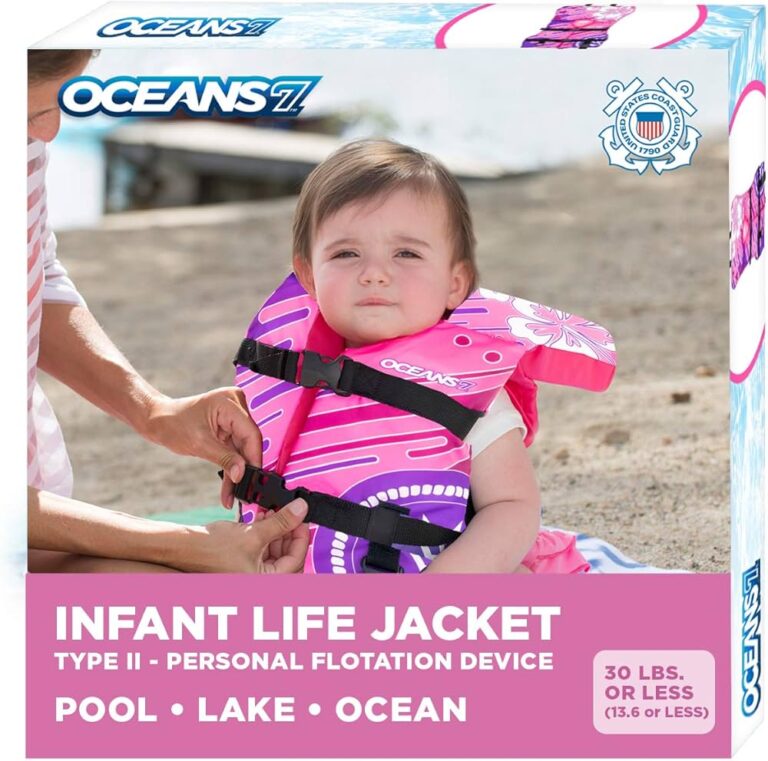
Buy a PFD that fits by weight and chest size. Look for a head support or grab handle for very young kids.
When evaluating What Life Jacket is Best for Beginners? always tie the decision to your main activity. Comfort and fit beat style every time.
Fit, Sizing, and How to Test a Life Jacket
A properly fitted jacket saves lives. Follow these simple steps.
- Check the label for size by weight and chest measurement. Try the jacket on before you buy.
- Fasten all straps, zippers, and buckles. Pull them snug but not painfully tight.
- Lift the jacket at the shoulders. It should not ride above your chin or ears. If it does, try a smaller size.
- Water test in a shallow pool if possible. With a helper, slip on the jacket and let them gently pull up on the shoulders. Your mouth and nose should stay well clear of the water if the jacket fits.
Remember to ask What Life Jacket is Best for Beginners? and then test that exact model for fit. Comfort during motion is key.
Maintenance, Inspection, and Legal Requirements
Take care of your PFD. It must work when you need it.
- Inspect before each season. Look for tears, broken seams, or frayed straps.
- Rinse with fresh water after saltwater use. Hang to dry away from direct sun.
- For inflatables, check the CO2 canister, bladder, and automatic mechanism annually.
- Replace a PFD that shows damage, loses buoyancy, or fails a water test.
- Know local laws. Many areas require PFDs on board for everyone and for certain ages to wear them.
As you ask What Life Jacket is Best for Beginners? remember that a neglected jacket is not safe. Regular checks build trust in your gear.
Personal Experience: Lessons Learned and Common Mistakes
I’ve taught dozens of beginners and made my own mistakes. Here are the lessons I share.
- I once bought a stylish vest that felt stiff. I left it in the garage and wore nothing. Lesson: comfort matters more than looks.
- New paddlers often choose inflatables for packability. I now advise testing inflatables first and learning maintenance. They can fail if not serviced.
- For kids, I have seen jackets ride up. A crotch strap or snug fit fixes this. Always try a water test for kids.
- I learned to steer beginners away from oversized jackets. Big jackets feel secure but hinder swimming and can cause trouble in the water.
If you still wonder What Life Jacket is Best for Beginners? trust a proven Type III, try it on, and test it in calm water. That approach served me and my students well.
Frequently Asked Questions of What Life Jacket is Best for Beginners?
What type of life jacket should a complete non-swimmer choose?
A non-swimmer should choose a PFD with strong flotation and good head support. Consider a Type I for offshore trips or an inherently buoyant vest that the label recommends for non-swimmers.
Are inflatable life jackets good for beginners?
Inflatables are compact and comfortable but need regular maintenance and may not be ideal for non-swimmers. Beginners often do better with a foam Type III until they learn about inflation systems.
How tight should a beginner wear a life jacket?
Wear it snug enough that it does not lift when you pull up at the shoulders. You should be able to move and breathe easily but not have excess slack.
Can a life jacket turn an unconscious person face-up?
Some jackets, especially Type I, are designed to turn an unconscious person face-up. Type III jackets may or may not, so choose accordingly for offshore use.
How often should I replace my life jacket?
Replace a PFD if it shows damage, loses buoyancy, or fails a water test. For inflatables, follow manufacturer service intervals for canisters and bladders.
Conclusion
Choosing the right PFD is simple if you focus on safety, fit, and comfort. For most new boaters and paddlers, a U.S. Coast Guard–approved Type III or an inherently buoyant vest answers the question What Life Jacket is Best for Beginners? Try the jacket on, test it in calm water, and pick a bright color with reflective trim. Take one action today: try on a recommended Type III at a local shop or testing pool, and commit to wearing a PFD on every trip. Share your experience or questions below and stay safe on the water.