What Is The Safest Life Jacket Type?: Top Safe Picks
The safest life jacket type is a Coast Guard–approved Type I offshore PFD for rough, open water and unconscious wear.
I’ve taught boating safety and tested PFDs on lakes and coastal trips for years. I know how different jackets behave in wind, waves, and cold. This guide explains which life jacket performs best, why fit and wear matter more than style, and how to pick the safest life jacket type for your activity and conditions. Read on for clear, practical advice you can use today.
Why choosing the safest life jacket type matters
A life jacket can be the difference between survival and tragedy. Choosing the safest life jacket type lowers drowning risk, reduces hypothermia time, and improves rescue chances. Different jackets suit different situations. Offshore jackets are built to flip an unconscious person face-up. Inflatable jackets offer comfort and high buoyancy if worn and maintained. I’ll walk you through trade-offs so you can match a PFD to your needs and stay safe on the water.
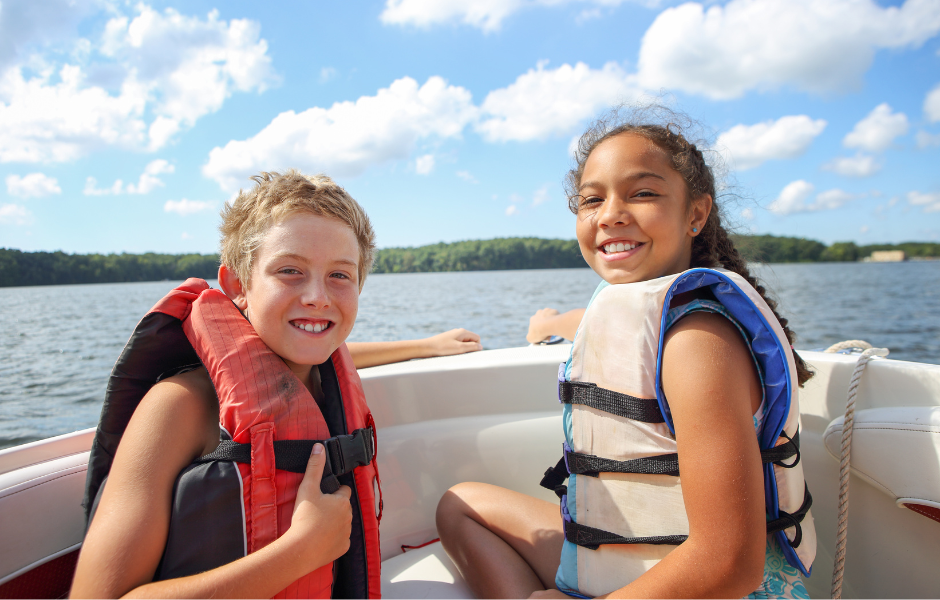
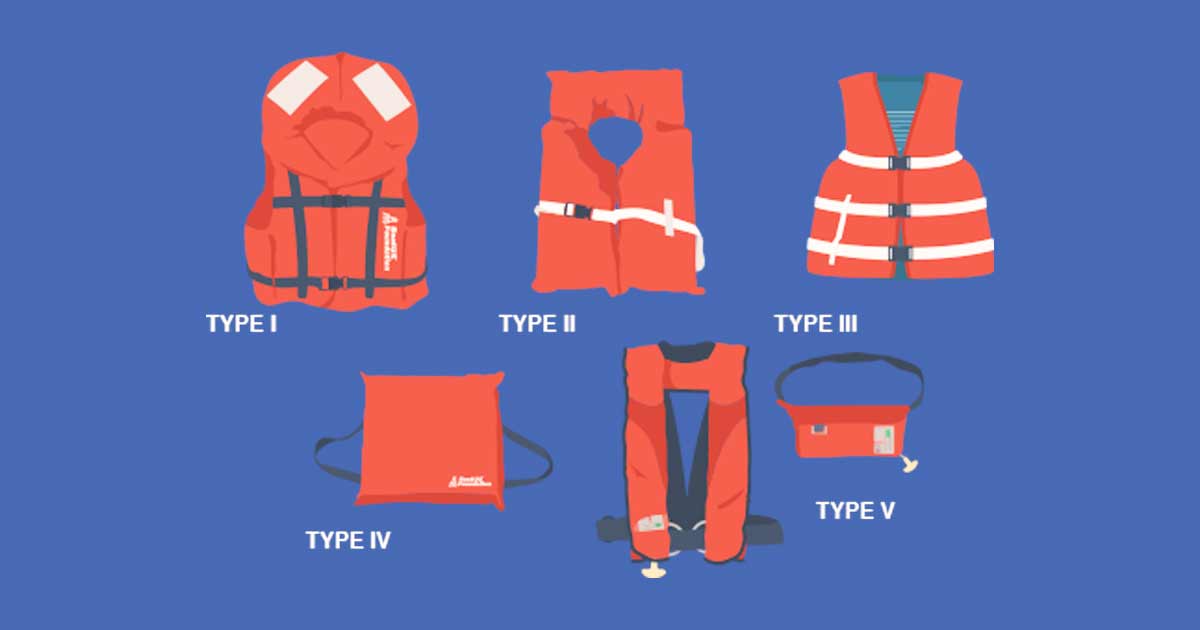
Types of life jackets and what they do
Below is a clear breakdown of common PFD categories and how they perform. Knowing these basics helps you pick the safest life jacket type for your trip.
-
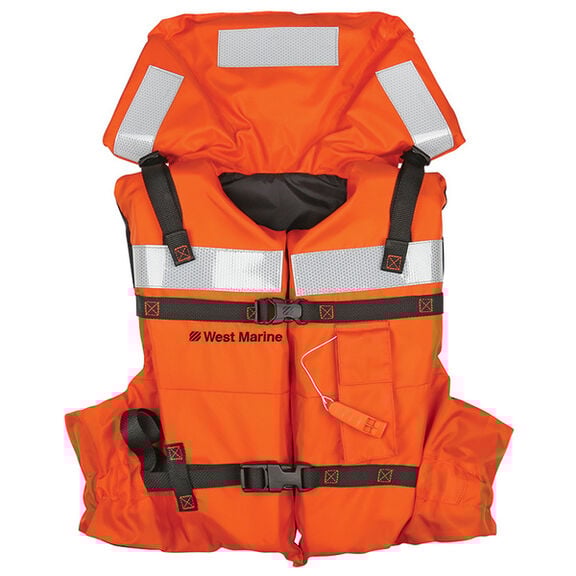
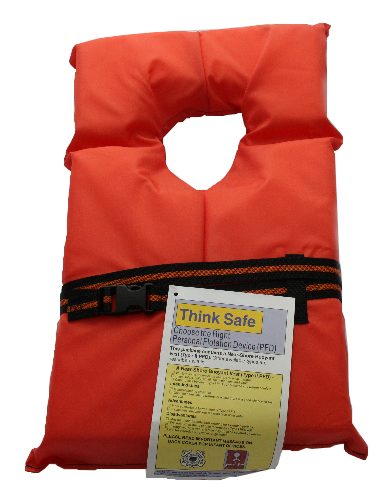
Type I — Offshore life jacket
- High buoyancy and large coverage.
- Designed to turn an unconscious person face-up.
- Best for open water, rough seas, overnight trips, and remote areas.
- Limitation: bulky and hot for constant wear.
-
Type II — Near-shore buoyant vest
- Moderate buoyancy and some self-righting ability.
- Good for calm, near-shore waters and quick rescues.
- Limitation: less reliable for unconscious victims or rough seas.
-
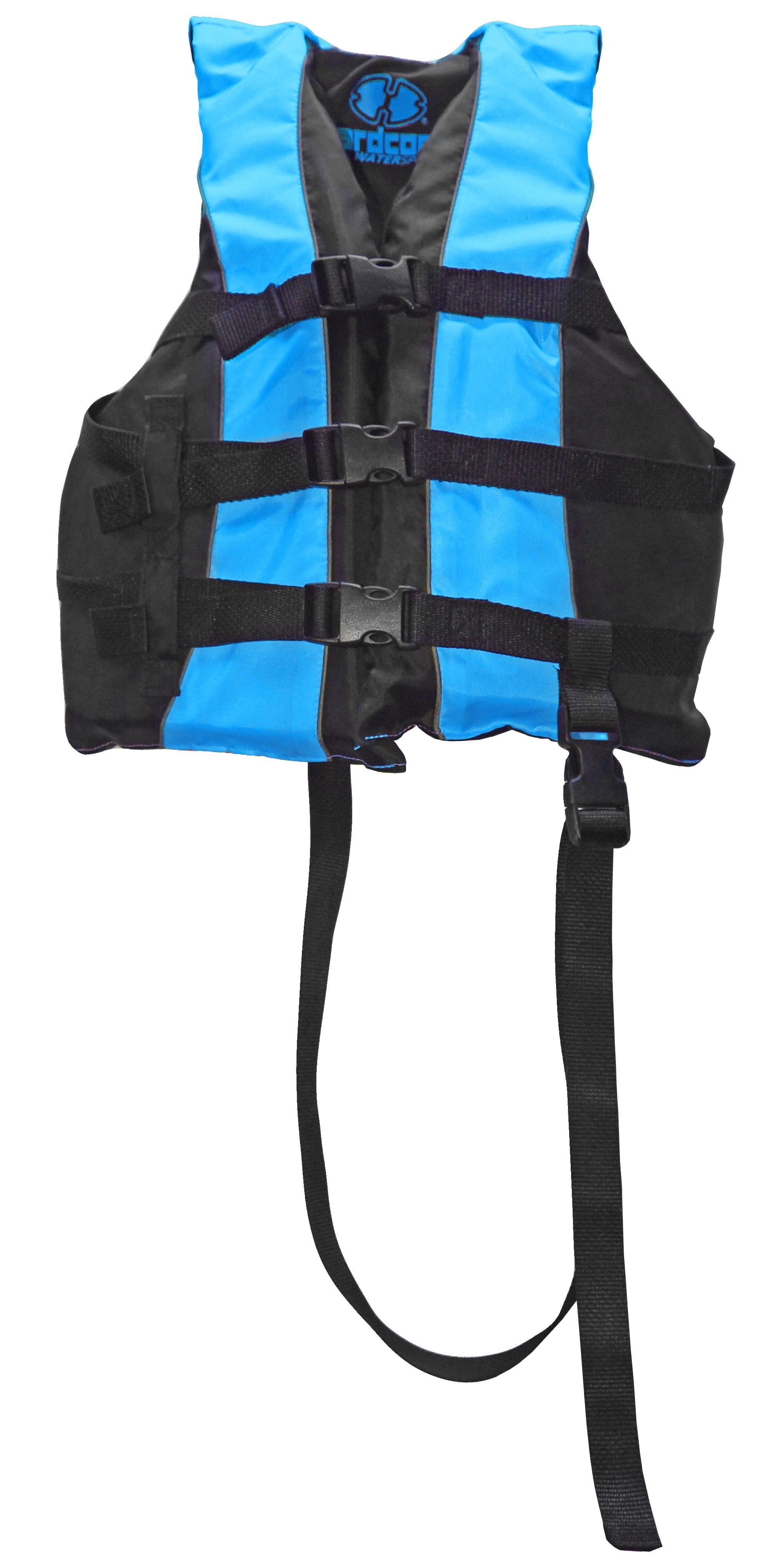
Type III — Flotation aid (boat vest)
- Comfortable and allows mobility.
- Ideal for water sports, paddling, and anglers who want freedom of movement.
- Limitation: may not turn an unconscious person face-up.
-
Type IV — Throwable device (cushion, ring buoy)
- Not wearable; used to throw to someone in the water.
- Good backup for boats; not a primary personal PFD.
-
Type V — Special use (inflatable, work vests, hybrid)
- Designed for specific activities with high performance when used correctly.
- Many are inflatable. They can be compact and comfortable.
- Limitation: some Type V inflatables require activation or must be worn to count as protection.
-
Inflatable PFDs (automatic or manual)
- Very comfortable and high buoyancy when inflated.
- Automatic units inflate on water contact; manual require pulling a cord.
- Limitation: if not armed, damaged, or not worn, they offer no protection.
-
Hybrid and foam-duty vests
- Combine foam and inflatable elements for balanced buoyancy and comfort.
- Good compromise for varied use.
I recommend matching the type to conditions. For offshore trips, the safest life jacket type is almost always a Type I or a fully wearable automatic inflatable certified for offshore use.
Which is the safest life jacket type? A clear verdict and nuance
Short answer: for raw safety in rough or open water, the safest life jacket type is a Coast Guard–approved Type I offshore life jacket because it maximizes buoyancy and turns an unconscious wearer face-up. That makes it the most forgiving in worst-case scenarios.
But context matters. If you boat only on calm lakes, a comfortable Type III or a reliable inflatable may be safer in practice because people actually keep them on. The real truth is this: the safest life jacket type is the one you will wear correctly, every time.
Personal note from years on the water
I once spent an afternoon testing jackets in cold lake water. A Type I kept a simulated unconscious body face-up consistently. An uninflated wearable went under. I learned this: durable flotation and proper fit beat style every time.
PAA-style questions (short, practical)
Will an inflatable life jacket keep me safe in rough water?
An inflatable can provide high buoyancy if it inflates and is in good condition. For rough offshore water, choose an inflatable rated for offshore use or stick with a Type I for more reliability.
Is a Type III life jacket safe for children?
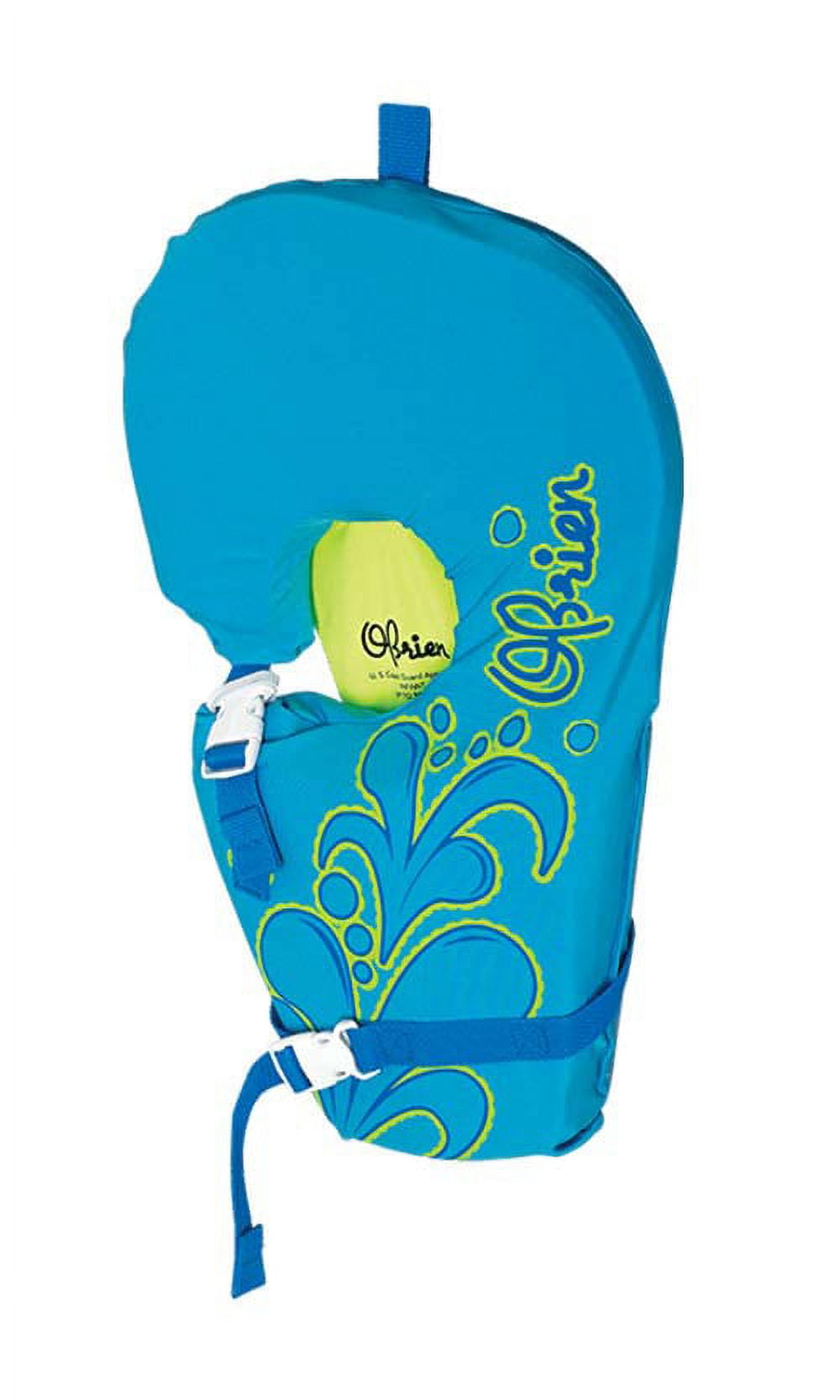
Type III vests are OK for calm, supervised water. For young children, pick a child-sized life jacket with head support and the right USCG approval to ensure a safer fit and flotation.
Can throwable devices replace wearable life jackets?
No. Throwable devices are backup tools for rescuers. Wearable PFDs are required personal protection and are the primary safeguard for individuals in the water.
How to choose and use the safest life jacket type — practical checklist
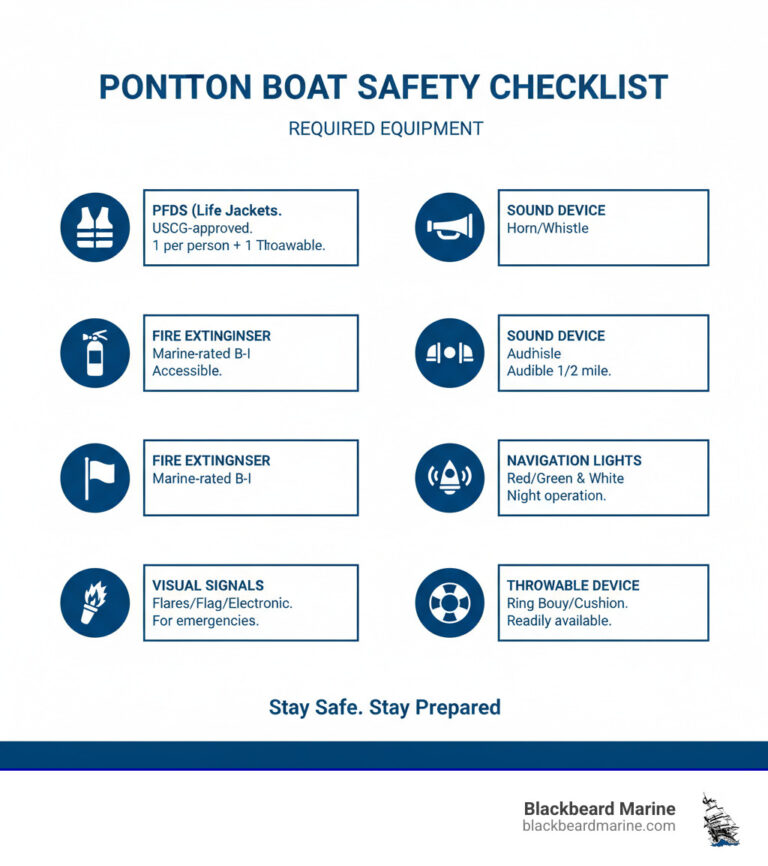
Choosing a safe PFD is about more than label type. Use this checklist when buying, fitting, and using a jacket.
-
Check certification
- Ensure the jacket is Coast Guard–approved or certified for your country.
- Look for approval labels and buoyancy ratings.
-
Match the PFD to your activity
- Type I or offshore-rated inflatables for offshore or rough water.
- Type III or sport inflatables for paddling and watersports.
- Type II for calm, near-shore boating.
-
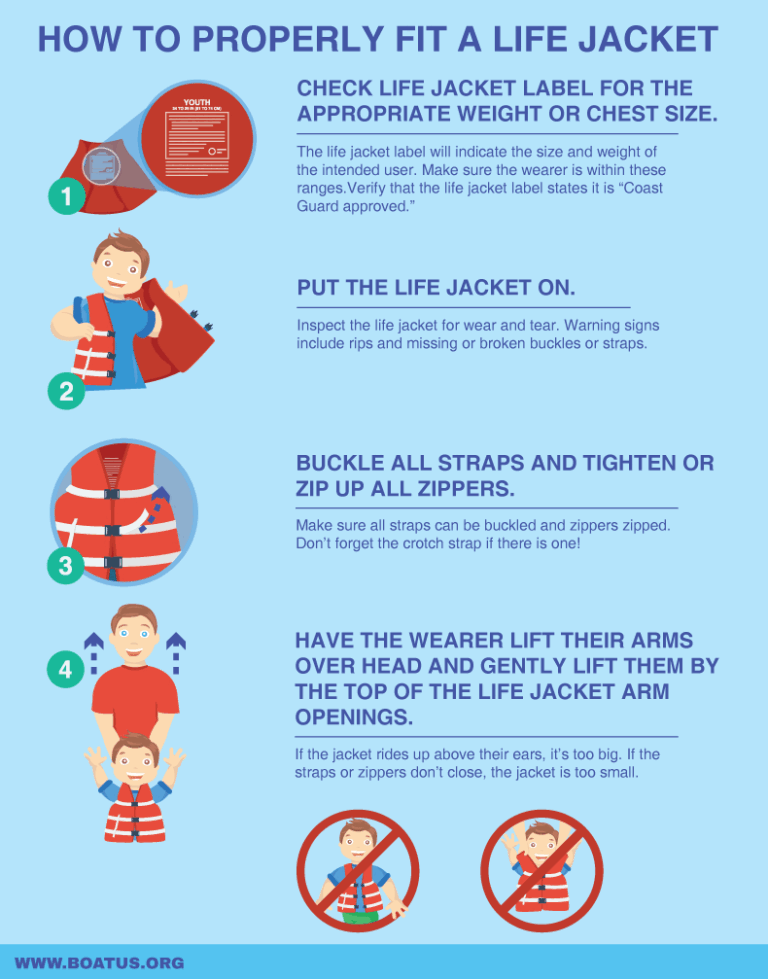
Size and fit
- Try the jacket on with clothing you will wear on the water.
- The jacket should not ride above your chin or ears when pulled at the shoulders.
- For children, use crotch straps and proper child sizing.
-
Maintenance and inspection
- Check for tears, leaks, and corroded components.
- For inflatables, inspect the gas cartridge and replace as recommended.
- Rinse with fresh water after salt use and store dry.
-
Wear it, don’t stow it
- The best jacket is the one you wear. Comfortable jackets increase compliance.
- Teach guests and kids to keep PFDs on whenever on deck or near water.
-
Special features to consider
- Reflective tape, whistle, and crotch straps add rescue value.
- Bright colors improve visibility.
I recommend trying different brands and models. Comfort leads to consistent use. If you must choose one universal PFD for a family boat that may go offshore, pick a Coast Guard–approved Type I or an offshore-rated automatic inflatable and ensure everyone has a proper fit.
Common myths and mistakes that reduce PFD safety
Many people choose the wrong jacket or use it incorrectly. Avoid these common errors.
- Myth: More pockets mean safer. Reality: Pockets don’t improve buoyancy or self-righting.
- Mistake: Buying the wrong size. A loose PFD can slip off in waves.
- Myth: Inflatable PFDs are unsafe. Reality: Properly maintained inflatables can outperform foam if they deploy.
- Mistake: Leaving the jacket on the boat. If not worn, even the safest life jacket type won’t help.
- Mistake: Ignoring child-specific designs. Kids need jackets with head support and proper fit.
Frequently Asked Questions of What Is the Safest Life Jacket Type?
What life jacket is best for open ocean?
A Coast Guard–approved Type I offshore life jacket is best for open ocean because it offers the highest buoyancy and can turn an unconscious wearer face-up.
Are inflatable life jackets safe for all boaters?
Inflatable life jackets are safe when worn, armed, and maintained. For unrestricted offshore use, choose inflatables rated for offshore conditions or stick with Type I foam PFDs.
Which life jacket type is best for kayaking?
Type III or specialized paddling Type V PFDs are best for kayaking because they allow mobility while providing flotation suited for self-rescue.
How should a life jacket fit?
A life jacket should fit snugly, not ride up when you pull up on the shoulders, and allow full arm movement. For children, use crotch straps for added security.
Can you repair a damaged life jacket?
Minor repairs like stitching tears are possible if buoyant foam isn’t compromised. Inflatable repairs often require factory service; follow manufacturer guidance.
Do I need a life jacket if I can swim?
Yes. Strong swimmers can still become unconscious, become hypothermic, or be injured. Wearing a PFD adds critical protection in emergencies.
How often should I replace a life jacket?
Replace foam PFDs if they show significant damage or loss of flotation. For inflatables, follow manufacturer timelines and replace used or expired cartridges and components.
Conclusion
Choosing the safest life jacket type means balancing design, approval, and real-world use. For worst-case scenarios, a Coast Guard–approved Type I offshore life jacket is the top choice. Yet a jacket you actually wear and maintain will save more lives than the absolute highest-rated model left on the boat. Choose the right type for your water, size it correctly, inspect it often, and commit to wearing it every time you go out.
Take action: check your PFDs today, replace anything damaged or ill-fitting, and pick a jacket your whole crew will wear. Share this guide, subscribe for more safety tips, or leave a comment about your life jacket experience.