What Is The Best Life Jacket For Non-Swimmers?: Top Picks
A high-buoyancy, U.S. Coast Guard–approved Type II vest with secure straps and head support works best.
I’ve spent years testing life jackets on lakes and coastal trips, helping friends and family who can’t swim stay safe. This guide explains what to look for, how to fit a vest, and which models and features truly help non-swimmers. You’ll get clear advice, real-life tips, and a step-by-step way to choose the best life jacket for non-swimmers so you can buy with confidence and keep loved ones safe on the water.
Why the right life jacket matters for non-swimmers
Choosing the right gear can save a life. For someone who can’t swim, buoyancy and head support are the top priorities. A poor fit or low-buoyancy vest can lead to dangerous situations quickly. This is why the question What is the Best Life Jacket for Non-swimmers? matters so much and deserves careful attention.
Key features to look for
Look for these traits when you ask What is the Best Life Jacket for Non-swimmers?
- U.S. Coast Guard approval. Ensures tested buoyancy and design.
- High buoyancy. Helps turn an unconscious person face-up.
- Head support or collar. Keeps the airway clear in rough water.
- Secure straps and crotch strap. Prevents the vest from riding up.
- Bright color and reflective tape. Aids quick rescue and visibility.
- Durable materials and easy closures. For long-term, reliable use.
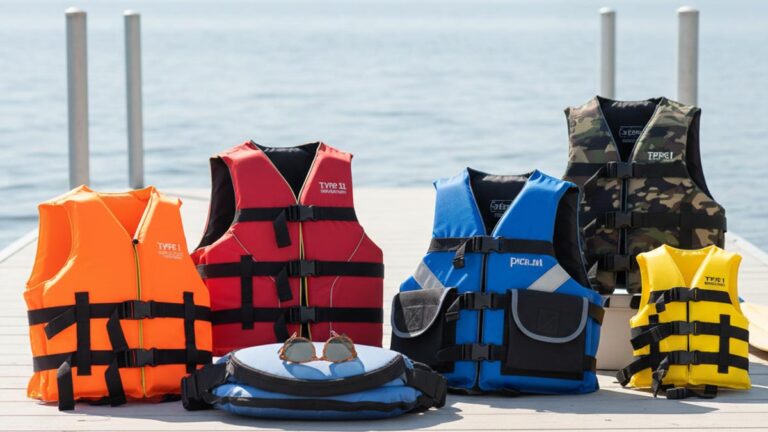
Top life jacket types for non-swimmers
Understanding jacket types answers part of What is the Best Life Jacket for Non-swimmers?
Type II, near-shore buoyant vests
- Often labeled rescue or near-shore.
- Designed to turn many unconscious wearers face-up.
- Good for lakes and calm seas for non-swimmers.
Type I, offshore life jackets
- Highest buoyancy. Best for open water or rough conditions.
- Bulky but most likely to keep an unconscious person face-up.
- Ideal if you expect long rescue times.
Type III, flotation aids
- Comfortable and great for active use.
- Not guaranteed to turn an unconscious person face-up.
- Use Type III only if quick rescue is likely and the vest has extra head support.
Inflatable life jackets
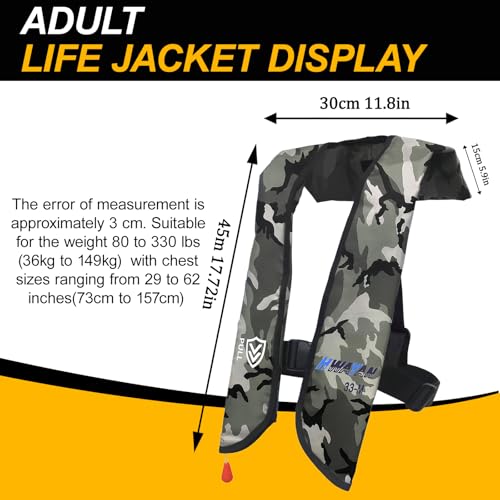
- Lightweight and comfortable when armed.
- Can be manual or automatic inflate on water contact.
- Not ideal for non-swimmers who might not trigger an inflation or who can’t rely on correct positioning. Choose only USCG-approved inflatables and use with caution.
Child-specific and infant designs
- Built with crotch straps and head support.
- Designed for small bodies and different buoyancy needs.
- Always pick a size-based model, not a generic “one size fits all.”
How to choose the best life jacket: step-by-step
A clear process helps answer What is the Best Life Jacket for Non-swimmers?
- Determine the activity and risk
- Calm lake trip needs different protection than offshore boating.
- If rescue may be delayed, favor higher buoyancy.
- Choose the right type
- Start with Type II for most non-swimmers.
- Choose Type I for open water or high risk.
- Match size and weight
- Use the weight and chest size charts on the jacket label.
- For kids, follow the child weight range strictly.
- Fit test on land
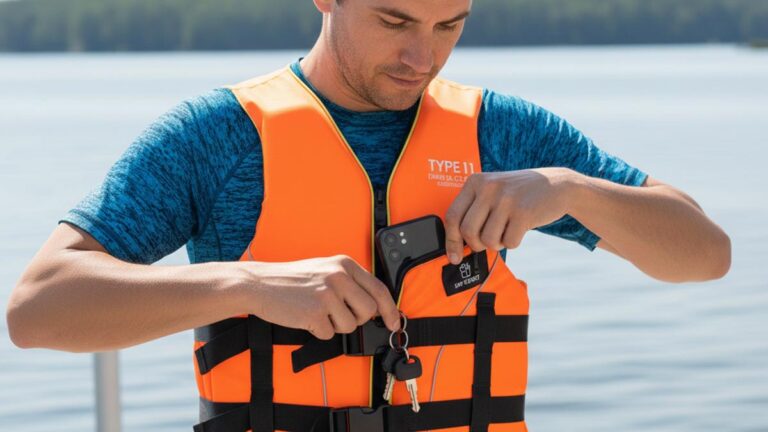
- Fasten all straps. Pull jacket up at the shoulders.
- If the jacket slips over the chin, it’s too big.
- Test in shallow water
- Have a helper hold the wearer. Gently lean back to test flotation.
- Confirm the head stays clear of water and face is above surface.
- Inspect and replace when needed
- Check for tears, sun damage, or broken buckles.
- Replace older jackets that fail inspection or no longer meet standards.
Sizing, fit, and testing on water
Fit is more than comfort. It is survival. A snug vest that stays in place works best for non-swimmers. Use these simple checks.
- Shoulder pull test: Lift at shoulders. Jacket should not slide above the chin.
- Crotch strap: For kids and small bodies, ensure the crotch strap is used.
- Movement test: Have the wearer move arms and bend. The vest should not gap.
- Water test: In shallow water, confirm the wearer floats with the face out of water.
From years on the water, I’ve seen too many vests chosen by size number alone. Always test in water. Sizing and fit answer the practical side of What is the Best Life Jacket for Non-swimmers?.
Common mistakes and safety tips
Avoid these mistakes when answering What is the Best Life Jacket for Non-swimmers?
- Buying a jacket by look alone. Bright color does not equal safety.
- Skipping the crotch strap for small kids. That leads to riding up.
- Using old or damaged jackets. Buoyancy fades and seams fail.
- Assuming inflatables are automatic rescue tools. They can fail if not maintained.
- Letting a non-swimmer wear a loose or oversized vest. A loose fit can be dangerous.
Safety tips
- Always supervise non-swimmers within arm’s reach.
- Keep a throwable floatation device nearby.
- Replace a life jacket after impact, long sun exposure, or visible wear.
Personal experience and lessons learned
I once helped fit a life jacket for a friend who could not swim. We tried three models before finding a Type II vest with a deep collar and a fitted harness. The first two rode up and left the chin low. The final vest kept the head clear and stayed put during a wave test. That day taught me a simple rule: test on water and don’t accept a poor fit.
Lessons I share with friends and readers
- Always prioritize fit over comfort or style.
- Practice putting on and adjusting the vest before heading out.
- Keep spare straps and buckles in your boat kit for quick fixes.
These lessons answer the heart of What is the Best Life Jacket for Non-swimmers? by focusing on real performance, not brand names.
Quick questions non-swimmers ask
Will any life jacket work for a person who can’t swim?
Not all jackets work equally. Choose a high-buoyancy, head-support vest like Type II or Type I for best safety.
Are inflatables safe for non-swimmers?
Inflatables can be risky for non-swimmers unless they inflate reliably and the wearer is properly positioned. Manual or automatic inflatables should be a second choice to inherently buoyant vests.
How often should I replace a life jacket?
Inspect before each season. Replace if foam is hard, seams split, or straps fray. A general rule is every 5–10 years depending on use and wear.
Frequently Asked Questions of What is the Best Life Jacket for Non-swimmers?
What is the most important feature for a non-swimmer’s life jacket?
The most important feature is reliable buoyancy that can keep the wearer face-up, combined with head support. These two traits reduce the risk of drowning if the person is unconscious.
Can a Type III life jacket be used for a non-swimmer?
Type III jackets can be used if a quick rescue is certain and the model includes good head support. For general safety, Type II or Type I is a safer choice for non-swimmers.
Should children wear different life jackets than adults?
Yes. Children need size-specific jackets with crotch straps and extra head support. Use only jackets labeled for the child’s weight and age range.
Are automatic inflatable jackets safe for people who can’t swim?
Automatic inflatables can be helpful but are not foolproof. Mechanical failure, incorrect fit, or delayed inflation can leave a non-swimmer vulnerable.
How do I check if a life jacket is U.S. Coast Guard approved?
Look for the U.S. Coast Guard approval label inside the jacket. Approval confirms the vest met testing standards for buoyancy and design.
Is color or reflectivity important when choosing a vest?
Yes. Bright colors and reflective tape improve visibility in the water and help rescuers find the person faster. Visibility complements buoyancy but does not replace it.
Can adults use child-sized jackets if they are small?
No. Child-sized jackets are sized for body shape and buoyancy needs of children. Adults should use adult-sized jackets that match their weight and chest size.
How should I store a life jacket to extend its life?
Store jackets in a cool, dry place away from sunlight. Rinse fresh water after salt use and let dry before storing to reduce foam breakdown.
Conclusion
Choosing the best life jacket for non-swimmers means picking a high-buoyancy, USCG-approved vest with secure straps and head support. Test the fit on land and in water, favor Type II or Type I for the highest safety, and replace worn gear promptly. Take action today: check your current jackets, test them in shallow water, and upgrade any vest that doesn’t pass a fit and flotation test. Share your experience, ask questions below, or subscribe for more safe-boating tips.