
What Happens If A Life Jacket Is Too Big?: Safety Tips
A life jacket that's too big can slip up, ride over your face, and fail to keep you safely afloat.
I have worked with boaters, safety instructors, and families for years, helping people choose the right personal flotation device. This article explains what happens if a life jacket is too big, why fit matters, how to test and fix oversized jackets, and practical steps you can take right now to stay safe on the water. You’ll get clear, experience-backed guidance and simple checks you can use before every trip.
How a proper life jacket fit works
A life jacket must hold your head above water and keep your airway clear. If it fits well, the straps sit snugly, the jacket does not ride up, and you can move your arms freely. Fit depends on your weight, chest size, and the jacket’s intended use. Understanding fit reduces risk and increases confidence while boating, swimming, or fishing.
What Happens if a Life Jacket Is Too Big? — Risks explained
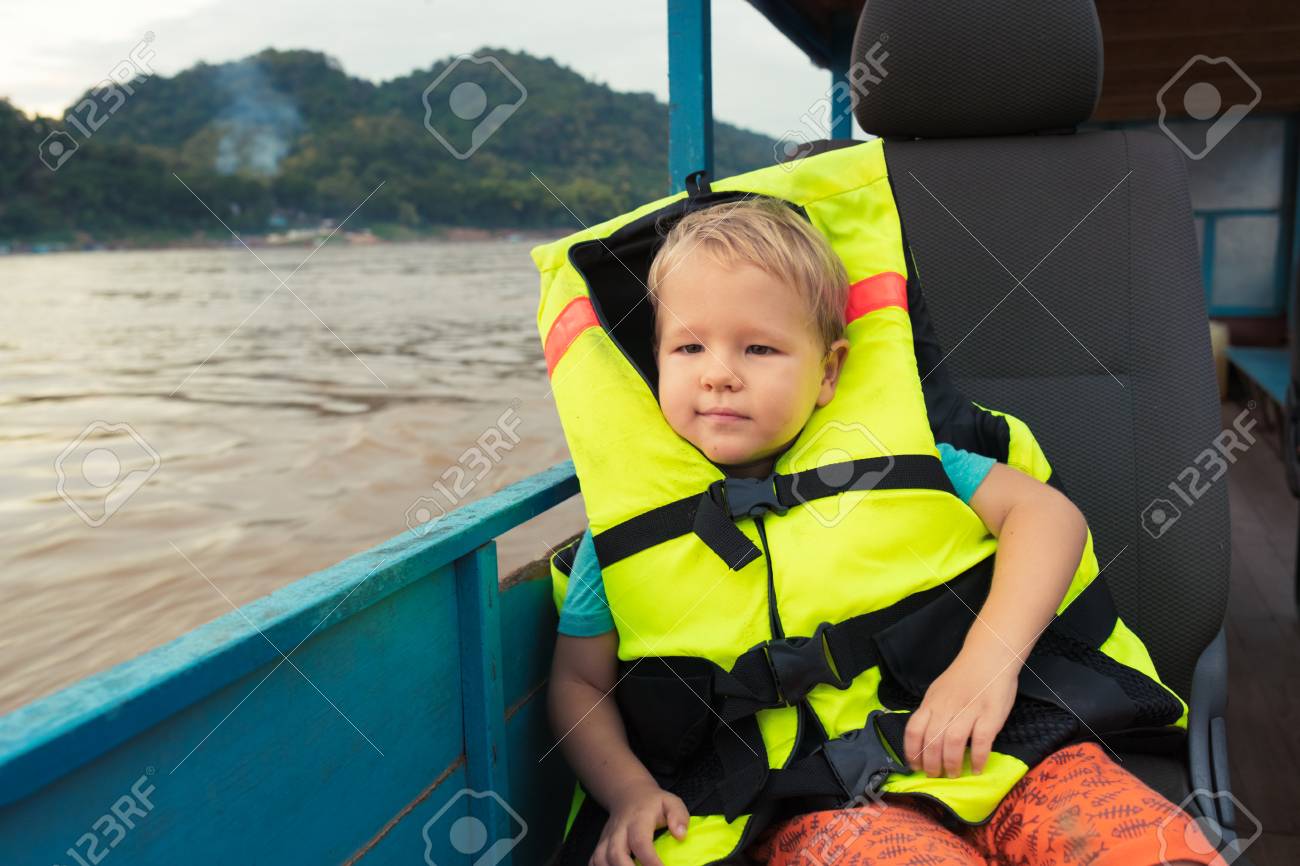
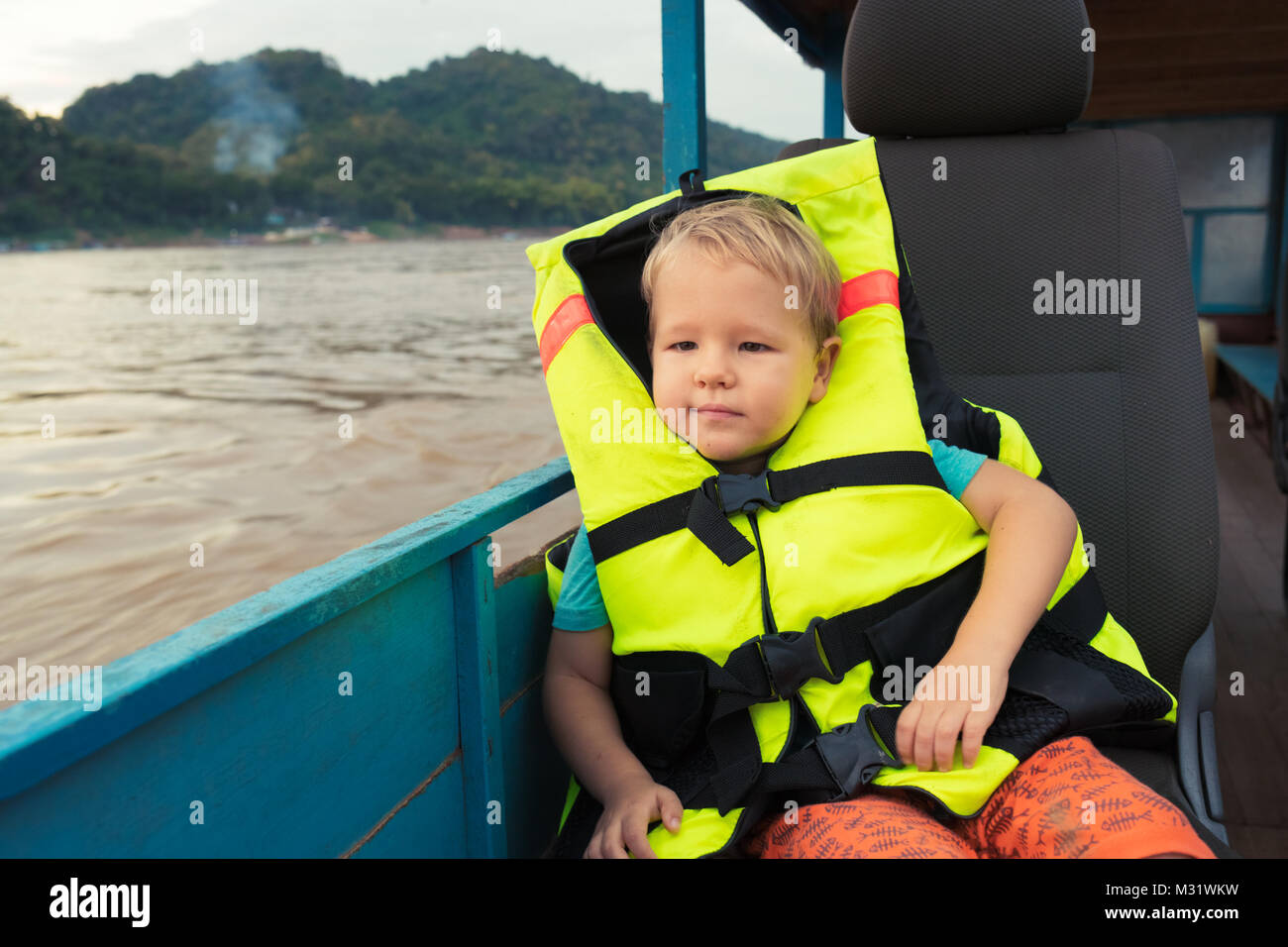
When a life jacket is too big, it can slip up over the face and block breathing. The buoyancy may sit too high on the torso and fail to tilt your body upright in the water. Oversized jackets can allow excessive movement, catch on gear, or entangle a wearer during rough conditions. In short, wearing an oversized life jacket can turn safety gear into a hazard.
Key problems caused by an oversized life jacket
- Riding up and covering the mouth or nose, which can obstruct breathing and cause panic.
- Poor head support that prevents you from staying face-up, especially for children or unconscious people.
- Reduced maneuverability, making it harder to swim or self-rescue.
- Increased risk of snagging on boat parts or debris, which can trap a wearer.
- False sense of safety that leads to risky behavior and longer exposure to danger.
How to test fit on land and in water
Use these simple checks before heading out.
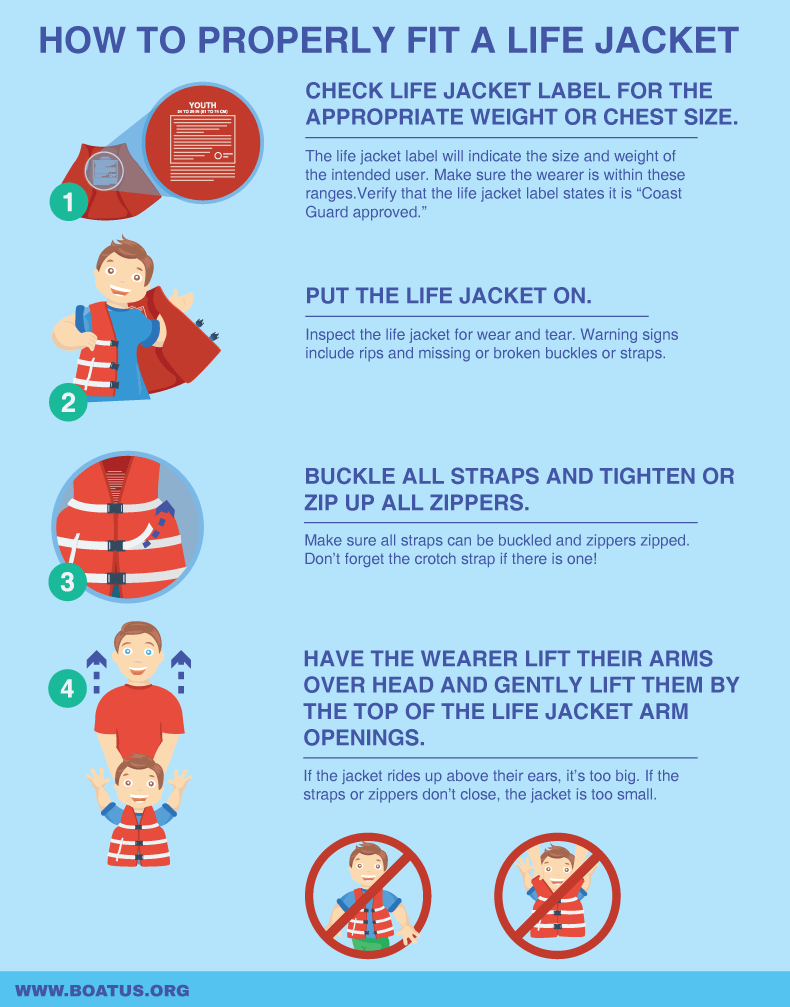
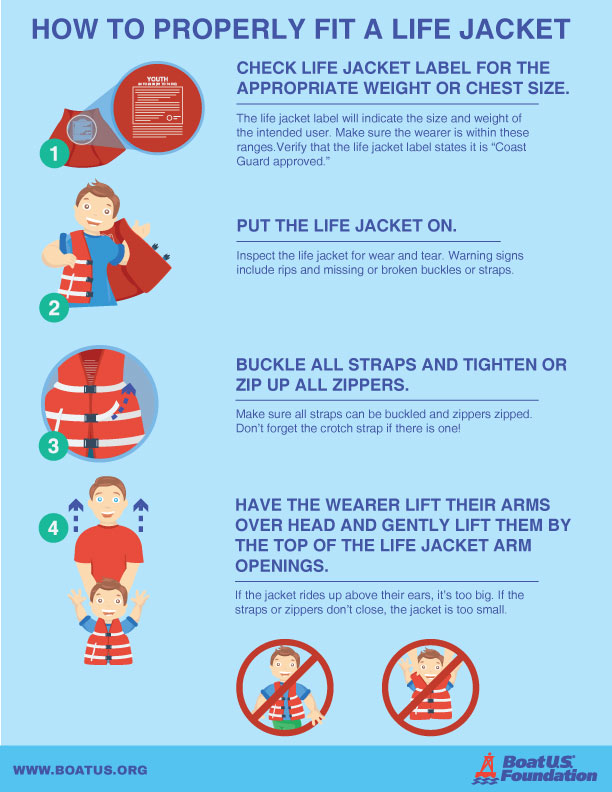
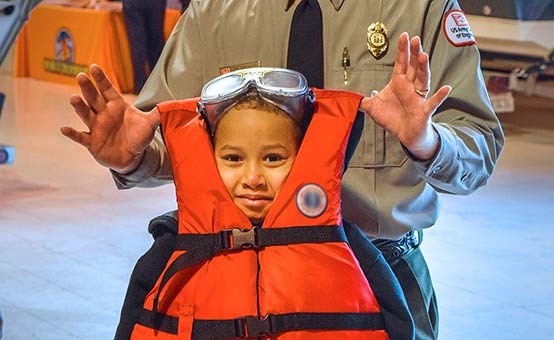
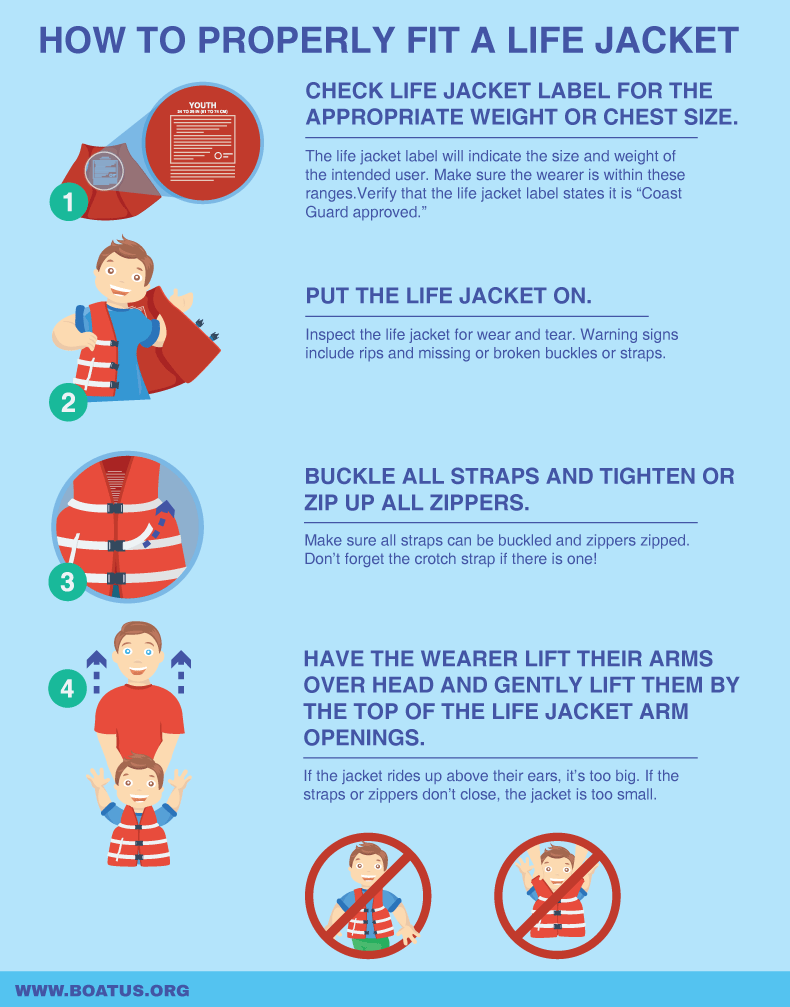
- Land fit check: Fasten all straps and pull upward at the shoulders. If the jacket moves above your chin or ears, it’s too big.
- Buddy test: Have someone lift at both shoulder straps with steady force; minimal rise means a good fit.
- Water test: Wear the jacket in shallow water and lean back to check whether your face stays above water and your chin clears.
- Movement check: Practice reaching overhead and paddling motions to ensure full range of motion and no excessive shifting.
PAA-style questions (brief answers)
Will a big life jacket keep me afloat?
A big life jacket may provide buoyancy but can position you poorly and fail to keep your airway clear. Proper fit is more important than raw buoyancy for safety.
Can I add extra straps to a life jacket that’s too big?
Adding straps can help customize fit, but modifications must be secure and manufacturer-approved to avoid weakening the jacket or changing buoyancy performance.
Are child life jackets more dangerous if oversized?
Yes. Children in oversized life jackets are at high risk of sliding out or having the jacket cover their face, so accurate sizing is critical for kids.

Fixes when your life jacket is too big
- Tighten the straps: Start with all manufacturer straps and adjust evenly for snug fit.
- Add a crotch strap: Use a manufacturer-approved or certified strap to stop the jacket from riding up.
- Use a smaller size or a model designed for your body shape if adjustments don’t work.
- Avoid DIY buoyancy changes like stuffing materials inside the jacket; that can change performance and void safety ratings.
Buying guide: choosing the right size and type
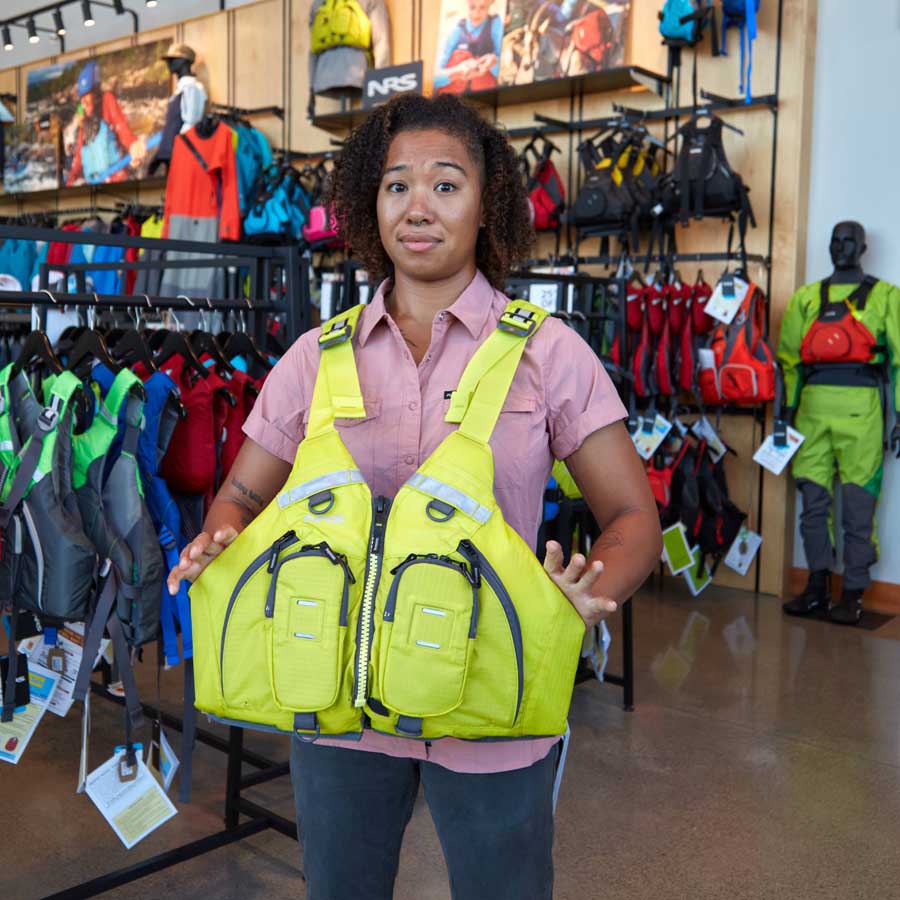
- Check size charts: Use weight and chest measurements from the manufacturer.
- Choose the correct type: Type I and II life jackets are for offshore or rescue, while Type III are for active use—pick one based on activity.
- Try before you buy: Put the jacket on, fasten all straps, and do the land and water tests.
- Consider certified gear: Look for recognized safety certifications on the label to ensure performance.

Care, maintenance, and replacement
- Inspect annually: Check straps, buckles, seams, and foam for damage or compression.
- Store dry and out of direct sun to prevent material breakdown.
- Replace after heavy use, a serious impact, or any structural damage that could affect buoyancy.
- Follow manufacturer guidance for lifespan and retire jackets that no longer meet fit or safety needs.
Real-world examples and personal experience
I once helped a family who relied on adult jackets for their small child during a lakeside outing. The jacket looked secure but rode up and nearly covered the child’s mouth when she leaned back. After switching to a properly sized youth PFD with a crotch strap, the child floated comfortably face-up and could move freely. That day reinforced how sizing and correct features matter more than brand or price.
Expert tips and final practical advice
- Prioritize fit over buoyancy rating alone; a snug, well-positioned jacket saves lives.
- For children, always use a jacket designed for their weight class and breed caution—no loose adults’ jackets.
- Keep a checklist: size chart, land test, buddy lift, and shallow-water test before every outing.
- If in doubt, ask a trained outfitter or instructor to check fit—professionals can spot risky issues fast.
Frequently Asked Questions of What Happens if a Life Jacket Is Too Big?
What should I do immediately if my life jacket slips over my face in the water?
Stay calm, tilt your head back, and push the jacket down while keeping your airway clear until you can get to shallow water or help arrives. Signal for help if you cannot correct the fit yourself.
Can an oversized life jacket cause hypothermia?
An oversized life jacket does not directly cause hypothermia, but poor positioning can lead to longer water exposure and reduced ability to swim to safety, increasing hypothermia risk. Proper fit helps you stay more effective and get out of cold water faster.
Is a too-big life jacket still better than nothing?
Not always. A badly fitting life jacket can create hazards similar to not wearing one, such as obstructed breathing or entrapment. Whenever possible, use a correctly sized PFD.
How often should I check my life jacket’s fit?
Check fit before every outing and inspect the jacket for wear at least once a season or after rough use. Children should be checked more frequently as they grow.
Can I alter a life jacket to make it smaller?
Minor strap adjustments are safe if they follow manufacturer instructions. Major alterations or adding unapproved materials can compromise safety and are not recommended.
Conclusion
Proper fit is the difference between a life-saving device and a potential hazard. If you want to know What Happens if a Life Jacket Is Too Big?, the answer is clear: it can ride up, cover the airway, reduce control, and increase risk—so take sizing seriously. Use the tests and tips here, replace or adjust oversized jackets, and make fit checks part of your routine. Try one recommended fit test today, share this article with someone who heads out on the water, or leave a comment with your own safety question.