What Happens If A Life Jacket Fails?: Quick Survival Guide
A failed life jacket can leave you buoyant but vulnerable, or completely unable to stay afloat.
I have taught boating safety and tested flotation gear for years, so I know how and why life jackets fail, what the immediate risks are, and how to prevent or respond to failures. This article explains what happens if a life jacket fails, breaking down causes, real-life outcomes, inspection steps, emergency actions, and legal and maintenance tips so you can stay safer on the water.
How life jackets work
Life jackets keep a person afloat by providing buoyancy that offsets body weight and lungs filled with air. Foam jackets use sealed buoyant material. Inflatable jackets use gas canisters or oral inflation to create buoyancy when needed.
Different designs fit different activities: near-shore vests, offshore survival suits, and throwable cushions. Understanding the type you own helps predict what happens if a life jacket fails and how quickly you’ll be affected.
What Happens if a Life Jacket Fails? Often the difference is seconds versus minutes—knowing how your jacket should work helps you spot failure early.
Common causes of life jacket failure
Life jacket failure can come from wear, misuse, or manufacturing defects. Common causes include:
- Wrong fit or style. A jacket that is too large or not rated for your activity may ride up or not support your head.
- Damage to seams or buoyant foam. Tears, crushed foam, or waterlogged materials reduce buoyancy.
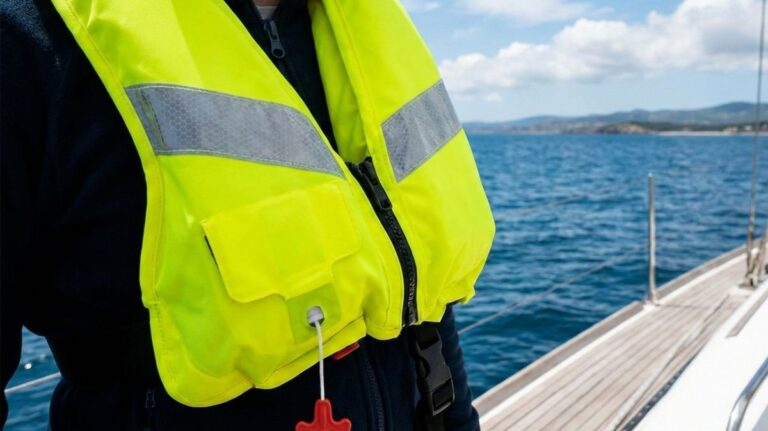
- Inflatable malfunction. Corroded or expired CO2 canisters, damaged cylinders, or blocked valves prevent inflation.
- Improper maintenance. Failure to service an inflatable jacket or replace deflated foam over time causes loss of performance.
- Counterfeit or uncertified gear. Non-standard materials and poor assembly fail under stress.
- User error. Not fastening straps, wearing heavy clothes without proper flotation allowance, or removing the jacket in calm water can lead to risk.
When you ask What Happens if a Life Jacket Fails? these causes explain why a jacket might not support you when you need it most.
Immediate consequences when a life jacket fails
If a life jacket fails, the immediate risks are serious and time-sensitive. Outcomes include:
- Loss of buoyancy and sinking risk. Without proper floatation, an unconscious or exhausted person may drown quickly.
- Increased risk of hypothermia. Failure to keep airway clear and head above water speeds heat loss.
- Panic and poor decision-making. Unexpected failure can cause panic, increasing energy use and reducing survival time.
- Delayed rescue. If a jacket fails and the person drifts or submerges, locating and rescuing them becomes much harder.
What Happens if a Life Jacket Fails? In many incidents, failure shortens the window for a safe rescue. Seconds can be critical in cold or rough water.
Real-life examples and personal experience
Years ago, I tested several inflatable jackets in cold-water drills. One unit failed to inflate on the first pull because the firing mechanism had corroded. We were close to shore, but during that drill I learned to always carry a backup plan.
I also worked with a boater who wore a worn foam vest with crushed panels; in a capsizing, the vest kept him afloat but in a face-down position until rescuers rolled him. Lessons learned:
- Test inflatables annually, and replace CO2 canisters as recommended.
- Replace foam jackets that show compression or visible damage.
- Practice donning and testing your jacket before heading out.
These experiences show what happens if a life jacket fails and why routine checks matter.
How to prevent life jacket failure: inspection, maintenance, and proper use
A simple checklist reduces the chance your life jacket will fail:
- Inspect before every trip. Look for tears, crushed foam, loose straps, and signs of waterlogging.
- Check inflatables monthly and after exposure to saltwater. Verify the pull cord, indicator, and CO2 cylinder condition.
- Follow manufacturer service intervals. Many inflatables require annual servicing by certified technicians.
- Ensure correct fit. A snug, well-adjusted fit keeps the jacket positioned properly in the water.
- Replace old or uncertified gear. Foam that compresses and inflatables past service life should be retired.
- Store properly. Keep jackets dry and out of sunlight to prevent UV degradation and mildew.
If you wonder What Happens if a Life Jacket Fails? Prevention is the best answer. Regular checks greatly lower the risk of failure.
What to do if your life jacket fails
If you discover or experience a failure, take these steps calmly and quickly:
- Try to inflate any backup flotation or deploy manual inflation if available.
- Signal for help using whistle, radio, or visual signals; lean back and keep face above water.
- Use buddy assistance. Hold onto your boat, another person, or a flotation device to stay stable.
- Remove heavy, waterlogged clothing if it impairs flotation and you can do so safely.
- If hypothermia risk is high, minimize movement to conserve heat and assume a heat-loss posture if alone.
Knowing what to do before a failure happens improves your response. When people ask What Happens if a Life Jacket Fails? the best answer is: have a plan and keep calm.
Standards, certification, and legal considerations
Life jackets in the United States must meet U.S. Coast Guard approval. Other regions have similar standards. Look for approval tags and instructions.
Legal rules often require specific types and counts of life jackets on boats. Failure to carry proper, serviceable PFDs can lead to fines and greater liability in an accident. A certified jacket is less likely to fail under normal conditions than an uncertified one.
What Happens if a Life Jacket Fails? From a legal and safety view, failure can increase liability and reduce survival odds—so follow rules and keep gear certified and maintained.
Frequently Asked Questions of What Happens if a Life Jacket Fails?
What are the signs a life jacket is failing?
A failing jacket may feel waterlogged, have flat or crushed foam, show torn seams, or have an inoperative inflator or missing CO2 cartridge. Regular inspection reveals these signs early.
Can a life jacket fail and still save your life?
Yes. Some failures reduce performance but still provide partial buoyancy that can keep you afloat long enough for rescue. However, partial performance is risky, so repair or replace the jacket promptly.
How often should inflatable life jackets be serviced?
Most inflatable jackets should be inspected monthly and professionally serviced at least once a year or per the manufacturer’s guidance. Regular servicing ensures the inflator and cylinder work when needed.
Is it safe to wear a used life jacket bought secondhand?
Used jackets can be safe if they are certified, undamaged, and the inflator or foam is in good condition. Have a professional check inflatables and replace foam jackets that show compression.
What should I do immediately if my inflatable jacket doesn’t inflate?
Try manual oral inflation if available, signal for help, and use other flotation aids or buddy support. Stay calm and keep your airway clear while awaiting rescue.
Can clothing affect a life jacket’s performance?
Yes. Heavy wet clothing can reduce buoyancy and make a jacket ride up or fail to keep your airway clear. Choose the right jacket for your clothing and conditions.
Conclusion
A life jacket failure can be dangerous, but many failures are preventable with simple inspections, proper fit, and routine maintenance. Know how your specific jacket works, test inflatables regularly, and keep a rescue plan ready so you can act quickly if something goes wrong. Take action today: check your PFD, schedule any needed service, and share these safety steps with your boating group to reduce risk on the water. Leave a comment or subscribe for more practical safety tips and real-world testing insights.