Types of Life Jackets (Simple, Complete Guide)
Life jackets save lives.
They keep your head above water when you are tired, injured, unconscious, or in panic.
Many people think all life jackets are the same.
They are not.
There are different types, sizes, buoyancy levels, and purposes.
Choosing the wrong one can be dangerous — even if you are wearing it correctly.
What Is a Life Jacket?
A life jacket (also called a Personal Flotation Device — PFD) is a wearable device that helps a person float in water.
Its main jobs:
- Keep you floating
- Turn you face-up (important if unconscious)
- Reduce drowning risk
- Help rescuers see you
Good life jackets do not require swimming skills.
Why Different Types Exist
Water activities are very different.
Fishing ≠ kayaking ≠ ocean sailing ≠ water skiing
Because of this, life jackets are designed differently:
| Activity | Needed Feature |
|---|---|
| Ocean sailing | Turns you face up |
| Fishing | Comfortable for hours |
| Kayaking | Allows arm movement |
| Jet ski | Tight fit, impact protection |
| Children | Extra head support |
So the safest jacket depends on how and where you use it.
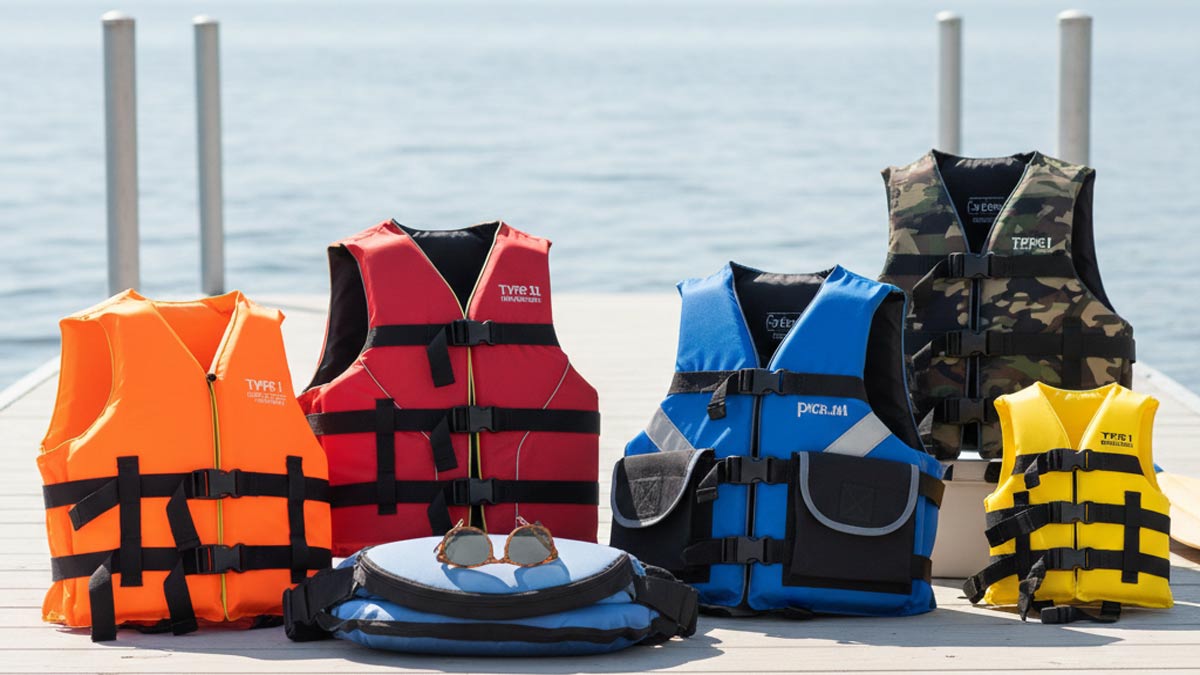
International Life Jacket Categories (Type I – V)
The most common system divides life jackets into 5 types.
Type I — Offshore Life Jacket (Best Safety)
What It Is
This is the safest life jacket.
Made for rough water, big waves, and open sea.
It can turn an unconscious person face-up.
Best For
- Deep sea fishing
- Ocean sailing
- Commercial boats
- Long distance travel
- Storm conditions
Key Features
- Very high buoyancy (keeps you floating strongly)
- Bright colors (orange or yellow)
- Large collar for head support
- Reflective tape
- Whistle usually attached
Advantages
- Highest survival chance
- Works even if unconscious
- Visible from far away
- Good in rough water
Disadvantages
- Bulky
- Not comfortable for sports
- Hard to move arms freely
👉 This is the emergency survival jacket, not a sports jacket.
Type II — Near-Shore Buoyant Vest
What It Is
A simpler version of Type I.
Designed for calm water where rescue is fast.
Best For
- Lakes
- Rivers
- Small boats
- Family boating trips
Key Features
- Moderate buoyancy
- Sometimes turns face-up (not always)
- Smaller collar
- Lighter weight
Advantages
- Cheaper
- More comfortable than Type I
- Good for general boating
Disadvantages
- May not turn unconscious person face-up
- Not safe for rough sea
- Less visibility
👉 Good basic safety jacket, but not for open ocean.
Type III — Flotation Aid (Most Popular)
What It Is
The most commonly used life jacket.
Designed for comfort and movement, not for turning you face-up.
Best For
- Kayaking
- Canoeing
- Paddle boarding
- Fishing
- Swimming activities
Key Features
- Comfortable fit
- Arm freedom
- Lightweight
- Stylish designs
Advantages
- Easy to wear all day
- Comfortable
- Good for active sports
Disadvantages
- Will NOT turn unconscious person
- Requires wearer to stay conscious
- Not safe for rough water emergencies
👉 This is a sports life jacket, not a rescue life jacket.
Type IV — Throwable Device
What It Is
Not worn — thrown to a person in water.
Examples:
- Ring buoy
- Floating cushion
Best For
- Boat emergency backup
- Short distance rescue
Advantages
- Quick help
- Easy to store
- Required on many boats
Disadvantages
- Useless if person unconscious
- Person must hold it
- Not replacement for wearable jacket
👉 This is a backup, not a primary safety device.
Type V — Special Use Life Jacket
What It Is
Designed for specific activities.
Works only when used correctly for that activity.
Types of Type V Jackets
Inflatable life jackets, Sailing harness jackets, Water ski jackets, Work safety vests
Advantages
- Very comfortable
- Specialized safety features
- Often slim design
Disadvantages
- Must be used properly
- Some require manual activation
- More expensive
👉 Good choice if matched to activity.
Inflatable vs Foam Life Jackets
There are two main construction styles.
| Feature / Aspect | Inflatable Life Jackets | Foam Life Jackets |
|---|---|---|
| Buoyancy Material | Inflatable air chambers | Foam blocks |
| Weight & Bulk | Lightweight, less bulky | More bulky & heavier |
| Comfort | Very comfortable, minimal restriction | Can feel stiff, limits movement |
| Best For | Boaters, experienced swimmers, watersports | All users, especially beginners & non-swimmers |
| Automatic Inflation | Yes (CO₂ automatically on water entry) | N/A |
| Manual Inflation | Yes (pull cord) | N/A |
| Maintenance | Higher (needs periodic checks & repacking) | Low (minimal maintenance) |
| Durability | Good but splice/cylinder needs care | Very durable over years |
| Cost | Generally more expensive | More affordable |
| Safety for Non-Swimmers | Not ideal unless manually inflated early | Better (buoyant immediately) |
| Visibility | High (often bright colors + reflective) | High (bright colors) |
| Regulatory Approval | Must meet standard (e.g., Coast Guard) | Must meet same safety standards |
| Ease of Use | Needs training (to arm & deploy) | Simple – wear & go |
| Best for Children | Only certain models with manual/auto | Excellent option |
| Pros | Comfortable, less restrictive, great on long trips | Always buoyant, simple, reliable |
| Cons | More maintenance, cost, possible failure if not maintained | Bulkier, less comfort |
| Recommended For | Boaters who want comfort & less drag | Anglers, kayakers, swimmers, kids |
👉 Beginners should choose foam first.
Buoyancy Levels Explained (Very Important)
Buoyancy means lifting power in water.
Measured in Newtons (N) or pounds of flotation.
Basic Guide
| Buoyancy | Use |
|---|---|
| 50N | Skilled swimmers (sports) |
| 100N | Calm water safety |
| 150N | General offshore |
| 275N | Heavy gear / ocean storms |
Higher number = stronger floating power.
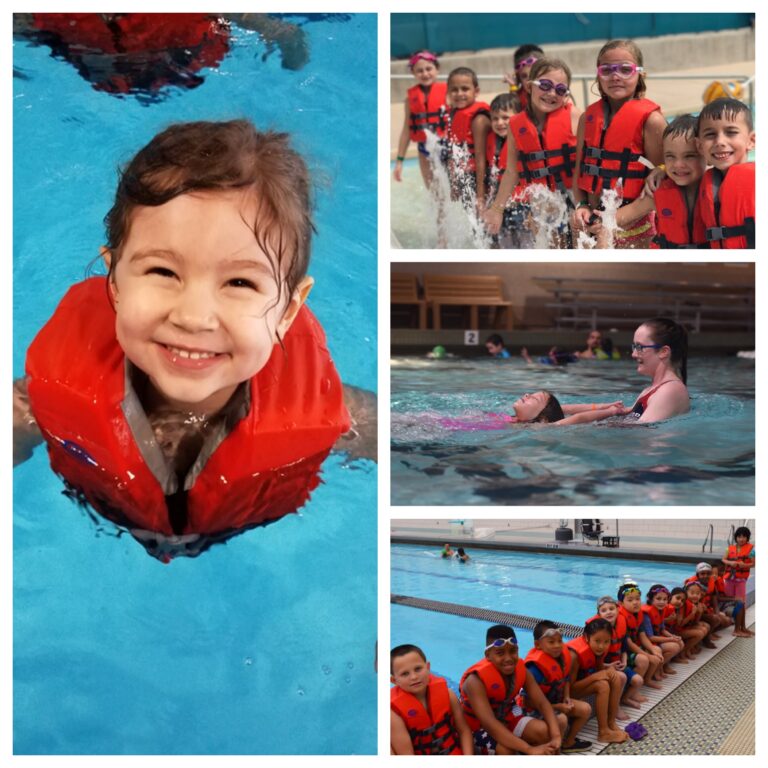
Life Jackets for Children
Children need special design.
Why?
Kids cannot control body position in water.
Important Child Features
- Large head collar
- Grab handle
- Crotch straps
- Bright colors
- Face-up turning ability
Never use adult jacket for child.
Life Jackets for Pets (Dogs)
Yes — pets also need life jackets.
Dogs can drown due to:
- Cold water
- Waves
- Panic
- Injury
- Exhaustion
Dog Life Jacket Features
- Top rescue handle
- Belly straps
- Chin support
- Bright color
- Tail movement space
Even strong swimmers need one on boats.
Choosing the Right Life Jacket (Step-by-Step)
Step 1 — Match Activity
| Activity | Recommended Type |
|---|---|
| Ocean sailing | Type I |
| General boating | Type II |
| Kayaking / fishing | Type III |
| Water sports | Type III or V |
| Emergency backup | Type IV |
Step 2 — Check Fit
A bad fit is dangerous.
Adult Fit Test
- Wear jacket
- Zip & tighten straps
- Lift shoulders
If jacket reaches ears → Too big
Child Fit Test
Lift from shoulder straps.
If chin slips inside → Too loose
Step 3 — Check Weight Rating
Never choose by age — choose by weight.
Step 4 — Comfort = Safety
If uncomfortable → people remove it → danger.
Common Mistakes People Make
- Buying cheapest option
- Using wrong size
- Not tightening straps
- No maintenance for inflatables
- Letting kids wear adult jackets
- Wearing only in emergencies
Most drowning victims had a life jacket nearby — but not worn.
Maintenance and Care
Life jackets need care.
Every Trip
- Check tears
- Check buckles
- Test inflation (inflatable)
Monthly
- Inspect foam damage
- Check CO₂ cartridge
- Dry completely
Storage
- Cool dry place
- No heavy objects on top
- Avoid sunlight long exposure
When to Replace a Life Jacket
Replace if:
- Foam feels hard
- Waterlogged
- Torn straps
- Broken zipper
- Inflatable leaks
- 5–10 years old (heavy use)
Old jackets lose buoyancy.
Quick Comparison Table
| Type | Comfort | Safety Level | Best Use |
|---|---|---|---|
| Type I | Low | Highest | Ocean |
| Type II | Medium | Good | Lakes |
| Type III | High | Moderate | Sports |
| Type IV | N/A | Backup | Rescue |
| Type V | Very High | Varies | Special use |
Final Safety Tips
- Wear it — don’t carry it
- Tighten straps
- Choose bright colors
- Teach children early
- Check weather before boating
- Always carry spare Type IV
Conclusion
There is no “one best life jacket”.
The best one is:
The correct type + correct size + worn properly.
A life jacket is the cheapest life insurance you can buy.
Wearing it turns accidents into stories — instead of tragedies.
Stay safe on the water.