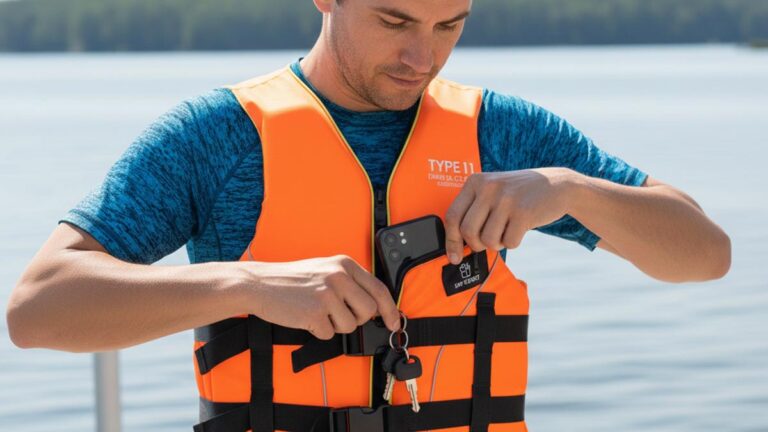
Is A Life Jacket Required For Kayaking?: Top Safety Tips
Yes — you must carry a USCG‑approved life jacket on most kayaks, and wearing one is strongly advised.
I’ve paddled rivers, lakes, and coastal bays for over a decade, taught kayak safety courses, and inspected equipment for guided trips. In this article I explain clearly whether Is a Life Jacket Required for Kayaking?, how laws and best practices differ by place, and how to choose and wear the right personal flotation device (PFD). Read on for legal facts, safety tips, common mistakes, and practical advice you can use before your next paddle.

Is a Life Jacket Required for Kayaking? — Legal Basics
Laws differ by country and state, but a common rule is simple: a life jacket is required to be on board a kayak for every person. In the United States, federal law requires one U.S. Coast Guard–approved PFD per person aboard a vessel. Many states add rules about when you must wear that PFD. That answers part of Is a Life Jacket Required for Kayaking? — yes to carrying, often yes to wearing.
Local rules vary for age, water type, and conditions. Some places require children to wear PFDs at all times. Other areas require wearing on coastal waters, during rough weather, or while whitewater kayaking. Enforcement and fines depend on local agencies.
Practical takeaway: always carry a properly fitted, approved PFD, and wear it when conditions or local law require. This clears the legal side of Is a Life Jacket Required for Kayaking? and sets the stage for safety choices below.

Why Wearing a Life Jacket Matters
Wearing a life jacket saves lives. Kayaks can flip. Cold water, current, or injury reduces your chances of self‑rescue. A PFD keeps your head up and buys time.
Key benefits:
- Buoyancy that helps non‑swimmers and fatigued paddlers.
- Keeps you afloat if unconscious or injured.
- Adds insulation and visibility with bright colors or reflective patches.
Think of a life jacket as insurance. You hope to never use it. But when things go wrong, having a PFD dramatically improves outcomes. This answers the practical concern behind Is a Life Jacket Required for Kayaking?: it isn’t just law — it’s life protection.
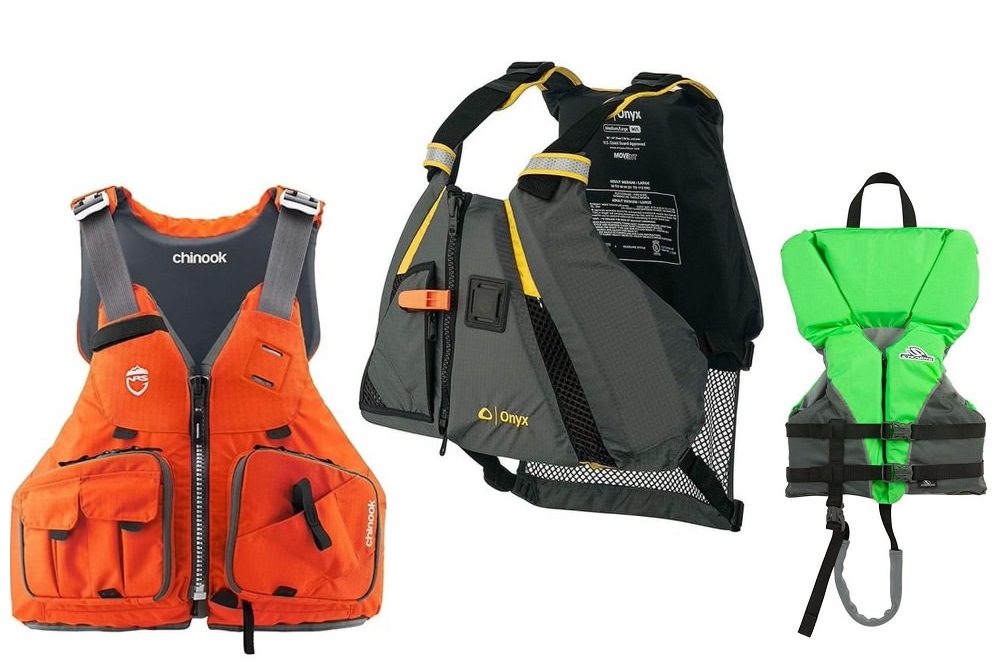
Types of PFDs and Which to Use for Kayaking
Not all PFDs are the same. Choose the right type for your paddling.
Common PFD types to consider:
- Type I/Offshore: High buoyancy for rough water. Bulky for paddling.
- Type II/Near-shore: Moderate buoyancy. Better for calm waters.
- Type III/Flotation: Comfortable and common for kayakers. Good for active paddling.
- Type V/Special use: Designed for specific activities, like spray skirts or inflatable PFDs.
How to pick:
- Choose a PFD sized for your weight and chest. Try it on wet if possible.
- Look for "USCG‑approved" or local certification.
- For whitewater or surf, pick a PFD with extra back protection and a good fit.
When readers ask Is a Life Jacket Required for Kayaking? they usually then ask what PFD to buy. The right PFD balances buoyancy, comfort, and freedom to paddle.

Fit, Maintenance, and Proper Wearing
A PFD that stays on is a PFD that helps. Fit and upkeep matter more than brand.
Fit checklist:
- You should be able to lift the PFD at the shoulders; it should not ride above your chin or ears.
- Fasten all straps and zippers. Simulate a flip to make sure it won’t come off.
- Check buoyancy by testing in shallow water or during training.
Maintenance tips:
- Rinse with fresh water after salt exposure.
- Dry in shade. Store out of direct sunlight.
- Inspect for damage, broken straps, or degraded foam.
If you wonder Is a Life Jacket Required for Kayaking? remember the legal need to carry one. But the real safety question is whether it fits and is in good condition.
When Might You Not Be Legally Required to Wear One?
There are a few narrow exceptions and variations in law, but they don’t mean you’re safe without a PFD.
Common exceptions:
- Some inland lakes don’t legally require wearing for adults, only carrying.
- Certain races or events may have special rules, but often require PFDs for all participants.
- Personal devices like float belts are not legal substitutes for certified PFDs in many regions.
Even where wearing is not mandatory, conditions like cold water, wind, or waves make wearing a PFD the smart choice. Asking Is a Life Jacket Required for Kayaking? should lead you to check both the law and the environment before launching.

Common Myths and Mistakes
Myth: Life jackets are restrictive and ruin paddling.
Reality: Modern PFDs come in slim, comfortable designs that let you move freely.
Myth: I’m a strong swimmer, so I don’t need a PFD.
Reality: Injury, cold shock, and currents can quickly overwhelm swimmers.
Frequent mistakes:
- Buying the wrong size for the chest or weight.
- Wearing the PFD unfastened or over bulky outerwear.
- Replacing a worn PFD with non‑approved flotation like a pool noodle.
If you still ask Is a Life Jacket Required for Kayaking? after reading myths, remember: the law and common sense both lean toward wearing one.

Personal Experience: Lessons from the Water
I once guided a calm lake trip where a confident paddler capsized after hitting submerged debris. He could swim, but the shock and current made it hard to stay afloat. His PFD kept him buoyant until a partner helped him back in. That moment reinforced that Is a Life Jacket Required for Kayaking? is less about rules and more about staying alive.
Lessons learned:
- Always secure loose straps; a snag can cost seconds.
- Wear a PFD during practice and drills so it feels normal in an emergency.
- Teach partners a quick rescue plan and practice re‑entry techniques.
Those lessons come from years on the water. They show wearing a PFD is practical, not just precautionary.
Practical Checklist Before You Paddle
Use this simple checklist to answer Is a Life Jacket Required for Kayaking? for your trip.
- Verify local laws and age rules where you plan to paddle.
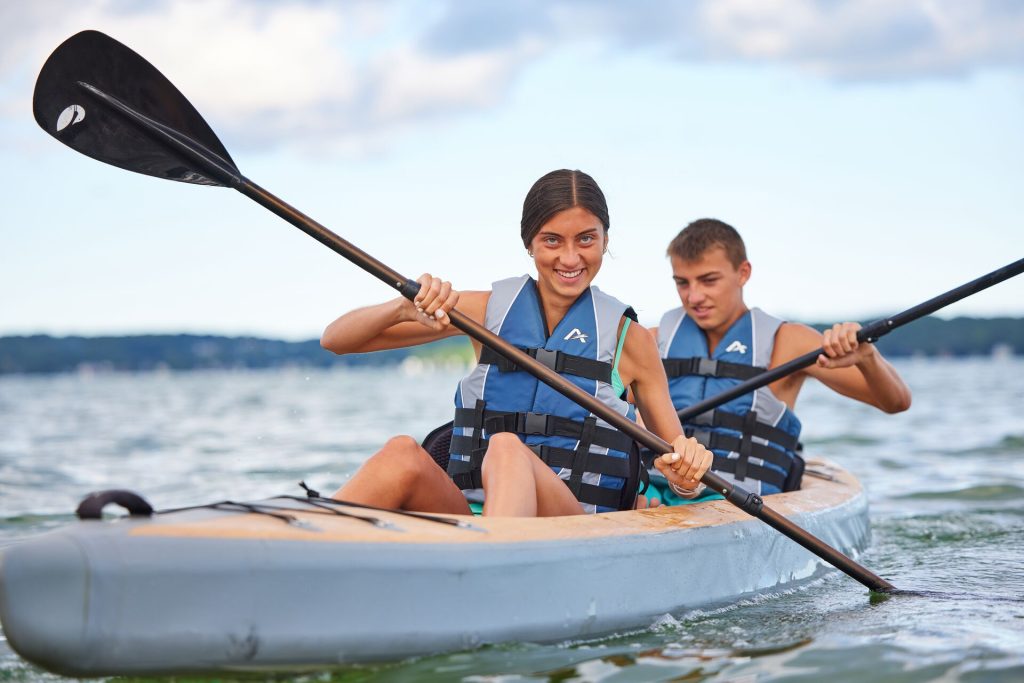
- Carry a USCG‑approved PFD for each person.
- Wear the PFD in rough water, cold conditions, or when required.
- Check fit and fasten all closures.
- Pack a whistle, communication device, and spare paddle.
- Tell someone your route and expected return time.
Following the checklist reduces risk and keeps the focus on enjoying the trip.
PAA-style Questions (People Also Ask)
Q: Do kayakers have to wear life jackets in all states?
A: Laws vary by state and country. Many require PFDs for children and certain water types, while others only require carrying one.
Q: Are inflatable life jackets allowed for kayaking?
A: Inflatable PFDs are allowed if they meet local approval standards and are maintained per manufacturer guidelines. They can be less bulky but require annual checks.
Q: What type of life jacket is best for kayak fishing?
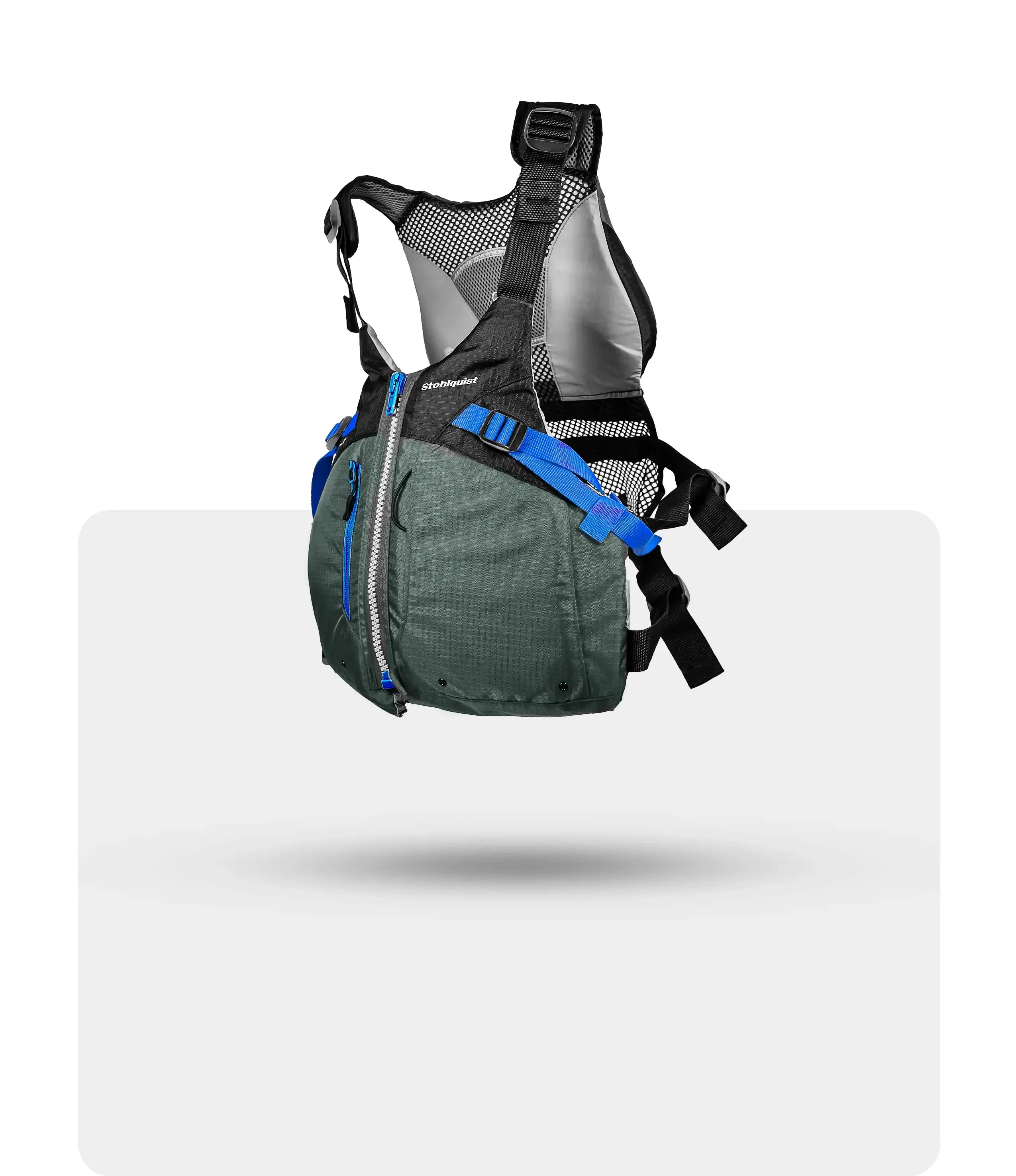
A: A Type III or Type V PFD with pockets and gear attachment works well for kayak fishing, balancing buoyancy and mobility.
Frequently Asked Questions of Is a Life Jacket Required for Kayaking?
Is a life jacket required for kayaking on open water?
Yes, open water often has stricter rules and more risk. Many jurisdictions require PFDs be worn or at least carried on open water.
Do children need to wear a life jacket while kayaking?
Most places require children to wear a PFD at all times while aboard. This is a common legal requirement and a strong safety practice.
Can an inflatable PFD be used for kayaking?
Yes, if it is certified and properly maintained. Inflatable PFDs can be comfortable but must be inspected regularly.
What happens if I don’t have a life jacket while kayaking?
You may face fines and higher risk of drowning. Enforcement and penalties depend on local laws, but safety should be the main concern.
How often should I replace my life jacket?
Replace a PFD if it shows damage, compression of foam, or failed inflator components. Regular annual checks are a good habit.
Conclusion
Carrying a certified life jacket is required in many places, and wearing one is often the safest choice. You now know the legal basics for Is a Life Jacket Required for Kayaking?, how to choose and fit a PFD, common myths, and simple safety checks. Take action today: check local rules, buy a properly fitted PFD, and practice wearing it before you paddle. Share your experience, subscribe for more safety guides, or leave a question below so we can help you plan a safer trip.