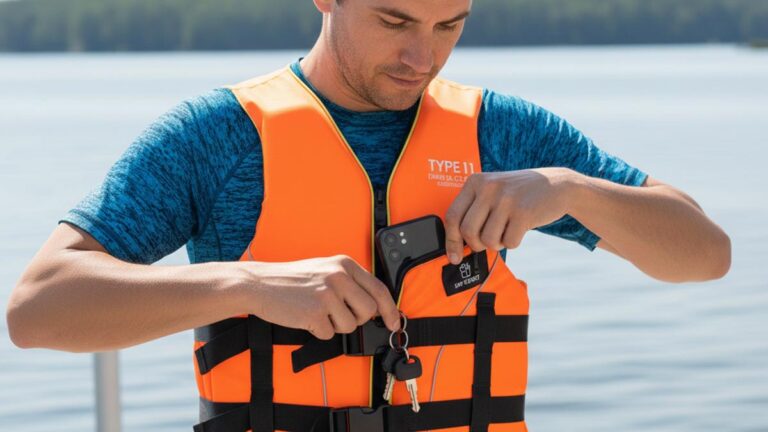
How To Wear A Life Jacket With A Fishing Vest?: Safety Tips
Wear a fitted life jacket over or integrated with your fishing vest, snug but allowing arm movement.
I’ve spent years guiding anglers and testing gear on lakes and rivers. In this guide I’ll show clear, tested steps for How to Wear a Life Jacket With a Fishing Vest? I explain fit, layering, common mistakes, and real-world tips so you can fish safe and stay comfortable. Read on for practical steps, photos ideas, and quick checks you can use before every trip.
Why you might combine a life jacket and a fishing vest
Wearing a life jacket with a fishing vest keeps flotation and storage both within reach. Anglers want pockets for gear and a reliable floatation device for safety. Knowing How to Wear a Life Jacket With a Fishing Vest? means balancing storage, mobility, and approved flotation.
Safety is the top reason. A life jacket saves lives. A fishing vest keeps bait, tools, and pliers handy. Together they let you fish smart without compromising protection.
Types of life jackets and fishing vests to know
Choosing the right gear makes How to Wear a Life Jacket With a Fishing Vest? much easier.
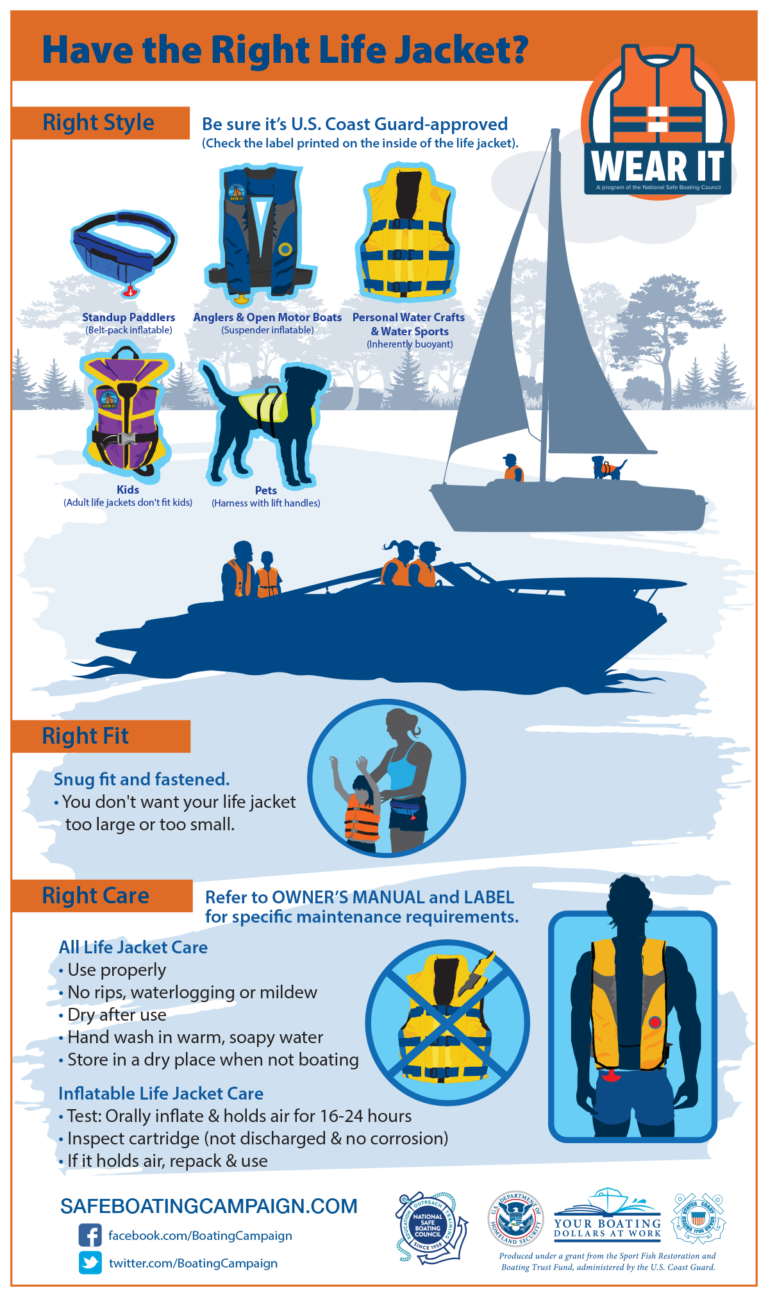
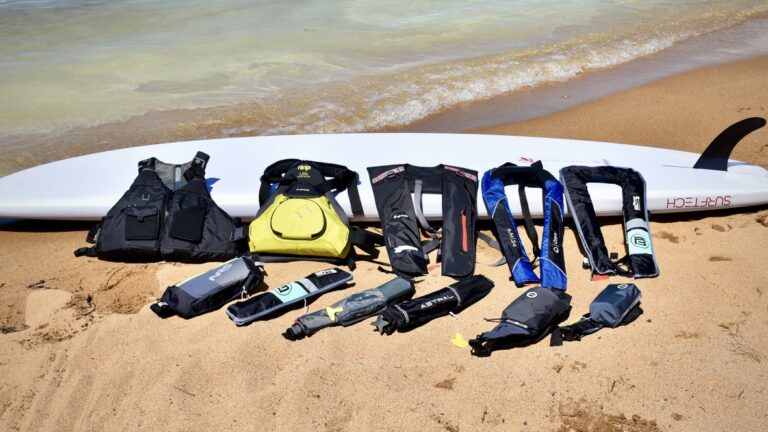
- Type III life jackets work well for fishing. They offer buoyancy and let you move arms freely.
- Inflatable PFDs are low-profile and pair nicely with vests, but check arming options and water activation.
- Fishing vests come in mesh, padded, and modular styles. Look for ones with large pockets and a slim profile.
- Hybrid options combine a fishing vest and life jacket into one garment. They simplify layering.
Match buoyancy rating to your activity. For calm water fishing, 15–22 pounds of buoyancy for adults is common. In my experience, a Type III or breathable inflatable works best for kayak or shore fishing because the vest pockets stay accessible and the PFD is comfortable.
Step-by-step: How to Wear a Life Jacket With a Fishing Vest?
Follow these steps to wear both safely and comfortably.
-
Inspect both items
- Check straps, buckles, and zippers. Ensure the life jacket has no rips and the inflation mechanism (for inflatables) is intact.
- Confirm the fishing vest pockets are closed and load is balanced.
-
Put on the fishing vest first
- Wear the fishing vest and stow heavy items in lower pockets to keep weight centered.
- Keep chest and shoulder pockets mostly clear to avoid bulk near the life jacket.
-
Don the life jacket over the vest
- Slide arms into the life jacket after the vest is on. Ensure the life jacket sits high under the chin and fits across the chest.
- Fasten all buckles, zippers, and straps. Tighten side straps and shoulder adjustments evenly.
-
Check mobility and fit
- Raise both arms over your head. The life jacket should not ride up more than a few inches.
- Bend forward at the waist while a partner gently lifts the jacket at the shoulders. The jacket should stay snug.
-
Final safety checks
- Attach any safety whistle or light. Confirm the life jacket does not block access to essential vest tools.
- For inflatables, confirm the CO2 or manual activation works and is within the service date.
Common traps I’ve seen: overloading chest pockets under a life jacket and leaving straps loose. Both reduce flotation and comfort. Keeping the vest light and balanced makes How to Wear a Life Jacket With a Fishing Vest? much more effective.
Fit and adjustment details
A good fit is critical when learning How to Wear a Life Jacket With a Fishing Vest?
- Shoulder fit: The life jacket should sit on your shoulders without slipping back.
- Chest fit: Straps should be snug but not restrictive. You must be able to breathe easily.
- Arm movement: Cast, paddle, and reach to test range of motion.
- Weight distribution: Move heavy gear to lower pockets of the fishing vest to avoid lifting the jacket.
If you are between sizes, choose the larger fishing vest and the properly sized life jacket. I prefer slightly tighter life jackets. They give better control and reduce ride-up in water.
Layering options and tips by activity
How to Wear a Life Jacket With a Fishing Vest? can vary with where you fish.
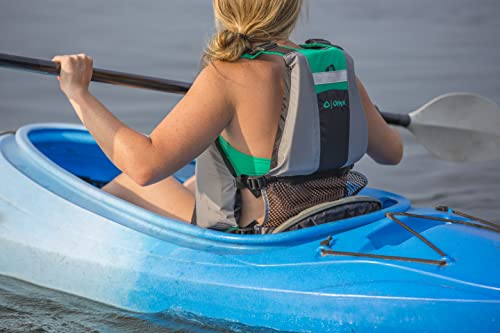
- Kayak fishing: Use a compact Type III or inflatable PFD over a slim fishing vest. Keep tools secured to the vest with tethers.
- Boat/shore fishing: A vest under a comfortable Type III jacket works well. Carry an extra throwable cushion on the boat.
- Cold weather: Wear the fishing vest over a thin thermal layer, then the life jacket. Avoid bulky clothing under a life jacket.
Tip from experience: for long days, switch to a vest with breathable mesh. It reduces sweat and keeps the life jacket from chafing.
Maintenance, storage, and legal checks
Maintaining gear ensures the question How to Wear a Life Jacket With a Fishing Vest? always ends in safety.
- Rinse with fresh water after use, especially saltwater. Hang to dry in shade.
- Inspect inflatables annually and swap CO2 cylinders as recommended.
- Store life jackets flat or hanging. Avoid crushing them under heavy gear.
- Check local laws. Many areas require a U.S. Coast Guard–approved life jacket on board and worn in certain situations.
I once missed a cylinder replacement on an inflatable and nearly had a failure on a testing day. Now I keep a maintenance log and recommend you do the same.
Personal tips and mistakes to avoid
I’ve tested dozens of setups. Here’s what I learned.
- Don’t overload vest pockets under the life jacket. Heavy items push the jacket up.
- Use low-profile tools. Big, bulky gear makes the life jacket sit incorrectly.
- Practice donning the combined setup at home. Quick dressing matters in emergencies.
- Carry backups like a small throwable float and a whistle tethered to the vest.
These small changes keep your kit light and your flotation reliable. They also make How to Wear a Life Jacket With a Fishing Vest? a quick routine instead of a chore.
PAA-style questions
Q: Can I wear my fishing vest instead of a life jacket?
A: No. Fishing vests are for storage and not certified for flotation. Always wear a USCG-approved life jacket when regulations require it.
Q: Will a life jacket fit over a heavy jacket?
A: It can, but the life jacket must still fit snugly. Bulky clothing can prevent proper fit and reduce effectiveness.
Q: Are inflatable life jackets safe for fishing?
A: Yes, if maintained and armed properly. Inflatable PFDs offer low profile and good mobility but need regular checks.
Q: How tight should the straps be?
A: Tight enough that the jacket does not rise above your chin during a tug test, while still allowing you to breathe comfortably.
Q: Can I attach tools to my life jacket?
A: Attach only low-risk, essential items like a whistle or light. Keep sharp or heavy tools on the fishing vest to avoid compromising flotation.
Frequently Asked Questions of How to Wear a Life Jacket With a Fishing Vest?
How do I know the life jacket fits correctly over my fishing vest?
A correctly fitting life jacket should sit high on your chest and not ride up when you lift your arms. Have a partner check fit by gently pulling up on the shoulders.
Can I store heavy items in my fishing vest pockets while wearing a life jacket?
Keep heavy items low and centered in the vest. Too much bulk near the chest pushes the life jacket up and reduces flotation.
Should I wear an inflatable or foam life jacket with a fishing vest?
Both work well; inflatable PFDs offer low profile and comfort, while foam jackets provide constant buoyancy. Choose based on activity and maintenance comfort.
How often should I inspect my inflatable PFD?
Inspect inflatables before every trip and have an annual professional service or self-check per the manufacturer’s guide. Replace CO2 cylinders and firing mechanisms as recommended.
Is a hybrid fishing vest-life jacket a good option?
Hybrid gear simplifies dressing and keeps pockets and flotation integrated. Ensure the hybrid is USCG-approved and fits your body and activity needs.
Conclusion
Wearing a life jacket with a fishing vest is about balance: secure flotation, easy access to gear, and freedom of movement. Follow the clear steps above, pick the right type of PFD and vest, and test fit before every trip. Small habits—like regular inspections, balanced pocket loads, and practice donning—greatly increase safety and comfort. Try the routine at home, make tweaks based on your testing, and share your setup or questions below to help others learn.