How To Test A Life Jacket For Buoyancy: Quick Safety Check
Check fit, inspect for damage, and perform a controlled water test to confirm buoyancy.
I have tested dozens of life jackets while guiding boating trips and working with safety teams. This guide on How to Test a Life Jacket for Buoyancy walks you through simple, safe checks you can do at home and in the water. You will learn step-by-step tests, what to look for, and when to replace a jacket. I blend hands-on experience with safety best practices so you can trust each step.
Why buoyancy matters and what a good test proves
Buoyancy keeps a person afloat and can save a life. Knowing How to Test a Life Jacket for Buoyancy confirms the jacket will support the wearer in an emergency. A proper test checks flotation performance, fit, and condition. This protects you and others on boats, kayaks, or during water sports.
Types of life jackets and how testing differs
There are several types: wearable foam vests, inherently buoyant jackets, and inflatable models. How to Test a Life Jacket for Buoyancy varies by type. Foam vests need visual and water tests. Inflatable jackets require inspection of cartridges and inflation tests.
Pre-test visual and fit inspection
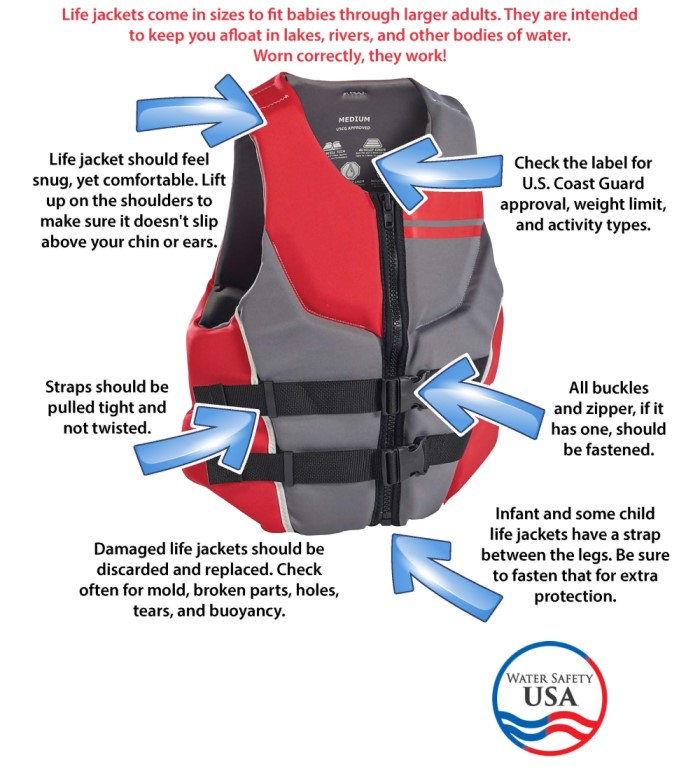
Start with a careful look. Check the fabric, seams, straps, and buckles for tears or frays. Confirm label info: type, buoyancy rating, and manufacture date. Try the jacket on. The jacket should fit snugly and not ride up when you lift the arm straps.
Dry bench test: quick checks without water
Place the jacket flat on a table. Compress the foam gently to feel for soft spots. Squeeze and listen for unusual crunching or detached foam. For inflatable jackets, check the cylinder is present and sealed, and the status indicator shows readiness.
How to Test a Life Jacket for Buoyancy: simple water tests
Use calm, shallow water for safety. Have a helper nearby and keep a rescue plan ready. Follow these steps:
- Put the jacket on and fasten all zippers, straps, and buckles.
- Enter chest-deep water while your helper supports you.
- Relax and float on your back for 20 to 30 seconds. The jacket should keep your mouth and nose clear of water.
- Turn face-down briefly; the jacket should right you or allow you to roll without heavy effort.
Repeat the test with realistic clothing if you expect to wear it. Record results and any drifting or sinking.
Specific checks for inflatable life jackets
Inflatable jackets need extra care. Inspect the inflator, CO2 cylinder, and oral inflation tube. Arm the automatic inflator only in a controlled test using manufacturer guidance. Many inflatables allow a manual oral inflation test; confirm inflation holds for the recommended time. Replace expired CO2 cylinders and service automatic inflators per the manual.
Measuring buoyant performance and limitations
You can estimate performance by how well the jacket keeps the head clear of water in the in-water test. Remember certified life jackets are rated to provide specific buoyancy in pounds or newtons. DIY tests do not replace lab certification. If a jacket fails any test or shows age-related degradation, replace it.
Maintenance, storage, and when to replace a jacket
Proper care keeps buoyancy reliable. Rinse fresh water after use in salt or dirty water. Dry thoroughly out of direct sun. Store in a cool, dry place away from chemicals. Replace jackets that:
- Show crushed or misshapen foam
- Leak after inflation
- Have expired/unknown manufacture age
- Fail in-water tests
Common mistakes to avoid when testing
Avoid testing alone in deep water. Don’t trust a jacket that fits loosely. Skipping the label check can miss critical age or rating info. For inflatables, don’t assume an unused cylinder is full — inspect it. Regularly re-test after repairs or long storage.
Quick checklist: How to Test a Life Jacket for Buoyancy
Use this checklist before any water trip:
- Inspect fabric, seams, and straps
- Confirm proper fit and strap adjustment
- Check manufacturer label and buoyancy rating
- Perform a dry bench squeeze test
- Do a controlled in-water float and righting test
- Inspect and test inflator systems on inflatable jackets
- Replace if performance is poor or parts are old
My experience and practical tips
I once found a supposedly new foam jacket with soft, collapsed foam. A simple float test showed it failed to keep the rescuer’s head clear. Since then I always float-test jackets before a season. When testing, simulate real conditions. Wear similar clothes and try mild movement. This gives a truer sense of performance.
How to Test a Life Jacket for Buoyancy while boating with others
Always test with a buddy or crew. Keep a throw rope and flotation aid nearby. Mark jackets that pass or fail tests so everyone knows which to use. Re-test if jackets get wet long-term or after being stored.
Frequently Asked Questions of How to Test a Life Jacket for Buoyancy?
How often should I test a life jacket for buoyancy?
Test visually and by fit every time before use. Do an in-water test at least once per season or after long storage.
Can I test an inflatable life jacket without inflating it?
You can inspect the cylinder and indicator; but an inflation test is needed to confirm buoyancy. Use oral inflation or follow manufacturer service rules.
Is a life jacket good if it floats but flips someone face down?
No. A good jacket should keep an unconscious person face-up or allow self-righting. Replace jackets that fail to keep the airway clear.
Can I test a jacket in a pool instead of open water?
Yes. A calm pool is ideal for controlled tests. Have a helper and keep tests shallow and safe.
When should I throw away a life jacket?
Replace a jacket if foam is compressed, fabric is torn, inflators fail, or it consistently fails in-water tests. Age and manufacturer guidance also matter.
Conclusion
Testing a life jacket for buoyancy is simple and vital. Inspect, fit, and run a controlled water test to confirm flotation. Pay special attention to inflatable systems and follow manufacturer service intervals. Take action now: test jackets before your next trip, mark any that fail, and replace older or damaged units. Share this guide, subscribe for more safety tips, or leave a comment with your testing experiences.