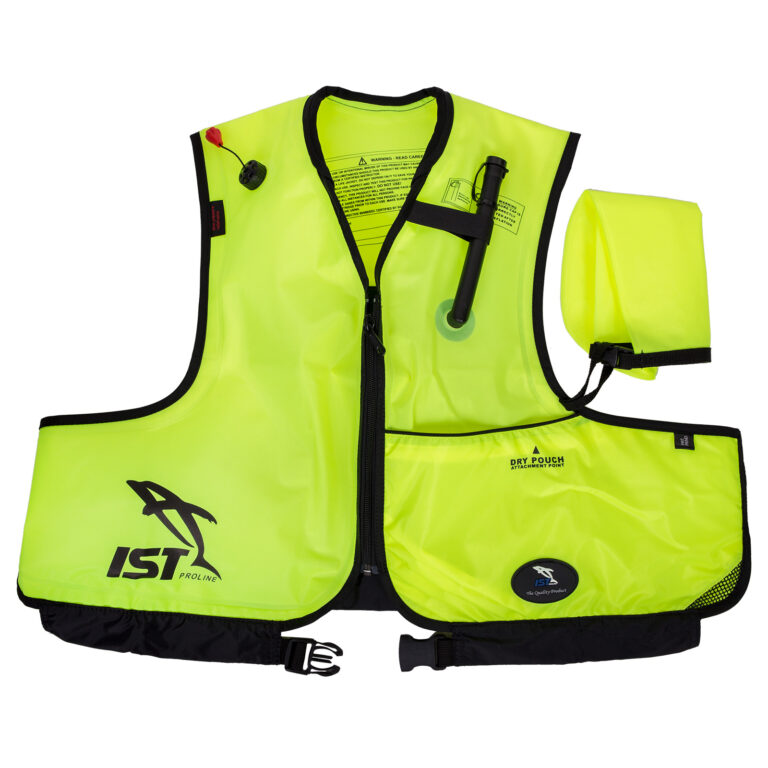
How To Tell If A Life Jacket Is Expired: Safety Check
Most life jackets don’t carry a fixed expiration date; inspect for damage, buoyancy loss, or faded labels.
I’ve inspected hundreds of life jackets as a boating-safety instructor and marine safety writer. This guide shows exactly how to tell if a life jacket is expired, unsafe, or past its effective life. You will learn clear inspection steps, signs to replace, maintenance tips, and real-world examples to keep you safe on the water. Read on to make confident, safety-first decisions about every life jacket you own or use.

Why knowing if a life jacket is expired matters
Life jackets save lives by keeping a wearer afloat and breathing. Even a high-quality life jacket can fail if it’s degraded, compressed, or damaged. Knowing how to tell if a life jacket is expired helps you avoid false confidence and makes boating safer for everyone.
My experience: I once removed a faded model from rental use after it barely supported a flotation test. Small signs of wear often mean big safety risks. Learning to spot those signs is simple and fast.

Clear definitions: expired vs. unserviceable vs. end of life
Expired often means a product has a manufacturer or regulatory end date. Many life jackets lack a printed expiration date. Unserviceable means the device no longer meets safety standards or floats correctly. End of life is when the jacket should be removed from service and replaced.
When you ask how to tell if a life jacket is expired, check both label dates and physical condition. A missing label or illegible instruction card can make a device effectively expired. Treat unclear jackets with caution.
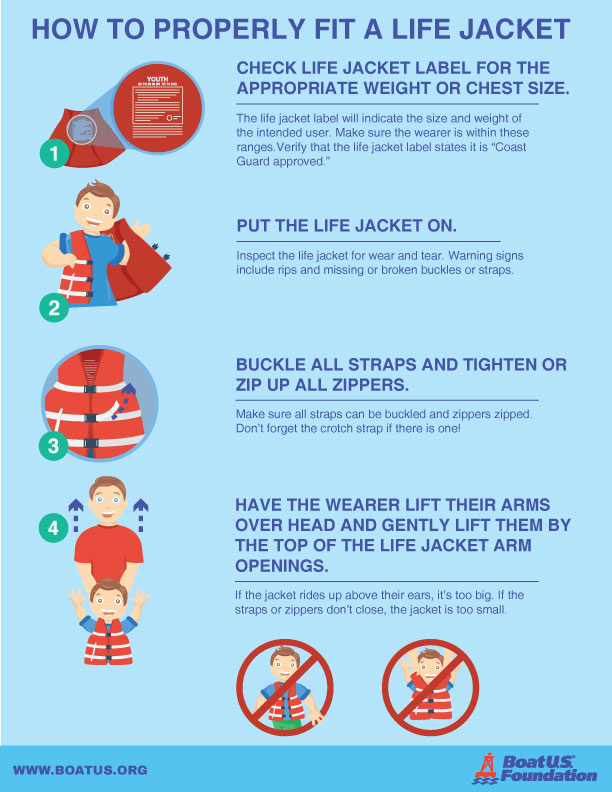
How to inspect a life jacket step-by-step
Use these steps every time you buy or borrow a life jacket. They are the core of knowing how to tell if a life jacket is expired.
- Check the label
- Look for manufacturer date, approval code, and model number.
- If the label is missing or unreadable, treat the jacket as suspect.
- If a date is older than 10–15 years, consider extra scrutiny.
- Test flotation materials
- Press and squeeze foam sections to feel for soft spots or crumbling.
- For inflatable jackets, inspect the CO2 cylinder and inflation mechanism.
- If foam is compressed or the inflatable shows leaks, it’s no longer reliable.
- Inspect straps and closures
- Check buckles, zippers, and Velcro for corrosion, cracks, or fraying.
- Replace any life jacket with broken or weak fasteners.
- Secure closures are essential for proper fit and performance.
- Look for water damage and mildew
- Discolored, stiff, or ruined fabrics can mean internal damage.
- Mold and mildew can hide degraded foam or stitching.
- If waterlogged fabric stays heavy after drying, replace it.
- Perform a buoyancy test when possible
- For foam models: hold it underwater and feel rebound; it should push back strongly.
- For inflatables: inflate and leave for several hours to check for leaks.
- If buoyancy seems reduced, do not use the jacket.
Source: stephanedeneve.com

Common signs a life jacket is expired or unsafe
Recognizing clear signs saves time and lives. These are practical warnings you can spot fast.
-
Missing or unreadable label
- Without readable approval info you can’t verify performance.
- Treat such jackets as expired or unserviceable.
-
Compressed, crumbly, or missing foam
- Foam that does not spring back is ineffective.
- Inflatable bladders with pinholes or worn seams are unsafe.
-
Damaged straps, buckles, or zippers
- If any fastening can fail, the jacket cannot secure a wearer.
- Corroded metal parts are especially risky in salt water.
-
Persistent water saturation or heavy feel
- Jackets that stay heavy after drying have internal damage.
- They may not keep a person properly afloat.
-
Expired or missing CO2 canister on inflatables
- Inflatable life jackets rely on CO2 for inflation.
- A missing or corroded canister makes the jacket unusable.

Source: mustangsurvival.com
Lifespan by life jacket type
Different jackets age differently. Know what to expect for each type when you wonder how to tell if a life jacket is expired.
-
Foam (inherently buoyant) life jackets
- Often last 10–20 years if stored well.
- Foam can compress or absorb water, which reduces life.
-
Inflatable life jackets
- Require regular cylinder checks and manual inflation tests.
- Typical service intervals are shorter; inspection yearly is common.
-
Hybrid jackets
- Combine foam and inflatable parts; check both systems.
- Failure in either system means replace the whole jacket.
-
Youth and specialized jackets
- Children’s jackets must fit snugly and be replaced as they grow.
- Specialty jackets (whitewater, offshore) often need more frequent replacement.
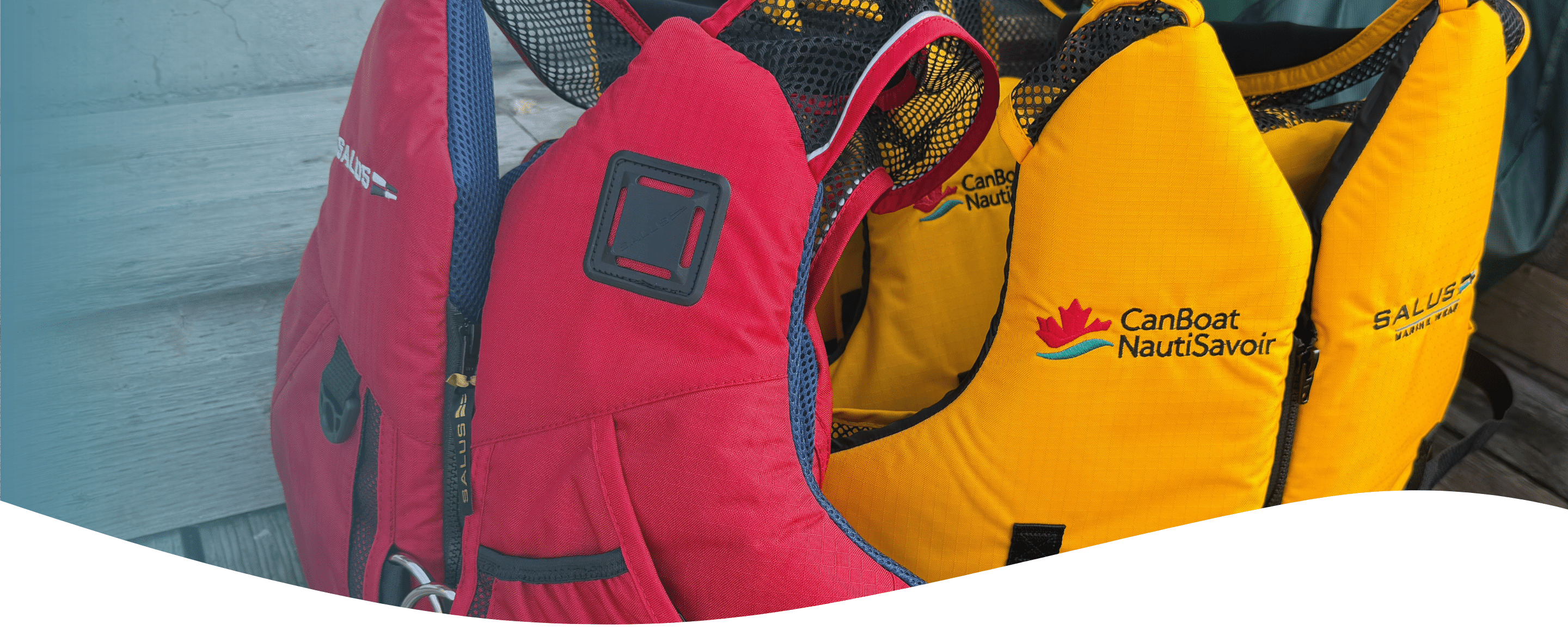
Source: canboat.ca
Maintenance, storage, and how to extend life
Good care extends a jacket’s useful life. These tips help you avoid premature replacement while staying safe.
-
Rinse after salt or chlorinated water use
- Fresh water rinse prevents corrosion and fabric breakdown.
-
Dry fully before storage
- Hang in shade to avoid UV damage and mildew growth.
-
Store away from heat and direct sun
- UV and heat break down foam, fabric, and inflation components.
-
Service inflatables annually
- Check canisters and automatic inflators on a schedule.
-
Keep labels and manuals
- Store manufacturer info for reference on service life and parts.

Source: vaikobi.com
- Store manufacturer info for reference on service life and parts.
Real examples and personal lessons
From my work teaching safety, I share two quick stories that show how to tell if a life jacket is expired.
-
Rental jackets on a busy lake looked fine but had soft foam when squeezed. After a buoyancy check, we replaced half the fleet. The lesson: visual checks miss internal foam failure.
-
An inflatable jacket failed to inflate in a drill. The canister was corroded and unreadable. We learned that inflatables demand strict upkeep and that missing label info equals practical expiration.
Keep these stories in mind the next time you inspect gear. They show that knowing how to tell if a life jacket is expired saves time and risk.

Common questions people ask (PAA-style)
These short answers hit common search intent quickly.
What causes a life jacket to become expired or unsafe?
- Wear, UV exposure, water absorption, foam compression, and failed inflators cause failure. Regular use and poor storage speed up the process.
Can foam life jackets get waterlogged?
- Yes. Old or damaged foam can absorb water and lose buoyancy. Replace any jacket that feels waterlogged after drying.
How often should inflatable life jackets be inspected?
- Inspect annually at minimum and check the CO2 canister before each season or heavy use. Replace any corroded or punctured parts immediately.
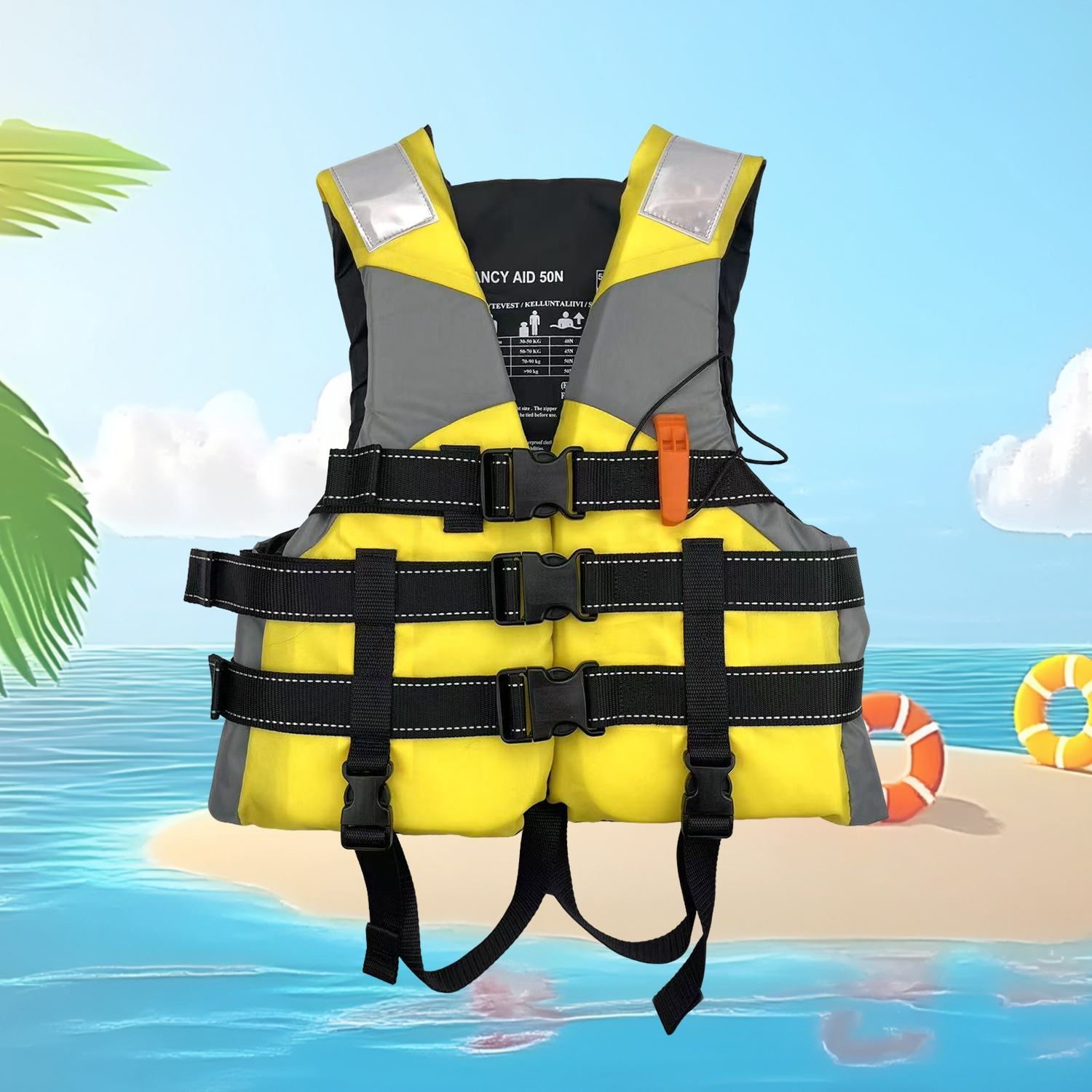
Source: alibaba.com
Safety checklist before heading out
Use this quick checklist to confirm a jacket is safe to use. It helps answer how to tell if a life jacket is expired in practice.
- Readable label with approval info and date
- No soft or crumbly foam; good rebound on squeeze
- Intact straps, buckles, and zippers that fasten securely
- Dry fabric with no heavy water retention or mold
- Inflatable canister present, undamaged, and tested
Related topics and regulations to know
Regulations and standards differ by country and activity. Familiarize yourself with local rules for boating and required life jacket types. Also learn manufacturer guidance and service intervals for inflatables. These layers of information help you make better choices when you ask how to tell if a life jacket is expired.
Frequently Asked Questions of How to Tell if a Life Jacket Is Expired?
How long do life jackets last?
Most foam jackets last 10–20 years with good care. Inflatable jackets often need more frequent checks and parts replacement.
Is there a manufacturer expiration date on life jackets?
Some do, but many do not. A missing date means inspect carefully and follow service guidance.
Can I repair a damaged life jacket?
Minor repairs like patching fabric may be possible, but damaged foam or failed inflators usually require replacement. Safety must not be compromised.
Are inflatable life jackets safer than foam?
Both have pros and cons. Inflatable jackets offer comfort and higher performance but need active maintenance. Foam jackets are more reliable long-term with less upkeep.
What should I do with an expired or unserviceable life jacket?
Remove it from service, dispose of it responsibly, and replace it with a certified, properly fitting jacket. Do not donate unsafe jackets.
Conclusion
Knowing how to tell if a life jacket is expired means combining label checks, physical inspection, and simple tests. Look for clear signs: unreadable labels, soft foam, damaged fasteners, waterlogged fabric, or broken inflators. Regular maintenance and realistic replacement timelines keep you and loved ones safe on the water.
Take action today: inspect every jacket you own, repair or replace as needed, and keep a habit of quick pre-trip checks. Share what you learn, subscribe for safety tips, or leave a comment with your inspection questions.