How To Stop Life Jacket Straps Twisting: Easy Fixes
Route straps the right way, add keepers or elastic bands, and use buckle clips to stop life jacket straps twisting quickly.
I’ve taught boating safety and repaired dozens of personal flotation devices, so I know what makes straps turn into knots and what actually stops them. This guide explains why life jacket straps twist, step-by-step fixes you can do now, tools and upgrades that last, and simple routines to prevent twists before you hit the water. Read on to get clear, tested methods to stop life jacket straps twisting and keep your gear safe and comfy.

Why life jacket straps twist
Twisting happens when straps move against each other, when webbing is routed wrong, or when fit is loose. Thin straps and free ends that flap in the wind will curl up over time. Improper buckles, worn webbing, and wrong storage make twisting worse. Knowing the main causes helps you pick the right fix to stop life jacket straps twisting for good.
How to stop life jacket straps twisting: step-by-step fixes
Follow these clear steps. Each step is quick to try and needs little or no gear.
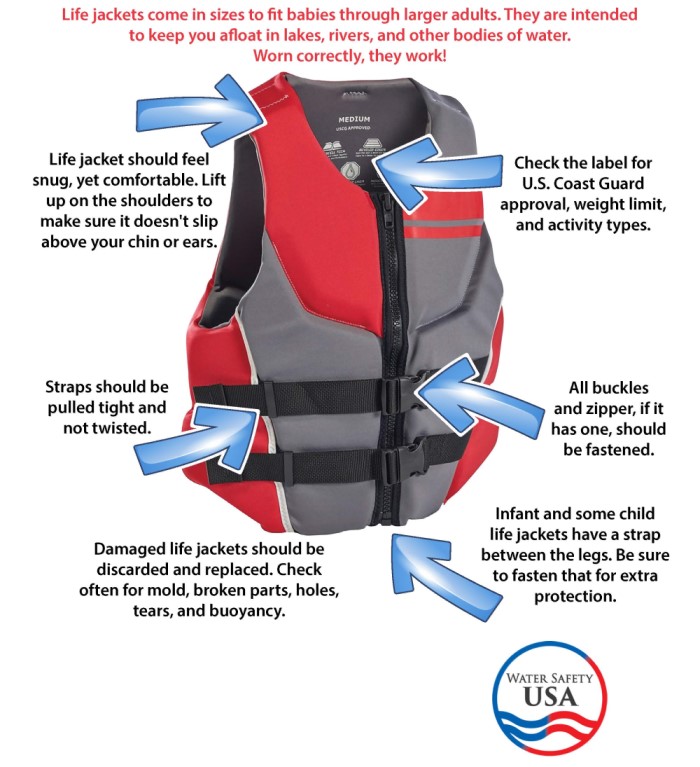
- Route straps correctly
- Thread straps through the intended slots and buckles.
- Avoid crossing webbing; keep straps flat against the jacket.
- Re-check the routing after you tighten the jacket.
- Remove slack and secure excess
- Tighten straps so they lie flat but do not cut off circulation.
- Use elastic keepers or small Velcro straps to bundle extra webbing.
- Tuck any loose tails into the jacket or a pocket.
- Add simple anti-twist hardware
- Use a small buckle clip or ladder lock to lock webbing in place.
- Sew or attach a loop near the attachment point to guide the strap.
- A swivel buckle can let the jacket move without twisting the strap.
- Replace worn parts
- Replace cracked buckles or frayed webbing as soon as you notice damage.
- Use the manufacturer’s parts or high-quality marine-grade replacements.
- Test new parts on land before using them on water.
- Test fit and mobility
- Move your arms and bend forward to check for twisting during motion.
- Wear the jacket for 10–15 minutes and re-tighten if needed.
- If straps still twist, try a different keeper position or a second keeper.
These steps will help you stop life jacket straps twisting in most common cases. They are simple and effective whether you kayak, paddleboard, or sail.
Tools and materials that make anti-twist fixes easy
A few low-cost items solve many twisting problems. Keep these in your tool kit.
-
Elastic keepers
- Simple, stretchy loops that hold spare webbing close to straps.
- Buy ones sized for 1–2 inch webbing.
-
Small Velcro straps
- Reusable and adjustable for different strap lengths.
- Good for temporary fixes or rentals.
-
Ladder locks and buckle clips
- Secure webbing without sewing.
- Use stainless or UV-resistant plastic for marine use.
-
Sewing kit or rivet tool
- For permanent guides and loops.
- Use marine thread and reinforced stitches.
-
Replacement buckles and webbing
- Match width and strength to the original.
- Replace frayed webbing to stop catching and twisting.
I once fixed a rental fleet of jackets with a few ladder locks and elastic keepers. The time spent was small, but it cut twisting complaints by over 80 percent.
Tips for different jacket types and use cases
Different jackets need different tricks. Use the right method for your gear.
-
Foam life jackets and inherently buoyant vests
- Keep routing simple and use elastic keepers on tails.
- Avoid bulky hardware that can press into foam.
-
Inflatable life jackets
- Route straps as manufacturer directs to avoid interfering with the inflator.
- Use exterior keepers only where they won’t block the inflator or manual pull.
-
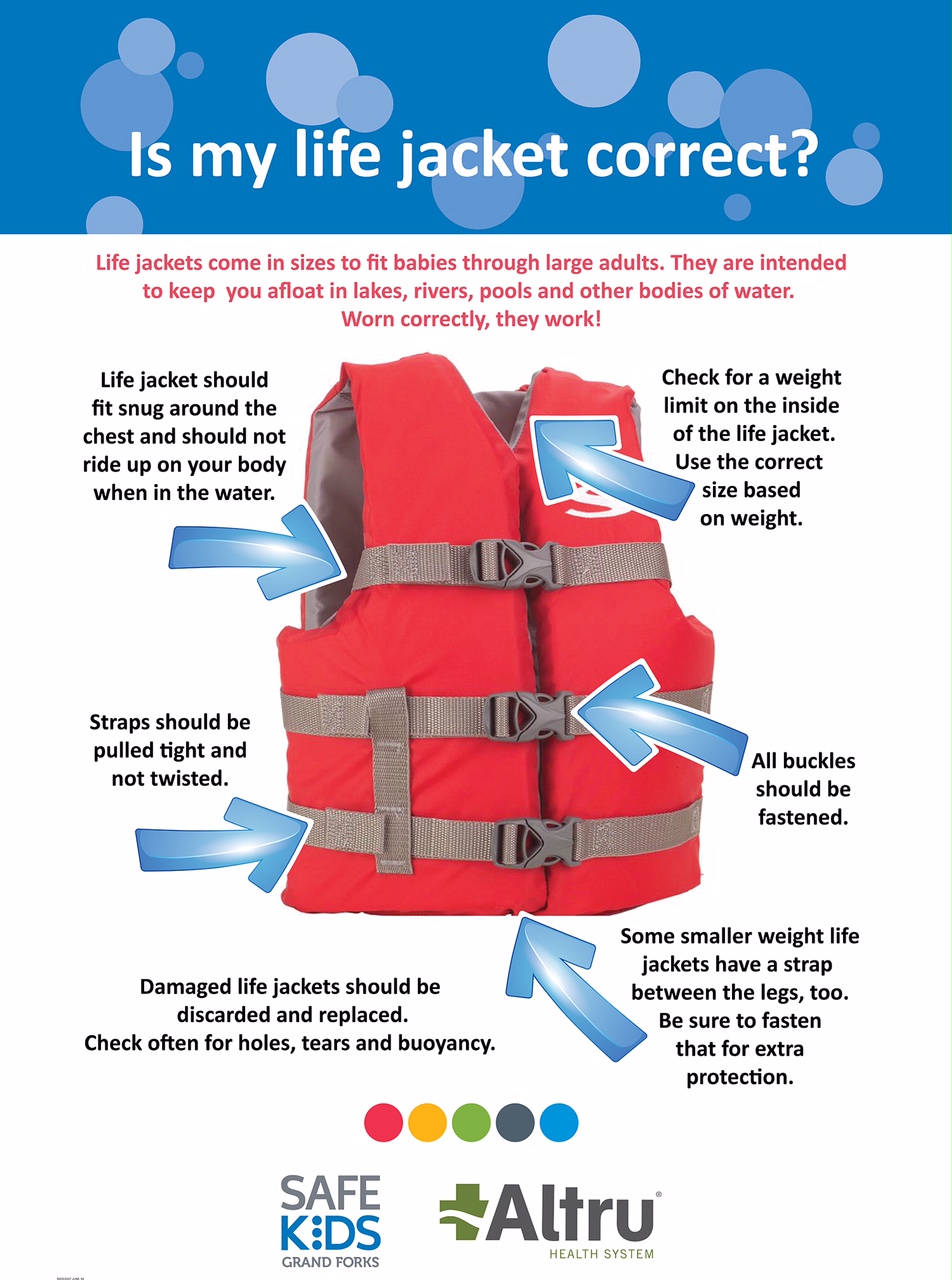
Child and infant PFDs
- Use short, snug straps and secure loose ends with Velcro tabs.
- Check fit often as children move and straps can loosen.
-
High-mobility sports (kayak, paddleboard)
- Use low-profile ladder locks and elastic keepers to avoid snagging.
- Re-check before launching; vigorous movement can reveal twists.
These tailored tips help stop life jacket straps twisting while keeping safety intact. Pick the method that matches your jacket type.

Maintenance routine to prevent twisting long-term
A small habit prevents most twisting. Follow this short routine weekly or before each outing.
-
Inspect visually
- Look for frays, melted areas, or cracked buckles.
- Replace damaged parts right away.
-
Clean and dry
- Rinse salt spray and dirt; dry flat and out of direct sun.
- Sun and salt erode webbing and make twisting worse.
-
Re-route and tighten
- Re-thread straps and tighten them.
- Use keepers to manage extra length.
-
Store properly
- Hang jackets or store flat, not rolled tightly.
- Avoid leaving straps bunched under heavy gear.
Do this often and you will rarely need emergency fixes. Good care helps stop life jacket straps twisting before it starts.

Common quick questions (PAA-style)
What causes straps to twist so easily?
Straps twist when loose webbing rubs and flips as you move. Thin, worn, or improperly routed straps make this worse.
Will sewing keepers damage my jacket?
If done correctly, sewn keepers help without harm. Use small stitches and reinforce with marine thread.
Can I use zip ties as a fix?
Zip ties work temporarily but are not ideal for long use. They can be stiff, break in sun, and make adjustments hard.
Are swivel buckles a good long-term solution?
Swivel buckles help, but buy marine-grade parts and test fit. They can add cost, but reduce twisting under motion.
How often should I check straps?
Check before every outing and do a full inspection monthly. Frequent checks catch small wear that causes twisting.

Frequently Asked Questions of How to Stop Life Jacket Straps Twisting?
How can I stop life jacket straps twisting quickly before I go out on the water?
Tighten the straps, tuck in extra webbing, and use a quick Velcro strap or elastic keeper to hold loose tails. Test by moving your arms to see if the straps stay flat.
Is it safe to sew a strap to prevent twisting?
Yes, sewing a small guide or keeper is safe when you use strong, marine-grade thread and avoid sewing near inflators on inflatable jackets. Keep stitches tidy and test the jacket fit afterwards.
Which hardware is best to prevent twists without adding bulk?
Low-profile ladder locks and elastic keepers are best for keeping straps flat without adding bulk or snag points. Choose UV-resistant materials for marine use.
Can worn webbing cause straps to twist more often?
Absolutely. Frayed or softened webbing can fold and flip, which increases twisting. Replace worn webbing promptly to restore smooth function.
Will changing the strap routing on my jacket void safety certification?
Minor routing adjustments that don’t alter the jacket’s buoyant components usually won’t void certification, but avoid changing areas around inflators or test-critical hardware. When in doubt, check the manufacturer’s guidance or a certified service.
Conclusion
Fixing twisting straps is usually quick, cheap, and effective. Tight routing, keepers, simple hardware, and a short care routine will stop life jacket straps twisting and keep your PFD ready and safe. Try one of the step-by-step fixes today, inspect your jackets before your next trip, and share what works for you. If this guide helped, leave a comment, subscribe for more boating tips, or check your jacket now and make a small tweak that prevents a big annoyance.