How To Soften Stiff Life Jacket Foam?: Quick Safe Methods
Soften stiff life jacket foam with gentle heat, warm water, and mild cleaners to restore flexibility.
I’ve spent years repairing gear and testing simple fixes. This guide explains how to soften stiff life jacket foam safely, step by step. You’ll learn why foam hardens, when to stop, DIY methods that work, and when to replace the foam. Read on for clear, tested advice from real hands-on experience.

Why life jacket foam stiffens
Foam in life jackets can harden over time. Exposure to sun, salt, chlorine, and repeated wet-dry cycles breaks down foam cells. Old foam loses oils and becomes brittle or rigid. Knowing why helps you decide how to soften stiff life jacket foam and whether repair is safe.
Safety first: when not to try softening
Do not attempt to soften foam that is crumbly or cracked inside the cover. If seams split or large chunks fall away, the foam’s buoyancy is likely compromised. Always inspect flotation, stitching, and labels before any repair. If a life jacket fails inspection, replacement is the safest option.

How to Soften Stiff Life Jacket Foam? — Step-by-step methods
Below are safe methods to soften stiff life jacket foam. Work in a well-ventilated area. Test any method on a small area first. Use gentle steps and avoid harsh chemicals that can damage foam or fabric.
Method 1 — Warm water soak
- Remove removable covers and hardware. Check the care label.
- Fill a tub with warm water (not hot). Aim for about 90–100°F (32–38°C).
- Submerge the life jacket for 15–30 minutes. Press gently to let water enter the foam.
- Gently squeeze to force water through the foam cells, then let it rest.
- Dry naturally in shade, standing so water drains. Do not use direct heat.
This method softens foam by rehydrating it. It’s safe and often effective for mildly stiff foam.
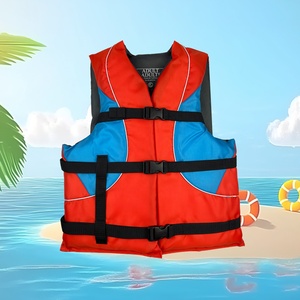
Method 2 — Mild soap and softening rinse
- Mix warm water with a small amount of mild liquid soap or technical fabric wash.
- Soak the jacket for 20 minutes and gently agitate.
- Rinse thoroughly to remove soap.
- Let the foam air-dry in shade, flipping occasionally to drain water.
Mild soap removes salt, oils, and deposits that stiffen foam. Avoid bleach, strong detergents, and fabric softeners.
Method 3 — Gentle steam or indirect heat
- Use a handheld clothes steamer or stand 12–18 inches from a pot of simmering water. Keep steam indirect.
- Move steam evenly over the fabric for short bursts of 30–60 seconds. Do not soak the jacket.
- After steaming, massage the foam gently to encourage flexibility.
- Allow full air drying afterward.
Indirect steam can relax foam cells. Never use a hair dryer on high heat or place the jacket on vents. High heat can melt or shrink shell fabric and damage foam.
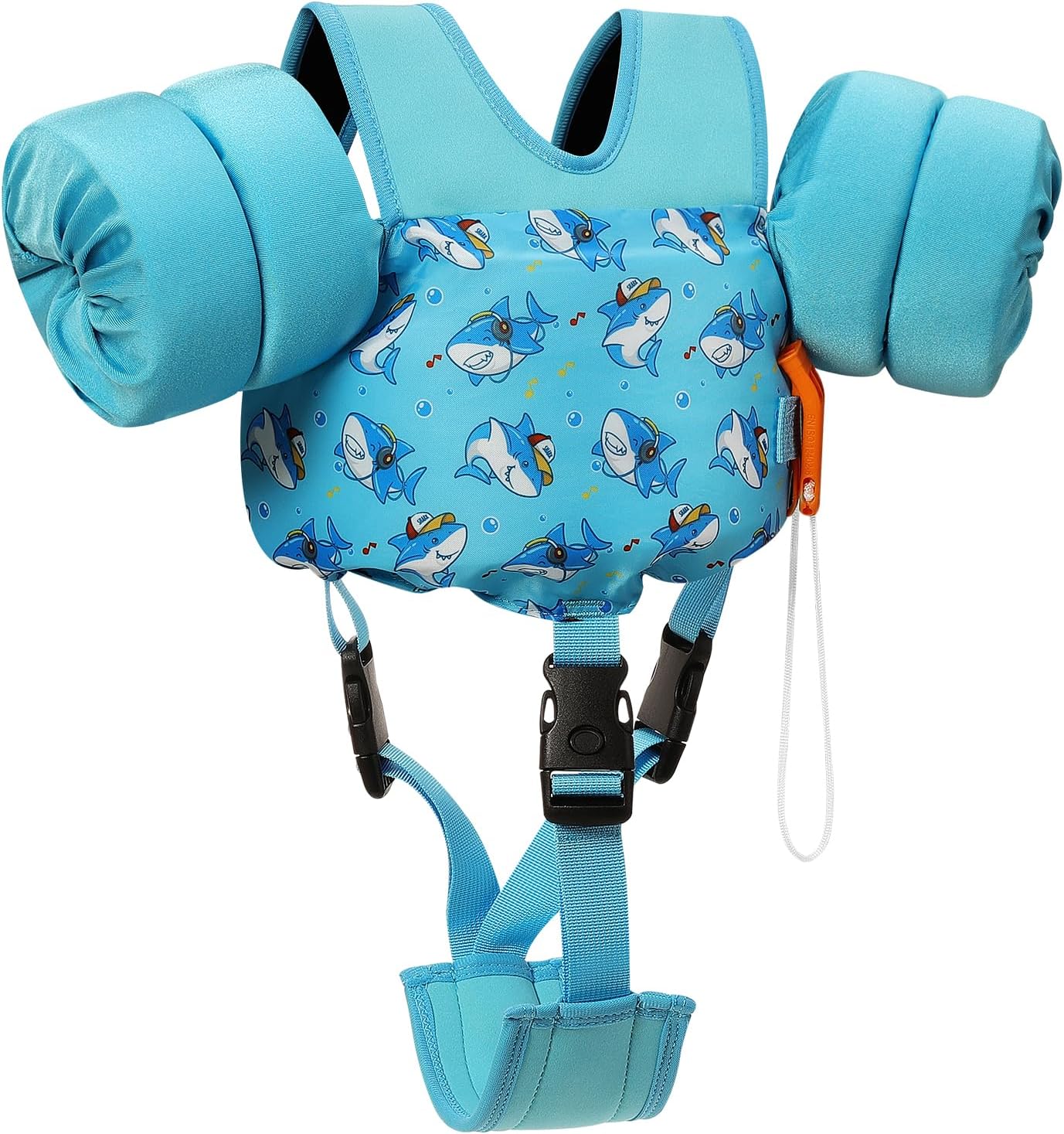
Method 4 — Softening oils (very sparing)
- Apply a tiny amount of mild, water-based conditioner designed for neoprene or technical fabrics.
- Work it into the fabric surface only. Do not saturate the foam.
- Rinse lightly and dry. Test on an inner seam first.
Only use oils when recommended by the manufacturer. Overuse can reduce buoyancy or attract dirt.

When to avoid DIY softening
If the label warns against water immersion or the jacket contains sealed foam blocks, stop. If the foam disintegrates when touched, or there are missing floatation parts, replacement is necessary. Always follow manufacturer guidance.

Homemade remedies and their pros and cons
Many people ask about home fixes. Here’s what I’ve tested and what I advise.
- Warm water soak
- Pros: Safe, cheap, effective for mild stiffness.
- Cons: Time-consuming; needs thorough drying.
- Vinegar rinse (diluted)
- Pros: Removes mineral buildup.
- Cons: Strong smell; overuse can harm fabrics.
- Olive oil or baby oil
- Pros: Can temporarily soften surface fibers.
- Cons: Attracts dirt and can clog foam pores. Not recommended for internal foam.
- Dry heat from ovens or hair dryers
- Pros: Quick.
- Cons: Risky. Can warp foam and melt shell. Avoid.
I used warm soaks most. They work best and carry the least risk. If you try other homemade fixes, do a small patch test first.

Professional restoration and replacement options
When DIY is not safe or effective, consider professional help.
- Manufacturer repair
- Many brands offer repair or replacement. This preserves safety ratings.
- Marine upholstery shops
- They can replace foam blocks or add new sealed foam.
- Certified safety inspectors
- They can test buoyancy and approve the jacket for use.
I once sent an older personal flotation device to a specialty shop. They replaced the foam and resewed the cover. The jacket returned like new and passed a buoyancy test.
Maintenance tips to prevent stiffness
Regular care keeps foam flexible and extends life.
- Rinse after use
- Rinse with fresh water after salt or pool use.
- Spot clean
- Use mild soap and a soft brush for stains.
- Dry properly
- Air-dry in shade. Keep jacket upright so water drains.
- Store smart
- Store flat or hung in a cool, dry place away from sunlight.
- Inspect yearly
- Check seams, zippers, and foam for changes.
These steps will reduce the need to learn how to soften stiff life jacket foam in the future.
Common short questions
Q: Will boiling water help soften foam?
A: No. Boiling water is too hot. It can melt fabric and damage foam cells.
Q: Can I use fabric softener to make foam flexible?
A: No. Fabric softeners coat fibers and can block foam pores, reducing buoyancy.
Q: How long until a soaked life jacket dries?
A: Drying can take 24–72 hours depending on air flow and thickness. Always dry fully before storage.
Frequently Asked Questions of How to Soften Stiff Life Jacket Foam?
How long should I soak a life jacket to soften foam?
Soak for 15–30 minutes in warm water for mild stiffness. For thicker foam, two shorter soaks with rest in between work better.
Is it safe to use a hair dryer on life jacket foam?
No. High heat from a hair dryer can melt fabric and damage foam. Use indirect steam or air drying instead.
Can I use bleach or strong cleaners to soften foam?
Avoid bleach and strong cleaners. They break down foam and fabric. Stick to mild soap or technical fabric cleaners.
How often should I inspect my life jacket for stiffness?
Check before each season and after heavy use. A yearly detailed inspection is a good habit.
Will adding oil permanently fix stiff foam?
No. Oils may soften surface fibers temporarily but can clog foam and attract dirt. They are not a long-term fix.
When should I replace a stiff life jacket instead of repairing it?
Replace if foam crumbles, seams split, or buoyancy feels reduced. If safety labels are missing or the jacket fails a flotation test, replace.
Conclusion
Softening stiff life jacket foam can be simple when you use safe, tested methods. Start with warm water soaks and mild soap, avoid high heat and harsh chemicals, and know when to choose professional repair or replacement. Keep up with rinsing, drying, and inspection to prevent stiffness. Try the steps above and share what worked for you — subscribe or leave a comment to tell your story and learn more about gear care.