How To Pick A Life Jacket For Kayaking Trips: Fit Tips
Choose a PFD that fits your body, matches your kayak type, and meets safety standards.
As a paddler and instructor with over a decade of experience, I know how crucial a life jacket is on every trip. This guide on How to Pick a Life Jacket for Kayaking Trips? will walk you through types, fit, buoyancy, features, real-world tips, and a clear buying checklist. Read on to make safe, confident choices that keep you comfortable on the water.
Why the right life jacket matters
Choosing the right gear saves lives. A good life jacket keeps you afloat, reduces panic, and helps rescuers find you fast. That is why How to Pick a Life Jacket for Kayaking Trips? is about more than looks. It is about matching safety, comfort, and activity.
I have seen people wear the wrong size or style. They were cold, tired, or trapped in straps. The right PFD lets you paddle, lean, and roll without riding up or choking. Trust standards and use common sense when you decide.
Types of PFDs for kayaking
There are four main life jacket types. Each fits a use case and safety level. Knowing them helps when asking How to Pick a Life Jacket for Kayaking Trips?
- Type I: Offshore life jackets with high buoyancy for rough waters. These are bulky and make long trips hard but very safe.
- Type II: Near-shore vests for calmer waters. They are lighter but may not turn an unconscious person face-up reliably.
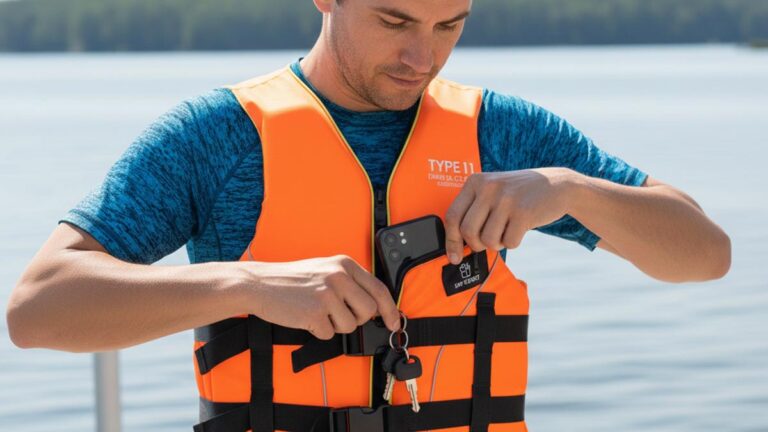
- Type III: Recreational PFDs designed for comfort and freedom of movement. Most kayakers use these.
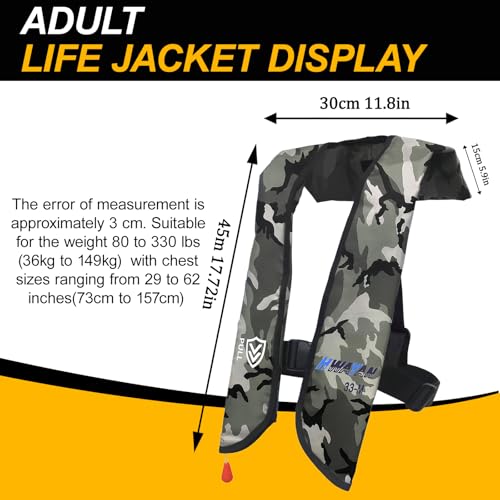
- Inflatable PFDs: Compact and comfortable. They need regular checks and are not allowed in all conditions.
Pick a PFD type that fits your water, skill, and rescue plan. For whitewater or sea kayaking, choose more secure, higher-performing models.
Fit, sizing, and comfort
Fit is the single most important factor when considering How to Pick a Life Jacket for Kayaking Trips?. A snug, correct fit keeps the jacket from shifting or riding up.
- Measure your chest and waist first. Follow the manufacturer’s size chart rather than general shirt sizes.
- Try the PFD on with layers you will wear on the water. Clothing changes buoyancy and fit.
- Check for lift at the neck. Have a partner lift your shoulders by the jacket straps. The jacket should not ride above your chin or ears.
- Ensure you can move your arms freely. You should be able to paddle, reach, and perform self-rescue.
Comfort matters. If the PFD digs, rubs, or limits breathing, you will avoid wearing it. I test paddling, reaching, and leaning in each jacket before I buy.
Buoyancy and performance
Buoyancy ratings tell you how much float a jacket offers. For How to Pick a Life Jacket for Kayaking Trips? you need to match float to risk.
- Buoyancy is measured in pounds or Newtons. More buoyancy helps in rough water and with heavy clothing.
- Consider added buoyancy in pockets or collars for extra head support.
- Performance also includes cut and mobility. A high-buoyancy vest that restricts paddling is a poor choice for day trips.
Remember, buoyancy helps but does not replace good planning. Practice getting in and out of your kayak while wearing the PFD.
Essential features to look for
Features improve safety and convenience. Focus on these when you research How to Pick a Life Jacket for Kayaking Trips?.
- Secure closures: zippers plus buckles reduce slippage.
- Adjustable straps: allow fine tuning for a snug fit.
- High-visibility colors and reflective tape: help rescuers find you.
- Pockets and attachment points: useful for whistles, knives, and small gear.
- Quick-release or two-way zippers: ideal for fast exits in an emergency.
- Integrated harness: needed if you’ll be offshore and towing or clipped to a kayak.
Balance features with weight. Too many pockets and straps add bulk and can tangle in a rescue.
Choosing by kayaking type
Different paddling styles need different jackets. Ask How to Pick a Life Jacket for Kayaking Trips? in the context of where and how you paddle.
- Casual lake paddling: Choose a Type III recreational PFD with good pockets and ventilation.
- Touring and sea kayaking: Look for added buoyancy, a snug fit, and a high collar for head support.
- Whitewater kayaking: Pick low-profile, secure PFDs with extra mobility and reinforced straps.
- Fishing from a kayak: Choose a PFD with many pockets and attachment points, plus a secure fit for casting.
- Cold-water or expedition trips: Opt for higher buoyancy and consider a drysuit or additional thermal layers under the PFD.
Match your PFD to your most demanding paddling day. That will cover easier days too.
Care, maintenance, and safety checks
A well-maintained life jacket lasts longer and performs better. Follow this advice for How to Pick a Life Jacket for Kayaking Trips? and after you buy one.
- Rinse saltwater off after each day. Salt speeds fabric breakdown.
- Inspect straps, seams, and buckles regularly for wear and tears.
- For inflatable PFDs: replace cylinders and check seals per the maker’s instructions.
- Store away from sunlight and heat in a dry place.
- Test fit before every trip. A jacket that fit last season may not fit now.
I keep a simple log of inspection dates and notes. It saves surprises on the water.
Buying checklist and practical tips
Use this checklist when deciding How to Pick a Life Jacket for Kayaking Trips?.
- Fit and size confirmed on your body type.
- PFD type matches your paddling environment.
- Buoyancy is appropriate for activity and clothing.
- Features align with your needs: pockets, harness, visibility.
- Comfort tested through paddling, leaning, and rescue moves.
- Manufacturer meets safety standards and has a good warranty.
Try before you buy. If ordering online, choose retailers with easy returns. Keep receipts and label your jacket with your contact info.
PAA-style quick questions
What is the best type of life jacket for kayak trips?
The most common choice is a Type III recreational PFD. It balances buoyancy and freedom of movement for most kayakers.
How should a life jacket fit when kayaking?
It should be snug, sit low on your hips, and not ride up when you lift your arms. Test with a buddy lifting the jacket by the shoulders.
Can inflatable PFDs be used for sea kayaking?
Yes, but only if they are approved for the conditions and you maintain them. They are comfortable but need careful checks and sometimes backup buoyancy.
Is higher buoyancy always better?
Not always. Too much bulk can limit movement. Choose buoyancy that provides safety while allowing normal paddling and self-rescue.
How often should I replace my life jacket?
Replace if it shows damage, lost buoyancy, or fails inspection. Inflatable PFDs also need cylinder changes per the maker’s schedule.
Frequently Asked Questions of How to Pick a Life Jacket for Kayaking Trips?
What size life jacket should I buy for kayaking?
Buy a jacket that fits snugly around your chest and does not ride up. Use the maker’s size chart and try it on with the clothing you will wear on the water.
Are inflatable life jackets safe for kayaking?
Inflatable PFDs can be safe if they are properly serviced and used in appropriate conditions. They are less bulky but require regular maintenance and may not be ideal for whitewater.
Do I need a harness with my life jacket for sea kayaking?
If you plan to travel offshore or need to clip to a towline, a PFD with an integrated harness is a good idea. It adds safety for long trips.
Can children use adult PFDs for kayaking?
No. Children must wear PFDs sized for their weight and chest. A jacket must fit properly to work in an emergency.
How do I know when a life jacket is worn out?
Check for frayed straps, broken buckles, or compressed foam. Inflatable jackets with damaged bladders or expired cylinders should be serviced or replaced.
Should I wear my life jacket all the time on the water?
Yes. Wear it whenever you are on or near water. Accidents happen fast, and wearing your PFD is the best immediate protection.
Conclusion
Choosing the right jacket is a simple action that adds big safety and comfort gains. Follow fit rules, match the PFD type to your paddling, and check buoyancy and features before every trip. Take action: try on a few models, run through the checklist, and pick the jacket you will actually wear. Share your questions or trip stories below, or sign up to get more gear tips and safety guides.