How To Find A Coast Guard Approved Life Jacket: Quick Tips
Look for a U.S. Coast Guard approval label, correct type, size, and a snug, undamaged fit.
I’ve spent years testing and fitting personal flotation devices for friends, clients, and my own family. This guide explains exactly how to find a Coast Guard approved life jacket with clear steps, real-world tips, and simple checks you can do before you buy or board a boat. You’ll learn what the approval label means, which PFD type fits your activity, how to verify authenticity, and when to replace a jacket. Read on to make safer choices on the water.
Why Coast Guard Approval Matters
Coast Guard approval means the PFD has met federal tests for buoyancy and performance. Approved devices are built to keep an unconscious person face-up in the water in a tested scenario. That approval is a legal and safety benchmark for U.S. waters.
Wearing a nonapproved jacket can increase risk in rough water. Approval informs rescue teams and manufacturers that the device meets minimum standards.
Choosing an approved PFD reduces guesswork. It also protects owners from liability in certain regulated boating areas.
Understanding Coast Guard PFD Types
The Coast Guard classifies PFDs into types based on use and flotation. Knowing these types helps when you look for an approved jacket.
Type I
- Best for offshore and rough seas.
- High buoyancy and strong chance to turn an unconscious person face-up.
Type II
- Good for near-shore, calm waters.
- Less buoyant than Type I; may not turn all unconscious wearers face-up.
Type III
- Recreational: kayaking, fishing, waterskiing.
- Comfortable for active use; may not turn an unconscious person face-up reliably.
Type IV
- Throwable devices like ring buoys and cushions.
- Not wearable; intended for aiding a swimmer.
Type V
- Special-use PFDs such as hybrid inflatables or deck suits.
- Must be worn to count as approved; designed for specific activities.
Understanding the type you need is step one in learning How to Find a Coast Guard Approved Life Jacket. Choose the type that matches where you will be and your expected conditions.
Step-by-step: How to Find a Coast Guard Approved Life Jacket
Follow these steps to find a reliable, approved PFD.
- Identify your activity and water conditions.
- Choose the correct PFD type for that activity.
- Measure chest size and weight to pick the right size.
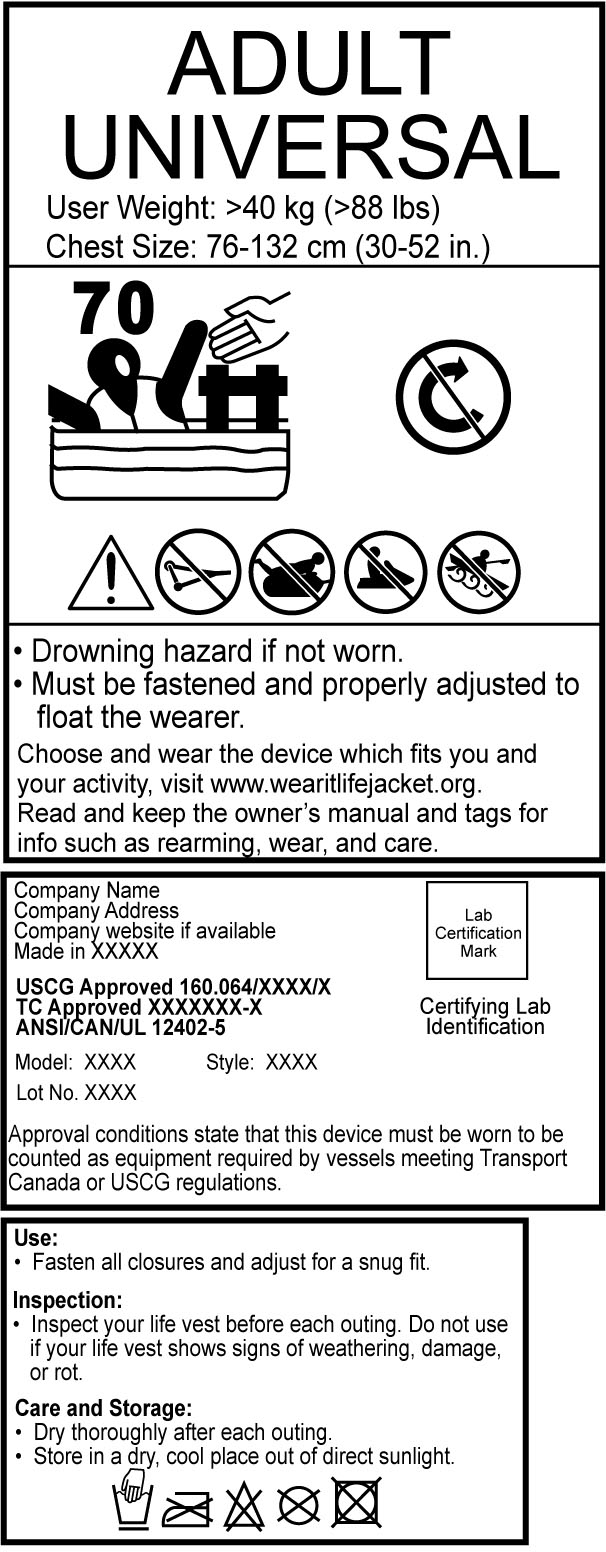
- Inspect for a visible Coast Guard approval label on the jacket.
- Check the approval number, buoyancy rating, and model or part number.
- Test the fit by tightening straps and trying a mobility test on land.
- Buy from reputable retailers or authorized dealers.
- Keep the receipt and manual for warranty and replacement info.
These steps will guide you on How to Find a Coast Guard Approved Life Jacket that fits your needs and keeps you safe.
How to Verify the Label and Approval Number
The approval label is the key proof of compliance. Learn what to look for.
- Label wording: It should say "U.S. Coast Guard approved" or show the official approval mark.
- Approval number: A code printed or sewn on the label. You can use it to confirm the model.
- Buoyancy rating: Listed in pounds or Newtons. Matches the PFD type.
- Manufacturer and model: Helps verify the product online.
If a seller can’t show a clear label or approval number, walk away. Counterfeits are common, and a fake label offers no real safety.
People also ask:
How long does a Coast Guard approval last?
- Approval does not expire, but the product can lose effectiveness with age and damage.
Can I use an inflatable PFD for all activities?
- Not always. Some inflatables are Type V and approved only for specific uses.
Sizing, Fit, and Comfort
A properly sized PFD is critical. Size charts vary by brand. Use chest measurement and weight as your primary guides.
Fit checklist
- Snug at the chest with straps tightened.
- Jacket should not ride up over your chin when pulled at the shoulders.
- Arms and shoulders must move freely.
- Test in shallow water if possible to confirm flotation and comfort.
Comfort matters because people remove uncomfortable PFDs. Choose a jacket you will actually wear.
Maintenance, Inspection, and When to Replace
Regular inspection keeps the PFD effective. Do a quick check before each season and a deeper check monthly in heavy use.
Inspect for
- Tears, rips, and worn seams.
- Broken or missing buckles and straps.
- Mold, mildew, or crushed foam.
- Punctures or leaks in inflatable models.
When to replace
- If buoyant foam is compressed or missing.
- If inflatable bladders fail inflation tests or show damage.
- If the label is unreadable or approval information is gone.
Store PFDs dry and out of direct sun. Proper care extends life and keeps the Coast Guard approval meaningful in real use.
Where to Buy and Common Pitfalls
Buy from trusted places for authenticity and support. Authorized dealers, major sporting stores, and official manufacturer sites are best.
Avoid
- Unknown sellers offering suspiciously low prices.
- Jackets without a visible approval label.
- Modified or homemade PFDs.
- Used jackets with unknown history, unless thoroughly inspected.
Ask questions. Request photos of the label if buying online. A real seller will understand your safety concerns.
Personal Experience and Practical Tips
I once helped a friend select a jacket for offshore fishing. He wanted the lightest jacket available. We tested several Type III jackets and found an inflatable Type V worked best for his needs and comfort. He kept it worn and used it more often because it fit well.
Lessons learned
- Comfort equals use. If the jacket is bulky or hot, people remove it.
- Try jackets with the clothes you wear on the water.
- Don’t accept a label as the only proof. Inspect the build and hardware.
Practical tip: Put the jacket on and simulate reaching and paddling. If it stays put, it will likely work under stress.
Frequently Asked Questions of How to Find a Coast Guard Approved Life Jacket?
What does "Coast Guard approved" mean on a life jacket?
Coast Guard approval means the PFD met federal tests for buoyancy and performance. It indicates the device should perform under the tested conditions for its type.
How can I tell if a life jacket is real or fake?
Check for a clear approval label, approval number, manufacturer name, and model. Compare details with the manufacturer’s listings and buy from trusted sellers.
Can a used PFD still be Coast Guard approved?
Yes, approval applies to the model, not age, but wear and damage can reduce effectiveness. Inspect foam, straps, and labels before using a used PFD.
Are inflatable life jackets Coast Guard approved?
Many inflatable jackets are Coast Guard approved as Type V or Type III. Approval depends on design and intended use; check the label for specific conditions.
When should I replace my life jacket?
Replace a jacket if foam is compressed, seams are ripped, buckles fail, or the inflatable bladder leaks. Also replace if the approval label is unreadable.
Do children need Coast Guard approved life jackets?
Yes. Children should wear U.S. Coast Guard approved PFDs sized for their weight and chest size. Fit and secure straps are essential for safety.
Conclusion
Finding a Coast Guard approved life jacket starts with knowing your activity, selecting the right PFD type, and verifying the approval label and fit. Inspect before you buy, choose comfort to ensure use, and maintain the jacket so it stays reliable. Take action today: check your current PFD, confirm the approval label, and replace any damaged or ill-fitting jacket. Share your questions or experiences below and stay safe on the water.