How To Dry A Life Jacket Fast?: Quick Dry Tips
Blow it dry with a towel and a fan, reshape the foam, and air it in a warm, ventilated spot.
I’ve dried dozens of life jackets after rainy trips, boating mishaps, and rental returns. This guide teaches you exactly how to dry a life jacket fast and safely. I’ll explain step-by-step methods, tools that speed drying, mistakes that damage buoyancy, and simple tests to know when a jacket is truly dry. Read on for practical tips you can use today.
Why drying a life jacket fast matters
A wet life jacket can smell, grow mildew, and lose performance. Wet foam traps salt and water. That shortens life jacket life. Quick drying keeps safety gear reliable. It also keeps you comfortable on your next trip.
I once left a foam PFD in a gear bag overnight. By morning it smelled sour and felt heavy. I learned to dry jackets fast to keep foam light and secure. This matters for safety and comfort.
Prep steps before you dry a life jacket fast
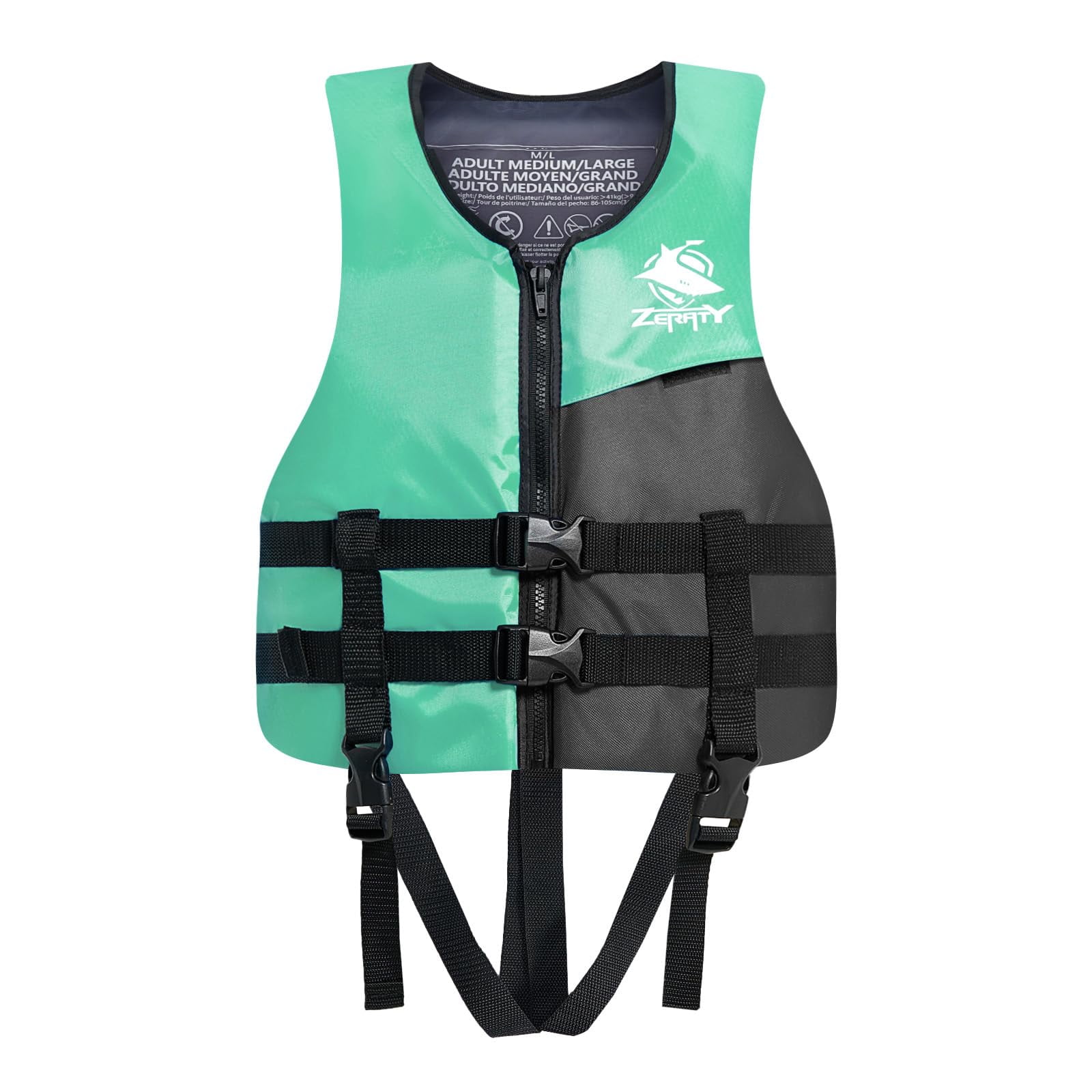
Follow these quick prep steps. They save time and prevent damage.
- Rinse with fresh water after salt or chlorine exposure. Rinsing removes salt and chemicals that hold moisture.
- Shake and squeeze out excess water. Do not wring foam aggressively.
- Open zippers, straps, and pockets. This helps air reach inner layers.
- Inspect for damage. Note loose stitching, torn fabric, or exposed foam.
Drying prep matters. Good prep speeds drying and protects foam and fabric.
Fast-drying methods that work
Here are fast, safe methods to dry a life jacket fast. Use one or combine several for best results.
-
Towel press and air + fan
- Lay jacket flat or hang it on a wide hanger.
- Press a dry towel onto the jacket to soak up water.
- Use a fan directed at both sides for steady airflow.
- Rotate the jacket every 15 minutes.
-
Sun and shade rotation
- Place jacket in indirect sun to warm it without bleaching.
- Move between sun and shade to avoid fabric fade.
- Sun helps evaporation but avoid prolonged direct sun on colored fabric.
-
Clothes dryer — with extreme caution
- Most PFDs say do not tumble dry. Only use low heat if manufacturer allows.
- Use a no-heat or air-fluff setting to speed drying without heat.
- Remove the jacket frequently and check foam condition.
-
Dehumidifier or heated room
- A room with a dehumidifier dries air fast.
- Hang the jacket on a wide hanger near the dehumidifier.
- This is gentle and safe for most life jackets.
-
Car or warm car trunk method
- Place the jacket in a well-ventilated spot inside a warm car.
- Do not leave it on a hot dashboard or near a heater vent for long.
- Check frequently; heat can damage foam if too intense.
-
Vacuum pack or compressed air (for small damp spots)
- Squeeze damp areas with a towel then use compressed air to push moisture outward.
- Avoid vacuum sealing while damp for long periods; trapped moisture breeds mold.
I prefer the towel press + fan combo. It dries fast and is gentle on foam. I use this after every lake day.

Step-by-step quick routine to dry a life jacket fast
Follow this routine when time is tight.
- Rinse jacket with fresh water if it touched salt or chlorine.
- Shake and gently squeeze out water from seams and pockets.
- Lay jacket flat on a dry towel. Press with another towel to absorb water.
- Hang the jacket on a wide hanger in a ventilated spot.
- Aim a fan at the jacket for at least 30–60 minutes per side.
- Move jacket to indirect sun for 20–30 minutes if safe for color.
- Finish in a dry, ventilated area for a final 1–2 hours.
Repeat steps if jacket still feels cool or spongy. Quick routines like this give fast results.

Tips to protect buoyancy and material while drying fast
Drying fast is useful, but not at the cost of safety. Protect construction and foam.
- Avoid high heat. Heat can deform foam and reduce buoyancy.
- Never dry near open flames or direct heater elements.
- Do not wring or twist foam panels. That can delaminate foam from fabric.
- Use wide hangers. Thin hangers stress straps and seams.
- Check labels. Follow manufacturer rules if they conflict with methods above.
I once used a hot dryer on a commercial PFD. The foam warped slightly. I now always use low or no heat.

Common mistakes that slow drying or damage jackets
Avoid these errors I’ve seen too often.
- Leaving a jacket scrunched in a bag. That keeps moisture trapped.
- Using small hangers that pinch straps and distort shape.
- Applying heat directly from a heater or hair dryer at close range.
- Skipping rinsing after saltwater exposure.
- Assuming a dry outer shell means inner foam is dry.
Spot drying does not equal full drying. Check foam weight and smell to be sure.
PAA-style questions about how to dry a life jacket fast
These quick questions match what many users ask.
How long does it take to dry a life jacket?
Dry time varies by method. With a fan and towel press, expect 2–4 hours; air drying can take 12–24 hours.
Can I put a life jacket in the dryer?
Only if the label allows. Use no-heat or air-fluff settings. High heat can damage foam.
Will sun damage a life jacket?
Prolonged direct sun can fade fabric and weaken straps. Use short sun bursts and rotate to shade.
Personal experience and lessons learned
I dry life jackets after every outing. Here are real lessons from years on the water.
- Lesson 1: Wet jackets left overnight smell bad. Fast fans fix this.
- Lesson 2: Salt crusts inside pockets slow drying. Rinse pockets well.
- Lesson 3: A wide hanger saves straps. Thin hangers ruin shape.
- Mistake to avoid: High heat to “speed things up.” That shortens gear life.
These small habits keep jackets ready and safe.
When to replace a life jacket after drying
Drying can’t fix structural damage. Replace a life jacket if you see any of these signs.
- Foam is brittle, crumbly, or deformed.
- Fabric is torn at seams or foam is exposed.
- Zippers and buckles do not work reliably.
- The jacket fails a buoyancy check or floats unevenly.
Regular inspection keeps you safe on the water.
Frequently Asked Questions of How to Dry a Life Jacket Fast?
How long should I fan a life jacket?
Fan the jacket for at least 30–60 minutes per side, then allow extra time in a ventilated spot. Check for coolness or dampness in the foam.
Is it safe to use a hair dryer on a life jacket?
A hair dryer at low, distant heat is sometimes okay, but avoid direct high heat. Keep it moving to prevent hot spots.
Can mold form if I dry a life jacket quickly?
Mold forms when moisture is trapped. Fast drying reduces mold risk but ensure inner foam is dry before storing.
How do I know the foam inside is dry?
Squeeze the jacket gently. Dry foam feels light, springy, and cool without a damp smell. A quick weight check helps.
Should I rinse my life jacket after saltwater use?
Yes. Rinse with fresh water to remove salt. Salt slows drying and can degrade materials.
Conclusion
Drying a life jacket fast is about smart prep, steady airflow, and gentle heat. Use towel pressing, a fan, and good ventilation. Avoid high heat and tight storage. Test foam feel and weight to confirm dryness. Practice these steps to keep your jacket safe, fresh, and ready.
Try the towel-plus-fan routine on your next trip. Share your results or ask a question below to learn more.