How To Clean A Foam Life Jacket?: Easy Steps And Tips
Rinse, mild soap, spot-treat mildew, air-dry flat — gentle steps to clean a foam life jacket.
I have cleaned and maintained dozens of personal flotation devices over years on boats, at lakes, and during training sessions. This guide answers "How to Clean a Foam Life Jacket?" in clear, tested steps you can follow now. I will show safe cleaners, what to avoid, and real tips from field experience so your foam life jacket stays safe, buoyant, and ready.
Why cleaning your foam life jacket matters
A clean foam life jacket stays safe and lasts longer. Dirt, salt, oils, and mildew can break down cover fabric and seams. Salt and chlorine can make straps stiff. Mildew smells and weakens the shell. Routine cleaning keeps the foam core dry, the seams sound, and flotation reliable.
This section explains why regular care is part of safe boating and paddling. Knowing "How to Clean a Foam Life Jacket?" helps you prevent damage and avoid costly replacements.
When to clean a foam life jacket
Clean your foam life jacket after saltwater trips, heavy sweating, visible dirt, or any contact with fuel or oil. If you notice odors, stains, or mildew spots, clean it right away. Also clean before long-term storage and after rental or shared use.
As you learn "How to Clean a Foam Life Jacket?" adopt a simple rule: rinse after each trip, wash when needed, and deep-clean seasonally.
What you need: materials and tools
Gather mild supplies before you start. Simple tools reduce the risk of damage.
- Soft brush or sponge for gentle scrubbing.
- Mild liquid soap, dish soap, or specialty PFD cleaner.
- Non-chlorine oxygen bleach for tough stains and mildew.
- White vinegar for mild mildew control.
- Soft towels for blotting.
- Large tub or clean bucket for soaking.
- Clothesline or rack for air drying.
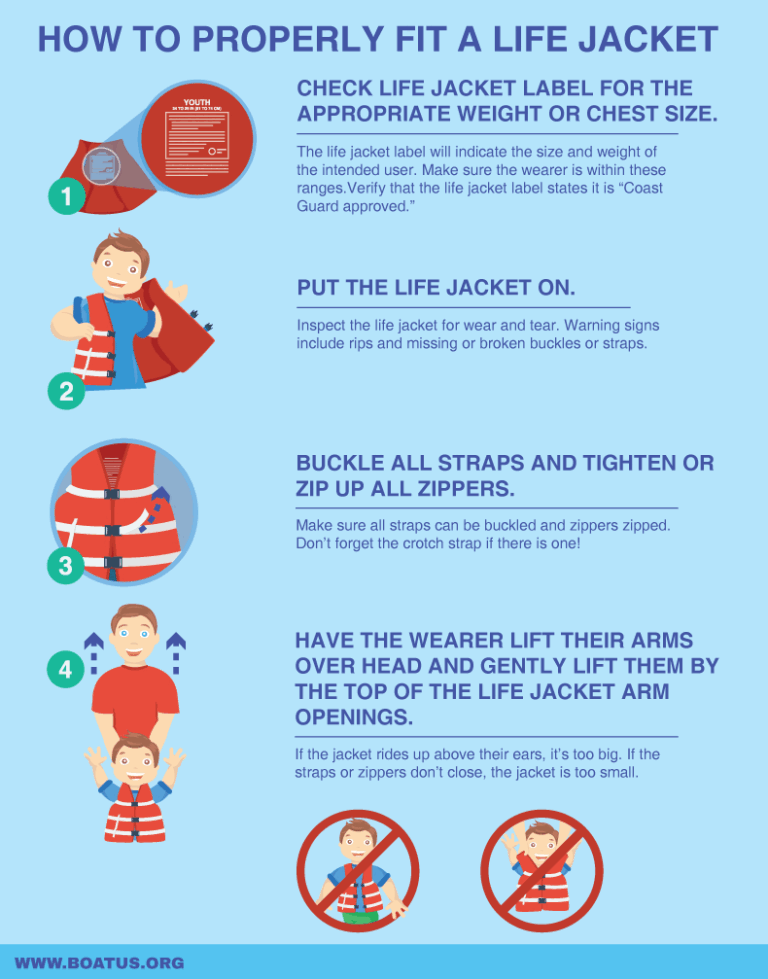
Read the jacket label first. Manufacturer instructions can vary. This helps answer "How to Clean a Foam Life Jacket?" with the safest products.
Step-by-step: how to clean a foam life jacket safely
Follow these steps to clean without harming the foam or shell.
- Inspect first
- Check for tears, broken straps, or exposed foam. Do not submerge if foam is exposed.
- Note weak areas to avoid scrubbing them hard.
- Ask: Can repair wait? If structure is compromised, replace.
- Rinse off loose dirt
- Rinse with fresh water to remove salt and surface grime.
- Use low-pressure flow. High pressure can force water into seams.
- Prepare a mild cleaning solution
- Mix warm water and a few drops of mild soap in a bucket.
- For mildew, add a cup of white vinegar per gallon, or a small amount of oxygen bleach according to label.
- Clean surface gently
- Use sponge or soft brush to wash the jacket. Focus on straps, zipper, and collar.
- Work in sections and avoid heavy scrubbing on printed areas.
- Spot-treat stubborn stains
- Apply a paste of baking soda and water or a diluted oxygen bleach solution for stains.
- Test a small hidden area first.
- Rinse thoroughly
- Rinse until no soap or cleaner remains. Leftover soap can trap dirt and irritate skin.
- Dry flat in shade
- Lay jacket flat or hang on a wide hanger away from direct sun.
- Avoid clothes dryers and direct heat. Sun and heat can break down materials.
These steps form the core of "How to Clean a Foam Life Jacket?" and will keep your life jacket in safe, usable shape.
Removing mildew and stubborn stains
Mildew needs prompt attention. Follow safe methods to remove it without damaging foam.
- Vinegar soak
- Mix one part white vinegar to four parts water. Soak for 15–30 minutes. Scrub gently and rinse.
- Oxygen bleach
- Use a non-chlorine oxygen bleach per product directions. Soak briefly and rinse well.
- Baking soda
- Make a paste with water for spot cleaning. Let sit 10–15 minutes, scrub, then rinse.
Avoid undiluted chlorine bleach. Strong chlorine can weaken fabric fibers and foam over time. If you must use household bleach, use a very dilute mix (about one tablespoon of regular bleach per gallon), test first, and limit exposure time.
When thinking about "How to Clean a Foam Life Jacket?" remember: test cleaners, rinse fully, and avoid long soaks with harsh chemicals.
Drying and storage best practices
Proper drying and storage preserve flotation and fabric.
- Air dry in shade
- Dry flat or hang where air moves freely. Avoid direct sunlight for long periods.
- Ensure complete dryness
- Open pockets and straps. Moisture left inside causes mildew.
- Store in cool, dry place
- Avoid attics or hot garages. Heat can warp foam and degrade adhesives.
- Keep away from chemicals
- Do not store near solvents, gasoline, or strong cleaners.
Following these tips will keep your jacket ready. This is a key piece in "How to Clean a Foam Life Jacket?" that many people overlook.
What to avoid — common mistakes
Avoid these frequent errors that shorten life jacket life.
- Using bleach without testing
- Harsh bleach can harm fabric and straps.
- High-heat drying
- Never use a dryer or direct heater.
- Machine washing with agitator
- Aggressive machines can tear fabric and shift foam.
- Storing damp
- That invites mildew and odors.
- Painting or coating foam
- Solvents and paints degrade foam and void warranties.
These pitfalls answer many questions people ask when learning "How to Clean a Foam Life Jacket?" and help you protect your gear.
Maintenance schedule and checks
A simple routine keeps your foam life jacket safe.
- After each use: quick rinse and air dry.
- Monthly during season: wipe down and inspect seams and straps.
- Annually: perform a float test and inspect for hidden damage.
- Replace if foam compresses, or if zippers and straps fail.
Regular checks are part of being responsible on the water and are central to "How to Clean a Foam Life Jacket?"
Personal experience and tips from the field
I once skipped a saltwater rinse after a weeklong trip. The jacket smelled and straps stiffened. After a careful clean with vinegar and mild soap, it recovered. Lesson learned: quick rinses prevent big jobs later.
A few practical tips I use:
- Keep a small bottle of mild soap in the boat.
- Use large hangers to preserve shoulder shape.
- Never ignore odd smells — they mean mildew growth.
These small habits make "How to Clean a Foam Life Jacket?" easy and stress-free.
Frequently Asked Questions of How to Clean a Foam Life Jacket?
How often should I clean a foam life jacket?
Rinse after each use, especially after saltwater. Deep-clean when you see stains, odor, or mildew, and at least once per season.
Can I machine wash a foam life jacket?
Avoid machine washing on aggressive cycles. If the manufacturer allows it, use a gentle, cold cycle and no spin. Hand washing is safest.
Is it safe to use bleach on a foam life jacket?
Use non-chlorine oxygen bleach sparingly. Regular chlorine bleach should be very dilute and used only after testing a hidden area.
How do I dry a foam life jacket quickly?
Air dry in shade on a wide hanger or flat surface. Do not use a dryer, heat lamp, or direct sun for long periods.
When should I replace a foam life jacket?
Replace when foam is compressed, fabric is torn, seams come apart, or straps and buckles fail. Also replace after long submersion or if buoyancy is reduced.
Can mildew ruin a life jacket forever?
Mildew is often removable if caught early. Severe or deep-set mildew that weakens fabric or seams may mean replacement is safer.
Conclusion
Cleaning a foam life jacket is simple, but it matters. Rinse after use, use mild cleaners, treat mildew cautiously, dry fully, and inspect regularly. These steps keep your jacket safe and long-lasting.
Take action today: check your jacket, do a rinse, and schedule a deeper clean if needed. Share your cleaning wins or questions in the comments, and subscribe for more practical gear care tips.