How To Choose A Life Jacket For Teenagers?: Best Fit Guide
Choose a properly sized, Coast Guard-approved life jacket suited to a teen’s weight, activity, and fit.
I’ve spent years testing and advising families on water safety. This guide breaks down how to choose a life jacket for teenagers with clear steps, real tips, and practical checklists. You’ll learn how to match size, buoyancy, style, and features to the teen, the activity, and local safety rules. Read on to pick the right life jacket for teenagers with confidence and keep your teen safe on the water.
Why the right life jacket for teenagers matters
Teens often push limits on the water. A life jacket that fits poorly can fail to keep a teen afloat or restrict movement. Choosing the right life jacket for teenagers protects breathing, helps conserve energy, and reduces panic risks.
Safety rules and approvals matter. Look for devices that meet national approval standards. A correctly chosen life jacket for teenagers increases survival chances in cold water and fast currents. It also helps kids stay active and confident safely.
Key features to look for when choosing a life jacket for teenagers
Pick a life jacket for teenagers that balances buoyancy and mobility. Focus on these clear features:
- Size and weight rating – Ensure the label lists the teen’s weight range.
- Buoyancy (floatation) – More buoyancy helps in rough water but can limit movement.
- Certification – Choose Coast Guard-approved or equivalent approved devices.
- Fit and adjustability – Look for straps and webbing that make a snug fit without pinching.
- Type and shape – Some models are low-profile for watersports; others are bulky for rough offshore use.
- Visibility – Bright colors and reflective tape help rescuers spot teens faster.
- Comfort and breathability – Mesh panels and soft foam reduce chafing during long use.
- Quick-release buckles – Buckles should be easy to fasten and secure.
Choosing a life jacket for teenagers also means checking pockets, whistle attachment, and whether a harness loop is present for towing. These small features matter when selecting a jacket for a specific activity.
Types of life jackets suitable for teenagers
Not all jackets work for every activity. Know the common types before you choose a life jacket for teenagers.
- Foam (inherently buoyant) – Reliable and always ready; good for kids and boaters.
- Inflatable (manual or automatic) – Low bulk and great mobility; requires careful sizing and training.
- Hybrid (foam + inflatable) – Balances comfort and buoyancy; may cost more.
- Type-specific models – Designed for offshore, near-shore, or recreational use; pick based on activity.
For teens who paddle, a slim Type III or an inflatable PFD often fits best. For offshore boating, choose a higher-buoyancy, more secure model. The right type of life jacket for teenagers depends on where and how they will use it.
How to measure and fit a life jacket for teenagers
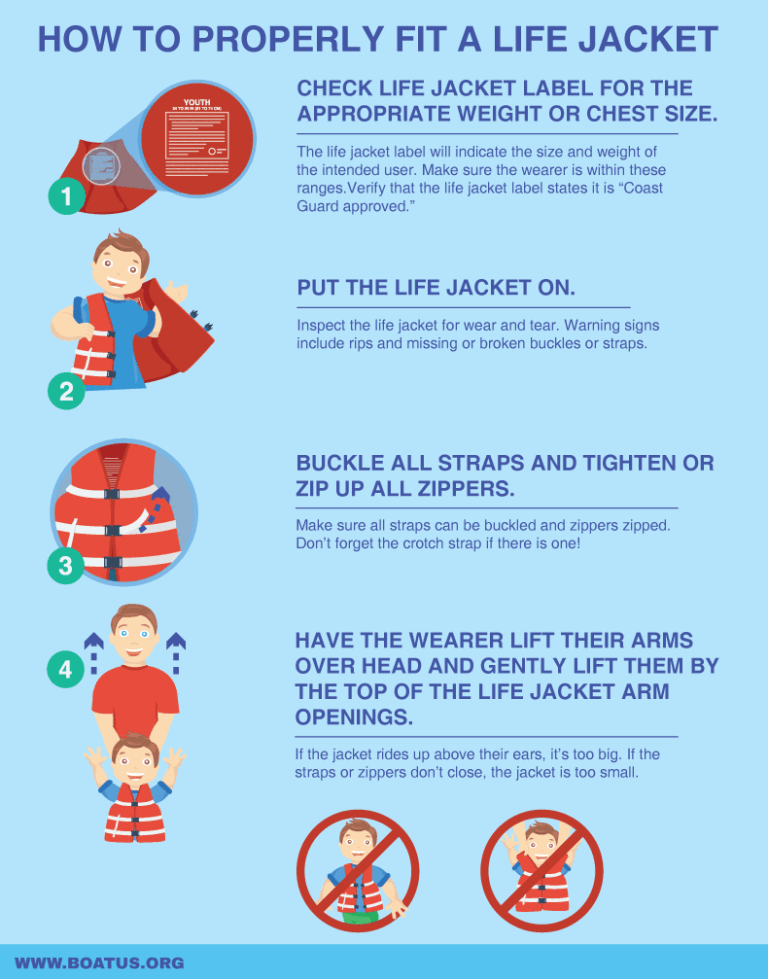
A life jacket that looks right can still be unsafe if it doesn’t fit. Follow these steps to fit a life jacket for teenagers:
- Check the weight and chest-size label to match the teen.
- Have the teen put the jacket on and fasten all straps and zippers.
- Pull up on the shoulder straps; the jacket should not ride up over the face.
- Tighten side straps so the jacket is snug but allows full arm movement.
- Test in shallow water when possible; ensure the teen floats and keeps airway clear.
If a jacket slides over the chin or face during the pull test, it is too large. Always follow the manufacturer’s fit guide to choose a life jacket for teenagers.
Activity-based recommendations for teenagers
Match the life jacket for teenagers to the activity for better safety and comfort.
- Recreational boating – Foam PFDs with high visibility and good buoyancy are best.
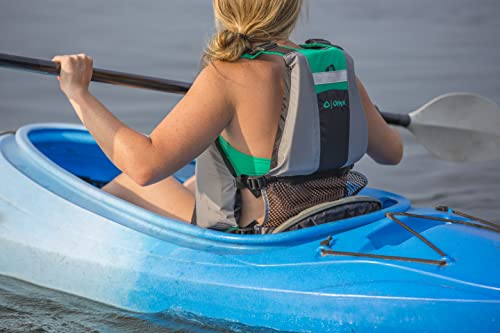
- Kayaking or canoeing – Low-profile Type III PFDs that allow wide arm movement work well.
- Paddleboarding – Slim, well-fitted foam or buoyant-inflatable styles provide mobility.
- Waterskiing and wakeboarding – A snug, sport-specific life jacket prevents shifting.
- Offshore fishing or sailing – Choose higher-buoyancy, highly visible, and secure models.
Always consider the teen’s skill level. Less experienced swimmers should use more secure, higher-buoyancy life jackets. This improves safety for teens in all water conditions.
Caring for and maintaining a teen’s life jacket
A well-kept life jacket lasts longer and stays safe. Simple care steps can prevent failure.
- Rinse with fresh water after salt or chlorinated water use.
- Dry in shade to avoid UV damage and foam breakdown.
- Store in a cool, dry place away from chemicals and direct sun.
- Check straps, seams, and foam for wear before each season.
- Replace any PFD with significant damage, suspect performance, or after a hard impact.
Record the purchase date and inspect annually. Proper care helps ensure the life jacket for teenagers stays reliable when needed.
Budget, buying tips, and certification checks
Price doesn't always equal quality. Use these tips to find the right life jacket for teenagers without overspending.
- Prioritize certification over brand. Certified jackets meet safety tests.
- Try before you buy when possible. Teens should move and swim in the jacket.
- Look for return policies and warranty. Kids grow and preferences change.
- Compare features: adjustability, fabric, buoyancy, and extras like whistles.
- Avoid worn used jackets unless you can verify condition and certification.
Buying a life jacket for teenagers is an investment in safety. Spend on fit and approval first, comfort and style second.
Common mistakes and lessons from experience
From testing and advising, I’ve seen the same errors repeatedly. Learn from them.
- Mistake: Choosing a jacket by look, not fit. Lesson: Always test fit and movement.
- Mistake: Using adult jackets on teens. Lesson: Weight and chest fit make all the difference.
- Mistake: Relying on inflatables without training. Lesson: Teach teens how to arm and activate them.
- Mistake: Ignoring activity needs. Lesson: Sport-specific jackets reduce accidents and discomfort.
I once advised a family whose teen wore an oversized jacket that rode up during a flip. After switching to a sport-fit jacket, the teen felt safer and paddled longer. Real-world tests show fit and activity match matter most when choosing a life jacket for teenagers.
PAA-style questions (People Also Ask)
What size life jacket should a teen wear?
Pick a jacket based on the teen’s current weight and chest size as listed on the label. If between sizes, choose the smaller size and adjust straps to ensure a snug fit.
Are inflatable life jackets safe for teenagers?
Inflatable jackets are safe when properly sized and used by teens who understand activation and inspection. For non-swimmers, an inherently buoyant foam PFD is often a safer first choice.
How often should you replace a teen’s life jacket?
Replace a life jacket if it shows damage, foam degradation, or fails fit tests after use. Regular inspection and manufacturer guidance will tell you when replacement is needed.
Frequently Asked Questions of How to Choose a Life Jacket for Teenagers?
What certification should I look for on a life jacket for teenagers?
Look for national approval such as U.S. Coast Guard, Transport Canada, or equivalent. Certification means the jacket passed flotation and design tests for safety.
Can teenagers use adult life jackets?
Only if the jacket’s weight and chest-size range match the teen. An adult-size jacket that is too large can slip up and endanger the wearer.
How should a life jacket feel when fitting a teen?
It should feel snug, allow free arm movement, and not rise above the face when shoulder straps are pulled. Comfort is key; teens must wear it willingly.
Are there special life jackets for teens who waterski or wakeboard?
Yes. Watersports jackets are low-profile with extra hold and mobility. Choose a sport-specific jacket to prevent shifting during falls.
What should I do if a teen refuses to wear a life jacket?
Model consistent behavior and make safety non-negotiable. Let them pick a comfortable, stylish option and explain that a well-fitted life jacket for teenagers keeps them in the fun longer.
Conclusion
Choosing the right life jacket for teenagers means matching size, buoyancy, activity, and certification. Focus on fit first, then comfort and features. Test the jacket in shallow water, maintain it well, and replace it if unsure.
Take action today: measure your teen, compare approved options, and have them try a jacket on before use. Keep safety simple and consistent—your teen will thank you by staying safe and enjoying more time on the water. Leave a comment with your questions or share a story about picking a life jacket for teenagers.