How To Choose A Life Jacket For Night Boating: Safety Tips
Choose a high-visibility, buoyant life jacket with reflective tape, a whistle, and an attached light.
I have guided night boating trips and tested jackets in low light for years. I know what saves lives and what fails. This guide will show how to choose a life jacket for night boating with clear, practical steps and real-world tips so you can pick gear that keeps you safe after dark.
Why night boating needs special life jacket considerations
Night boating changes risks. Visibility drops. Waves look different. Finding a person in the water is much harder at night than in daylight.
When you ask How to Choose a Life Jacket for Night Boating? think visibility, buoyancy, and signaling first. A jacket that keeps you afloat but cannot be seen or signaled is not enough. My experience running night trips taught me to treat lighting and reflectivity as vital gear components.
Key features to look for when choosing a life jacket for night boating
Focus on these features. Each one matters for survival and rescue.
- Buoyancy and type
- Choose a jacket rated for your weight and activity. 100% buoyant foam PFDs are reliable and immediate. Inflatable PFDs add comfort but check automatic/manual inflation and service history.
- Visibility
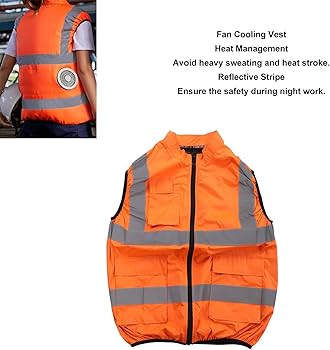
- Look for bright colors like orange, yellow, or red. Big reflective panels and tape help spot someone under lights. Many jackets include retroreflective strips designed to bounce searchlight beams back.
- Built-in lights and attachments
- A life jacket with an integrated light or a secure attachment point for a strobe is best. Lights that are water-activated help rescuers find you sooner.
- Fit and secure closure
- A snug fit keeps the jacket in place. Adjustable straps and crotch or leg straps prevent the jacket riding up. Test the fit in shallow water before night outings.
- Comfort and mobility
- Choose a jacket that allows you to move and perform tasks. Bulk reduces reach and balance, which matters during emergencies at night.
- Material and durability
- Durable outer shells resist snags and UV damage. Check seams, zippers, and straps for reinforced stitching.
- Signaling accessories
- Built-in whistles, light loops, or D-rings for attaching strobes and PFD lights improve rescue chances.
How to Choose a Life Jacket for Night Boating? prioritize bright colors, reflective material, attachable lights, and secure fit. These items save time during a rescue.
Types of life jackets suitable for night boating
Different PFD types fit different needs. Pick the type that matches your boat, activity, and comfort.
- Type I (offshore life jackets)
- High buoyancy and designed for rough waters. They turn an unconscious person face-up. Good for open-water night trips.
- Type II and III (near-shore and flotation aids)
- These are more comfortable and allow more mobility. Choose versions with high visibility and reflective tape for night use.
- Inflatable PFDs
- Compact and comfortable. They inflate on demand. Ensure the CO2 cartridge is fresh and that you have a backup light and reflective panels.
- Hybrid designs
- Combine foam and inflatable chambers. Offer the best of both worlds for night boating if properly maintained.
When planning how to choose a life jacket for night boating, match the jacket type to your risk level. For offshore night trips, favor higher-buoyancy models. For calm, near-shore night rides, a high-visibility Type III with a strobe can be fine.
Fit, sizing, and maintenance essentials
A well-chosen jacket fails if it does not fit or is poorly maintained. Follow these simple rules.
- Fit check steps
- Put the jacket on and fasten all straps. Have someone lift your arms and tug up at the shoulders. The jacket should not ride above your chin or ears.
- Sizing guidance
- Use weight and chest size charts on the label. Account for clothing layers you might wear at night.
- Maintenance tasks
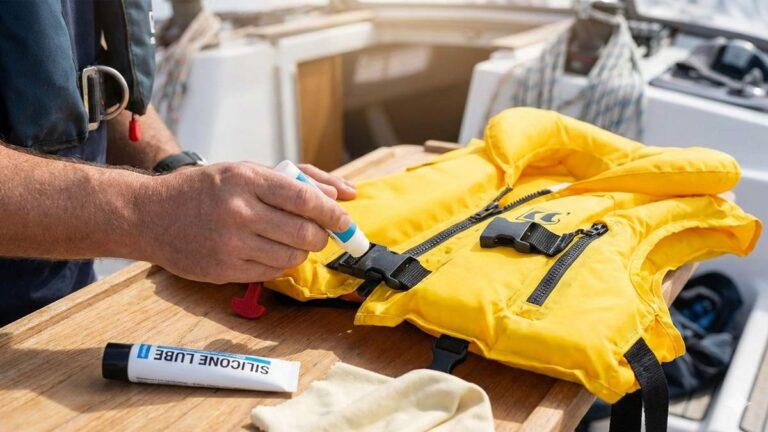
- Inspect for tears, frayed straps, and expired CO2 cartridges. Rinse with fresh water after saltwater use. Replace worn reflective tape and test lights regularly.
- Service intervals
- Inflatable PFDs need periodic servicing per manufacturer rules. Replace expired parts before heading out at night.
How to Choose a Life Jacket for Night Boating? means buying the right size and keeping it in ready condition. Neglected jackets are a hidden danger.
Lighting and signaling accessories for night boating
The jacket’s features are the core. Accessories boost detectability and rescue speed.
- PFD lights
- Choose waterproof, high-lumen strobes that attach to the shoulder or chest. Water-activated strobes are useful for unconscious victims.
- Whistles and air horns
- A whistle is required on many boats. It is a simple and effective short-range signal at night.
- Retroreflective tape
- Add or replace tape that reflects searchlights. Tape that glows under light is priceless in night rescues.
- Personal locator beacons and VHF radios
- Carry a PLB or handheld VHF as part of your night safety kit. Attach them to the life jacket or keep them in a secure, accessible pocket.
If you wonder How to Choose a Life Jacket for Night Boating? never ignore the attachments. A good light plus whistle makes you visible and audible.
My real-world tests, mistakes, and lessons learned
I have guided people and tested jackets in real night conditions. Here are honest lessons from the field.
- Lesson: Visibility beats aesthetics
- I once saw a stylish jacket fail at night because it had no reflective tape. Bright color and tape saved a later rescue.
- Mistake: Relying only on automatic inflatables
- An auto-inflator failed once due to corrosion. Now I carry a manual inflation option and a backup light.
- Tip: Practice in daylight and dusk
- Test donning, inflating, and signaling at dusk. That practice builds muscle memory for emergencies at night.
- Tip: Keep spare batteries and a small repair kit
- Changing a light battery on the dock is easier than during a rescue.
How to Choose a Life Jacket for Night Boating? includes learning from others and testing your gear. Practice and redundancy are as important as the jacket itself.
A simple buying checklist and decision steps
Use this quick checklist before you buy or go out at night. It will help you pick the right life jacket every time.
- Assess your trip
- Decide distance from shore, expected weather, and activity.
- Choose type
- Pick Type I for offshore, Type III for calm and active use, or hybrid if you want both.
- Confirm fit
- Test fit with layers and perform the shoulder tug test.
- Check visibility features
- Look for bright color, reflective panels, and a light attachment.
- Verify maintenance and service
- Check inflation cartridges, service dates, and fabric condition.
- Add accessories
- Buy a PFD light, whistle, and a PLB or VHF radio if needed.
If you still ask How to Choose a Life Jacket for Night Boating? follow this checklist and you will make a safe choice. A short test ride at dusk makes the choice clear.
People also ask
Q: Will any life jacket work at night?
A: Not all life jackets are equal at night. Choose one with visibility features, reflective material, and a light attachment.
Q: Are inflatable life jackets safe for night boating?
A: Inflatable jackets are safe if maintained. They must be serviced and have a reliable manual or backup option for night use.
Q: What color life jacket is best for night?
A: Bright orange, yellow, or red are best. They reflect light better and are easier to spot under searchlights.
Q: Do life jackets need a light for night boating?
A: A light dramatically improves rescue chances. Water-activated strobes and wearable LEDs are recommended.
Q: How often should PFD lights be tested?
A: Test PFD lights before each trip and replace batteries as needed. Monthly checks are a good habit.
Frequently Asked Questions of How to Choose a Life Jacket for Night Boating?
What features make a life jacket best for night boating?
Choose bright colors, wide reflective panels, an attachment for a strobe or light, reliable buoyancy, and secure straps. These features improve visibility and keep you afloat until help arrives.
Can I use an inflatable life jacket at night?
Yes, if it is well-maintained and has backup features like a manual inflation option and reflective panels. Always test the inflator and carry a separate light.
How should a life jacket fit for night use?
It should fit snugly with straps fastened and not ride up when lifted at the shoulders. Try it with the clothing you plan to wear at night to be sure.
Are built-in lights necessary on a PFD?
Built-in lights are highly recommended because they increase the chance of being seen by rescuers. If your jacket lacks one, attach a waterproof strobe to the shoulder.
How do I maintain my life jacket for night safety?
Rinse after salt use, inspect seams and straps regularly, check CO2 cartridges, and test lights and whistles before each trip. Repair or replace damaged items promptly.
Conclusion
Choosing the right life jacket for night boating means focusing on visibility, reliable buoyancy, fit, and signaling tools. Test your gear at dusk, maintain it, and carry backups like strobes and a PLB. Make safety a simple routine: inspect, fit, and practice. Start tonight by checking your jacket and adding a PFD light—then share what you learn or ask questions below.