How To Choose A Life Jacket For Cold Water?: Top Tips
Choose a USCG-approved, insulated, high-buoyancy life jacket sized for layering in cold water.
I have spent years testing and fitting life jackets for cold-water paddling, boating, and offshore work. This guide on How to Choose a Life Jacket for Cold Water? explains what matters most: buoyancy, insulation, fit, mobility, and certification. Read on for step-by-step advice, real-world tips, and a simple buying checklist to help you pick gear that truly keeps you safe and warm.
How to Choose a Life Jacket for Cold Water? — Why cold water is different
Cold water adds two big risks: rapid loss of body heat and loss of strength. A jacket that works in warm lakes may fail to protect you in cold seas. When you consider How to Choose a Life Jacket for Cold Water? you must think beyond floatation. You need insulation, quick self-righting, and comfort for layering under or over drysuits.
How to Choose a Life Jacket for Cold Water? — Types of life jackets to consider
Understanding the main types helps you narrow choices fast.
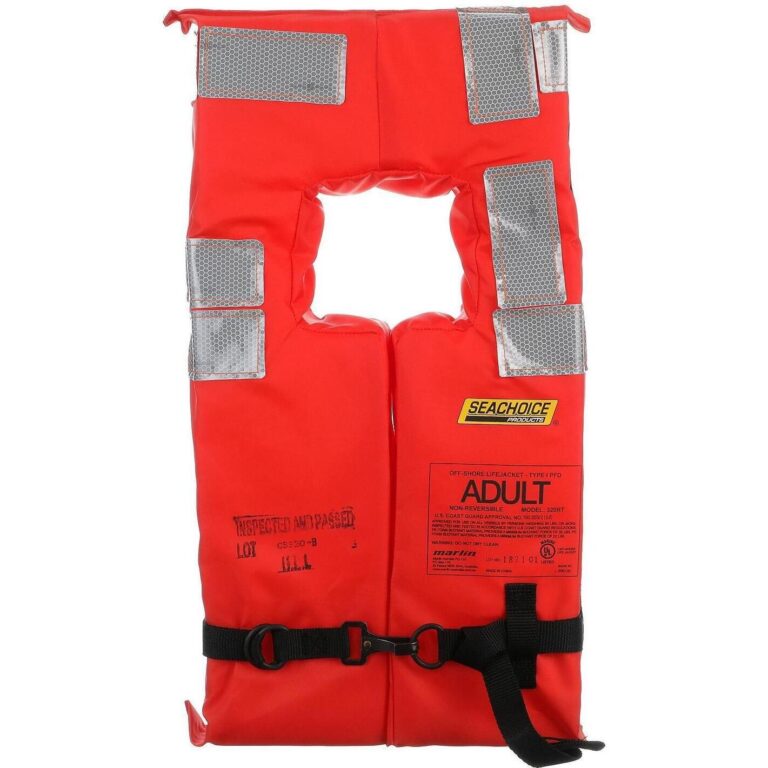
- Foam (inherently buoyant) jacket: Reliable, always buoyant, often bulkier but great for cold water because they don’t rely on inflation.
- Inflatable jacket: Low bulk and great mobility, but riskier in cold water if the inflator or CO2 fails or becomes sluggish.
- Hybrid jacket: Combines foam panels and inflators to balance buoyancy and low profile.
- Specialty jackets: Work vests, immersion suits, and survival suits add insulation and thermal protection for offshore or commercial use.
Foam models often win for cold water because they provide constant buoyancy and better insulation near the chest and back. Inflatable jackets can work if they are approved for cold-water use and you maintain them well.
Key features to prioritize when deciding How to Choose a Life Jacket for Cold Water?
Focus on features that reduce hypothermia risk and keep you functional.
- Buoyancy rating: Look for enough buoyancy to turn you face-up even with heavy clothing. USCG ratings and new international standards give good baseline numbers.
- Insulation and coverage: Jackets that cover the torso, collar, and head area help trap heat. High collar and back panels protect vital organs.
- Fit and adjustability: Snug fit prevents the jacket from riding up. Multiple straps and sizes that account for clothes underneath are vital.
- Mobility: Choose cut and panel placement that allow paddling or working. Arm mobility matters for real use.
- Materials and durability: Tough outer fabric and sealed seams resist wear. Foam density affects warmth and floatation retention.
- Closure and attachment points: Strong zippers, buckles, and attachment points for tethers and whistles.
- Self-righting and head support: For offshore use, a life jacket that helps keep your airway clear is critical.
- Cold-rated or marketed for cold water: Some inflatables are rated for cold-water use; prefer those with redundancies.
When asking How to Choose a Life Jacket for Cold Water? weigh these features based on your activity and environment.
How to Choose a Life Jacket for Cold Water? — Choosing by activity and conditions
Match the jacket to the sport and conditions. Short list:
- Kayaking and SUP: Lean toward low-profile foam or hybrid jackets that allow paddling reach and don’t trap water.
- Sailing and offshore: Choose jackets with high buoyancy, collars, and built-in tethers for harness attachment.
- Fishing from rocks or shore: Pick high-visibility jackets with quick-release straps and pockets for tools.
- Whitewater and rivers: Select low-bulk, secure foam PFDs designed to stay put when rolling or bracing.
- Commercial or cold-weather work: Consider immersion suits or jackets with thermal liners and multiple safety features.
How to Choose a Life Jacket for Cold Water? depends on how you move, how long you’ll be exposed, and the remote nature of your activity.
How to Choose a Life Jacket for Cold Water? — Sizing, fit, and layering guide
A correct fit saves lives. Follow three simple steps:
- Measure chest and weight: Use manufacturer sizing charts. Try jackets on with the clothing you’ll wear on the water.
- Perform a fit test: With straps snug, lift the jacket at the shoulders. It should not pull above your ears or chin.
- Check mobility: Simulate paddling, casting, or reaching. Ensure you can move your arms freely and access pockets and zippers.
Layering tips:
- Wear the insulating layer under the PFD, not over it.
- If you must wear a bulky drysuit, size up and retest fit.
- Avoid loose outer shells that trap water and reduce mobility.
These steps directly answer the practical part of How to Choose a Life Jacket for Cold Water?.
How to Choose a Life Jacket for Cold Water? — Testing, maintenance, and care
Regular checks keep jackets reliable.
- Inspect foam and seams: Look for compressions, cracks, or delamination.
- Test inflatables annually: Replace CO2 canisters and test inflator function in controlled conditions.
- Clean and store dry: Freshwater rinse after salt exposure. Hang to dry away from direct sun.
- Replace older jackets: Foam compresses and materials age; replace when buoyancy or fit degrades.
Testing and care are part of How to Choose a Life Jacket for Cold Water? because a new, well-maintained jacket performs best.
How to Choose a Life Jacket for Cold Water? — Personal experience and common mistakes to avoid
From years on the water I learned this the hard way:
- Mistake: Buying the smallest jacket that “fits.” Lesson: Comfort and layering matter more than slim appearance.
- Mistake: Relying only on inflatables offshore. Lesson: Redundancy is key in cold water—carry a backup or choose hybrid/foam.
- Mistake: Ignoring collar and head support. Lesson: In cold, keeping the airway clear and reducing heat loss at the neck helps survival.
A quick story: I once swapped jackets midseason after a near-hypothermia drill. The new foam hybrid kept my head above water and kept me warmer during rescue. That change proved lifesaving. These anecdotes show real-world answers to How to Choose a Life Jacket for Cold Water?.
How to Choose a Life Jacket for Cold Water? — Buying checklist and decision flow
Use this compact checklist before you buy:
- Choose a USCG or equivalent certified jacket rated for your activity.
- Prefer foam or hybrid types for cold water unless you have strict maintenance plans for inflatables.
- Verify buoyancy rating and self-righting capability.
- Try on with your cold-weather layers and perform a lift test.
- Confirm mobility for paddling or working tasks.
- Check for strong closures, tether points, and a high collar.
- Inspect warranty, maintenance requirements, and replacement parts availability.
Decision flow:
- Define activity and likely exposure time.
- Select foam for long exposure or inflatables with cold-water rating for short exposures.
- Fit and test before purchase.
- Maintain and retest annually.
People also ask — quick questions about How to Choose a Life Jacket for Cold Water?
What is the safest life jacket for cold water?
- Foam or hybrid PFDs with high buoyancy and head support are safest for cold water.
Can I use an inflatable PFD in cold water?
- Yes, but only if it is rated for cold water and you maintain it meticulously with backups available.
How much buoyancy do I need for cold water?
- Aim for higher buoyancy than normal; check manufacturer guidance and consider weight plus clothing.
Are immersion suits better than life jackets?
- Immersion suits provide superior thermal protection but are bulkier; use them for long offshore exposure.
How should a cold-water life jacket fit?
- Snug across the chest, not able to be pulled above the ears, and comfortable for movement.
Frequently Asked Questions of How to Choose a Life Jacket for Cold Water?
What is the best type of life jacket for cold water?
Foam and hybrid life jackets are generally best because they provide constant buoyancy and usually more insulation than inflatables.
How do I test a life jacket for proper fit?
With the jacket fastened, have someone lift it at the shoulders; it should not slide up over your chin or ears, and you should be able to move your arms freely.
Are inflatables safe in freezing temperatures?
Inflatables can be safe if rated for cold water, but they are more vulnerable to mechanical failure and require strict maintenance and backups.
How often should I inspect or replace a life jacket?
Inspect before each season and perform a full check annually; replace jackets when foam compresses, seams fail, or safety features degrade.
Can I wear a life jacket over a drysuit?
Yes, but you may need a larger size and must retest fit and mobility while wearing the drysuit to ensure the jacket still functions correctly.
Final thoughts
Choosing the right life jacket for cold water means balancing buoyancy, insulation, fit, and activity needs. Prioritize constant buoyancy (foam or hybrid), a secure fit with room for layering, and features that keep your airway clear and your head supported. Test gear in safe conditions and maintain it well. Take action today: try on options with your cold-weather layers, perform the fit test, and pick a jacket that you’d trust in a real emergency. Share your experiences, ask questions, or subscribe for gear reviews and testing updates.