How To Choose A Life Jacket For Big And Tall Adults: Fit
Pick a high-buoyancy, wide-cut, Coast Guard–approved PFD in the correct size and fit.
I’ve spent years testing life jackets on lakes and coastal waters. I know the small problems that become big risks for big and tall adults. This guide on How to Choose a Life Jacket for Big and Tall Adults? gives clear steps, fitting tips, and real-world advice so you get safety and comfort. Read on to learn exact measurements, features to insist on, and mistakes to avoid.
Why fit matters for big and tall adults
Fit changes how a life jacket performs. A too-small jacket rides up and can slip over the head. A too-tight jacket limits movement and breathability.
A good fit keeps your airway clear. It keeps your chin and mouth above water if you are unconscious. For big and tall adults, torso length, chest width, and strap reach all matter.
- Chest width must allow full arm lift and comfortable breathing.
- Torso length must keep the jacket from pulling up toward the face.
- Strap length must allow secure cinching without cutting into skin.
From testing jackets on varied body types, I’ve seen jackets that fit wider bodies but short torsos fail tall users. When thinking about How to Choose a Life Jacket for Big and Tall Adults? prioritize both girth and torso length together.
Key features to look for
Choosing features well makes life jackets safer and more comfortable. Focus on function first, then comfort.
- Buoyancy rating and PFD type. Pick a PFD with adequate buoyancy for your weight and activity.
- Cut and armholes. Look for wide armholes for freedom of motion and a cut that won’t ride up.
- Adjustable straps with long reach. Shoulder, chest, and waist straps must reach and tighten securely.
- Crotch strap or anti-wrap strap. Prevents the jacket from sliding over the head.
- Strong closures and zippers. Metal-reinforced zippers or heavy-duty clips reduce failure risk.
- Durable materials and UV resistance. Thick fabric and reinforced seams last longer.
- Reflective tape and grab handles. Improve visibility and rescue options.
- Pockets and attachment points. Useful but avoid overloaded jackets that change fit.
When assessing How to Choose a Life Jacket for Big and Tall Adults? check each feature against your body and the activity. I learned to test zippers and straps with gloves on, since fishing or cold weather often require gloves.
Sizing and measurement guide
Measure carefully. Size charts vary by brand.
- Measure chest at the fullest point. Breathe normally.
- Measure torso length from shoulder (base of neck) to crotch. Sit upright to find natural length.
- Note weight and height. These guide buoyancy and PFD type.
- Compare to manufacturer charts. Use the larger measurement if between sizes.
- Try on with layers if you’ll wear extra clothing.
Sizing tip: If your chest is wide but torso is long, select a jacket with long torso fit and room in the chest. When thinking How to Choose a Life Jacket for Big and Tall Adults? use both chest and torso measures, not just waist size.
Types of life jackets suitable for big and tall adults
Different PFD types work for different uses. Pick one that matches your activity.
- Type I (Offshore) – High buoyancy for emergencies far from shore. Bulky but very safe.
- Type II (Near-shore) – Lower buoyancy. Not ideal for heavy or tall users unless sized correctly.
- Type III (Flotation aids) – Comfortable for boating and watersports. Choose high-buoyancy models for larger people.
- Type V (Specialty) – Designed for specific sports; check label for suitability and size.
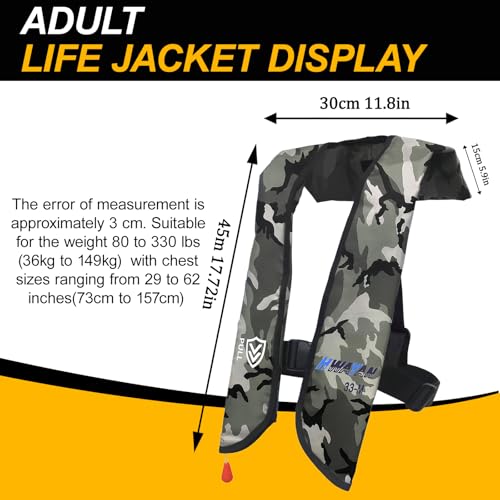
- Inflatable PFDs – Low bulk and good for mobility. Must fit and be rated for your weight; inflatables need careful sizing and maintenance.
When asking How to Choose a Life Jacket for Big and Tall Adults? most big and tall recreational boaters are best served by high-buoyancy Type III or Type V models that offer long torso cuts or adjustable harnesses.
Try-before-you-buy, custom options, and fit testing
Always try on a jacket before buying. If you can’t try in person, buy from sellers with generous returns.
- Try on with the clothes you’ll wear on the water.
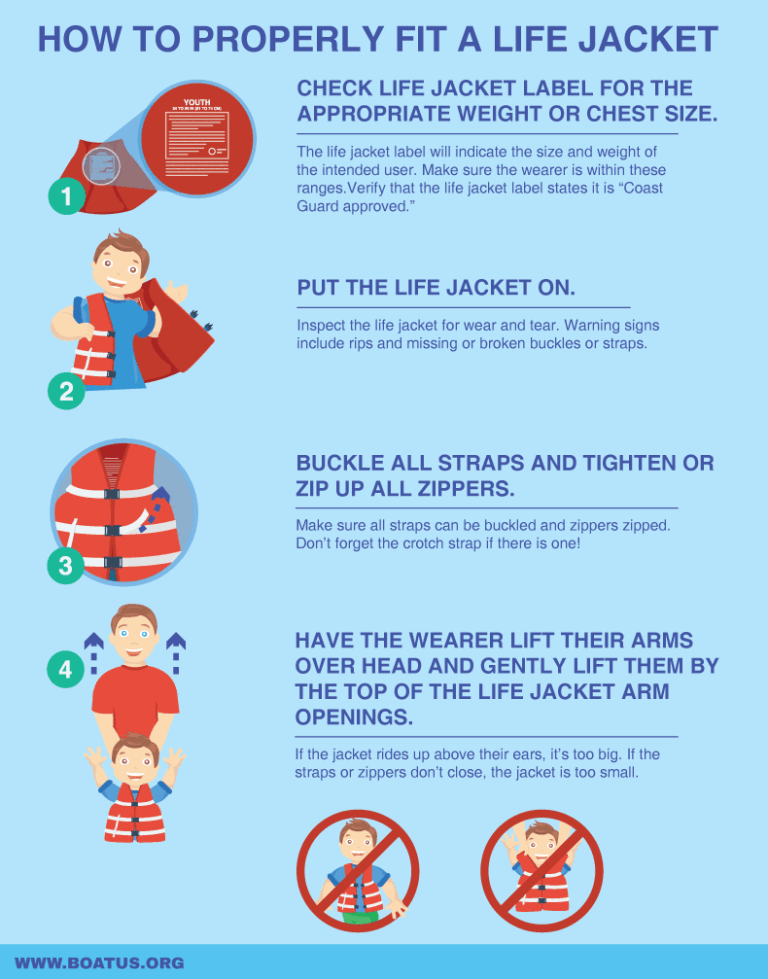
- Fasten all straps and attempt to raise your arms high. Jacket should not ride up.
- Have someone pull up on the shoulders to test security. If it moves over the chin, it’s too small.
- Consider custom or extended-size models if standard jackets don’t fit.
- Look for brands offering long-torso or tall sizes and optional crotch straps.
I once tested a jacket that fit chest size but failed a torso test. The jacket rode up in the pool test. After switching to a long-torso model with a crotch strap, the fit was secure and comfortable. That real test answered How to Choose a Life Jacket for Big and Tall Adults? better than any spec sheet.
Care and maintenance
Maintain your jacket so it works when needed.
- Rinse with fresh water after salt use. Dry in shade.
- Store in a cool, dry place away from UV.
- Check buckles, straps, and zippers regularly for wear.
- For inflatables, test the mechanism per manufacturer rules and replace canisters as required.
- Replace any jacket with collapsed foam, torn fabric, or weakened straps.
A well-kept jacket will retain buoyancy and fit. Regular checks mean you won’t discover issues in an emergency.
Common mistakes to avoid
Avoid these pitfalls when deciding How to Choose a Life Jacket for Big and Tall Adults?
- Buying by weight alone. You need torso and chest measurements too.
- Choosing a stylish but low-buoyancy jacket for offshore use.
- Assuming one size fits all. Sizes differ widely by brand.
- Skipping a water fit test. Dry fit is not enough.
- Ignoring crotch straps for larger swimmers. They prevent ride-up.
I once recommended a minimal PFD to a tall friend who then found it rode up in choppy water. We switched to a full-cut model and the problem stopped. Small choices matter.
Quick questions answered
Do tall people need different life jackets?
Yes. Tall people often need jackets with longer torso length and higher shoulder placement to avoid ride-up.
Can inflatables work for big and tall adults?
Yes, if they are rated for your weight and have appropriate strap length. Test fit and maintenance are essential.
Is more buoyancy always better?
Not always. Too much bulky buoyancy can hinder movement. Match buoyancy to activity and body weight for best results.
Frequently Asked Questions of How to Choose a Life Jacket for Big and Tall Adults?
What measurements are most important when choosing a life jacket?
Chest circumference and torso length are most important. Weight and height help but chest and torso determine fit.
How do I know if a jacket will ride up?
Fasten all straps and have someone pull the shoulders upward. If it moves over the chin, it will ride up in water.
Are inflatable life jackets safe for big and tall people?
They can be safe when rated for your weight and properly fitted. Regular checks and correct sizing are vital.
Should I choose a crotch strap?
Yes, crotch straps help prevent upward displacement, especially for larger bodies, and are worth using for rough water.
Can I modify a jacket to fit better?
Minor strap changes are okay, but major alterations can weaken the jacket and void approvals. Consider a custom or extended model instead.
How often should I replace my life jacket?
Replace any jacket with worn foam, damaged fabric, or faulty hardware. For inflatables, follow the manufacturer’s service schedule and canister expiry.
Is a PFD required for all boaters?
Regulations vary by location, but most places require one approved life jacket per person aboard. Choose a proper size for safety.
What if I’m between sizes?
Choose the larger size and use straps to secure fit. If possible, opt for jackets labeled as long-torso or tall sizes.
Conclusion
Finding the right life jacket for big and tall adults is a mix of measurement, features, and real testing. Measure chest and torso, pick the right PFD type, test in water, and prioritize adjustable straps and anti-ride features. My practical advice: try before you buy, test a jacket in water, and choose a model designed for taller torsos or larger frames.
Take action now—measure yourself, check product long-torso options, and pick a jacket that keeps you safe and comfortable. Share your experience or questions below, or subscribe for more hands-on safety tips.