
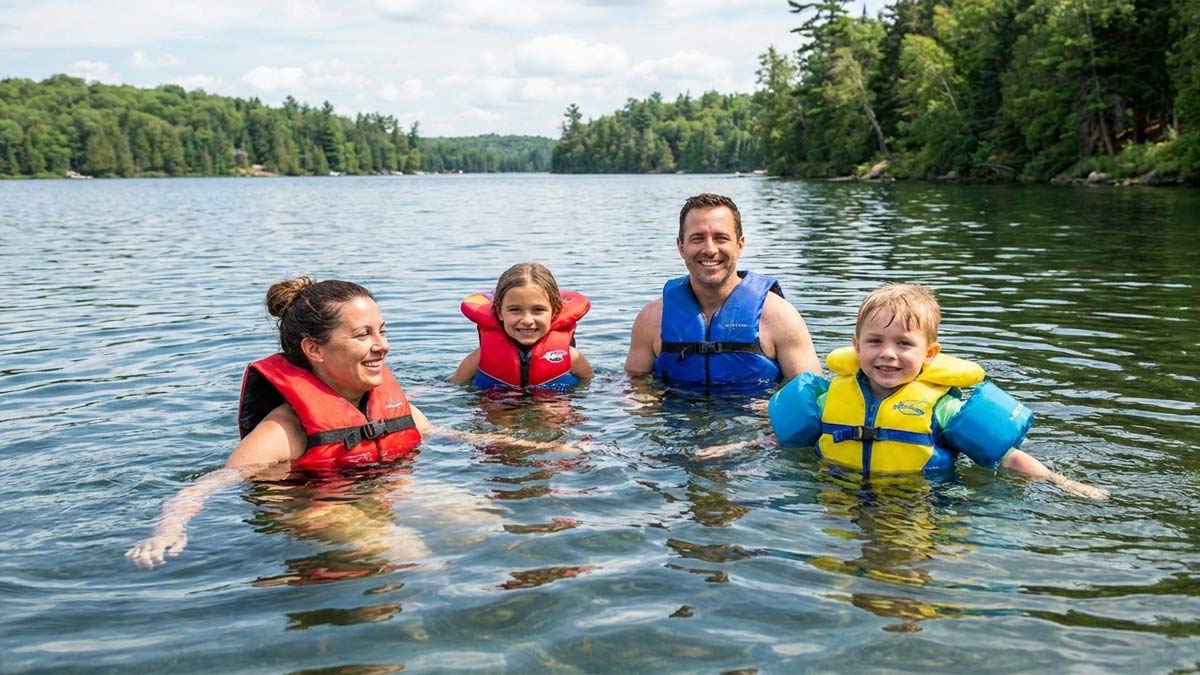
How to choose a life jacket
Water activities bring joy and excitement to people of all ages. Whether you enjoy boating, fishing, swimming, or just relaxing by the water, safety should always be your top priority. A life jacket is one of the most important safety devices you can have when you’re near water.
This guide will help you understand how to choose the right life jacket for yourself, your children, and even your pets. We’ll cover everything from different types of life jackets to proper fitting, maintenance, and legal requirements. By the end of this article, you’ll have all the knowledge you need to make an informed decision about life jackets.
What is a Life Jacket?
A life jacket, also known as a personal flotation device (PFD), is a piece of equipment designed to keep you afloat in water. It works by providing buoyancy, which helps you stay on the surface even if you’re unconscious or unable to swim.
Life jackets come in many shapes, sizes, and styles. Some are designed for specific activities like kayaking or water skiing, while others are more general-purpose. Regardless of the type, all life jackets share the same essential purpose: to prevent drowning.
Why Life Jacket Essential for Water Safety
Drowning is a leading cause of accidental death worldwide. According to the World Health Organization, approximately 236,000 people die from drowning each year. Many of these tragedies could be prevented with proper use of life jackets.
Life jackets save lives by:
- Keeping your head above water
- Helping you maintain a proper body position for breathing
- Reducing fatigue while in water
- Providing thermal insulation in cold water
- Making you more visible to rescuers
Choosing the Right Life Jacket for Adults
Not all life jackets are the same. Adults should choose a life jacket based on activity, fit, and safety rating.
1. Choose by Activity
Different activities require different types of life jackets:
- Boating & cruising: Standard foam life jackets (Type II or Type III)
- Kayaking & paddleboarding: Lightweight, flexible jackets with arm mobility
- Fishing: Life jackets with pockets and high-back design
- Watersports: Snug-fitting jackets designed for movement
- Inflatable life jackets: Best for calm waters and experienced swimmers
2. Get the Right Size
Always check the size chart. A life jacket should:
- Fit snugly without restricting breathing
- Not ride up above the chin or ears
- Allow full arm movement
Tip: Lift your arms after putting it on. If it rises too much, it’s too loose.
3. Check Safety Approval
Look for a US Coast Guard–approved label (or your country’s safety certification). This ensures the life jacket meets safety standards.
Choosing the Right Life Jacket for Children
Children need special care when choosing a life jacket because their safety depends on proper fit and design.
1. Choose by Weight, Not Age
Always select a child’s life jacket based on:
- Weight range (not just age)
- Chest size
A jacket that is too large can slip off and become dangerous.
2. Look for Safety Features
Good children’s life jackets include:
- Head support to keep the face up in water
- Grab handle on the back for quick rescue
- Crotch strap for extra security
- Bright colors for visibility
3. Test the Fit
After putting it on:
- Lift the child gently by the shoulders of the jacket
- The jacket should not rise above the ears
- The child should feel comfortable and able to move arms freely
Never use adult life jackets for children.
Life Jackets for Pets
Pets can drown just like humans, especially in deep or moving water. A proper pet life jacket is important for boating, swimming, and beach trips.
1. Measure Your Pet Correctly
Measure:
- Chest (widest part)
- Neck
- Back length
Use the manufacturer’s size chart for accurate fit.
2. Important Features
A good pet life jacket should have:
- Strong handle on top for lifting
- Reflective strips for visibility
- Secure straps under the belly and chest
- Lightweight, buoyant material
3. Comfort and Movement
Make sure your pet can:
- Walk normally
- Sit and lie down
- Move legs freely
Let your pet wear the jacket at home first so they get used to it before water use.
Life Jacket Maintenance and Care
A life jacket will only protect you if it is in good condition. Regular care increases its life and keeps it safe.
1. Cleaning
- Rinse with fresh water after each use
- Use mild soap if dirty
- Never use strong chemicals or bleach
2. Drying
- Air dry in a shaded area
- Do not leave in direct sunlight for long periods
- Never use a dryer or heater
3. Storage
Store life jackets:
- In a dry, cool place
- Away from sharp objects
- Not crushed under heavy items
4. Inspection
Check regularly for:
- Tears or holes
- Broken buckles or straps
- Loss of buoyancy
- Mold or bad odor
If a life jacket is damaged, replace it immediately.