How To Check Life Jacket Fit: Quick Fit Checklist
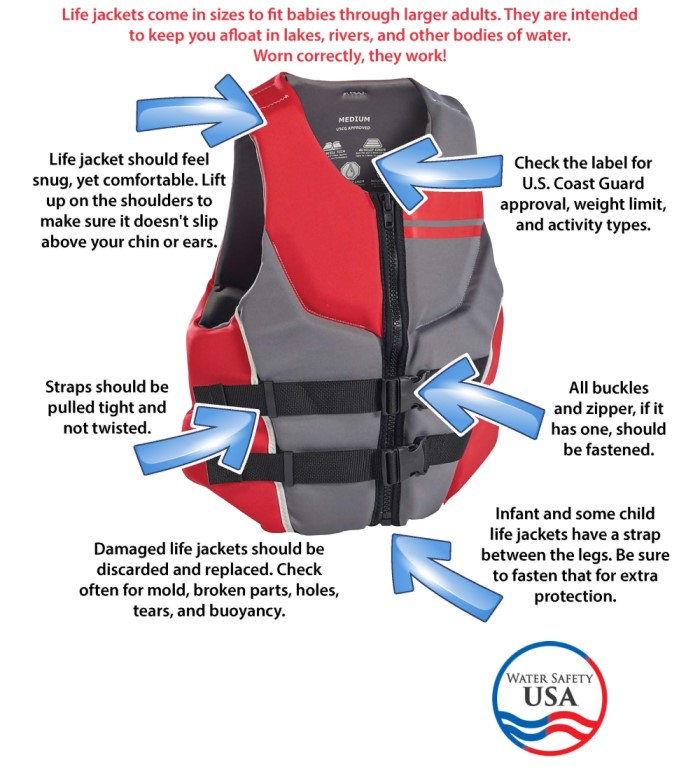
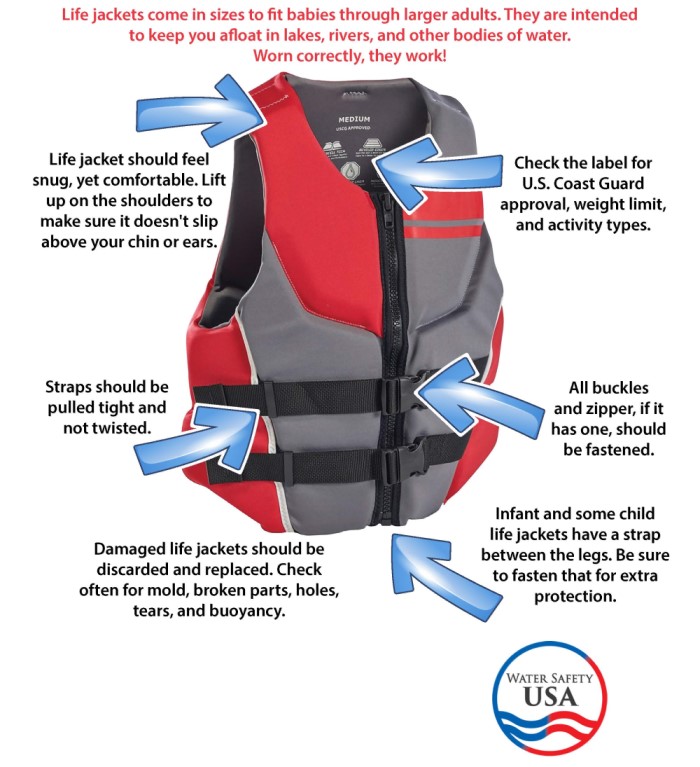
A life jacket should fit snugly, stay up under your chin, and not ride up.
I have taught boating safety and fitted dozens of people with life jackets. This guide explains exactly how to check life jacket fit so you stay safe on the water. You will learn simple checks, step-by-step fitting, child rules, common mistakes, and upkeep tips. Read on for clear, practical advice you can use today.
Why proper fit matters
A life jacket that fits right keeps your head out of the water. It helps you float and keeps your airway clear. A loose or wrong jacket can slip, trap you, or fail in rough water. Knowing how to check life jacket fit can save lives and reduce panic in an emergency.
What a proper fit looks and feels like
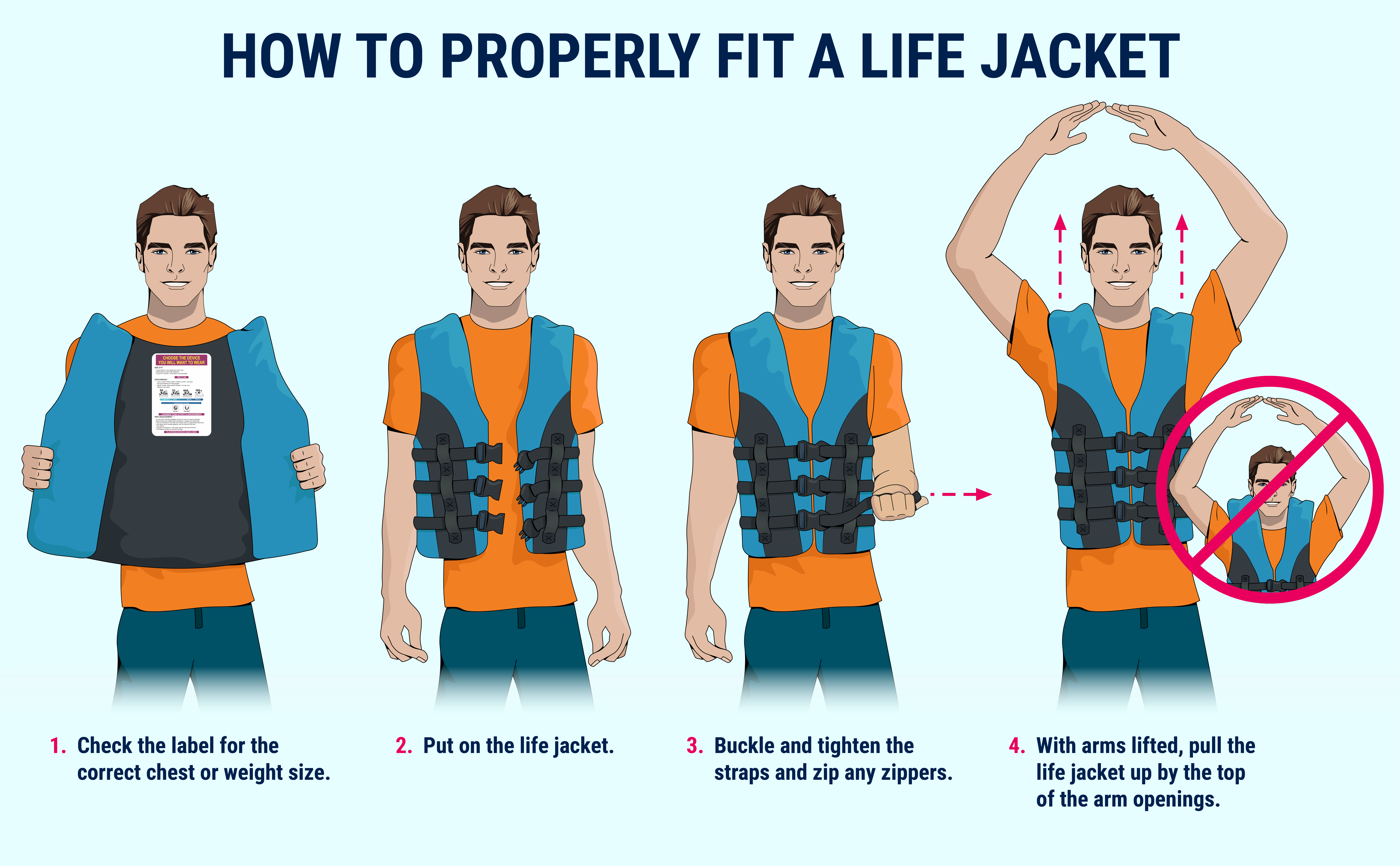
A correct fit feels snug and secure without pain. The jacket should sit high on the chest and chin when you pull up. Arm and shoulder movement should be free. A good fit also clears the ears when you lift your arms.
Step-by-step: How to Check Life Jacket Fit?
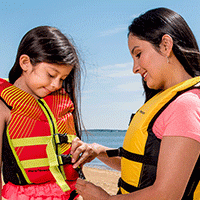
Follow these steps every time you put on a life jacket. These checks work for adults and children. Repeat them on land and then again in shallow water.
-
Choose the right size
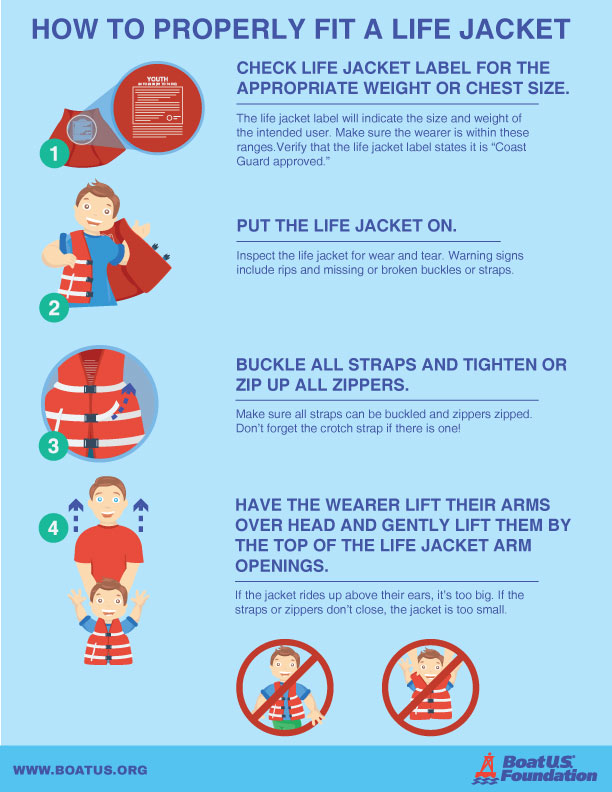
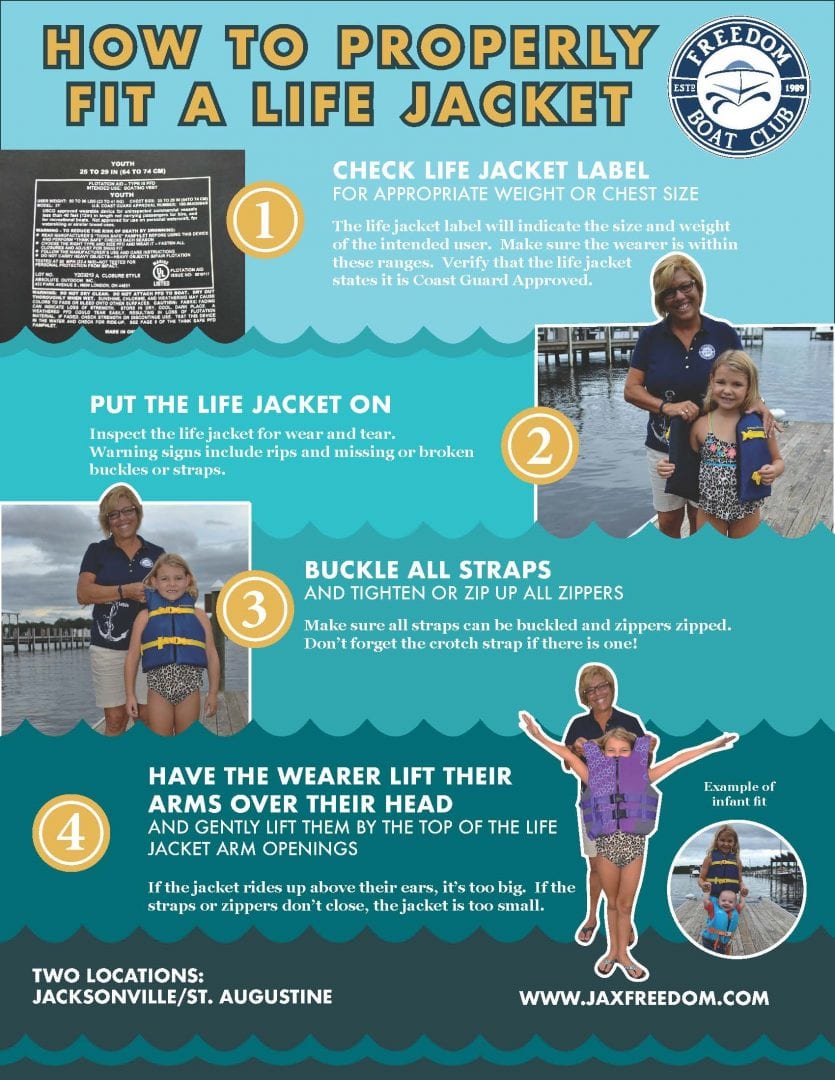
- Match the jacket to your weight and chest size. Check the label for weight range and size.
- For infants and toddlers, pick a jacket with a head support harness or collar.
-
Put it on and zip or buckle
- Fasten all zippers, buckles, and straps. Do not leave any clip undone.
- Make sure the jacket lays flat against your torso.
-
Tighten straps evenly
- Pull side and shoulder straps until the jacket is snug.
- Straps should not dig into skin. They should hold the jacket close.
-
The grab test
- Lift the jacket at the shoulders straight up. It should not rise above your chin or ears.
- If it rides up, tighten straps or try a different size.
-
Reach and move test
- Raise your arms, bend forward, and sit down. The jacket should not shift or come off.
- Make sure you can paddle, swim a little, and reach safety gear.
-
Check floats and buoyancy
- Ensure the jacket is Coast Guard approved or meets your local standard.
- Inspect foam or inflation system for damage before each trip.
-
Water test (optional but ideal)
- Enter calm, shallow water and let someone hold you. Verify the jacket keeps your face above water.
- For non-swimmers and kids, practice buoyancy and calming down while floating.
How to Check Life Jacket Fit? Remember to repeat these steps each season and after any heavy impact. Regular checks catch wear or changed fit.
Fitting for children and infants
Children need special care when learning how to check life jacket fit. Their bodies are smaller and weight ranges vary more. Use a jacket labeled for their weight group. Look for these features:
- A crotch strap or harness to prevent the jacket from slipping up.
- Head support for babies and infants.
- Bright colors and reflective taping for visibility.
Test the fit on land first. Then hold the child under the arms and lift by the jacket’s shoulder seams. The jacket should not lift higher than the child’s chin. Always supervise children in or near water. How to Check Life Jacket Fit? For children, check more often because they grow fast.

Common mistakes and how to avoid them
Many people think any jacket is safe. That is not true. Avoid these errors:
- Choosing a jacket by style rather than size.
- Leaving straps loose for comfort. Loose straps are dangerous.
- Using old or damaged jackets. Foam can compress over time.
- Forgetting to test in water. Land tests are not enough.
How to Check Life Jacket Fit? Do not rely only on labels. Perform the grab test and water test.

Care, maintenance, and when to replace
Proper care keeps fit and function true. Rinse jackets in fresh water after salt use. Air dry away from direct sun. Store in a cool, dry place. Check for:
- Torn fabric or missing straps
- Compressed foam or damaged flotation
- Corroded zippers and faulty buckles
Replace a foam life jacket if it feels soft or crushed. Replace inflatable jackets after a manufacturer-recommended period or after any inflation event. How to Check Life Jacket Fit? Re-check fit after cleaning, repairs, or long storage.
Sizing charts and standards to know
Size labels vary by maker but follow similar rules. Look for weight ranges and chest measurements. Familiar standards include personal flotation device classes and approval marks. Know these points:
- Universal adult sizes often list chest and weight ranges.
- Children’s jackets use tight weight brackets.
- Look for official approval from your local authority.
How to Check Life Jacket Fit? Use the label as your first guide, but always perform the hands-on fit checks.
Personal experience and practical tips
I have fitted life jackets for lake trips and rescue drills. A story that sticks with me: a young paddler wore a large jacket for comfort. In choppy water the jacket slipped up and the child panicked. We switched to a proper size with a crotch strap and practiced getting calm in the water. The child relaxed and could float easily.
My tips:
- Try jackets on with the clothes you will wear on the water.
- Test with any gear you will carry, like a spray skirt or dry bag.
- Keep a small mirror or friend to check fit where you cannot see.
How to Check Life Jacket Fit? Test in real conditions and practice calm floating.
Frequently Asked Questions of How to Check Life Jacket Fit?
How tight should a life jacket be?
A life jacket should be snug but not painful. You should be able to lift your arms and breathe easily while the jacket stays close.
Can I use a life jacket meant for a different sport?
You can use different sport jackets if they meet the same approval and fit your body. Always test the fit and buoyancy for the activity you plan.
How often should I check life jacket fit?
Check fit before every outing. Do a full fit and safety inspection at the start of each season or after any impact.
Are inflatable life jackets as safe as foam jackets?
Inflatable jackets can be as safe when properly maintained and used according to instructions. They need regular servicing and must inflate when needed.
What if my jacket keeps riding up?
If a jacket rides up, tighten the straps or try a smaller size. For kids, ensure the crotch strap is used and secure.
Conclusion
Good fit is the single most important factor in life jacket safety. Use size labels as a start, then perform the grab test, reach test, and a shallow water check. For children, use head support and crotch straps. Inspect and maintain jackets regularly and replace when damaged. Take action now: check your life jackets, practice fit tests with your crew, and make sure everyone on board knows how to check life jacket fit. Share your experiences or questions below and stay safe on the water.