How To Break In A Foam Life Jacket?: Quick Comfort Tips
Wear it, move in it, and repeat short sessions until the foam molds comfortably.
I have decades of time on the water as an instructor and paddler, testing gear and teaching safety. This guide explains how to break in a foam life jacket so it fits better, stays comfortable, and keeps you safe. You will get clear steps, simple tips, and real-world advice to make your foam life jacket feel like it was made for you.
Why you should break in a foam life jacket
Breaking in a foam life jacket helps the foam compress and the straps settle. This makes the jacket fit better around your chest and shoulders. A proper break-in reduces chafing and helps the jacket ride at the correct height in the water. It also reveals fitting problems early so you can adjust or replace the jacket before you need it.
Breaking in a foam life jacket is not about changing buoyancy. It is about comfort and fit. A well-broken-in jacket is more usable, so you wear it more often and stay safer on the water.
Understanding foam types, fit, and safety basics
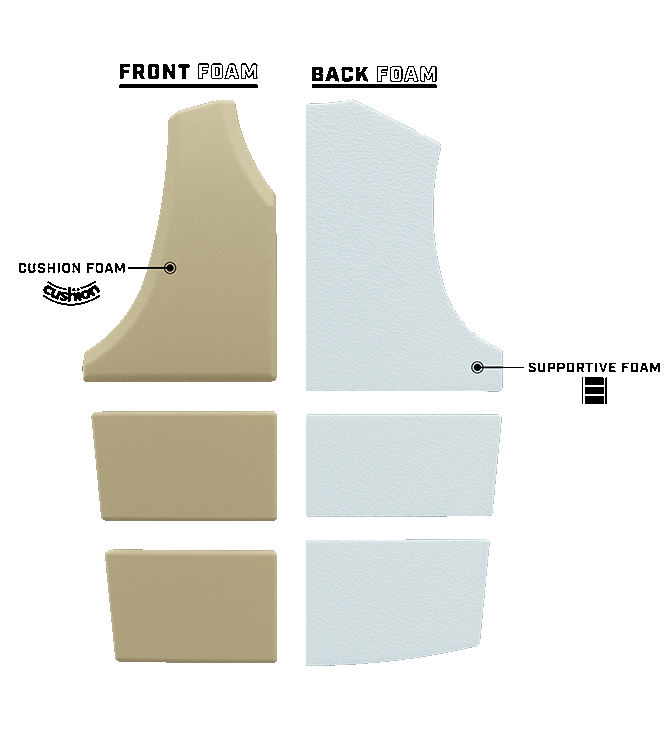
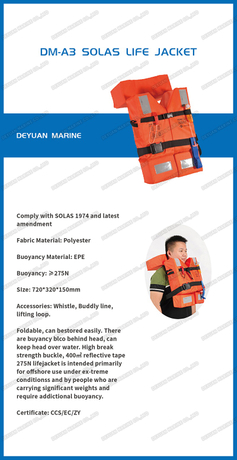
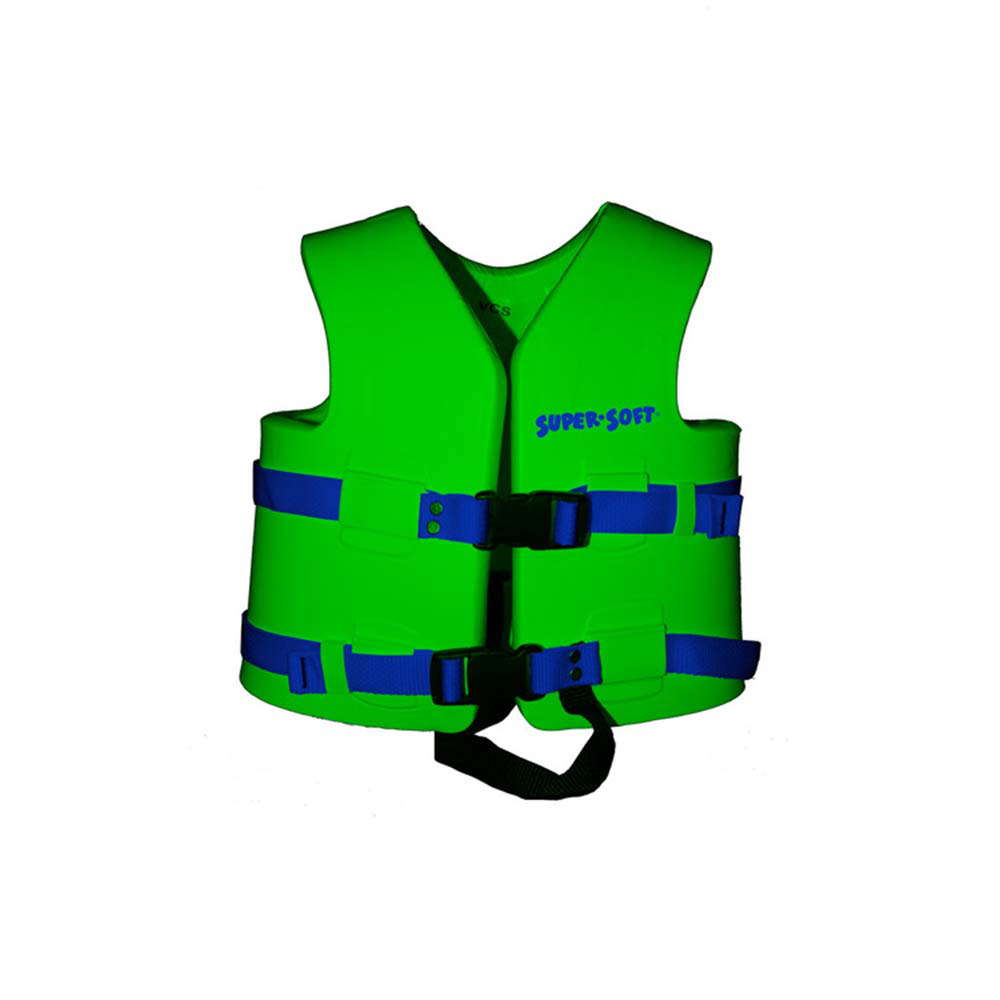
Foam life jackets come in closed-cell foam and molded foam. Closed-cell foam resists water and keeps buoyancy even if scratched. Molded foam shells use shaped foam pieces for a closer fit. Each foam type reacts differently while you break it in.
Fit matters more than style. A snug fit keeps your airways clear and stops the jacket from riding up. That is why you need to break in a foam life jacket across several short sessions. Follow the manufacturer’s fit guidelines. If the label says chest size or buoyancy rating, use that.
Key safety points:
- Check for tears, loose stitching, and missing straps before you begin.
- Never alter buoyant foam or cut pieces out.
- Confirm the jacket meets safety standards for your activity.
Step-by-step guide to break in a foam life jacket
These steps will help you break in a foam life jacket safely and effectively. Aim for short, repeated sessions rather than long, harsh wear.
- Inspect the jacket
- Look for damage, worn straps, and fading.
- Ensure buckles and zippers work.
- Try a baseline fit on land
- Put the jacket on over thin clothing.
- Buckle and tighten straps so it feels snug but not tight.
- Have a friend lift the jacket at the shoulders; it should not slide above your ears.
- Short, active sessions
- Wear the jacket for 15–30 minutes doing light movement.
- Walk, squat, reach, and mimic paddling or rowing strokes.
- Repeat this 2–3 times per day for several days.
- Water test in shallow, calm conditions
- Enter waist-deep water with a companion and flotation nearby.
- Float on your back and gently kick to test ride height and comfort.
- Check for chafing points and strap rotation.
- Adjust and repeat
- Loosen or tighten straps to remove pressure points.
- Repeat short water sessions until the foam molds and straps settle.
- Final comfort check
- Wear the jacket during a full activity session, like a short paddle or dock swim.
- Confirm you can move freely and the jacket stays in place.
Breaking in a foam life jacket is about patience. Short wear sessions add up. Avoid long, hot sun exposure while breaking in, as heat can degrade foam over time.

Practical tips and common mistakes
Tips for success:
- Use thin layers under the jacket during break-in to mimic real use.
- Tie long hair back and use sunscreen to prevent rubbing issues.
- Mark strap settings with a small cloth tag once you find a good fit.
- Replace foam jackets older than 8–10 years or with visible compression loss.
Common mistakes to avoid:
- Wearing the jacket for hours at first. This can trap moisture and cause discomfort.
- Over-tightening straps in the hope of a better fit. Too tight reduces mobility and circulation.
- Altering or cutting foam to improve fit. This weakens safety and buoyancy.
- Skipping a water test. Land fit is not the same as water fit.
Maintenance and care to preserve fit and function
Proper care keeps the jacket comfortable after you break it in. Clean and store it right.
Cleaning steps:
- Rinse with fresh water after salt or lake use.
- Use mild soap and a soft brush for grime.
- Air dry in the shade. Avoid direct sun and hot dryers.
Storage tips:
- Store flat or hang on a wide padded hanger.
- Keep in a cool, dry place away from chemicals and oils.
- Do not compress the foam under heavy objects for long periods.
Regular checks:
- Inspect straps, buckles, and foam every season.
- Replace any jacket with broken seams or crushed foam that does not recover.
Taking care of the jacket helps the fit last. This makes future attempts to break in a foam life jacket easier and faster.

Troubleshooting: when breaking in doesn’t work
If breaking in a foam life jacket does not improve fit, consider these causes:
- The jacket is the wrong size for your body shape.
- The foam has set permanently in an odd shape.
- Straps are too short or poorly placed.
- The jacket design does not suit your activity.
Solutions:
- Try a different model or size designed for your activity.
- Consult a local outfitter or marina pro for fitting help.
- Replace the jacket if the foam shows permanent damage.
Safety first. If the jacket rides up or feels unsafe after several attempts to break in a foam life jacket, replace it.
Personal experience and real-world lessons
I once tested three foam life jackets over a season. Two molded-jacket styles needed eight short sessions to be comfy. One older closed-cell model never settled right and caused chafing. I learned to always test on the water and to keep a log of strap settings. That log saved time when switching between kayaks and paddleboards.
A key lesson: patience matters. Short sessions and careful adjustments beat forcing a quick fix. If you wear a jacket daily, periodic re-break-in after cleaning helps maintain the fit.
Benefits and limitations of breaking in foam life jackets
Benefits:
- Improved comfort leads to more consistent wear.
- Better fit reduces the chance of the jacket riding up in the water.
- Early detection of defects before an emergency.
Limitations:
- Breaking in cannot fix a wrong-size jacket.
- It cannot restore foam that has lost buoyancy.
- Some designs will never perfectly fit every body shape.
Knowing these limits helps you decide when to adjust and when to replace. Breaking in a foam life jacket is a helpful step but not a cure-all.
Frequently Asked Questions of How to Break in a Foam Life Jacket?
How long does it take to break in a foam life jacket?
Most jackets need several short sessions over a few days to a week. Expect 15–30 minute sessions multiple times per day for best results.
Can I speed up the break-in process?
Do not rush with long wear or heat. Short active sessions and water tests are safer and more effective than forced methods.
Will breaking in change the buoyancy?
No. Breaking in changes fit and comfort, not buoyancy. Never alter or remove foam to try to change buoyancy.
Is a new foam life jacket uncomfortable at first?
Yes. New foam is firm. It often needs time and movement to mold to your body for comfort.
Can I break in a foam life jacket on land only?
You should include water testing. Land sessions help, but water reveals ride height and fit under real conditions.
Conclusion
Breaking in a foam life jacket makes it more comfortable and safer to wear. Use short, repeated sessions, test in calm water, and adjust straps carefully. If comfort does not improve, choose a different size or model. Start small, be patient, and make fit checks a habit. Try the steps today, note your best strap settings, and share your experience or questions in the comments.