How To Adjust Life Jacket Straps: Quick Safe-Fit Guide
Adjust life jacket straps so the vest fits snugly, the crotch strap is secure, and no lift occurs.
I have worked with paddlers, anglers, and boating instructors for years. I wrote this guide to show you simple, safe steps for How to Adjust Life Jacket Straps? You will get clear, tested tips, common fixes, and real-life lessons so your PFD fits right every time. Read on and learn fast, safe adjustments you can trust.
Why correct fit matters for safety and comfort
A life jacket must turn you face-up and keep your airway clear. A loose jacket can slip up and fail. A too-tight jacket can restrict breathing or movement.
Proper fit reduces panic in an emergency. It also makes time on the water more comfortable. Understanding How to Adjust Life Jacket Straps? is the first step to safer boating.
Types of life jackets and strap layouts
Know your jacket type before adjusting straps. Common types include
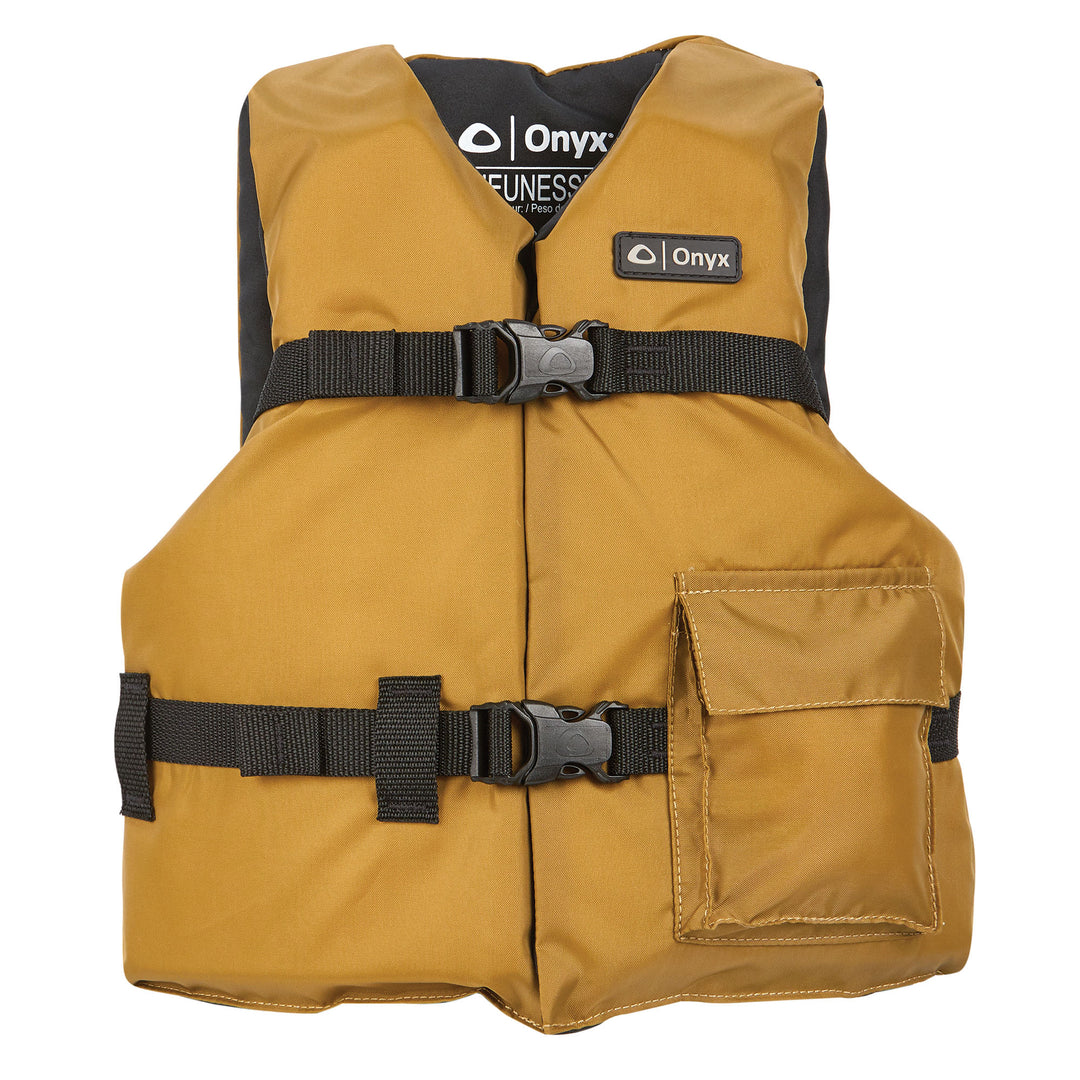
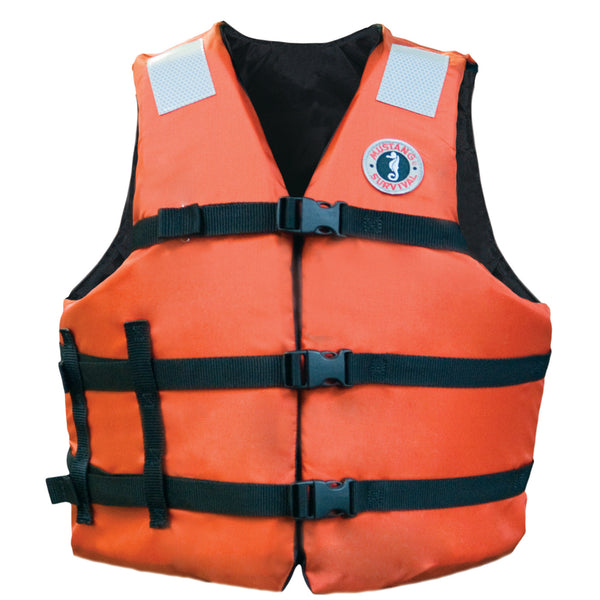
- Foam vests with side straps and shoulder adjustments
- Inflatable jackets with waist and crotch straps
- Hybrid models that mix foam and inflatable parts
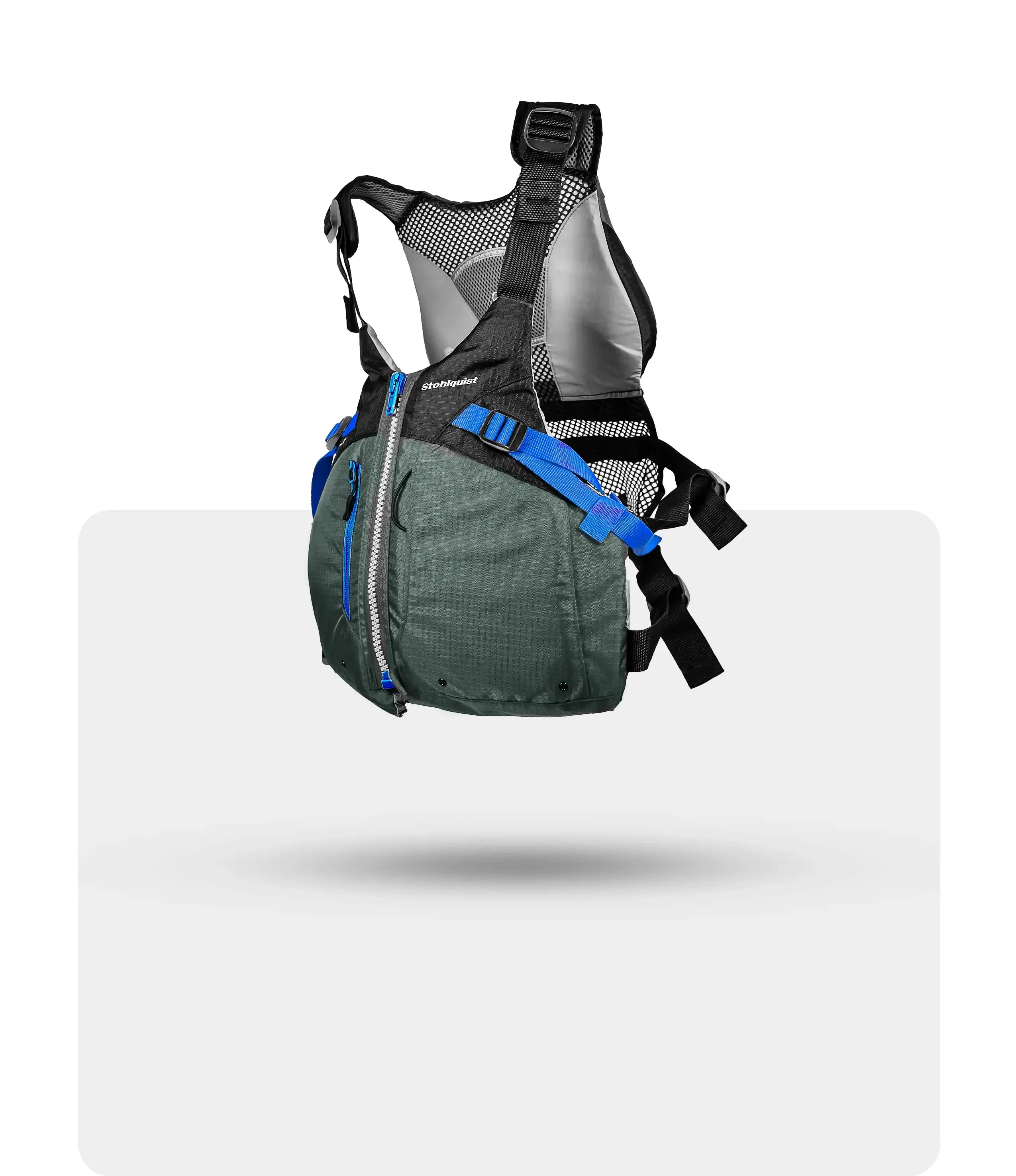
Strap layouts vary. Some jackets use side-release buckles. Others have ladder-style webbing or sliding clips. Before you ask How to Adjust Life Jacket Straps?, find all buckles and pull tabs. That makes the process fast.
Step-by-step: How to Adjust Life Jacket Straps?
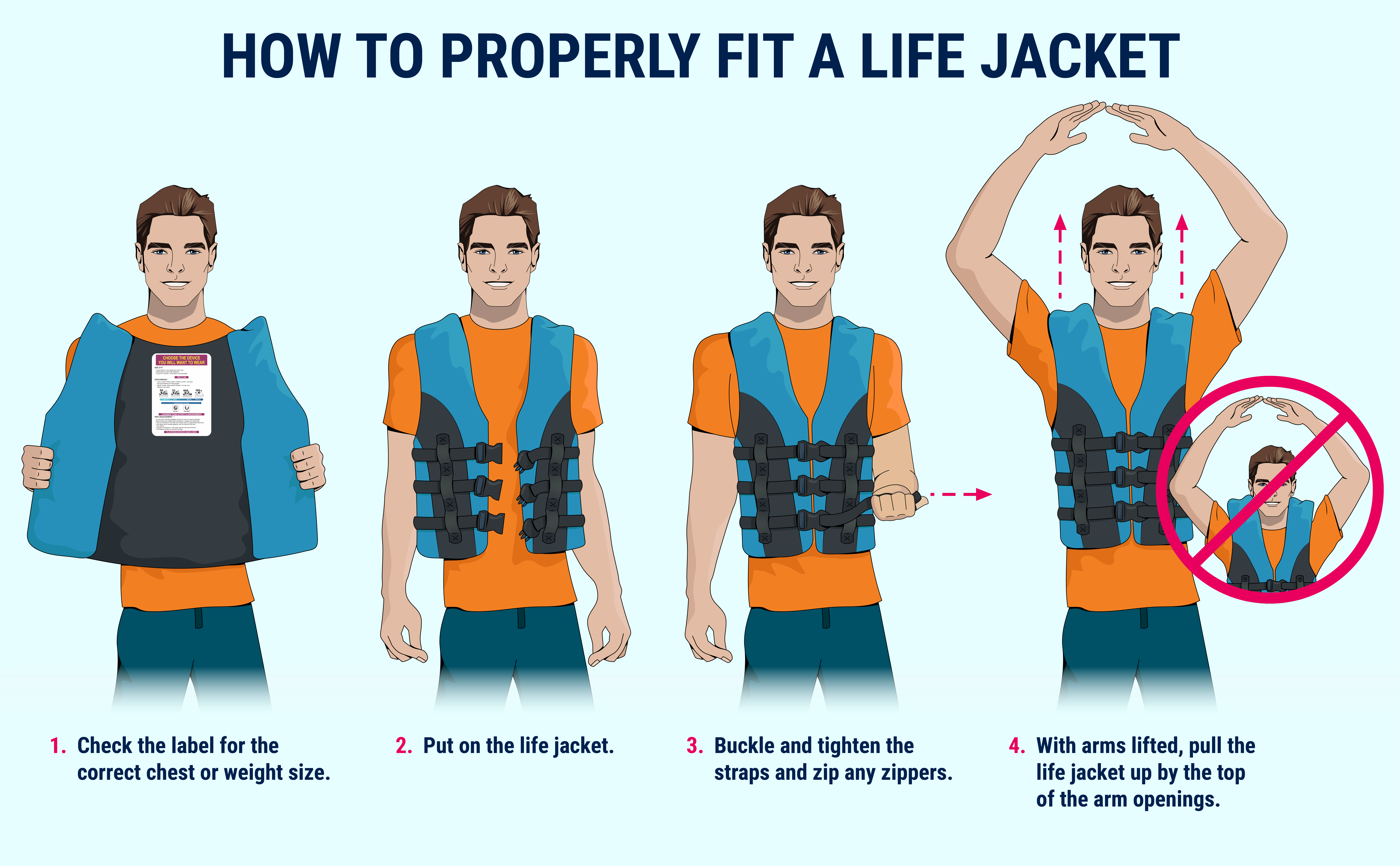
Follow these steps for a secure fit. Test each step on dry land first.
- Prepare the jacket
- Put the life jacket on over light clothing.
- Zip or close the front fasteners.
- Position the jacket
- Lift your arms above your head and lower the jacket so it sits at your ribs.
- The jacket should not ride up under your chin.
- Tighten the waist and side straps
- Pull each strap evenly until the jacket feels snug but comfortable.
- You should be able to fit two fingers between the jacket and your chest.
- Adjust the shoulder straps (if present)
- Tighten shoulders so the jacket does not slide up when you raise your arms.
- Make small changes and test after each tweak.
- Secure the crotch or between-leg strap (if present)
- Fasten it snugly to stop the jacket from riding up.
- The strap should sit against your body without cutting in.
- Final check and float test
- Have a helper pull up on the shoulder straps. The jacket should not move above your ears.
- If possible, test in shallow water with supervision to confirm flotation and comfort.
Repeat these steps whenever your clothing or gear changes. Practice the routine so adjustments are quick in the field. How to Adjust Life Jacket Straps? becomes second nature with practice.

Common mistakes and troubleshooting
Many people make the same easy-to-fix errors.
- Over-tightening straps that limit breathing and movement
- Forgetting the crotch strap on inflatable jackets
- Failing to test fit after adding heavy clothing or gear
If the jacket rides up in water, tighten the crotch strap and shoulder straps. If you feel restricted, loosen side straps a small amount. When unsure, choose a jacket size designed for a snug fit. Knowing How to Adjust Life Jacket Straps? helps you avoid these mistakes.

Maintenance, inspection, and safety checks
Regular checks keep straps working when you need them.
- Inspect webbing for frays or UV damage
- Test buckles and adjusters to ensure smooth function
- Replace a jacket if flotation foam is compacted or the bladder leaks
Store jackets away from direct sun and chemicals. Annual inspections are a good habit. Document repairs or replacements so you and your crew stay safe. Learning How to Adjust Life Jacket Straps? is only useful if the jacket is in good condition.
People also ask
How tight should life jacket straps be?
Straps should be snug but allow for two fingers between the jacket and your body for the chest area. Crotch straps should be snug enough to prevent ride-up without pinching.
Can I adjust life jacket straps while wearing heavy clothing?
Yes. Always re-adjust straps with the clothing or gear you will wear on the water. Test the fit again after putting on jackets, waders, or drysuits.
How often should I check my life jacket fit?
Check the fit before every outing and after any changes in clothing or equipment. Do a full inspection at least once a year.

Personal experience and practical tips
I once taught a beginner whose jacket rode up every time they raised an arm. We tightened the crotch strap and shortened the shoulder straps a little. Problem solved within five minutes. Small tweaks matter.
Tips I use in the field
- Teach new paddlers to do a helper pull test before launch.
- Mark strap settings with a small piece of tape for quick resets.
- When lending a jacket, always recheck fit on the borrower.
These small practices reduce stress and improve safety. How to Adjust Life Jacket Straps? becomes a quick routine with these tricks.
Frequently Asked Questions of How to Adjust Life Jacket Straps?
How do I know my life jacket is too loose?
A jacket is too loose if it moves above your ears when someone pulls up on the shoulders. It is also loose if you can slip your chin or hands under the jacket easily.
Can a life jacket be too tight?
Yes. Too-tight straps can restrict breathing and arm movement. Adjust until you can take a deep breath and still move comfortably.
Are crotch straps necessary?
Crotch straps prevent the jacket from riding up in the water. They are vital for inflatable and certain foam jackets, especially for children and active users.
How should kids’ life jacket straps be adjusted?
Fasten all buckles and tighten straps so the jacket fits snugly. Have an adult perform a pull test and ensure the child can breathe and move easily.
What if my life jacket doesn’t have adjustable straps?
If straps aren’t adjustable, choose the right size jacket. A certified replacement or different model may be necessary for a proper fit.
Conclusion
A well-fitted life jacket saves lives and makes time on the water more fun. Practice the steps for How to Adjust Life Jacket Straps? and check fit every time you head out. Keep jackets in good repair, teach others the pull test, and mark settings for quick checks. Try the adjustments on shore, test them in shallow water with supervision, and commit to safety every trip. Share this guide, subscribe for more safety tips, or leave a comment with your fitting questions.