
How Tight Should A Life Jacket Be?: Fit Guide For Safety
A life jacket should fit snugly—tight enough to stay in place but loose enough to breathe freely.
I’ve spent years on lakes and coasts teaching safe boating and fitting life jackets. In this guide I explain exactly how tight a life jacket should be, why fit matters, how to check it, and tips you can use right now. Read on to learn simple checks and fixes so your life jacket protects you when it counts.
How Tight Should a Life Jacket Be? The Basic Rule
A life jacket should fit snugly against your body. It should not ride up over your chin or face when wet. You must be able to take a full breath. You should also be able to move your arms freely for paddling, swimming, or grabbing a rail.
Here is a quick checklist to remember:
- Shoulder straps and waist straps should be adjusted.
- Side straps should bring foam close to the torso.
- You should not be able to pull the jacket above your ears when worn.
How Tight Should a Life Jacket Be? Aim for a firm, secure fit that keeps you upright in the water while allowing comfort and movement. Tests and real-world rescues show a snug fit greatly improves flotation and reduces the risk of the jacket slipping off.
Why Fit Matters for Safety
A correctly fitted life jacket saves energy and reduces panic in the water. A loose jacket can slip off or let you tip face down. A too-tight jacket can make breathing hard or stop you from moving.
Fit affects:
- Buoyancy performance. A snug jacket keeps foam in the right place.
- Head position. Proper fit helps keep the head above water.
- Freedom of movement. You must reach, paddle, or climb with ease.
In short, how tight a life jacket is directly links to whether it will do its job in an emergency.

How to Check Fit: Simple Tests You Can Do
Use these easy checks before you get on the water.
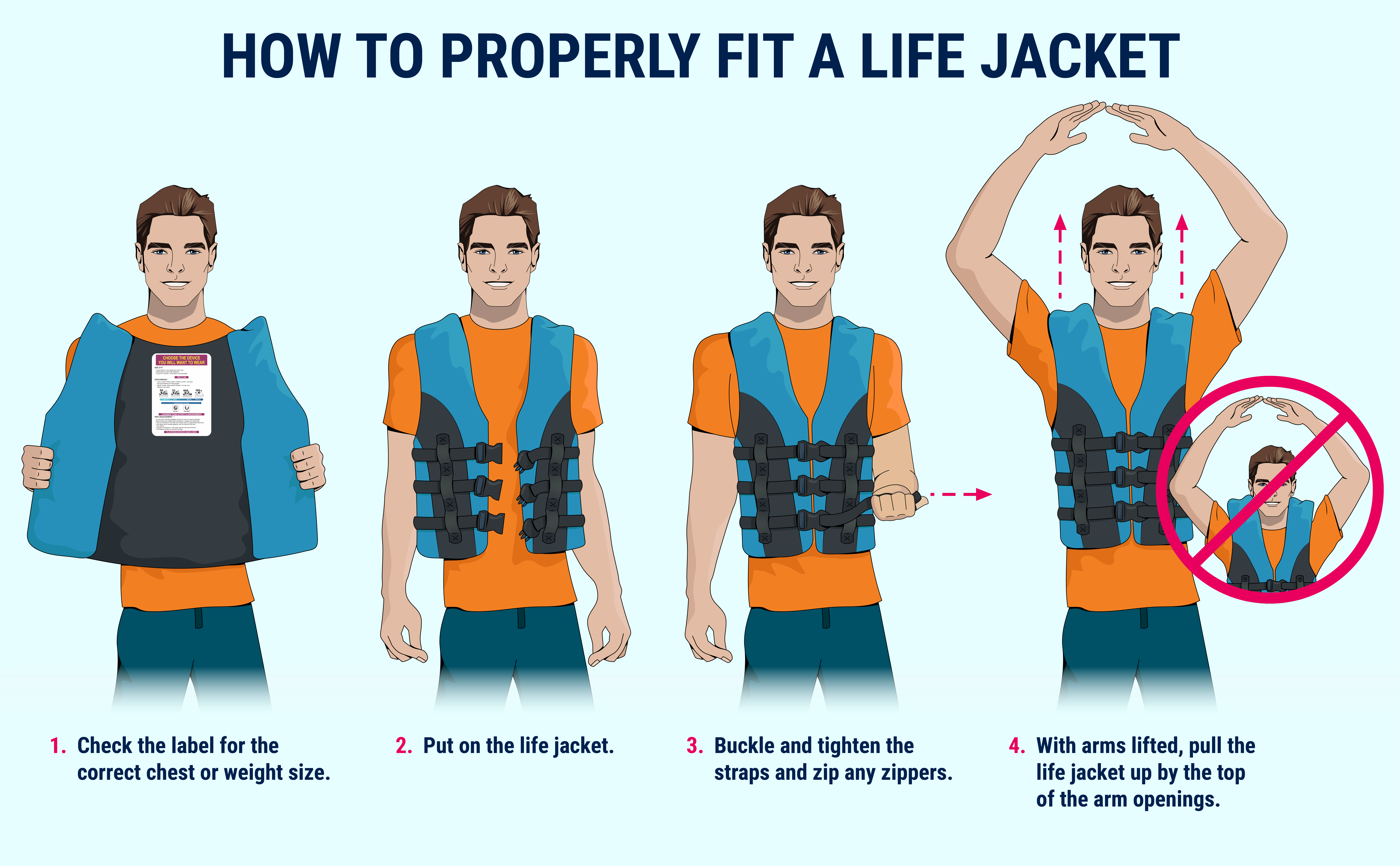
Wear the jacket and fasten every buckle and strap. Then:
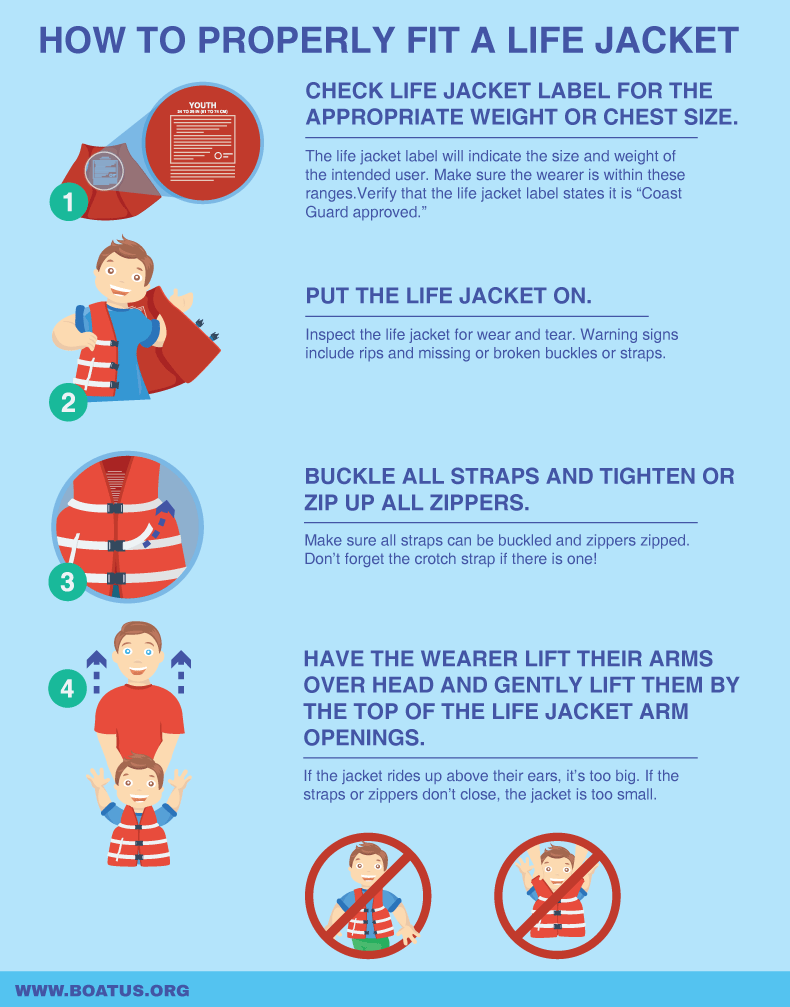
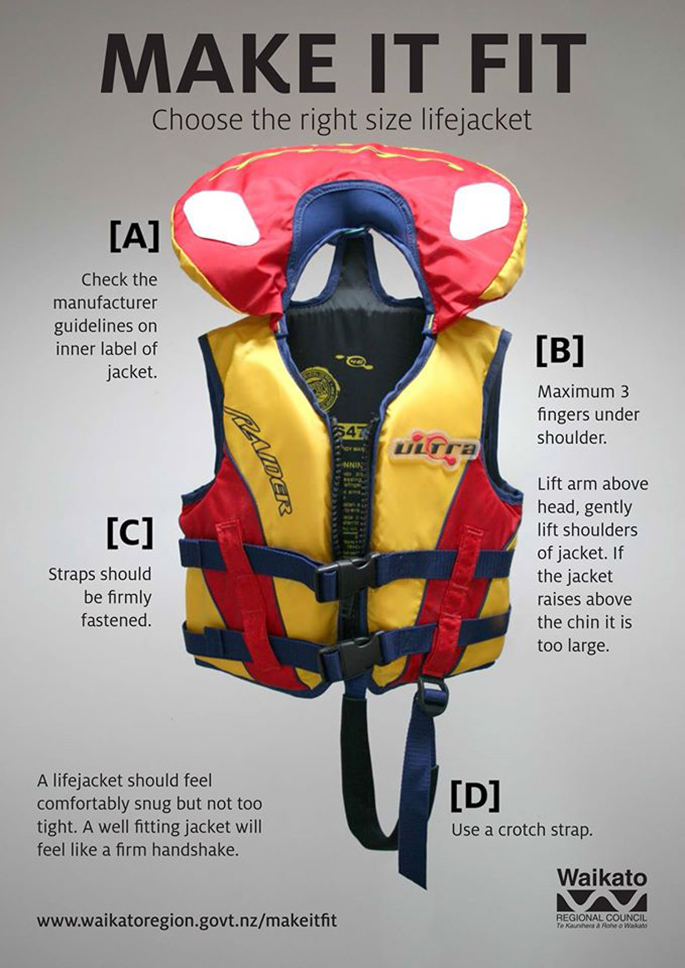
- Lift test. Have a partner grasp the jacket at the shoulders and gently pull upward. If the jacket moves above your ears, tighten it.
- Sit and move. Sit down, raise your arms, and bend. The jacket should stay snug and not pinch.
- Breath check. Take deep breaths. You should fill your lungs easily.
- Reach test. Move your arms as if paddling or swimming. Your range should not be much reduced.
If the jacket fails any check, tighten the straps a bit and test again. How Tight Should a Life Jacket Be? Tight enough to pass these checks but not so tight that you feel pinched.
Measuring and Adjusting Straps Correctly
Most jackets have these adjustment points:
- Shoulder straps. Shorten to keep the jacket from riding up.
- Side straps. Pull evenly to center the foam.
- Waist belt. Cinch for a secure fit without squeezing.
Steps to adjust:
- Put the jacket on and fasten all closures.
- Tighten side straps until the jacket fits snugly.
- Adjust shoulder straps so the jacket sits high on the chest but not under the chin.
- Re-test with the lift test and breath check.
How Tight Should a Life Jacket Be? Follow these steps each time you wear it. Fabrics stretch and people change size, so check every trip.
Fit Differences by Type: PFD, Life Vest, Inflatable
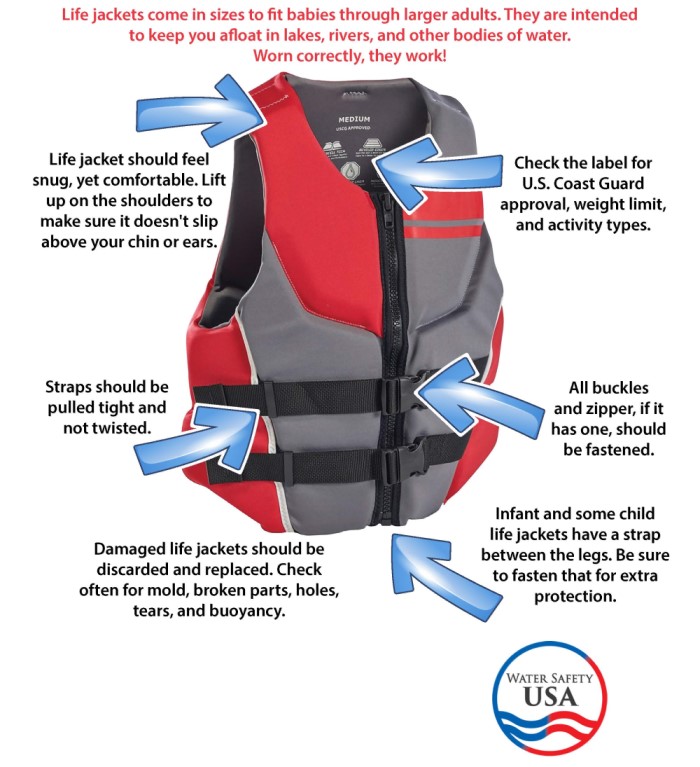
Different types fit differently. Know what you have.
-
Foam PFDs
- Provide instant buoyancy.
- Fit should keep foam near the chest and back.
-
Wearable inflatable PFDs
- Should be snug so the inflator sits correctly.
- Check arm mobility and inflator placement.
-
Deck suits and hybrid PFDs
- Often bulkier.
- Focus on shoulder and waist fit for mobility.
How Tight Should a Life Jacket Be? The rule stays the same: snug, secure, and comfortable for the activity.
Children and Life Jacket Fit
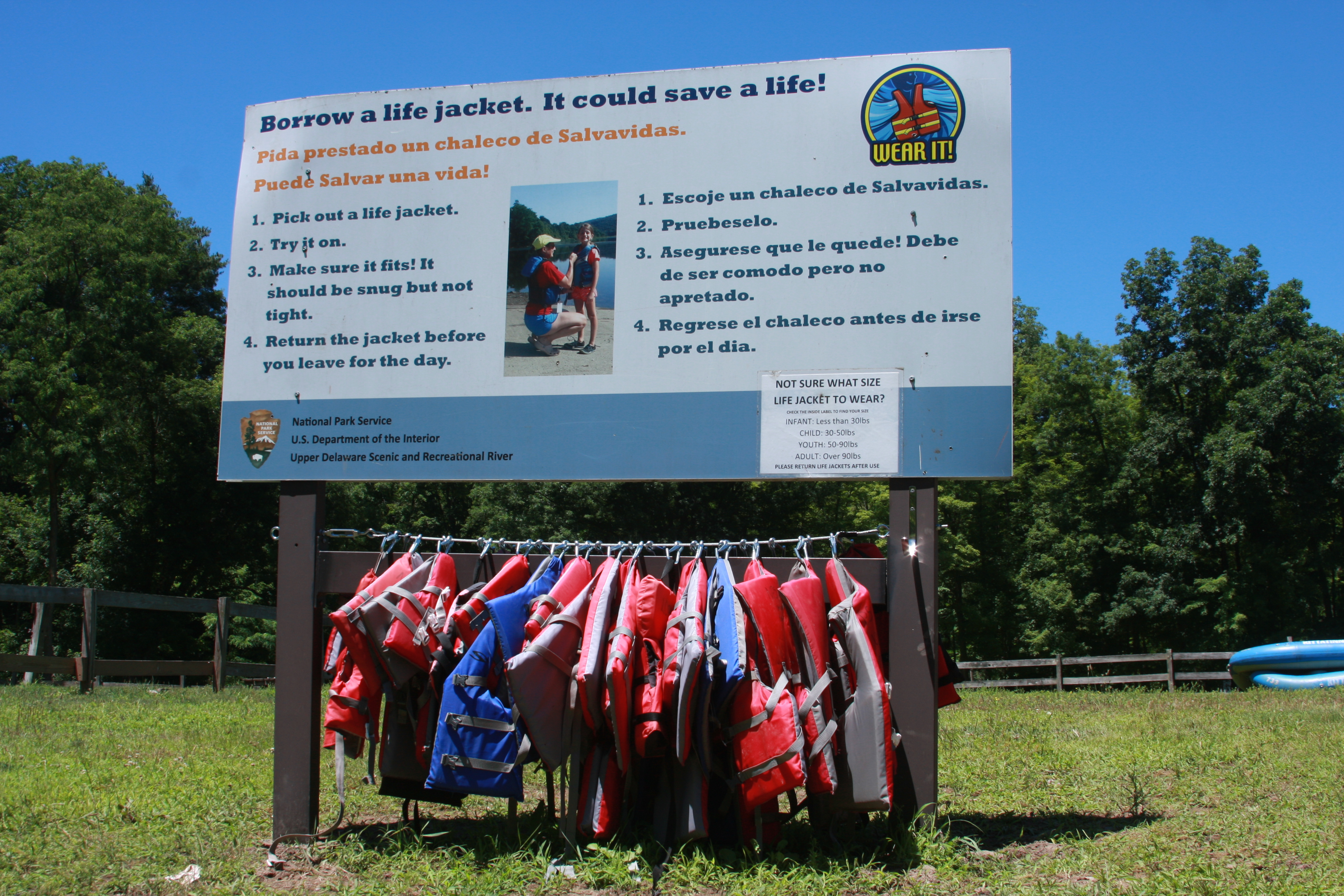
Kids need special care. A child’s life jacket must be sized by weight and chest size. Adult jackets are not safe for children.
Fit tips for kids:
- Straps should be tightened so the jacket cannot slip over the child’s head.
- Use the lift test with a helper to ensure the jacket stays below the ears.
- Hold the child in water simulations to watch head position and comfort.
How Tight Should a Life Jacket Be? For children, tightness must be enough to keep the jacket in place without limiting breathing or movement.
Signs a Life Jacket Is Too Tight or Too Loose
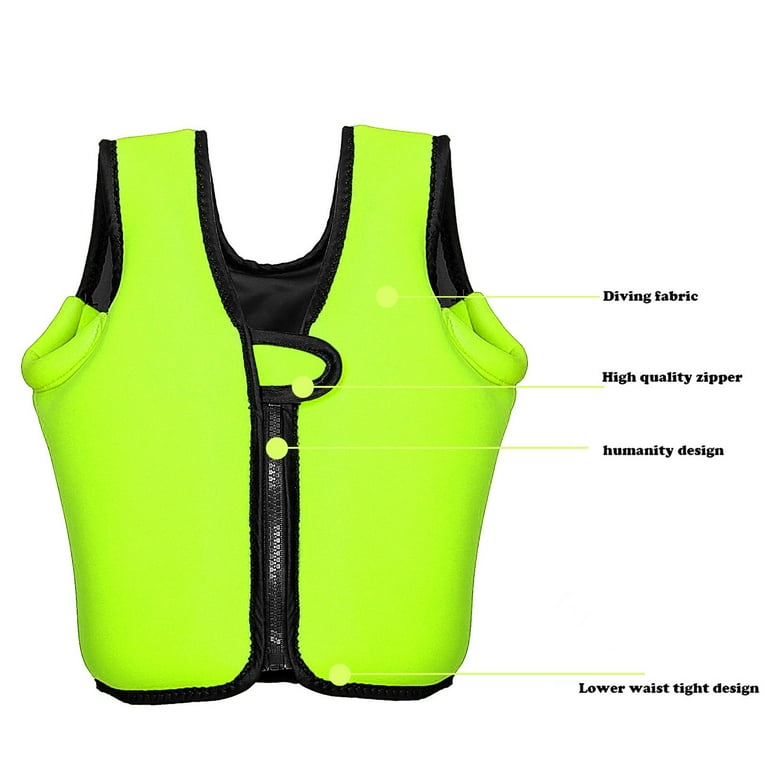
Too tight signs:
- Difficulty taking deep breaths.
- Red marks or pain from straps.
- Restricted arm movement.
Too loose signs:
- Jacket slips up during the lift test.
- Foam gaps from the torso.
- Strange tilt or face-down position in shallow water.
If you see any of these signs, adjust or try a different size. How Tight Should a Life Jacket Be? Correct fit eliminates these problems.

Maintenance, Fit Changes, and Seasonal Tips
Fit can change over time. Jackets wear out. Straps stretch. Foam compresses.
Maintenance steps:
- Inspect straps, buckles, and seams before every use.
- Rinse with fresh water after salt use.
- Replace PFDs with torn fabric or hard, compressed foam.
Seasonal tips:
- Try a jacket with the clothes you plan to wear. Bulky winter gear changes fit.
- Store jackets flat in a cool, dry place to avoid foam damage.
How Tight Should a Life Jacket Be? Check fit regularly, especially if you change clothing layers or the jacket shows wear.
My Experience: What I Learned on the Water
I taught new boaters to fit jackets for years. I saw people loosen straps for comfort. That was a mistake. I also saw over-tightening cause panic for swimmers who could not breathe well.
Key lessons:
- Re-check fit after putting on boots, jackets, or wet clothing.
- Teach family and friends the lift test. It is fast and reliable.
- Keep an extra proper-fit jacket on board.
How Tight Should a Life Jacket Be? From my experience, a little extra time fitting the jacket saves a lot of risk later.
Common Mistakes and How to Avoid Them
People often make these errors:
- Buying by color or style instead of fit.
- Using a too-large jacket “just in case.”
- Not fastening every buckle.
How to avoid them:
- Try jackets on with help.
- Follow the lift and breath checks.
- Replace old jackets rather than relying on looks.
How Tight Should a Life Jacket Be? Avoiding these mistakes keeps your jacket effective when you need it.
Frequently Asked Questions of How Tight Should a Life Jacket Be?
What is the single best test for fit?
The lift test is the best. Have someone pull up on the shoulders; the jacket should not slide over the ears.
Can a life jacket be too tight for kids?
Yes. Too tight can hurt breathing and movement. Adjust straps to be snug but comfortable.
How often should I check the fit?
Check before each trip and whenever clothing changes. Also inspect jackets seasonally.
Will an inflatable PFD work if it is loose?
It may not. If loose, the inflator may sit wrong and the user could still go face down.
Should I size up for growth in children?
No. Use a jacket that fits now and replace it as the child grows. A loose jacket is unsafe.
Conclusion
A life jacket should fit snugly enough to stay in place, keep your head up, and let you breathe and move. Use the lift, breath, and reach checks every time you wear a jacket. Check straps with the clothes you plan to wear and replace worn PFDs.
Take action: try the simple tests on your jacket now. Make adjustments or get the right size if needed. If this helped, subscribe for more safety tips or leave a comment about your fitting questions.