Can You Wear A Life Jacket Over A Hoodie?: Safety Tips
Yes — in most cases you can wear a life jacket over a hoodie, but fit and safety matter most.
I’ve worked on boats, taught safety classes, and tested gear in cold weather. Can You Wear a Life Jacket Over a Hoodie? is a common and practical question. This article explains when it’s safe, what to check, which hoodies and life jackets pair well, and how to avoid common mistakes. Read on for clear, tested advice to keep you warm and safe on the water.

Why people ask "Can You Wear a Life Jacket Over a Hoodie?"
Many boaters and anglers want warmth and safety at once. They wonder if a hoodie will make a life jacket sit wrong. They worry layering might reduce buoyancy or trap air in the wrong place.
The phrase Can You Wear a Life Jacket Over a Hoodie? shows up in searches because people want fast, usable rules. I’ll explain the key points. You’ll learn how to test a fit, what to watch for, and when to choose a different setup.
Safety considerations when asking "Can You Wear a Life Jacket Over a Hoodie?"
Fit matters more than style. A life jacket must sit snugly and not ride up when you move. If the jacket is loose over a thick hoodie, it could slip over your chin in the water and reduce effectiveness.
Layering can change buoyancy feel but not the rated flotation of a properly certified life jacket. Still, thick air pockets from large hoodies can change how the jacket sits and how you float. Check that the jacket stays in place and that you can fasten all straps.
Cold water adds risk. Hoodies soak and get heavy. Collars and hoods can flip and cover your face when wet. In very cold water, a hoodie under a life jacket can trap water next to your skin and speed hypothermia.
Best practices for wearing a life jacket over a hoodie
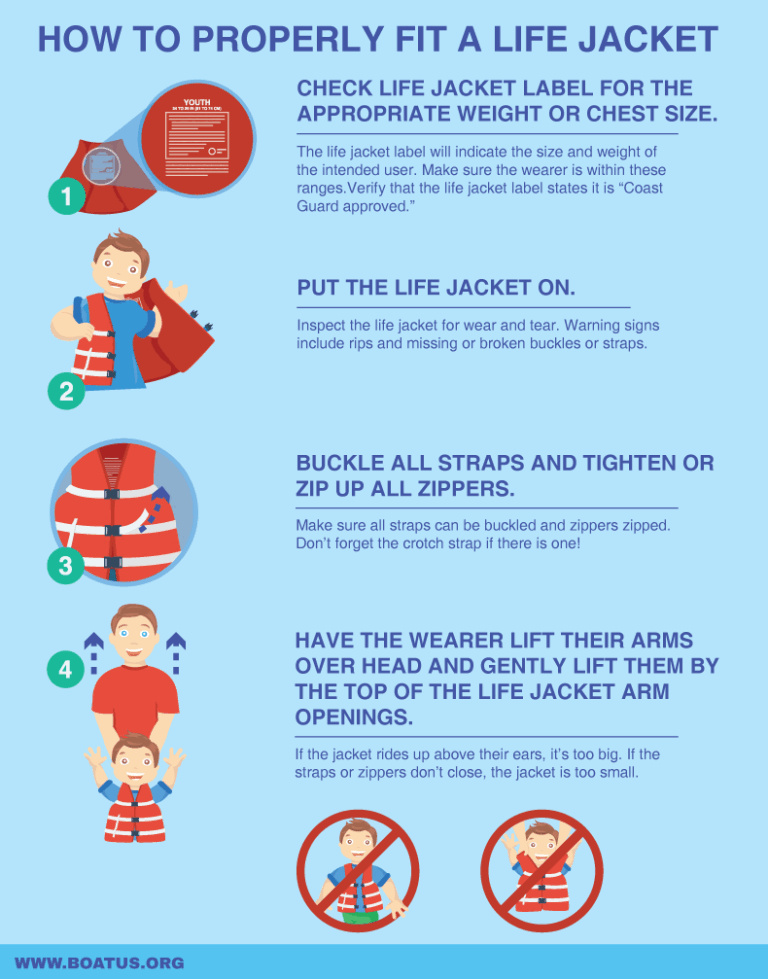
Test the fit on land before heading out. Put on the hoodie and then the life jacket. Fasten every strap and zip. Have someone pull up on the shoulders to see if the jacket rides up.
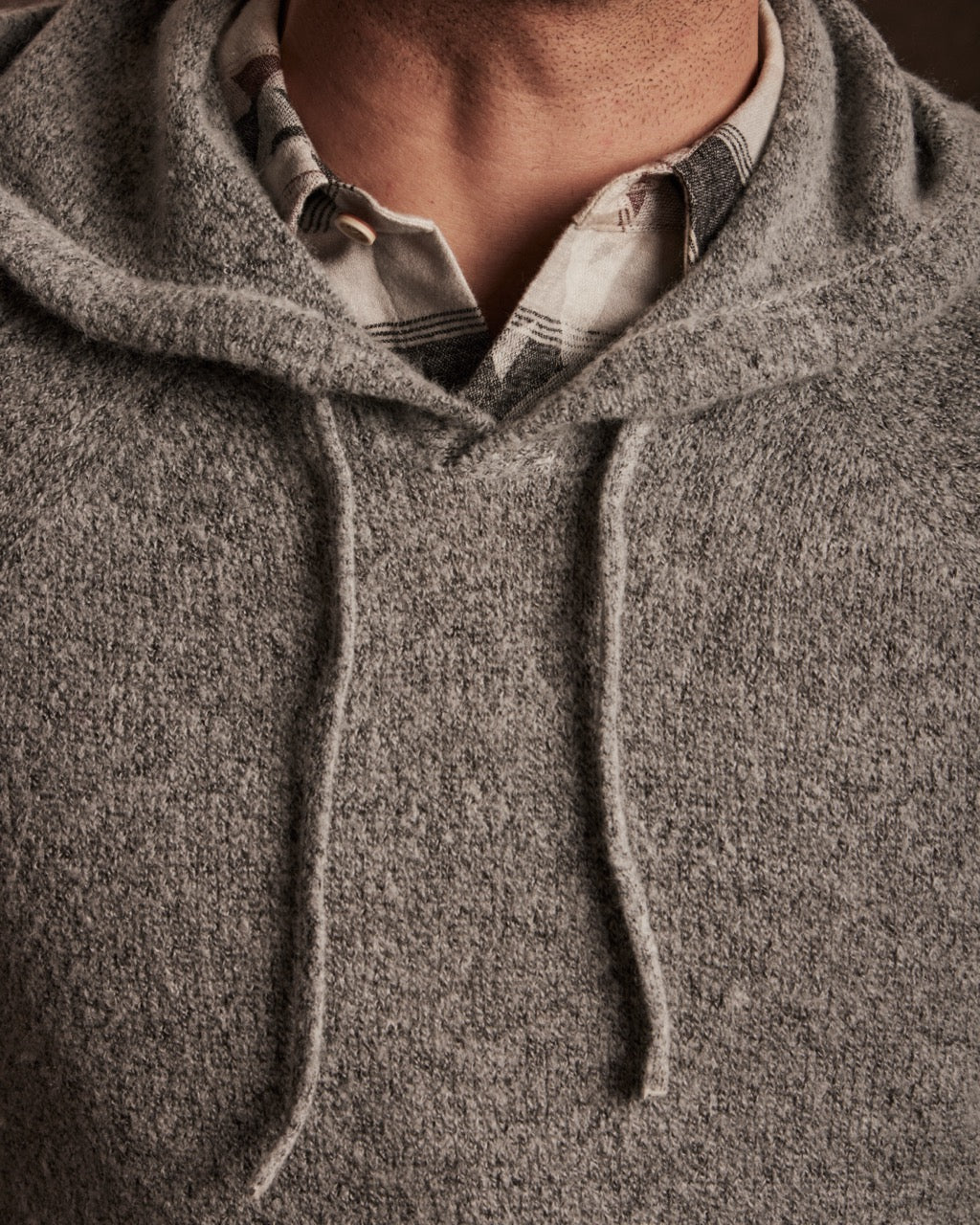
Choose slim, close-fitting hoodies over bulky ones. Thin fleece, wool blends, or technical base layers work better than thick cotton hoodies. If you must wear a thick hoodie, consider a larger life jacket sized for that layer or remove the hoodie and wear the jacket over lighter layers.
Do this checklist every time:
- Put on the hoodie and life jacket exactly as you will on the water.
- Fasten and tighten all straps and buckles.
- Have a helper pull up on the jacket’s shoulders to test for slippage.
- Make sure the hood cannot cover your face when wet.
- Replace any jacket that feels loose, even slightly.
Types of hoodies and life jackets that work well (and those that don’t)
Hoodies that work well:
- Thin fleece or technical pullovers that hug the body.
- Hoodies with low-profile hoods that can be tucked under the jacket.
- Quick-dry fabrics that shed water.
Hoodies to avoid:
- Thick, oversized cotton hoodies.
- Hoodies with large front pockets that add bulk.
- Puffer-style hoodies that trap air and force poor jacket fit.
Life jackets that pair well:
- Type III and Type V personal flotation devices (PFDs) are often cut for active use and can fit over layers.
- Adjustable waist and shoulder straps help dial in fit.
- Jackets with shorter collars and smooth linings that sit over clothing.
Life jackets to avoid:
- Very small, snug jackets designed to be worn next to skin.
- Rigid or foam-heavy vests that do not allow for movement when layered.
Practical tips, personal experience, and mistakes to avoid
From my time coaching beginners and testing gear, I learned a few clear rules. First, always put the jacket on over the clothing you expect to wear on the water. That way the straps and fit match reality. Second, don’t trust a visual fit alone; do the shoulder-pull test.
I once guided a trip where several people wore big cotton hoodies under their PFDs. In rough water, one jacket slid up and felt insecure. We swapped to thinner layers and a larger PFD for that person. The fix was simple and fast.
Other tips from experience:
- Store the hoodie dry when possible. Wet cotton bloats and chills quickly.
- Consider a high-visibility or reflective life jacket for low light.
- If you fish from a kayak, pick a jacket that allows free arm movement over your hoodie.
- For very cold water, pair a thermal base layer with a waterproof outer shell under the PFD.

PAA-style quick questions
What if my life jacket feels loose over a hoodie?
- Tighten straps or try a larger size designed for layering. If it still rides up, remove the hoodie or change layers.
Does a hoodie reduce a life jacket’s buoyancy?
- A hoodie does not reduce a jacket’s rated buoyancy, but it can alter fit and float position, which matters for safety.
Should a hood be tucked under the life jacket?
- Yes, tuck or remove the hood to prevent it from flipping into your face if it gets wet.

Frequently Asked Questions of Can You Wear a Life Jacket Over a Hoodie?
Is it OK to wear a hoodie under my life jacket on a boat?
Yes. It is okay if the jacket fits snugly over the hoodie. Always test fit and secure all closures before leaving shore.
Will a hoodie make my life jacket less effective?
Not directly. A properly certified life jacket will still provide flotation, but a bulky hoodie can change how the jacket sits and may affect performance.
Can I wear a bulky hoodie under a PFD in cold water?
You can, but it’s not ideal. Bulky cotton hoodies soak up water, get heavy, and may speed heat loss. Opt for quick-dry technical layers when possible.
How do I test if my life jacket fits over a hoodie?
Zip and fasten the jacket with the hoodie on. Have someone pull up on the jacket’s shoulders. The jacket should not slip above your chin.
Should kids wear hoodies under life jackets?
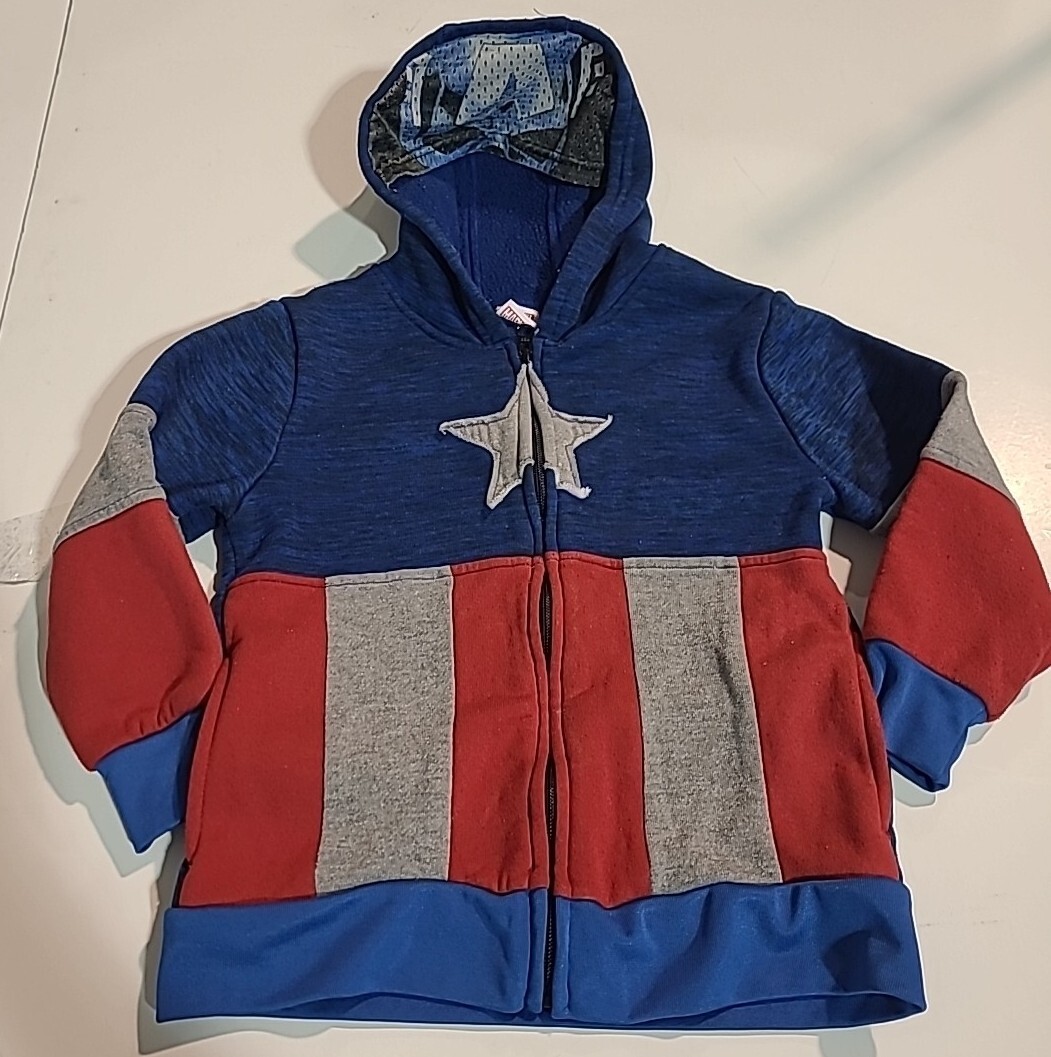
Yes, but ensure the life jacket is sized for the child with that layer worn. Always follow the manufacturer’s sizing guide and test fit.
Conclusion
Wearing a life jacket over a hoodie can be safe when you pick the right layers and confirm fit. Thin, quick-dry hoodies and adjustable PFDs work best. Always test the jacket with the hoodie on, tighten straps, and do the shoulder-pull test. My advice: plan layers before you go, practice fit checks, and choose materials that stay light when wet. Try these steps on your next outing, leave a comment with your experiences, or subscribe for more practical safety tips.