
Can You Swim With A Type III Life Jacket: Safety Tips
Yes — you can swim with a Type III life jacket, but it’s made for flotation, not swim performance.
I’ve tested and used many PFDs on lakes and coastal waters. In this article I explain what a Type III life jacket is, how it affects your swimming, when it helps or hinders, and practical tips to stay safe. You’ll get clear answers, hands-on advice from real use, and simple steps to choose the right gear for boating, fishing, or water sports. Read on to learn whether a Type III meets your needs and how to use it well.
What is a Type III life jacket?
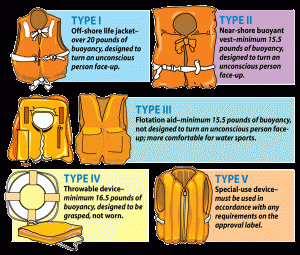
A Type III life jacket is a flotation device for near-shore and calm-water activities. It offers stable buoyancy and helps keep most conscious wearers upright. It is common for boating, kayaking, fishing, and waterskiing because it is comfortable and allows arm movement. The U.S. Coast Guard approves Type III PFDs for recreational use and lists their buoyancy ratings and intended uses.

Key features and common uses
Type III life jackets are made for comfort and mobility. They have foam panels that hold the wearer afloat without bulky collars. They are easy to move in, so people pick them for paddling and deck work. These vests are not designed to turn an unconscious person face-up in the water.
- Buoyancy: enough for most adults in calm water.
- Fit: must be snug to work well.
- Mobility: allows active paddling and swimming motions.
- Use cases: kayaking, fishing, recreational boating, water sports.

Can you swim with a Type III life jacket?
Can you swim with a Type III life jacket? Yes, you can swim while wearing one, but expect reduced speed and altered technique. The jacket adds buoyancy and drag. You will float more easily, but you will not move through the water as quickly as without it.
Type III life jackets are not swim aids. They help conserve energy and keep you on the surface. If you try long-distance swimming or technical strokes, the jacket will slow you and change your body position. For short swims to shore or safety, a Type III is often helpful.

How a Type III affects swimming performance
Wearing a Type III life jacket changes several things about your swim:
- Body position: your hips and legs float higher, which can feel unnatural when you kick.
- Drag: the foam adds surface area and increases resistance.
- Stroke mechanics: arm and shoulder range may be limited by panels or straps.
- Endurance: buoyancy helps you rest but can make steady swimming harder.
If you need to swim a short distance in an emergency, a Type III helps keep you afloat while you move. For competitive or efficient swimming, it is not a good choice.

When a Type III is appropriate and when it’s not
Choose a Type III life jacket when:
- You will be in calm, near-shore waters.
- You need freedom to paddle, row, or cast.
- You want comfort for long wear.
Avoid a Type III life jacket when:
- You plan to swim long distances or train.
- You face rough seas or strong currents.
- You want automatic head support for an unconscious person.
For offshore trips or rough conditions, use a Type I or II, or a Type V designed for the activity.
Safety tips for swimming with a Type III life jacket
Follow these practical steps to stay safe while swimming with a Type III life jacket:
- Check fit: ensure the jacket fits snugly. A loose jacket can ride up and slip off.
- Secure straps: tighten all belts and zippers to reduce drag and keep the jacket in place.
- Practice in calm water: try short swims to adjust to how the jacket changes your position.
- Know limitations: don’t rely on a Type III to turn an unconscious person face-up.
- Use the right PFD for conditions: swap to a higher-rating PFD for offshore or rough water.
These tips come from field use and standard safety practices. I learned to test gear in calm settings before relying on it.
Personal experience and lessons learned
I have used Type III life jackets while paddling, fishing, and helping on small boats. Early on, I underestimated how the jacket shifted my kick. Practicing helped me feel comfortable and confident. Key lessons I learned:
- Test the jacket before a trip. Wear it while swimming a short distance.
- Tighten straps and tuck loose material to avoid snags.
- Keep a plan: know how far shore is and how to signal for help.
- Bring a whistle and a throw rope even when wearing a PFD.
These small habits made my outings safer and more relaxed.

Choosing the right PFD for your activity
Follow these steps when choosing a life jacket:
- Identify activity
- Calm lake paddling: Type III works well.
- Offshore or rough sea: consider higher-rated PFDs.
- Check size and weight rating
- Match the jacket to the wearer’s weight and chest size.
- Try it on and move
- Simulate swimming and paddling motions.
- Look for features
- Reflective tape, whistle, quick-release buckles, durable shell.
Choosing correctly reduces risk and improves comfort on the water.
Related concepts and alternatives
Consider these options if a Type III is not ideal:
- Type I PFD: best for offshore, turns unconscious wearers face-up.
- Type II PFD: good for calm waters, some head support.
- Type V PFD: designed for specific activities like kayaking, windsurfing, or offshore racing.
- Swim buoy or tow float: aids visibility and rest during open-water swims.
Match the device to the activity, water, and expected conditions for best results.
Frequently Asked Questions of Can You Swim With a Type III Life Jacket?
Can you swim with a Type III life jacket in open water?
Yes, you can swim with a Type III life jacket in open water, but it is best for calm conditions. For rough or offshore water, choose a higher-rated PFD that offers more support.
Will a Type III turn me face-up if I'm unconscious?
No, Type III jackets typically do not guarantee turning an unconscious person face-up. If that protection matters, use a Type I or certain Type V PFDs made for that purpose.
Does a Type III slow down your swimming speed?
Yes, a Type III adds drag and can reduce your speed and efficiency in the water. However, it increases buoyancy and helps conserve energy when you need to float.
How should a Type III fit for safe swimming?
A Type III should be snug around the chest with straps and zippers secured. The jacket should not ride up over your chin when you lift your arms.
Are Type III life jackets legal for boating?
Yes, Type III life jackets are approved for recreational boating and meet regulatory standards for many uses. Always carry the correct number and sizes of PFDs for all passengers.
Can children swim with a Type III life jacket?
Children can wear specially sized Type III PFDs, but many experts prefer child-specific PFDs with head support. Always supervise children closely, even with a PFD on.
Conclusion
A Type III life jacket lets you swim while staying buoyant and comfortable for most recreational activities. It is not a swim-optimized device or a rescue tool for unconscious wearers, so match the PFD to the water and the risk. Practice wearing and swimming in your Type III before heading out, tighten all straps, and always have a backup safety plan. Try the tips here on your next outing, share your experience, and consider upgrading your PFD for rough conditions. If this helped, leave a comment or subscribe for more practical safety guides.