Can You Sleep In A Life Jacket: Safe Tips & Risks
Yes, you can sleep in a life jacket for short periods if it fits well and the type suits resting on water or a boat.
I’ve spent years on boats, testing PFDs and teaching safety courses, so I know what works and what doesn’t. This guide answers Can You Sleep in a Life Jacket? with clear, practical advice. Read on for safety tips, real-world experience, and how to choose the right PFD for napping on deck or staying afloat overnight.
Why people ask "Can You Sleep in a Life Jacket?"
Many people worry about comfort and safety. They ask Can You Sleep in a Life Jacket? because sleeping changes posture and breathing, and not every PFD suits those needs.
Knowing how jackets hold your head above water and how they inflate helps decide if sleeping is safe. I’ll explain what matters and how to avoid common risks.
How life jackets work
A life jacket keeps your chest and head above water by providing buoyant lift. Materials vary from foam to inflatable bladders that trap air and raise you in the water.
Some jackets flip you face-up automatically, while others require a certain body position to keep your airway clear. Understanding these mechanics helps answer Can You Sleep in a Life Jacket? for your situation.
Types of life jackets and whether you can sleep in them
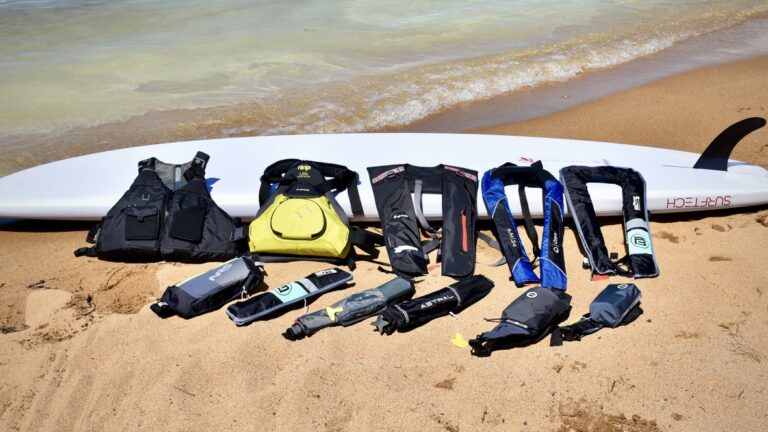
Different PFDs suit different uses. Here’s a quick look at common types and whether they are decent for sleeping.
- Foam vest (Type III)
- Comfortable and stable for boat naps. Good fit can let you sleep briefly on deck.
- Offshore or near-shore (Type I or II)
- Designed for rough water. They keep your head up but are bulky and stiff for sleeping.
- Inflatable (automatic or manual)
- Very comfortable when uninflated. If inflated, they can be bulky but keep you afloat well in water.
- Throwable cushion (Type IV)
- Not wearable, so you cannot sleep in it.
- Hybrid vests and special “comfort” models
- Some brands make PFDs for long wear that are better for resting aboard.
If you wonder Can You Sleep in a Life Jacket? choose a PFD labeled for long-term wear or try an inflatable with reliable fit. Test it first on dry land.
Safety risks and considerations when sleeping in a life jacket
Sleeping changes how your body sits and breathes. That creates hazards to consider.
- Airway risk
- A poorly fitted jacket can tip your head forward and block your airway.
- Chafing and discomfort
- Straps and seams can irritate skin during long rest.
- False sense of security
- Wearing a jacket may make you relax near edges or in rough water.
- Accidental inflation
- Auto-inflating PFDs may trigger unexpectedly if not maintained.
- Cold exposure
- A jacket can delay hypothermia but also give a false sense of warmth.
Ask yourself Can You Sleep in a Life Jacket? with full awareness of these risks, and take steps to reduce them.
Tips for sleeping safely in a life jacket
Follow these clear steps to make napping safer.
- Pick the right PFD
- Choose a jacket suited for long wear and that supports your head.
- Fit matters
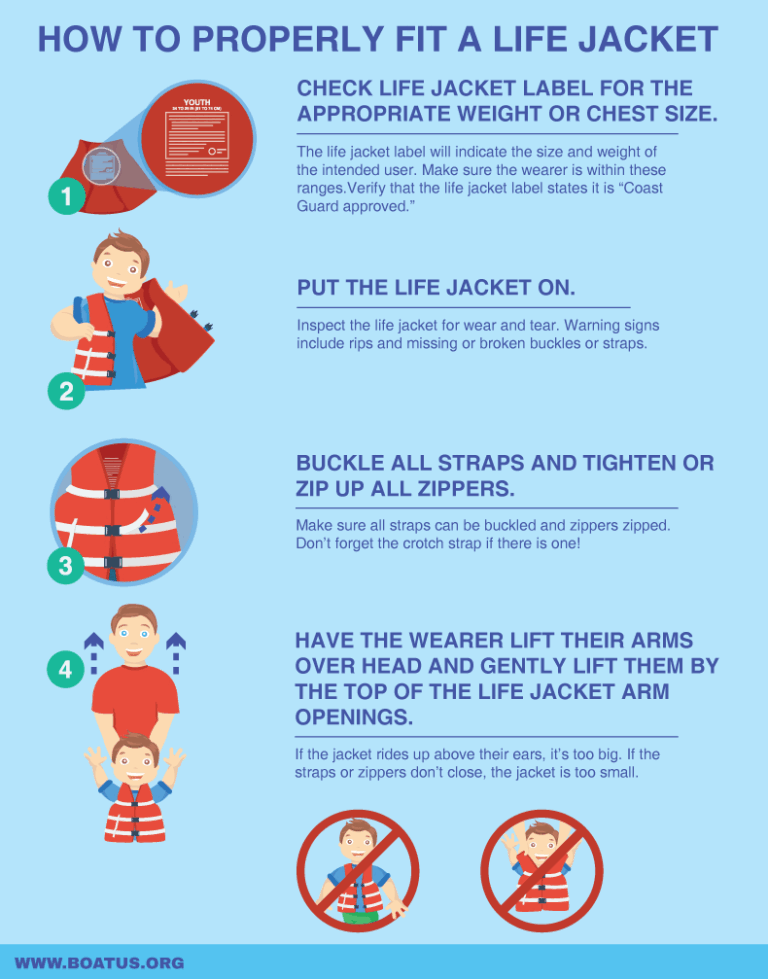
- Tighten straps so the jacket does not ride up, but avoid cutting off circulation.
- Test on land
- Recline and simulate sleep positions before trusting it on water.
- Use a headrest or pillow
- A small cushion prevents chin tucking and keeps the airway open.
- Secure loose gear
- Remove items that might snag or inflate accidentally.
- Maintain inflatables
- Inspect CO2 canisters and seams. Disable automatic inflation only if safe and you know how.
- Avoid deep water sleep
- Don’t sleep in open water when alone. Use flotation for supervised or group situations.
When you weigh these tips, the answer to Can You Sleep in a Life Jacket? becomes a practical choice, not a guess.
Personal experience and lessons learned
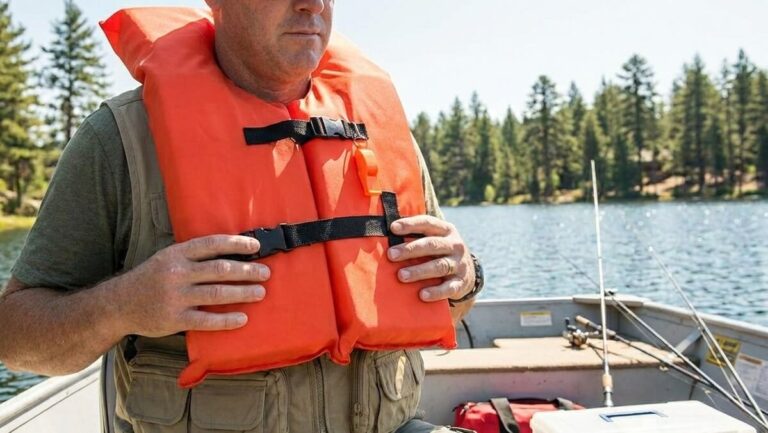
I once napped on deck during a calm afternoon while tied to a cleat and wearing a Type III foam vest. The jacket kept me upright and comfortable, but my neck was sore from a strap that sat too high.
Lessons I learned
- Try a short test nap first.
- Add a soft neck pad to reduce pressure.
- Avoid auto-inflating models that you haven’t inspected.
These small changes made later naps safer and more restful. That’s real-world proof that Can You Sleep in a Life Jacket? can be answered with yes, but only with preparation.
Legal, practical, and overnight scenarios
Regulations vary. Some places require children to wear a life jacket at all times on boats. Rules rarely forbid wearing a PFD while sleeping, but liability and local law can affect what’s safe.
Practical uses
- Overnight anchored boats: Wearing a comfortable PFD can be wise on deck.
- Kayak or canoe trips: An inflatable worn properly helps if you fall asleep accidentally.
- Open sea: Avoid sleeping in water. Use life raft or survival systems.
If you ask Can You Sleep in a Life Jacket? for an overnight trip, plan backups like a life raft or buddy system.
When you should not sleep in a life jacket
There are clear no-go moments. Avoid sleeping in a PFD when:
- You are alone in open rough water.
- The jacket does not support your chin or head.
- The device is damaged or the inflation system is faulty.
- You need to eat, drink alcohol, or take medication that impairs alertness.
- You are in extreme cold without proper thermal protection.
Say no to sleeping in any PFD that increases risk rather than reduces it.
Common quick questions people ask
Here are a few short answers to common concerns.
Will a life jacket keep my face out of water while I sleep?
A properly fitted life jacket that is rated to turn an unconscious person face-up can keep the face out of water. Test fit and posture matter.
Is an inflatable life jacket better for sleeping?
Inflatables are often more comfortable when uninflated and provide good buoyancy when inflated. Maintenance and inspection are crucial.
Can children sleep in life jackets?
Children can sleep in PFDs made for long wear, but close supervision is required. Choose a size-specific jacket that keeps the head supported.
Frequently Asked Questions of Can You Sleep in a Life Jacket?
Will sleeping in a life jacket make me safer on a boat?
Wearing a life jacket can increase safety if you fall overboard or the vessel shifts. It is not a substitute for good seamanship and safe mooring.
How long can I sleep wearing a life jacket?
Short naps are usually fine. Extended sleep can cause discomfort and pressure issues, so monitor fit and circulation.
Are automatic inflatables safe to sleep in?
They are safe if maintained, but accidental triggers can surprise you. Consider disabling auto-inflate only when you fully understand the risk and have tested the device.
What is the most comfortable life jacket for sleeping?
Comfort models and inflatable PFDs often offer the best comfort. Foam vests with ergonomic cut and soft lining can also be good.
Should I wear a life jacket while sleeping on deck overnight?
If there is risk of falling overboard or bad weather, wearing a well-fitted PFD makes sense. Plan for warm layers and a secure sleeping area.
Conclusion
Sleeping in a life jacket is possible and sensible in many situations, provided you pick the right PFD, fit it correctly, and follow safety steps. Test your jacket, use a pillow or neck pad, and avoid sleeping in risky waters or alone. Take action: check your PFD now, do a short test nap, and share your experience or questions below to help others learn.