Can You Repair A Ripped Life Jacket?: Simple Repair Guide
Yes. Small tears can be repaired safely; large rips or foam damage usually call for replacement.
I’ve worked with boaters and marine shops for years repairing gear and inspecting safety equipment. This guide explains if and how you can repair a ripped life jacket. I’ll share clear rules, step-by-step fixes, tools, safety checks, and real-world tips so you can make an informed call about repair versus replacement. Read on to learn practical, safe methods and when to stop repairing and replace instead.
How life jackets work and why a rip matters
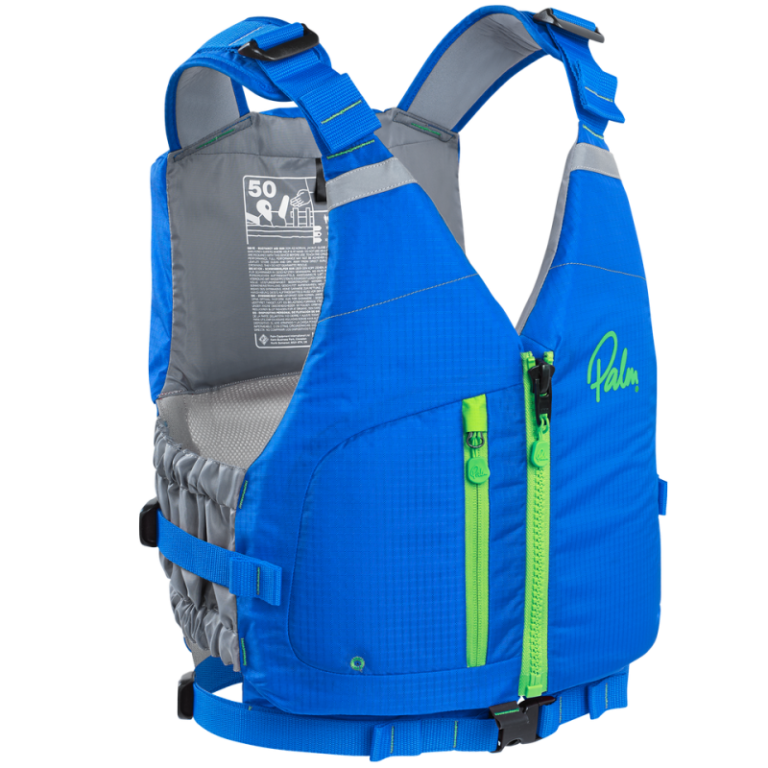
Life jackets keep you afloat by using foam or air to float your body. The shell holds foam or an inflatable bladder. A rip can let water reach foam or let air escape. That lowers buoyancy and can make the jacket unsafe.
When readers ask, "Can You Repair a Ripped Life Jacket?" they mean two things. First, can the fabric be mended? Second, will the repair keep the jacket safe? Both matter.
Common types of damage you will see
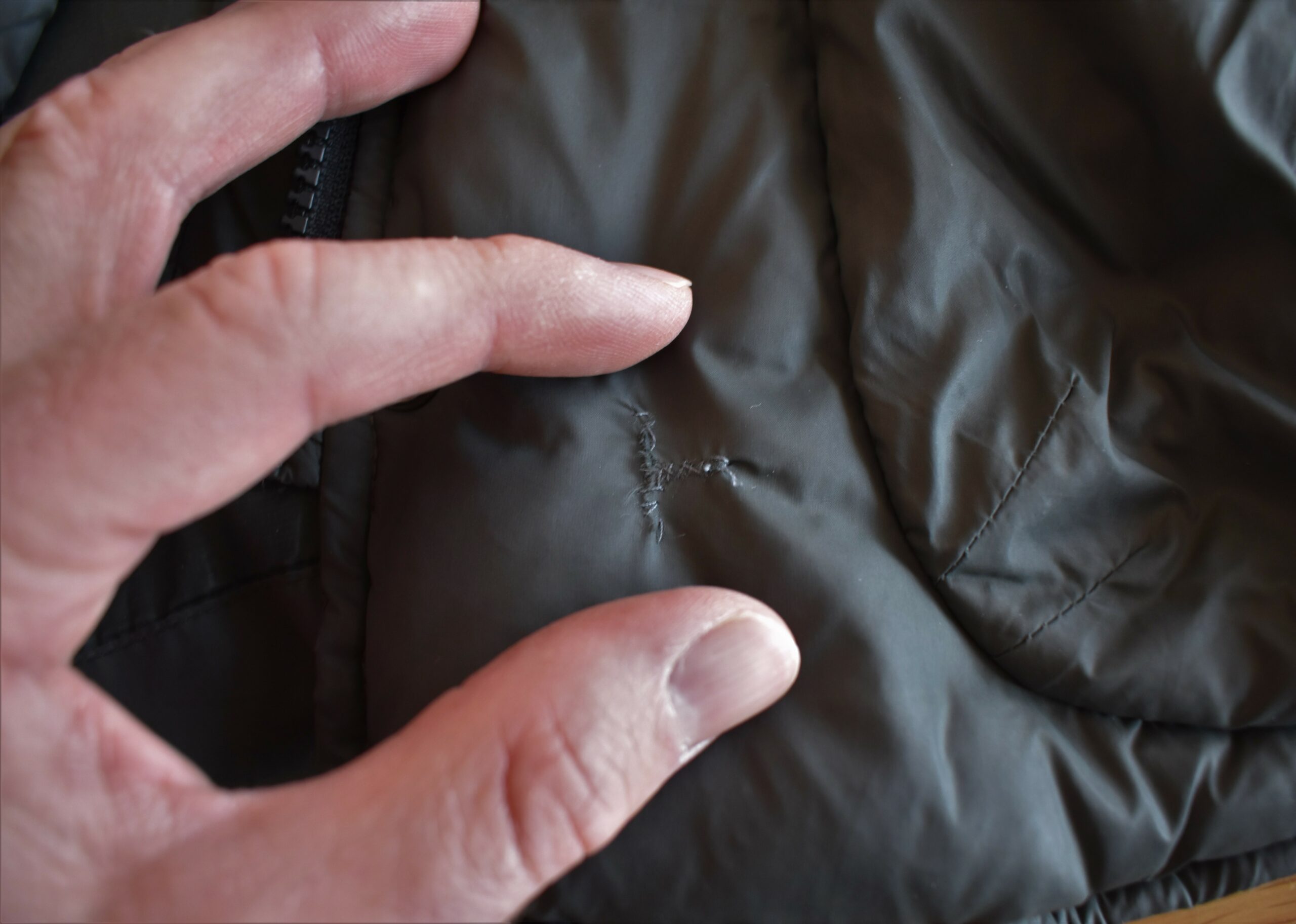
Tears and rips in outer fabric.
Punctures or holes in foam or bladder.
Broken straps, buckles, or zippers.
Delaminated or compressed foam.
Valve leaks or seam failure on inflatables.
Small fabric rips are the easiest to fix. When foam or the bladder is damaged, the risk is higher. Asking "Can You Repair a Ripped Life Jacket?" starts with identifying the type of damage.

Can You Repair a Ripped Life Jacket?
Short answer: sometimes. Small shell tears that do not expose or damage foam can often be repaired. Inflatable bladders or damaged foam often need professional repair or full replacement.
Key criteria to decide:
- Size of the rip — tiny tears under 2 inches are easier to patch.
- Location — rips at seams, near straps, or over buoyant material are risky.
- Type of jacket — foam PFDs and inflatable PFDs have different limits.
- Buoyancy effect — if foam is crushed or wet, replace the jacket.
From hands-on work, I’ve repaired small rips on foam jackets that had intact internal foam. I used a sewn patch with marine adhesive and seam sealer. It worked short term, but I told the owner to plan to replace the PFD within a season. That is often the safest plan.

When to repair and when to replace
Repair if:
- The rip is small and only in the outer shell.
- Foam inside is dry, intact, and holds shape.
- Straps and hardware are working.
Replace if:
- Foam is wet, compressed, or crumbly.
- The inflatable bladder or valve leaks.
- Seams near buoyant panels are split.
- The jacket has been heavily UV-damaged or is very old.
When deciding "Can You Repair a Ripped Life Jacket?" always prioritize flotation and safety over saving money. If you feel unsure, replace it.

Step-by-step repair for foam life jackets
Tools and materials to have:
- Heavy-duty nylon patch or marine-grade fabric.
- Marine adhesive or contact cement safe for foam.
- Needle and heavy thread or sewing machine with suitable needles.
- Seam sealer or flexible marine-grade silicone.
- Scissors, gloves, and cleaning supplies.
Repair steps:
- Inspect the rip and foam. Ensure foam is dry and not crumbling.
- Clean the area with mild soap and water. Let it dry fully.
- Trim loose threads and square the tear edges.
- Apply marine adhesive to foam edges if needed. Align edges.
- Hand-stitch or machine-stitch a patch over the rip, keeping stitches tight but not overly taut.
- Apply seam sealer to stitches and edges to waterproof the repair.
- Allow full cure per product instructions. Test on land before water use.
After repair, perform a buoyancy and wear test in shallow water. If performance lags, replace the jacket. When people ask "Can You Repair a Ripped Life Jacket?" this step-by-step shows a safe, careful approach for foam types.

Inflatable life jacket repairs and special caution
Inflatable jackets use an air bladder and valve. Repairs are more sensitive. Small punctures can be patched with a kit from the manufacturer. Valve or seam damage often needs factory service or replacement.
Key points:
- Only use manufacturer-approved repair kits for inflatables.
- Test repairs by inflating and submerging; look for bubbles.
- If the inflator or valve fails, do not use the jacket. It may fail when you need it most.
From my experience, inflatable repairs can work for pinholes. But for critical parts like inflators or major seams, replacement is safest. Remember the core question, "Can You Repair a Ripped Life Jacket?"—for inflatables, the answer is often no for major damage.

Materials, costs, and expected lifespan after repair
Common costs:
- Repair kits and adhesives: $10–$40.
- Professional repair services: $30–$100+.
- New life jacket: $30–$300+ depending on type and rating.
Expected outcome:
- A good patch may restore function for a season or two if foam is sound.
- Inflatable patches are less durable than original seams.
- Repaired jackets may never reach original certified performance.
If you patch a life jacket, mark the date and monitor it. When you ask "Can You Repair a Ripped Life Jacket?" factor in repair cost vs. the safety benefit of a new jacket.

Maintenance and inspection tips to avoid big repairs
Inspect before each trip. Look at seams, straps, zippers, and foam. Squeeze foam to check for water retention. Test inflatables by inflating and checking for leaks.
Storage tips:
- Rinse with fresh water after salt use.
- Dry fully before storage.
- Store out of direct sun and heat.
- Avoid folding foam PFDs tightly for long periods.
Good care reduces the odds you’ll need to ask, "Can You Repair a Ripped Life Jacket?" and keeps your gear safe longer.

Legal and safety considerations
Many regions require approved PFDs on boats. Repairs that alter certification labels can make a jacket noncompliant. Check manufacturer instructions before modifying an approved device.
Safety rules to follow:
- Never use a repaired jacket for high-risk situations without proper testing.
- Replace jackets that fail buoyancy or valve tests.
- Keep proof of inspection and service if required by law.
When in doubt, replace. It is better to have a trusted, certified PFD than risk a repaired one that might fail.
Frequently Asked Questions of Can You Repair a Ripped Life Jacket?
Can a ripped foam life jacket be fixed at home?
Small shell tears can be fixed at home with proper tools and materials if the foam inside is intact and dry. Use marine adhesive, a patch, and seam sealer, then test buoyancy.
Is it safe to repair an inflatable life jacket myself?
Only patch tiny punctures with a manufacturer-approved kit and follow instructions closely. Do not attempt to repair valves or inflators yourself; seek professional or factory service.
How can I test a repaired life jacket?
Wear the PFD in shallow water and check buoyancy and fit. For inflatables, inflate and submerge to look for bubbles. Replace if performance is poor.
How long will a repaired life jacket last?
A repair can extend life by months to a few years depending on damage and care. Major damage or repeated repairs shortens overall life and calls for replacement.
Does repairing a life jacket void certification?
Altering an approved PFD can void its certification if the repair changes labels or internal structure. Always follow manufacturer guidance to maintain compliance.
Conclusion
Repairing a ripped life jacket is possible in many cases. Small shell tears and minor inflatable punctures can be fixed safely when done correctly. Major foam damage, seam failure near buoyant panels, and inflator or valve problems usually mean replacement. My best advice: inspect often, fix small issues quickly, and replace if you have any doubt about buoyancy or safety. Act now to check your PFDs, make needed repairs, or buy a new jacket. Share your experience or questions below and consider subscribing for more practical marine safety tips.