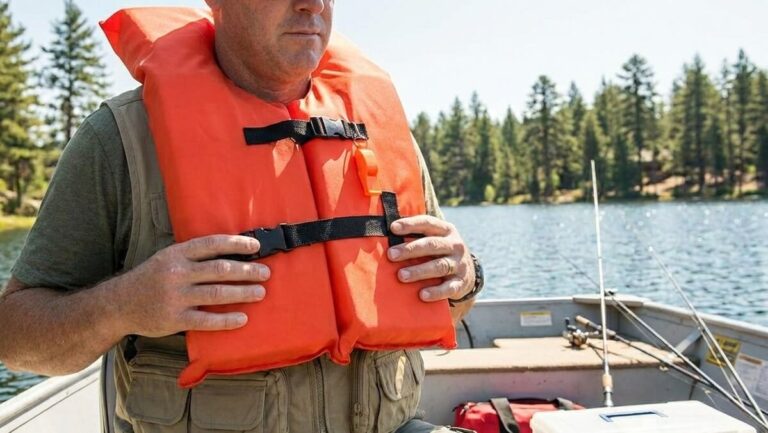
Can You Drown While Wearing A Life Jacket?: Safety Facts
Yes — life jackets greatly lower drowning risk, but drowning can still happen in rare situations.
I have worked on boating safety for years and studied rescue reports and safety standards. This article answers the question "Can You Drown While Wearing a Life Jacket?" with clear facts, real examples, and practical steps you can use. Read on to learn how life jackets protect you, when they can fail, and what to do to stay safe on the water.
How life jackets work
Life jackets use buoyancy to keep your head above water. They are made from foam or inflatable chambers that displace water and lift the wearer. Some jackets also help turn an unconscious person face-up. Proper fit and type make a big difference in performance.
Life jackets are rated by buoyancy, intended use, and level of self-righting. A jacket for offshore use gives more buoyancy than one for calm lakes. Always match the jacket to the activity and body weight.
Can You Drown While Wearing a Life Jacket?
Yes, it is possible to drown while wearing a life jacket, though it is uncommon. The phrase "Can You Drown While Wearing a Life Jacket?" points to scenarios where the jacket may not function as intended.
Drowning can happen when the life jacket is the wrong type or size. It can also happen if the jacket is worn incorrectly, damaged, or not properly secured. Other risks include rough seas, extreme cold, entrapment, or being pinned under a boat.
People also ask: Will a life jacket keep you safe in rough water?
A life jacket greatly improves survival chances in rough water, but it does not remove all risk. Strong waves, injury, or being trapped under debris can still lead to drowning.
People also ask: Can an inflatable life jacket fail?
Yes. Inflatable life jackets can fail if not armed, if the gas cylinder is empty, or if a puncture occurs.
Common reasons drowning occurs while wearing a life jacket
- Wrong type for the situation
- Using a low-buoyancy vest in offshore or rough water increases risk.
- Poor fit or loose straps
- A jacket that rides up can expose the mouth and nose.
- Improper donning
- An unfastened jacket will not hold position when you enter the water.
- Damage or improper maintenance
- Torn foam or flat inflators reduce buoyancy.
- Cold water shock and hypothermia
- Cold quickly reduces strength and may lead to unconsciousness.
- Entrapment or being pinned
- Getting trapped under a capsized boat or snagged on debris can trap a person.
- Medical issues or unconsciousness
- If you are already unconscious, some jackets may not keep you face-up.
Each of these problems can turn a life-saving device into a less effective one. Knowing these causes helps you reduce the risk.
Types of life jackets and associated risks
- Foam (inherently buoyant) jackets
- Pros: Reliable, no inflation needed.
- Cons: Bulkier and can ride up if not sized well.
- Inflatable jackets (manual or automatic)
- Pros: Comfortable and low profile.
- Cons: Can fail if not armed or maintained.
- Throwable devices (cushions, rings)
- Pros: Good for rescuing another person.
- Cons: Not designed to keep an unconscious person face-up.
- Special-purpose jackets (work vests, deck suits)
- Pros: Built for specific tasks.
- Cons: May sacrifice buoyancy or turning ability for mobility.
Choosing the right type lowers the chance you will drown while wearing a life jacket. Consider activity, water type, and personal needs.
Choosing, fitting, and maintaining your life jacket
Choosing, fitting, and maintenance are vital to safety. Follow these steps:
- Select the right type
- Use higher-buoyancy jackets for offshore or cold water.
- Check size and weight rating
- Match the jacket to your weight and chest size.
- Fit snugly
- Zip and fasten all straps. The jacket should not slip over your chin.
- Test in shallow water
- Make sure the jacket holds you face-up when relaxed.
- Inspect regularly
- Look for rips, compressed foam, or expired inflator cylinders.
- Store properly
- Keep the jacket dry and away from sunlight when possible.
A well-chosen and well-maintained jacket greatly reduces the risk that you will drown while wearing a life jacket.
Safety tips and emergency actions
- Always wear the jacket while on deck or in small boats
- Quick falls into water happen without warning.
- Secure all fasteners and check fit before launch
- A loose jacket may not keep your airway clear.
- Buddy system
- Watch each other. Two sets of eyes are better in poor visibility.
- Practice donning and swimming in your jacket
- Practice builds confidence and reveals fit problems.
- Learn basic self-rescue
- Float on your back, keep calm, and call for help.
- Know local rescue numbers and signals
- A whistle, mirror, or VHF radio improves rescue odds.
If you or someone else is in danger, act quickly but safely. Avoid entering the water for a rescue unless trained.
My experience with life jackets
I have guided small-boat trips and helped with safety checks for years. I once saw a passenger almost slip out of a life jacket because the crotch strap was missing. We corrected the fit and the person was safe. That moment taught me that even good gear can fail if not used right.
I also tested inflatable jackets and found that periodic cylinder checks were crucial. A jacket with an empty cylinder looks fine but offers no more protection than a float toy. Always test and inspect.
Frequently Asked Questions of Can You Drown While Wearing a Life Jacket?
Can a life jacket flip you face-up if you are unconscious?
Yes. Many life jackets are designed to self-right an unconscious person, but only if they fit and have enough buoyancy for the person’s weight.
Is an inflatable jacket as safe as foam?
Inflatable jackets can be as safe when maintained and armed. They are more vulnerable to mechanical failure than foam jackets.
Will a life jacket keep me warm in cold water?
A life jacket provides limited insulation. It slows heat loss by reducing movement, but hypothermia can still set in quickly in cold water.
How often should I inspect my life jacket?
Inspect before each trip and perform a thorough check seasonally. For inflatables, check the cylinder and indicators regularly.
Can children drown while wearing a life jacket?
Yes. Children must wear properly sized, Coast Guard-approved jackets and be supervised at all times to reduce risk.
Conclusion
Life jackets save lives when chosen, fitted, and used correctly. You can drown while wearing a life jacket, but the risk falls sharply with the right gear, good fit, and simple safety habits. Take time to pick the correct jacket, practice in calm water, and keep your gear in good shape. Use what you learned here: check your jacket, wear it every time, and teach others to do the same. Leave a comment with your own life jacket story or subscribe for more safety tips.